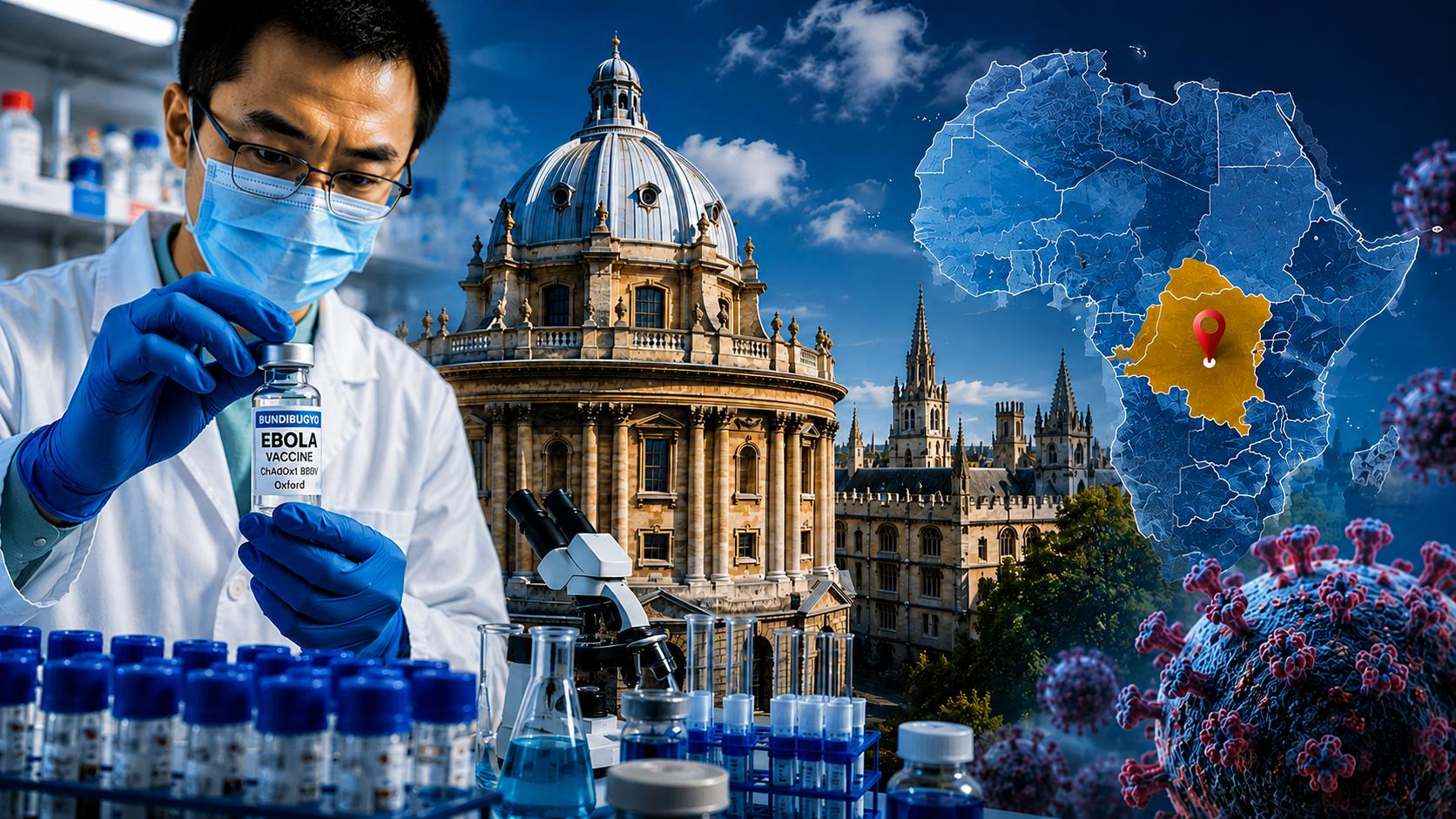
Oxford researchers have launched the first human clinical trial of a vaccine targeting the Bundibugyo strain of Ebola, marking a major milestone in efforts to strengthen Africa's preparedness against future outbreaks.
Bundibugyo Ebola Vaccine Trial Begins at Oxford
The world’s fight against Ebola has entered a significant new phase after researchers at the University of Oxford launched the first-ever human clinical trial of a vaccine designed specifically to protect against the Bundibugyo strain of the virus. The Phase I study, which began in the United Kingdom, will assess the safety and immune response of the experimental vaccine in healthy adult volunteers over the next year. The trial comes just weeks after the World Health Organization (WHO) declared a public health emergency in response to a major Ebola outbreak in Central Africa, underscoring the urgent need for new tools to combat one of the world’s deadliest infectious diseases.
While Ebola vaccines already exist for the more common Zaire strain, no approved vaccine currently protects against the Bundibugyo ebolavirus. That gap has left health authorities with limited options whenever outbreaks involving this strain occur. Oxford’s latest research therefore represents more than a scientific milestone—it could become a critical step toward strengthening Africa’s ability to prevent future Ebola epidemics and improving global preparedness against emerging infectious diseases.
Why Scientists Are Racing Against Bundibugyo Ebola
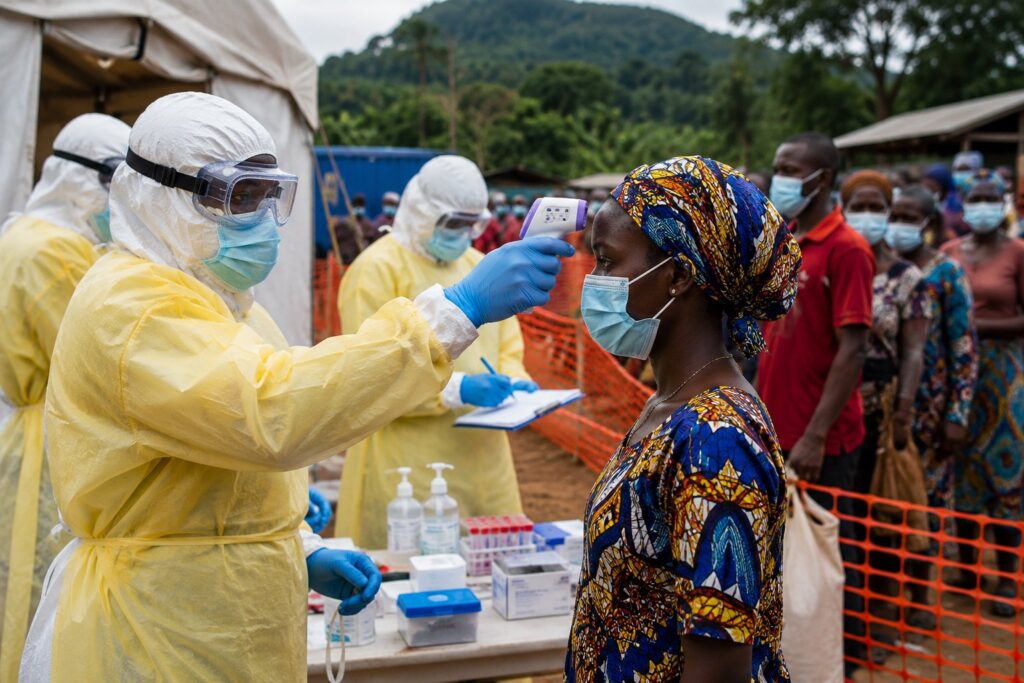
The Bundibugyo strain is one of several known species of the Ebola virus, but it remains among the least protected by existing medical countermeasures.
Unlike the Zaire ebolavirus—which already has licensed vaccines and therapeutic treatments—the Bundibugyo variant has continued to pose a challenge because no approved vaccine has successfully completed clinical development.
The urgency surrounding the latest Oxford trial has been heightened by the ongoing Ebola epidemic in the Democratic Republic of Congo (DRC). According to the supplied source material, the outbreak has grown into the third-largest Ebola epidemic ever recorded, with more than 1,800 confirmed infections and over 600 deaths. The escalating public health crisis prompted the World Health Organization to declare a public health emergency, accelerating international efforts to develop targeted vaccines.
For public health experts, preventing future outbreaks is often more effective than responding after transmission has spread across communities. Vaccines capable of protecting against multiple Ebola strains are therefore considered an important component of long-term epidemic preparedness.
Why This Ebola Strain Presents a Unique Challenge
Although Ebola is often discussed as a single disease, scientists classify it into several distinct virus species.
Among the best known are:
- Zaire ebolavirus
- Sudan ebolavirus
- Bundibugyo ebolavirus
- Taï Forest ebolavirus
- Reston ebolavirus
- Bombali ebolavirus
Each behaves differently and requires separate scientific evaluation when developing vaccines and treatments.
The Bundibugyo strain was first identified in Uganda in 2007 following an outbreak that resulted in numerous infections and fatalities. Since then, health experts have continued monitoring the virus because of its ability to cause severe hemorrhagic fever similar to other Ebola variants.
One of the greatest challenges has been the absence of licensed vaccines specifically designed for Bundibugyo infections. Existing Ebola vaccines primarily target the Zaire strain and may not provide sufficient protection against other variants.
This scientific gap explains why Oxford’s new clinical trial has attracted considerable international attention.
A Different Kind of Medical Breakthrough
Unlike emergency vaccination campaigns that begin during outbreaks, this study represents the earliest stage of vaccine evaluation in humans.
Known as the BD-Ebov Trial, the Phase I study focuses primarily on determining whether the vaccine is safe for human use and whether it stimulates the body’s immune system to produce protective responses.
Researchers are not yet testing whether the vaccine prevents disease during an outbreak. Instead, they are gathering the safety and immune-response data required before larger clinical trials can proceed.
This careful step-by-step approach is standard practice in vaccine development and helps ensure that only promising candidates move into later phases involving larger populations.
Oxford’s Vaccine Builds on Proven Technology

One reason scientists are optimistic is the technology behind the candidate vaccine.
Officially known as the ChAdOx1 BDBV vaccine, it uses the same viral vector platform that became widely known during the COVID-19 pandemic through the Oxford-AstraZeneca vaccine.
Rather than exposing volunteers to the Ebola virus itself, researchers use a harmless viral vector carrying a small genetic component of the Bundibugyo virus.
This allows the immune system to recognize important viral proteins without causing Ebola infection.
Once vaccinated, the body’s immune cells learn to identify the virus, enabling a faster and stronger response if exposure occurs in the future.
Because the ChAdOx platform has already been extensively studied in previous vaccine programmes, researchers have valuable scientific knowledge supporting its continued use for emerging infectious diseases. The supplied source identifies this platform as the foundation of the Bundibugyo vaccine candidate.
What Makes the Human Trial Important
Clinical trials are designed to answer a series of scientific questions before a vaccine becomes available to the wider public.
For the Oxford study, researchers will recruit 50 healthy volunteers aged between 18 and 55 across the United Kingdom.
During the year-long study, scientists will closely monitor participants for:
- Safety
- Side effects
- Immune response
- Overall tolerability
Eligible participants who complete the programme may receive reimbursement for their travel and time, reflecting the significant commitment required during long-term medical research.
The findings from this early-stage study will determine whether the vaccine advances into larger trials involving broader populations and potentially regions where Ebola outbreaks occur more frequently.
Global Partnerships Are Accelerating Vaccine Development
One reason the Bundibugyo Ebola vaccine programme has advanced rapidly is the unprecedented collaboration between academic researchers, international health organisations, vaccine manufacturers and public health agencies. Rather than waiting until an outbreak spirals out of control, these partners have worked to ensure that promising vaccines can move from the laboratory to clinical trials as quickly as possible while maintaining internationally accepted safety standards.
The University of Oxford is leading the scientific research behind the vaccine candidate, but the project extends far beyond a single institution. It has received financial and technical support from theCoalition for Epidemic Preparedness Innovations (CEPI), an international organisation established to accelerate vaccine development against emerging infectious diseases before they become global health emergencies.
According to the source material, CEPI initially committed 8.6 million US dollars to fast-track development of the vaccine candidate, reflecting growing international recognition that investment before outbreaks can save both lives and resources later.
The funding has enabled researchers to move more quickly from laboratory studies into human clinical testing while ensuring the vaccine is manufactured according to internationally recognised quality standards.
For global health experts, this collaborative model represents an important shift in epidemic preparedness. Rather than reacting only after thousands of infections have occurred, governments and international organisations are increasingly investing in vaccines before diseases become widespread.
Why 620,000 Stockpiled Doses Could Save Valuable Time
One of the most remarkable aspects of the project is that manufacturing has already begun—even before scientists know whether the vaccine will ultimately prove successful.
The Serum Institute of India, the world’s largest vaccine manufacturer by volume, has already produced and stockpiled approximately 620,000 doses of the experimental Bundibugyo Ebola vaccine. This proactive approach reflects lessons learned from previous global health crises, particularly the COVID-19 pandemic, where delays in vaccine production affected the speed of emergency responses.
Ordinarily, pharmaceutical companies wait until clinical trials are completed before producing vaccines on a large scale. Manufacturing in advance carries financial risks because the vaccine may never receive regulatory approval.
However, for diseases such as Ebola, where outbreaks can spread rapidly through vulnerable communities, time is often the most valuable resource.
By producing hundreds of thousands of doses ahead of time, health authorities could significantly reduce the delay between regulatory approval and emergency deployment if the vaccine is proven to be safe and effective.
This strategy is sometimes described as manufacturing at risk—a process in which manufacturers accept financial uncertainty in exchange for faster access during public health emergencies.
Although such an approach requires substantial investment, many experts argue that the potential benefits far outweigh the costs when dealing with diseases capable of causing high mortality and overwhelming fragile healthcare systems.
Preparing for Clinical Trials in Africa
While the current Phase I study is taking place in the United Kingdom, researchers are already planning broader clinical trials in Africa.
According to the supplied information, preparations are underway for future studies in Uganda through partnerships with regional medical research institutions.
Expanding clinical trials into African countries serves several important purposes.
First, it enables researchers to evaluate the vaccine in populations that may face different environmental and epidemiological conditions.
Second, it strengthens scientific collaboration between international institutions and African research centres, helping to build long-term capacity for infectious disease research across the continent.
Finally, conducting later-stage trials closer to regions historically affected by Ebola provides valuable information about how the vaccine performs in communities where the disease has previously emerged.
African researchers have played increasingly important roles in vaccine development during recent outbreaks, contributing scientific expertise, surveillance data and clinical experience that have strengthened international responses to infectious diseases.
From Emergency Response to Prevention
For decades, Ebola control strategies have focused primarily on containing outbreaks after they begin.
Health authorities typically respond by isolating patients, tracing contacts, improving infection control in healthcare facilities and educating communities about preventing transmission.
While these measures remain essential, they often require enormous financial resources and can only begin once infections have already occurred.
Vaccines introduce a fundamentally different approach.
Instead of reacting after transmission begins, vaccination programmes aim to prepare the immune system before exposure, reducing the likelihood that infections spread widely through communities.
This shift from emergency response to prevention represents one of the most important developments in modern public health.
The success of vaccines against diseases such as smallpox, polio and measles has demonstrated that prevention can save millions of lives while reducing the long-term economic burden associated with repeated outbreaks.
Scientists hope similar progress can eventually be achieved against multiple Ebola virus species, including Bundibugyo.
Building on Lessons From COVID-19
The technology used in the ChAdOx1 BDBV vaccine also reflects scientific lessons learned during the COVID-19 pandemic.
The viral vector platform developed by Oxford researchers gained global recognition through the Oxford-AstraZeneca COVID-19 vaccine, which was administered to millions of people worldwide.
Although the diseases are very different, the underlying vaccine technology allows scientists to adapt an established platform to target new pathogens by inserting different genetic material into the harmless viral vector.
This approach offers several potential advantages.
Researchers already understand many aspects of the platform’s manufacturing process, storage requirements and immune response, allowing development to progress more efficiently than starting entirely from scratch.
At the same time, each new vaccine must still undergo rigorous laboratory studies, human clinical trials and regulatory review before it can be approved for public use.
Oxford’s decision to build on an existing technology therefore reflects both scientific efficiency and regulatory caution.
It demonstrates how knowledge gained during one global health emergency can strengthen preparedness for future disease threats, particularly those that disproportionately affect African countries.
The ongoing Bundibugyo Ebola vaccine trial is therefore not only a test of a new vaccine but also a test of whether the world has become better prepared to respond to emerging infectious diseases before they escalate into larger humanitarian crises.
What Success Could Mean for Africa
If the Bundibugyo Ebola vaccine successfully completes clinical trials and eventually receives regulatory approval, it could transform how African countries prepare for and respond to future Ebola outbreaks. For decades, public health officials have relied largely on rapid response measures—isolating patients, tracing contacts and deploying emergency medical teams once infections are detected. A safe and effective vaccine would add a powerful preventive tool to that strategy, helping to contain outbreaks before they grow into major public health emergencies.
Countries in Central and East Africa, where several Ebola virus species have historically emerged, would stand to benefit the most. Health authorities could vaccinate frontline healthcare workers, laboratory personnel and communities considered at high risk, reducing the likelihood of widespread transmission.
A successful vaccine would also strengthen confidence in regional disease surveillance programmes. Instead of responding with limited treatment options, governments could incorporate vaccination into broader outbreak preparedness plans alongside laboratory testing, border surveillance and public health education.
For communities that have repeatedly experienced Ebola outbreaks, such progress could mean fewer deaths, less disruption to local economies and greater resilience during future health emergencies.
Why Nigeria Should Pay Attention
Although Nigeria is not at the centre of the current Bundibugyo Ebola outbreak, developments in Ebola vaccine research remain highly relevant to the country’s public health planning.
Nigeria demonstrated its outbreak response capability during the 2014 Ebola crisis, when swift contact tracing, coordinated public health interventions and effective communication helped prevent widespread transmission after imported cases were detected in Lagos and Port Harcourt.
That experience highlighted an important lesson: in today’s interconnected world, infectious diseases can cross borders rapidly through international travel and trade.
A vaccine capable of protecting against additional Ebola strains could therefore strengthen regional preparedness across West Africa, particularly as governments continue investing in disease surveillance, laboratory capacity and emergency response systems.
For Nigerian health authorities, scientific breakthroughs such as the Oxford trial reinforce the importance of maintaining strong partnerships with international organisations, research institutions and neighbouring countries. Regional cooperation remains one of the most effective ways to detect outbreaks early and limit their spread before they become continental threats.
The Economic Value of Preventing Outbreaks
Beyond the immediate health consequences, Ebola outbreaks often impose significant economic costs on affected countries.
When outbreaks occur, governments frequently divert substantial financial resources toward emergency healthcare, disease surveillance, laboratory testing and humanitarian assistance. International travel may decline, businesses can suspend operations, agricultural production may be disrupted and investor confidence often weakens as uncertainty grows.
The wider economic effects can continue long after an outbreak has been declared over, particularly in communities that depend on cross-border trade and local markets.
Preventive vaccination has the potential to reduce many of these costs.
Although vaccine development requires considerable investment, preventing a large-scale outbreak is generally far less expensive than managing one after transmission has spread. Fewer infections also mean less pressure on healthcare systems, allowing hospitals and clinics to continue providing routine medical services rather than focusing almost exclusively on emergency response.
This is one reason international organisations increasingly view vaccine research as both a public health investment and an economic safeguard.
Strengthening Global Health Security
The Oxford trial also reflects a broader shift in how the international community approaches infectious disease preparedness.
In the past, vaccine research for diseases primarily affecting lower-income countries often struggled to attract sustained funding. However, recent global health emergencies—including Ebola outbreaks and the COVID-19 pandemic—have demonstrated that infectious diseases can have far-reaching humanitarian, economic and geopolitical consequences.
As a result, governments, research institutions and international health organisations are placing greater emphasis on developing vaccines before the next crisis emerges.
The collaboration between Oxford researchers, CEPI and the Serum Institute of India illustrates how scientific expertise, financial support and manufacturing capacity can be combined to accelerate innovation while maintaining rigorous safety standards. If successful, this model could inform future efforts to develop vaccines against other emerging diseases that currently lack approved preventive measures.
Challenges Still Lie Ahead
Despite the optimism surrounding the Bundibugyo Ebola vaccine trial, experts caution that vaccine development is a lengthy and carefully regulated process.
The current study is a Phase I clinical trial, meaning its primary purpose is to assess safety and immune response in a relatively small group of healthy volunteers. Positive findings would need to be followed by larger Phase II and Phase III studies involving more participants before regulatory authorities could consider approval.
Researchers must also determine how well the vaccine performs across different populations, how long protection lasts and whether booster doses might be required. Manufacturing, distribution, cold-chain logistics and equitable access are additional challenges that health authorities would need to address before the vaccine could be deployed widely.
These steps are essential to ensure that any approved vaccine meets the highest standards of safety, quality and effectiveness.
Looking Ahead
The launch of the world’s first human trial for a Bundibugyo Ebola vaccine marks a significant milestone in the global effort to combat one of the few Ebola virus species that still lacks an approved vaccine.
While the outcome of the clinical trial remains uncertain, the project demonstrates how scientific collaboration, sustained international investment and lessons learned from previous health emergencies can accelerate the search for solutions to emerging infectious diseases.
For Africa, the implications extend beyond a single vaccine. The research represents continued progress toward stronger epidemic preparedness, enhanced regional cooperation and improved protection for communities that remain vulnerable to Ebola outbreaks.
Should the vaccine ultimately prove safe and effective, it could become an important addition to the global public health toolkit—helping save lives, reducing the impact of future outbreaks and reinforcing the principle that preparedness is one of the strongest defences against infectious disease.
The Bigger Lesson Beyond One Vaccine
The launch of Oxford University’s first human clinical trial for a Bundibugyo Ebola vaccine is about far more than developing another medical product. It reflects a growing shift in how the international community approaches epidemic preparedness.
For many years, investment in vaccines against diseases primarily affecting developing countries often increased only after major outbreaks had already claimed lives and disrupted economies. The COVID-19 pandemic, however, demonstrated that waiting until a crisis unfolds carries enormous human and financial costs.
The Bundibugyo vaccine programme illustrates a different strategy—one built on preparedness rather than reaction. By investing in research, manufacturing vaccine doses before approval and planning future clinical trials in Africa, scientists and global health partners hope to shorten the time between scientific discovery and emergency deployment if another outbreak occurs.
If this approach succeeds, it could become a model for tackling other emerging infectious diseases that currently lack approved vaccines or treatments.
What Happens Next?
Although the trial has officially begun, several important milestones remain before the vaccine could become available for public use.
Researchers will first monitor the 50 healthy volunteers throughout the one-year Phase I study, evaluating:
- Safety and possible side effects
- The strength of the immune response
- Overall tolerability of the vaccine
- Laboratory evidence that the vaccine stimulates protective immunity
If these results are encouraging, the vaccine would move into larger Phase II and Phase III clinical trials involving more participants, potentially including studies in African countries where Ebola outbreaks have previously occurred.
Only after successfully completing these stages would regulatory authorities consider whether the vaccine should be approved for emergency or routine use.
Because vaccine development is designed to prioritize safety, scientists caution that approval cannot be guaranteed, regardless of how promising early results may appear.
Why This Story Matters to the World
The significance of the Bundibugyo Ebola vaccine extends well beyond the current outbreak in Central Africa.
In an era of global travel, international trade and rapidly emerging infectious diseases, strengthening health security in one region ultimately contributes to protecting populations everywhere.
A successful vaccine could:
- Reduce deaths during future Ebola outbreaks.
- Protect frontline healthcare workers.
- Strengthen Africa’s epidemic preparedness.
- Reduce the economic impact of outbreaks.
- Improve international public health cooperation.
- Demonstrate the value of investing in vaccine research before emergencies escalate.
For policymakers, researchers and healthcare professionals, the Oxford trial also reinforces the importance of sustained international collaboration in addressing diseases that do not respect national borders.
Key Takeaways
- Oxford University has launched the world’s first human clinical trial of a Bundibugyo Ebola vaccine.
- The Phase I study will involve 50 healthy adult volunteers in the United Kingdom over a one-year period.
- The vaccine uses the ChAdOx1 viral vector platform, the same technology that underpinned the Oxford–AstraZeneca COVID-19 vaccine.
- The Serum Institute of India has already manufactured approximately 620,000 doses in anticipation of future deployment if the vaccine proves successful.
- CEPI has provided financial support to accelerate vaccine development.
- Preparations are underway for larger clinical trials in Uganda through regional research partnerships.
- If approved, the vaccine could become the first licensed protection against the Bundibugyo strain of Ebola, improving outbreak preparedness across Africa and strengthening global health security.
Conclusion
The beginning of human trials for the Bundibugyo Ebola vaccine marks an important milestone in global efforts to close one of the remaining gaps in Ebola prevention.
While significant scientific and regulatory work still lies ahead, the initiative demonstrates how collaboration between universities, international health organisations, vaccine manufacturers and research institutions can accelerate responses to emerging health threats.
For Africa, where Ebola outbreaks have repeatedly tested healthcare systems and emergency response capabilities, the research offers cautious optimism that future generations may benefit from stronger protection against one of the continent’s most dangerous infectious diseases.
Whether the vaccine ultimately receives approval will depend on the outcome of rigorous clinical testing. However, the launch of the trial itself signals a broader commitment to anticipating future outbreaks rather than simply reacting to them—an approach many public health experts consider essential in an increasingly interconnected world.
Recommended Coverage
Bundibugyo Ebola Outbreak Puts Nigeria on High Alert
Discover why Nigerian health authorities are closely monitoring the Bundibugyo Ebola outbreak and the measures being taken to prevent the virus from crossing borders. Learn what the latest developments mean for public health preparedness in Nigeria.
Ebola Outbreak Spreads Across DRC and Uganda
Understand the outbreak that prompted urgent vaccine research as Ebola continues to spread across Central Africa. Explore the scale of the crisis, affected communities and the regional response.
Congo Ebola Outbreak Highlights Africa’s Health System Struggles
Go beyond the headlines to examine how recurring Ebola outbreaks expose long-standing healthcare challenges across Africa. Discover why stronger health systems remain critical to preventing future epidemics.
About the Author