
WAEC NECO Fee Hike Suspended After Public Pressure
The Federal Government has suspended its proposedWAEC NECO Fee Hike, putting on hold plans to increase registration fees for the 2027 West African Senior School Certificate Examination (WASSCE) and the National Examinations Council (NECO) Senior School Certificate Examination (SSCE). The decision, announced by the Federal Ministry of Education on Monday, follows widespread public concern over the planned adjustment and signals a fresh round of consultations with stakeholders before any final decision is taken. The move offers temporary relief to millions of students, parents and schools already grappling with rising living costs while underscoring the government’s commitment to more inclusive education policymaking.
Students and Parents Receive Temporary Relief
For many Nigerian families, the announcement comes as welcome news.
The proposed increase in examination registration fees had generated intense public debate since details of the government’s plan emerged. Parents, education advocates and school proprietors warned that higher examination costs could place additional financial pressure on households already dealing with inflation, transportation costs and increased school-related expenses.
By suspending the proposal, the Federal Government has effectively reassured candidates preparing for the 2027 examination cycle that no immediate increase will take effect while a broader review is carried out.
The Ministry of Education said the suspension reflects its commitment to ensuring that decisions affecting millions of learners are subjected to wider consultation rather than being implemented without sufficient engagement.
For students preparing for one of the country’s most important secondary school examinations, the decision removes a major uncertainty, at least for now.
Why the Government Considered a Fee Review
Although many Nigerians welcomed the suspension, government officials have also explained why a review of examination fees was initially considered.
According to the Ministry of Education, registration charges for national examinations have remained relatively stable for several years despite significant increases in the cost of organising large-scale public examinations.
Among the major cost drivers identified by the ministry are:
- Transportation and nationwide logistics
- Security arrangements for examination materials
- Printing and production costs
- Deployment of digital technologies
- Quality assurance systems
- Administrative operations
- Measures aimed at preventing examination malpractice
These operational expenses have continued to rise amid Nigeria’s broader economic challenges, prompting officials to explore possible adjustments to examination fees as a means of sustaining the quality and credibility of public examinations.
However, the ministry acknowledged that any decision affecting millions of students requires careful balancing between financial sustainability and educational accessibility.
Public Feedback Changed the Conversation
One of the most significant aspects of the government’s announcement is the role public feedback played in shaping the final decision.
The Ministry stated that reactions from parents, students, education stakeholders and members of the public were carefully considered before the proposal was suspended. Rather than proceeding immediately with the fee adjustment, officials opted to withdraw the earlier communication issued on June 18, 2026, pending a more comprehensive review.
This reflects an increasingly participatory approach to policymaking, where government agencies respond to concerns raised by citizens before implementing major policy changes.
For education analysts, such consultation processes can help improve public confidence while reducing misunderstandings surrounding sensitive reforms.
Education Minister Orders Wider Consultations
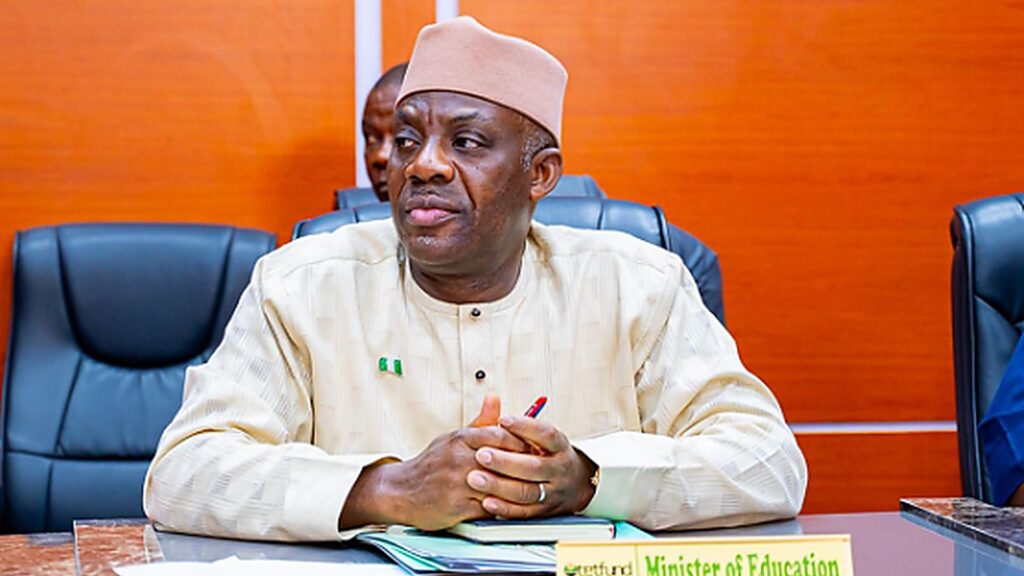
The decision to suspend the proposed fee increase was directed by the Minister of Education, Dr. Maruf Tunji Alausa.
According to the ministry, the minister instructed that the proposal should not proceed until extensive consultations had taken place with all relevant stakeholders.
Those expected to participate in the consultation process include:
- WAEC officials
- NECO management
- State Ministries of Education
- School proprietors
- Public and private school administrators
- Parents’ associations
- Organised labour
- Education policy experts
- Other relevant stakeholders
The objective is to develop a policy that is considered fair, transparent and economically sustainable while ensuring continued access to education for Nigerian students.
Rather than presenting the suspension as a reversal of policy, government officials have framed it as part of a broader effort to achieve consensus before implementing reforms that directly affect millions of households.
Why WAEC and NECO Matter to Nigeria’s Education System
WAEC and NECO remain two of Nigeria’s most important examination bodies.
The West African Examinations Council (WAEC) conducts examinations across several English-speaking West African countries, while the National Examinations Council (NECO) serves as Nigeria’s indigenous examination body responsible for administering the Senior School Certificate Examination and other national assessments.
Every year, millions of secondary school students sit examinations organised by these institutions, making registration fees a significant issue for families, schools and education administrators.
Because successful completion of these examinations is often required for admission into universities, polytechnics and colleges of education, any adjustment to registration costs has wide-ranging implications beyond the education sector alone.
What the Suspension Means for 2027 Candidates
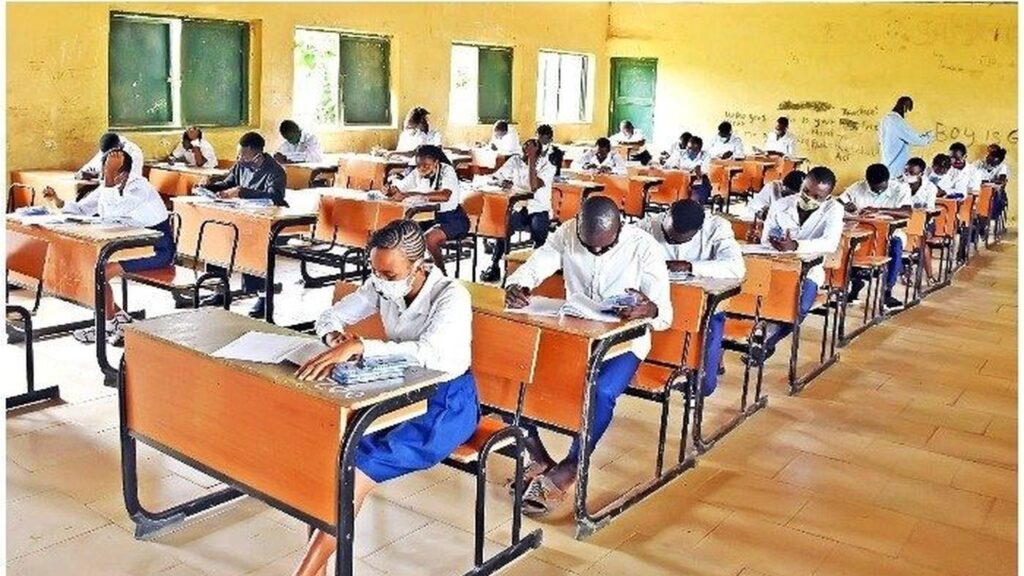
For students preparing to sit the 2027 WASSCE and NECO Senior School Certificate Examination, the government’s decision removes one immediate source of uncertainty.
Although the proposal to increase registration fees has not been permanently discarded, the Ministry of Education has made it clear that no fee adjustment will take effect until the consultation process has been completed and a final policy decision is reached.
This means candidates and their parents can continue planning for the next examination cycle based on the current fee structure unless the government announces otherwise after the review.
The suspension also gives schools more certainty as they prepare admission schedules, registration timelines and financial planning for students expected to write the examinations in 2027.
For many families, particularly those with multiple children in secondary school, postponing any increase in examination costs provides temporary financial relief during a period of sustained economic pressure.
Balancing Financial Sustainability with Educational Access
The debate surrounding examination fees reflects a broader policy challenge confronting many governments around the world: how to maintain the quality of public education while keeping it affordable.
Conducting nationwide examinations involves enormous operational demands. Examination papers must be printed securely, transported across thousands of centres, protected against malpractice and marked within strict timelines. In recent years, technological investments have also become increasingly important as examination bodies strengthen security measures and improve administrative efficiency.
These responsibilities inevitably increase operational costs.
At the same time, examination registration fees remain one of the most visible education expenses borne directly by parents and guardians.
Any significant increase can affect:
- Low-income households
- Rural communities
- Students from vulnerable backgrounds
- Families with several children writing examinations simultaneously
Education policy experts have long argued that while examination bodies require adequate funding to maintain standards, governments must also ensure that financial barriers do not prevent qualified students from completing their secondary education.
The Ministry’s decision to suspend the proposed review reflects an attempt to balance these competing priorities.
Stakeholder Engagement Takes Centre Stage
One of the strongest messages emerging from the government’s announcement is the emphasis on consultation rather than unilateral decision-making.
According to the Ministry of Education, the next phase of the review will involve extensive engagement with education stakeholders across Nigeria.
The planned consultations are expected to include discussions on:
- The actual cost of administering national examinations
- Alternative funding options
- The affordability of examination fees
- The financial realities facing Nigerian families
- Long-term sustainability for WAEC and NECO
Such consultations could also provide an opportunity for education stakeholders to recommend broader reforms beyond registration fees, including improvements in examination administration, technology adoption and candidate support.
The outcome may shape future education policy well beyond the 2027 examination cycle.
Why Public Opinion Influenced the Decision
The suspension highlights the growing influence of public engagement in Nigeria’s policymaking process.
Parents, school owners, labour groups and education advocates openly expressed concerns after reports emerged that registration fees could rise.
Many argued that introducing higher examination charges at a time of rising inflation would place additional strain on families already facing increased costs for transportation, school uniforms, textbooks and other educational expenses.
By responding to these concerns before implementing the proposal, the Ministry of Education signalled its willingness to incorporate public feedback into major policy decisions.
Although governments are not always able to accommodate every public demand, consultation can improve transparency and help build confidence in future reforms.
The Wider Economic Context
The proposed review did not emerge in isolation.
Nigeria continues to experience economic pressures that have affected both households and public institutions. Rising prices for fuel, transportation, printing materials, electricity and logistics have increased operational costs across multiple sectors, including education.
Public examination bodies are not immune to these economic realities.
Maintaining examination integrity requires substantial investment in secure printing, digital monitoring systems, personnel deployment and quality assurance.
Government officials therefore face the difficult task of ensuring these institutions remain financially sustainable without making examinations unaffordable for students.
The suspended proposal illustrates the tension between those two objectives.
A Decision Closely Watched by Schools
Private and public schools across Nigeria are expected to monitor the consultation process closely.
School administrators often begin preparing students for external examination registration months before official deadlines. Budgeting, parent communication and candidate documentation all depend on predictable registration costs.
By delaying any fee adjustment until after consultations, the Ministry has reduced uncertainty for schools currently planning ahead for future examination cycles.
However, administrators will also be watching for the outcome of the review, since any eventual decision could affect financial planning for both schools and parents.
How Other Countries Handle Examination Fees
Nigeria is not alone in facing the challenge of financing national examinations.
Across Africa and other parts of the world, governments adopt different models to balance the cost of administering public examinations with the need to ensure equitable access to education.
In some countries, governments heavily subsidise examination fees to reduce the financial burden on families, particularly for students in public schools. Elsewhere, candidates pay a larger share of the costs, with targeted support available for learners from disadvantaged backgrounds.
These approaches reflect a common policy dilemma: maintaining high examination standards while ensuring that financial barriers do not prevent students from completing their secondary education.
Although the Ministry of Education has not indicated whether it is considering alternative funding models, the forthcoming stakeholder consultations may provide an opportunity to examine practices adopted elsewhere and determine what best suits Nigeria’s educational and economic realities.
What Happens Next?
The Federal Ministry of Education has made it clear that the suspension is not the end of the conversation.
Instead, it marks the beginning of a broader review process intended to produce a more balanced and widely accepted policy.
According to the ministry, consultations will involve examination bodies, state ministries of education, school proprietors and administrators, parents’ associations, organised labour, education stakeholders and other critical partners.
The outcome of those discussions could lead to:
- A revised fee proposal.
- Alternative funding mechanisms.
- Retention of the current fee structure.
- New government interventions to support examination bodies.
At this stage, however, no timetable has been announced for completing the consultation process or unveiling any revised policy.
Until then, the proposed increase remains suspended.
Government Reaffirms Commitment to Education
While announcing the suspension, the Ministry of Education reiterated that the welfare of students and access to quality education remain central to the Federal Government’s education agenda.
Officials also thanked parents, students and education stakeholders for their patience and constructive feedback, promising to keep the public informed throughout the review process.
The statement reflects an effort to reassure Nigerians that future decisions will be guided not only by economic considerations but also by the need to preserve educational opportunities for all eligible candidates.
For many observers, the announcement demonstrates that public engagement can play an important role in shaping policies that directly affect millions of citizens.
Why This Decision Matters Beyond Examination Fees
The suspension of the proposed WAEC NECO Fee Hike extends beyond the issue of registration costs.
It highlights the broader challenge facing policymakers as they seek to reform essential public services in an environment of rising operational expenses and economic uncertainty.
For students and parents, the immediate impact is clear: there will be no increase in WAEC and NECO registration fees for now, allowing families to continue preparing for the 2027 examination cycle without the burden of unexpected additional costs.
For government, the decision underscores the importance of balancing fiscal sustainability with public confidence.
For education authorities, it reinforces the need to maintain examination credibility while ensuring that access to secondary education is not restricted by financial constraints.
Ultimately, the consultation process announced by the Ministry of Education will determine whether a future adjustment is considered necessary and, if so, how it can be implemented in a manner that is transparent, equitable and widely accepted.
Conclusion
The Federal Government’s decision to suspend the proposed WAEC NECO Fee Hike represents a significant policy pause rather than a final resolution.
By choosing consultation over immediate implementation, the Ministry of Education has acknowledged the concerns raised by parents, students, schools and other education stakeholders while creating room for a more inclusive review of examination funding.
As Nigeria prepares for the 2027 WASSCE and NECO examination cycle, millions of candidates can proceed with greater certainty, knowing that registration fees will remain unchanged until the consultation process is concluded.
The coming months will reveal whether the review results in a revised proposal, alternative funding arrangements or the retention of the current fee structure. Whatever the outcome, the process is likely to shape future education policy and influence how examination financing is managed in one of Africa’s largest education systems.
Key Takeaways
- The Federal Government has suspended the proposed increase in WAEC and NECO registration fees for the 2027 examination cycle.
- The decision followed widespread public concerns over the planned adjustment.
- The Ministry of Education says rising operational costs initially prompted the proposed review.
- Extensive consultations will be held with WAEC, NECO, state education ministries, school proprietors, parents’ associations, organised labour and other stakeholders.
- No increase in examination registration fees will take effect until the consultation process is completed and a final policy decision is announced.
- The suspension provides temporary financial relief for millions of Nigerian students and their families as preparations for the 2027 examinations continue.
Recommended Coverage
Free Public Library Brings New Hope to Irete Students
Education goes beyond examination fees. Discover how one community is expanding learning opportunities by giving students free access to books, study resources and a conducive environment for academic success.
Nigeria’s Economy: The Tinubu Administration — Progress or Crisis?
Rising examination costs are closely linked to Nigeria’s economic realities. Read our in-depth analysis of the country’s economy and why government policies continue to affect families, education and the cost of living.
FAAC Allocation Hits ₦2.257 Trillion in April
As governments debate funding for education and other public services, explore how Nigeria’s revenue is shared and why public finances matter in decisions affecting students and parents.
About the Author