INTRODUCTION
Nigeria’s public affairs agenda over the 24 hours covered by this edition has been shaped by questions of civilian protection, public safety, energy supply, labour negotiations and the preservation of the country’s cultural history. The developments are different in character, but each raises a question about what the available evidence establishes, which institutions are responsible for the next steps and how the public can assess the outcome.
In Benue State, the Senate called for stronger security operations and investigations following reports of deadly attacks in several communities. In Rivers State, police confirmed a boat incident in Kula Kingdom, while the reported death toll and accounts of what happened remained unresolved in the reporting reviewed.
Figures attributed to Nigeria’s downstream petroleum regulator also indicated a substantial rise in domestic petrol receipts between July and August 2026, alongside a decline in imports. However, those figures do not, by themselves, establish whether fuel became more affordable or more readily available across the country. Meanwhile, the Nigeria Labour Congress extended its ultimatum to the Federal Government until 27 October, keeping disputes over petrol prices, wages and other commitments on the negotiating table.
The edition also records the death of veteran Nollywood actor Francis Duru, whose career forms part of Nigeria’s film history.
This Nigeria news review examines these five developments in their approved order, distinguishing reported claims from established facts and announcements from evidence of implementation. Across security, economic policy, labour relations and culture, the central concern is not simply what was reported, but what can be verified and what remains to be done.
STORY 1
Benue Security Response: Senate Calls for Stronger Protection After Reported Killings
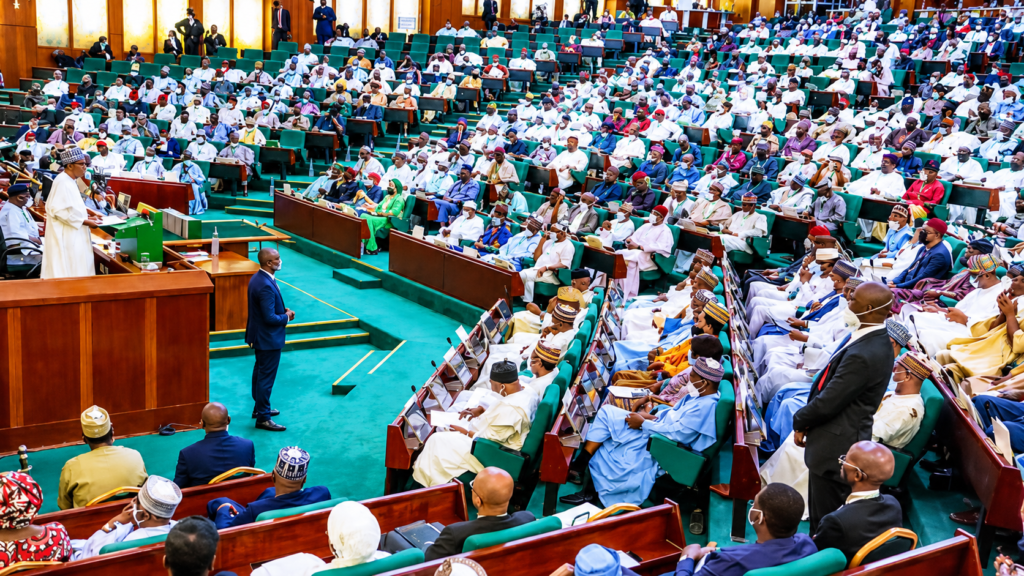
Nigeria’s Senate has called for stronger security operations and investigations following reports of deadly attacks across several communities in Benue State. The intervention places renewed attention on the protection of vulnerable communities, the verification of reported casualties and the responsibilities of executive authorities and security agencies.
During a Senate motion, Senator Emmanuel Memga Udende cited a combined death toll of 113 people across four reported attacks. The figure remains attributed to the motion and has not been independently reconciled in the reporting reviewed. It should therefore not be treated as a final, independently confirmed casualty total.
The breakdown cited during the motion was 24 people reportedly killed in Sai community, Katsina-Ala Local Government Area; 63 in Bom and Aboajio villages, Ukum; 15 in Ayilamo, Logo, including six Mobile Police personnel; and 11 in Tse Biliji and Tse Shishi Nyako villages, also in Ukum. The last incident was dated 8 October in the report.
The figures provide a picture of the scale of the attacks as presented to lawmakers. However, a reliable overall account requires the individual incidents to be checked against relevant records, with the chronology, casualty totals and circumstances of each attack established as far as possible. The supplied account does not resolve those questions.
From a legislative demand to an operational response
The Senate called on the Federal Government and security leadership to strengthen deployments, intelligence gathering, early-warning arrangements and rapid response. It also urged investigations, prosecution where warranted, and humanitarian assistance for affected residents.
These demands identify several areas of responsibility. Security agencies and relevant executive authorities would need to establish what operational measures are being taken, while investigations must determine what happened and whether individuals should face prosecution. Humanitarian authorities, including the National Emergency Management Agency and state emergency authorities, were also identified in the call for assistance.
The distinction between a legislative demand and an implemented measure is central to assessing the response. A motion can place an issue on the public agenda and call for action, but it does not establish that new deployments have occurred, investigations have progressed or relief has reached affected families.
The reporting reviewed did not confirm the delivery of relief to all affected residents. Nor did it establish the status of investigations or provide evidence of measurable changes in the protection of the communities named.
For residents, the consequences of attacks extend beyond the casualty figures. Personal safety, bereavement, disrupted livelihoods and possible displacement are among the practical concerns identified in the source. These consequences make accurate incident records and an effective response important, but they do not remove the need to verify the details.
What should be established next?
The immediate questions are whether the reported deaths can be reconciled against incident-level records, whether a full chronology can be established, what investigations have been initiated or completed, and what security measures are being implemented to protect vulnerable communities.
The delivery of humanitarian assistance is another question requiring evidence. The Senate’s call for relief establishes what lawmakers requested; it does not prove that assistance has been distributed or that every affected family has received support.
The Benue security response will therefore need to be assessed through verifiable actions and outcomes rather than the announcement of demands alone. Relevant evidence would include a clearer account of the attacks, information about investigations, details of measures taken by responsible authorities and confirmation of assistance delivered.
The Senate’s intervention has brought these matters into legislative discussion. Whether it leads to measurable improvements in civilian protection remains unresolved in the supplied reporting.
STORY 2
Rivers Boat Tragedy: Death Toll and Responsibility Remain Unresolved
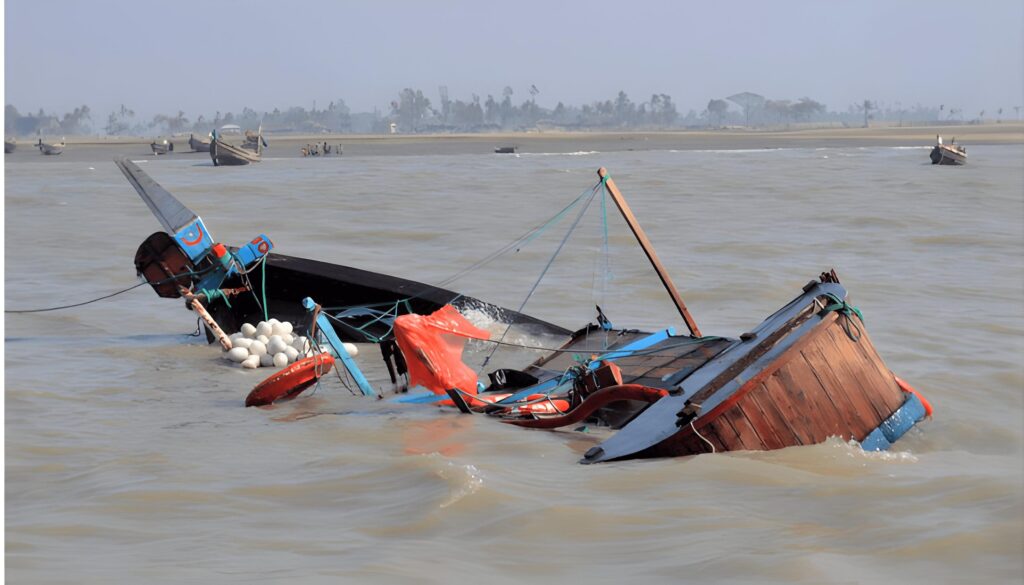
A boat incident in Kula Kingdom, Akuku-Toru Local Government Area of Rivers State, has raised questions about casualty reporting, the circumstances of the incident and the responsibilities of the parties involved. The Rivers State Police Command confirmed that an incident occurred and said its circumstances were being investigated.
Community sources reported that 10 people died. However, the reporting reviewed did not establish a final casualty count confirmed by police. The distinction is important: confirmation that an incident occurred does not automatically establish the final number of fatalities or resolve competing accounts of how the incident happened.
The incident was reported amid tensions surrounding the proposed retrieval of the Anambra Basin floating storage and offloading vessel, known as the FSO. The vessel is owned by Max Shipping Services Limited. The wider dispute has also involved community concerns about alleged oil pollution and demands for remediation and compensation.
Community representatives alleged that a boat carrying residents capsized during a confrontation. Max Shipping denied responsibility and identified Menal Technical Services Limited as the hirer of the vessel.
These are materially different accounts of the circumstances and potential responsibilities. The supplied reporting does not contain a final investigative finding reconciling them. The cause of the incident, the confirmed death toll and any legal responsibility therefore remain unresolved.
Why the competing accounts matter
The relationship between the vessel’s owner and the company identified as its hirer may be relevant to understanding the operation and the responsibilities of the parties. But the existence of a contractual relationship does not, by itself, establish who was responsible for the boat incident.
A credible investigation would need to establish the sequence of events, examine relevant vessel and operational records, and reconcile the available accounts. It would also need to confirm the casualty count through reliable records.
Environmental concerns form a related but distinct part of the wider dispute. Community concerns about alleged oil pollution and demands for remediation and compensation require appropriate documentary or regulatory evidence. They should not be treated as proof that pollution occurred in the manner alleged.
Reports also said community members protested and sought answers from the Rivers State Government. A state official was reported to have expressed sympathy and promised an investigation. Those reported responses do not amount to a final finding about the incident or its cause.
The public interest is therefore not served by choosing between competing accounts before the evidence has been established. Equally, the existence of an investigation should not be treated as proof that all relevant questions have been answered.
The public-safety and accountability questions
For affected families and the Kula community, the immediate need is a reliable account of what happened. That includes a confirmed casualty count, a clear chronology and findings that address the accounts of those involved.
The investigation must also distinguish factual findings from allegations of responsibility. If relevant operational records or contractual arrangements help establish what happened, their role should be explained through evidence rather than assumption.
The Rivers boat tragedy remains an unresolved public-safety matter in the reporting supplied for this edition. The community-reported figure of 10 deaths must remain qualified until a final, reliable casualty count is established. Max Shipping’s denial must also remain part of the account while the competing claims await reconciliation.
The same standard applies to the environmental concerns surrounding the wider dispute. Appropriate evidence is required before allegations of pollution or responsibility can be presented as established findings.
The next meaningful development would be a credible account from the investigation that clarifies the circumstances, confirms the casualty count and addresses the relevant questions of responsibility. Until then, careful attribution and transparent reporting remain essential.
STORY 3
Nigeria Petrol Supply: Domestic Receipts Rise as Imports Decline
Figures attributed to the Nigerian Midstream and Downstream Petroleum Regulatory Authority and reported by TheCable indicate a change in Nigeria’s reported petrol supply mix between July and August 2026. Domestic petrol receipts rose during the period, while reported imports declined. The figures offer information about part of the supply chain, but they do not, on their own, establish whether petrol became cheaper or more readily available to consumers.
Reported domestic receipts increased from an average of 25.8 million litres per day in July to 35.9 million litres per day in August. That represents an increase of about 39 per cent. Over the same period, reported petrol imports fell from 19.7 million litres per day to 14.6 million litres per day.
The report also put Dangote Refinery’s average capacity utilisation at 105.21 per cent. It listed Nigeria’s three Nigerian National Petroleum Company Limited refineries as not producing. Reported petrol stock cover stood at 22.9 days against a 30-day benchmark cited in the report.
These figures describe different parts of the energy supply system. Their significance depends on what each measure captures and what additional information is available to explain it.
Understanding what the figures measure
Domestic receipts are not necessarily equivalent to refinery output, national consumption or the quantity of petrol available at individual filling stations. Likewise, a reported stock-cover figure is not a direct measure of retail availability.
The reported rise in domestic receipts, alongside a fall in imports, suggests a change in the composition of reported supply. However, the figures alone do not establish how consistently petrol was distributed across Nigeria or whether consumers experienced lower prices.
The capacity-utilisation figure also requires careful treatment. The report placed Dangote Refinery’s average utilisation at 105.21 per cent, but the calculation behind that figure needs to be checked against the original regulatory factsheet. Without that examination, the reported number should not be used to draw a broader conclusion about refinery performance beyond what the source establishes.
The same caution applies to the reported status of the three NNPCL refineries and the stock-cover figure. These are important details in the account of the supply system, but they do not answer every question about national consumption, distribution or retail-market conditions.
The original regulatory factsheet is needed to examine the figures directly and clarify their definitions and calculation methods. That would help readers understand precisely what was measured and how the figures relate to one another.
Why supply figures do not settle the affordability question
For motorists, transport operators and businesses, the practical question is whether petrol can be obtained reliably at a price they can afford. The reported supply figures are relevant to that question, but they cannot answer it alone.
Assessing affordability requires comparable retail-price data. Assessing availability requires evidence about distribution across different regions and whether fuel is reliably reaching filling stations. Those measures are different from domestic receipts, imports and stock cover.
The distinction matters because an increase in one part of the supply chain should not automatically be presented as proof of a benefit at the consumer end. The supplied reporting does not establish that petrol became cheaper across Nigeria or that access improved in every region between July and August.
Similarly, the reported figures should not be used to claim that a particular policy has succeeded or failed. Such a conclusion would require evidence about the relevant objectives, implementation and results.
What the petrol figures establish—and what remains unknown
The Nigeria petrol supply figures indicate that reported domestic receipts increased by about 39 per cent between July and August 2026, while reported imports declined. The report also provided figures on refinery capacity utilisation, the operating status of NNPCL refineries and petrol stock cover.
What the figures do not establish on their own is whether retail prices fell, whether supply was more reliable in different parts of the country, or whether consumers experienced a measurable improvement in affordability.
The next step is to examine the original regulatory factsheet, verify the calculation behind the reported refinery capacity-utilisation figure, and compare the supply data with retail prices and regional distribution evidence.
Until those checks are completed, the most defensible conclusion is limited: the reported supply mix changed between July and August, but the practical effects for consumers require further evidence.

STORY 4
Nigeria News Review: NLC’s 27 October Deadline Puts Labour Demands Back on the Table
The Nigeria Labour Congress has extended its ultimatum to the Federal Government until 27 October after negotiations on 22 October reportedly ended without an agreement. The deadline keeps disputes over petrol prices, minimum-wage renegotiation, tax-relief measures and outstanding labour issues on the negotiating table.
The dispute began with a two-week ultimatum issued on 8 October. When that deadline expired without a reported resolution, the union set a new deadline. The next scheduled meeting, on 27 October, is therefore the key confirmed step identified in the supplied reporting.
Labour’s reported demands include reducing petrol prices to levels prevailing in 2024, renegotiating the national minimum wage, implementing agreed tax-relief measures and resolving outstanding issues involving the Joint Health Sector Unions and the Joint Public Sector Negotiating Council.
These demands cover several distinct issues. They concern the cost of living, wage arrangements, tax-related commitments and unresolved matters affecting public-sector workers. Each requires its own assessment of what has been requested, agreed, implemented or left outstanding.
Labour’s account of the negotiations
According to the NLC’s account, the government delegation at the latest meeting lacked the authority to negotiate substantively. This remains labour’s characterisation of the meeting. A detailed response from the Federal Government was not established in the reporting reviewed.
That distinction matters when assessing the state of negotiations. The union’s account explains its position, but it does not independently establish the government delegation’s authority or the reasons an agreement was not reached. A fuller account would require a detailed response from the government and information about any commitments made during the meeting.
The NLC and the Trade Union Congress were reported to have directed their affiliates and state councils to prepare for possible action if negotiations failed. However, the reports reviewed did not establish that a new nationwide strike had been formally declared.
Preparation for possible action and a formally declared strike are not the same thing. The article must therefore avoid presenting industrial action as an established outcome.
Separating demands, commitments and implementation
The labour dispute includes issues that should not be treated as interchangeable. Renegotiating the national minimum wage is not the same as concluding a new agreement. A commitment to provide tax relief is not the same as a measure being implemented. Outstanding public-sector agreements must be assessed against the relevant documents and their implementation status.
The same distinction applies to the demand concerning petrol prices. The NLC’s reported position is that prices should be reduced to levels prevailing in 2024. The supplied report establishes this as a labour demand, not as a government decision or a completed price change.
For workers and households, the issues relate to purchasing power, transport expenses and the cost of daily living. If industrial action is formally authorised, public services could also be affected. These remain possible consequences rather than confirmed outcomes in the supplied account.
The questions for the next round of talks are whether the parties reach an agreement, what commitments are made and how implementation can be assessed. Clear documentation would help distinguish a negotiated undertaking from a completed action.
What to watch on 27 October
The meeting scheduled for 27 October is the next confirmed step identified in the reporting. Its outcome should clarify whether negotiations have produced an agreement and which issues, if any, remain unresolved.
For the public, the key measures are not merely the announcement of talks or the extension of a deadline. They are the terms of any agreement, the status of outstanding commitments and evidence of implementation.
This Nigeria news review does not establish that the labour dispute will result in a strike or that the government will accept the union’s demands. Both would go beyond the evidence supplied. The defensible conclusion is that negotiations remain unresolved in the reported account and that the new deadline creates another opportunity for the parties to clarify their positions.

STORY 5
Nigeria News Review: Francis Duru’s Death and His Place in Nollywood History
Nigerian actor Francis Duru has died at the age of 57, according to an announcement by his family in the early hours of Friday, 23 October. Reports also attributed confirmation to the Actors Guild of Nigeria. His death brings renewed attention to his screen career and the importance of preserving an accurate record of Nigerian film history.
The family described his death as following a “brief illness”. No specific diagnosis has been established in the supplied reporting, and no further medical explanation should be inferred from that wording. Details about private medical matters should not be expanded beyond what the family or reliable sources have confirmed.
A profile published by the Nigerian Copyright Commission records Missing Mark in 1989 among Duru’s early screen credits and highlights his role as Ahanna in Rattlesnake. These details provide a starting point for documenting his screen career, but they should not be treated as a complete filmography.
The profile also lists selected professional milestones, including an interim leadership role in the Actors Guild of Nigeria and awards associated with his work. Individual credits and award records require verification before they are presented as a comprehensive account of his professional achievements.
Preserving an accurate professional record
A public figure’s death often brings attention to career milestones, past performances and professional contributions. In Duru’s case, the available information identifies particular screen credits and professional milestones, but it does not provide a fully verified biography.
A responsible account should therefore distinguish documented credits from tributes, recollections and unconfirmed claims. Where a film credit or award is mentioned, the underlying record should be checked. Where a detail has not been established, it should not be presented as fact merely because it appears in a tribute or online discussion.
The same standard applies to reports about his death. The family’s description of a “brief illness” does not establish a specific diagnosis. Nor does the supplied account establish funeral arrangements. Further information about those arrangements should be published only when confirmed by the family or a reliable source.
This approach does not diminish the significance of remembering an actor’s work. It helps ensure that the record of that work remains accurate and useful to audiences, researchers and future generations interested in Nigerian film.
Francis Duru’s place in Nigerian film
Duru’s role as Ahanna in Rattlesnake, identified in the Nigerian Copyright Commission profile, is one of the specific screen contributions highlighted in the supplied account. The reference to Missing Mark in 1989 also offers a documented starting point for examining his career.
A fuller account would require verification of his filmography, awards and professional milestones. Those checks are necessary before drawing broad conclusions about the full scope of his career or describing particular achievements as definitive.
The central development remains the family’s announcement of his death at age 57. His professional work provides the context for remembering him, while the available facts set the limits of what can responsibly be reported at this stage.
In this Nigeria news review, the story also illustrates a wider responsibility in cultural journalism: preserving public records accurately. Remembering a Nigerian screen professional involves more than repeating tributes. It means documenting confirmed work, distinguishing verified milestones from unconfirmed claims, and respecting the boundary between public information and private medical matters.

CONCLUSION
The five developments in this edition reveal different questions facing Nigeria’s institutions, communities, consumers and cultural life. They do not establish one common cause, but each demonstrates why public understanding depends on clear evidence, fair attribution and scrutiny of what happens after a demand or announcement is made.
In Benue State, the Senate’s call for stronger security and humanitarian assistance needs to be followed by verified information about investigations, relief and measures to protect vulnerable communities. In Rivers State, the public still needs a confirmed casualty count and a credible account of the boat incident. Competing accounts and allegations must remain qualified until evidence reconciles them.
The petrol figures offer insight into a reported change in supply between July and August, but they do not establish cheaper fuel or improved availability for every consumer. The NLC’s extended deadline creates another opportunity for negotiations, with the terms and implementation of any commitments still to be established. In culture, the death of Francis Duru underlines the importance of maintaining an accurate record of Nigerian film and its practitioners.
The central lesson of this Nigeria news review is the difference between a reported development and a verified outcome. Public institutions must be assessed through evidence of action, economic figures must be interpreted according to what they measure, and disputed claims must remain distinct from established findings.
The questions to watch are therefore concrete: what authorities confirm, what investigations establish, what negotiators agree and what the public can verify about implementation. Clear reporting and responsible scrutiny help move these stories beyond headlines towards a fuller understanding of Nigerian public life.
RECOMMENDED ARTICLES
Continue Reading on DSG HERALD NEWS
1. Nigeria News Review: Safety, Policy and Accountability
Explore the major security concerns, government policy decisions and accountability questions shaping Nigeria’s public affairs. Read the review for a closer look at the issues affecting citizens and national governance.
2. Africa News Review: Ebola, Abyei and Investment Risks
Discover the key African developments involving public health, regional tensions and investment uncertainty. This review examines important stories and their wider implications for communities, governments and economic prospects across the continent.
3. Global News Analysis: Cybersecurity, Jobs and AI
Explore how cybersecurity threats, changing employment patterns and artificial intelligence are shaping the global landscape. This analysis considers the wider implications of technological change for workers, businesses and the digital economy.
DSG HERALD NEWS — Independent reporting, informed perspectives and stories that matter.
About the Author