Introduction
Africa’s major developments are shaped not only by the events themselves, but also by how governments and institutions respond to them. This Africa news review examines four significant stories covered during the reporting period from 21 to 22 October 2026: Nigeria’s response to an imported Ebola Bundibugyo virus disease case, a reported deadly drone strike on a market in Abyei, the African Union’s initiative to address factors contributing to Africa’s investment risk premium, and South Africa’s planned reductions in fuel levies.
The stories involve different countries, institutions and challenges. Nigeria’s immediate priority was contact tracing and public-health surveillance. In Abyei, the reported loss of life underscored the need for civilian protection and credible investigation. The African Union’s initiative raised questions about how structural reforms might improve investment conditions, while South Africa’s fuel-levy announcement presented a test of whether planned economic relief would translate into measurable benefits for consumers.
Across the four developments, a common editorial principle is essential: announcements, reported figures and intended outcomes must be distinguished from independently established results. The following report examines what was known during the review period, why each development mattered, and what remained unresolved.
Main daily Africa news report
Story 1: Nigeria Ebola case: Health authorities identify 44 contacts
Nigeria’s public-health authorities faced a containment challenge after an imported case of Ebola Bundibugyo virus disease was confirmed in the Federal Capital Territory. At the time of the World Health Organization’s announcement, health authorities had identified 44 contacts for monitoring.
The case was confirmed through laboratory testing on 20 October 2026. According to the World Health Organization (WHO), the patient was a woman with a recent travel history to Uganda. She developed symptoms on 7 October and sought treatment at a private health facility in Abuja on 11 October.
The patient had been isolated and was receiving medical care. Infection-prevention measures were also being strengthened at the facility where she sought treatment.
The identification of 44 contacts was an important step in the response, but it did not establish that monitoring had been completed or that further infections had been ruled out. The outcome of contact tracing remained central to determining whether the infection had spread beyond the confirmed case.

What the 44 contacts mean for Nigeria’s Ebola response
Contact tracing helps health authorities identify people who may have been exposed to an infected person and assess whether they develop symptoms. The process can help guide monitoring, follow-up and decisions about additional public-health measures.
However, the number of contacts identified is not the same as the number of people infected. Nor does identifying those contacts, by itself, prove that an outbreak has been contained.
For Nigeria, the next important evidence would be information on the progress and outcome of monitoring, the patient’s condition, and whether any additional cases were confirmed. The source material for this edition did not establish those subsequent outcomes.
The case was reported against the background of a wider outbreak of Bundibugyo virus disease associated with the Democratic Republic of the Congo, as described in the WHO’s wider outbreak situation report. That wider context highlighted the importance of laboratory readiness, effective surveillance and cross-border information-sharing.
The patient’s travel history also required careful interpretation. Although she had travelled through Uganda, that fact alone did not establish where she contracted the virus. Determining the likely source of infection requires evidence beyond a travel history.
At the close of the reporting period, the position presented in the supplied newsroom material was one confirmed imported case and 44 identified contacts. Wider community transmission in Nigeria had not been established by the reporting reviewed for this edition.
The next phase of the response depended on further verified information from Nigerian health authorities and public-health partners.
Why it matters: The Nigeria Ebola case demonstrates why early identification, isolation, contact tracing and transparent communication are important components of a public-health response. The effectiveness of those measures must be assessed through subsequent evidence, not assumed from the initial response.

Story 2: Abyei market drone strike: At least 153 deaths reported, responsibility disputed
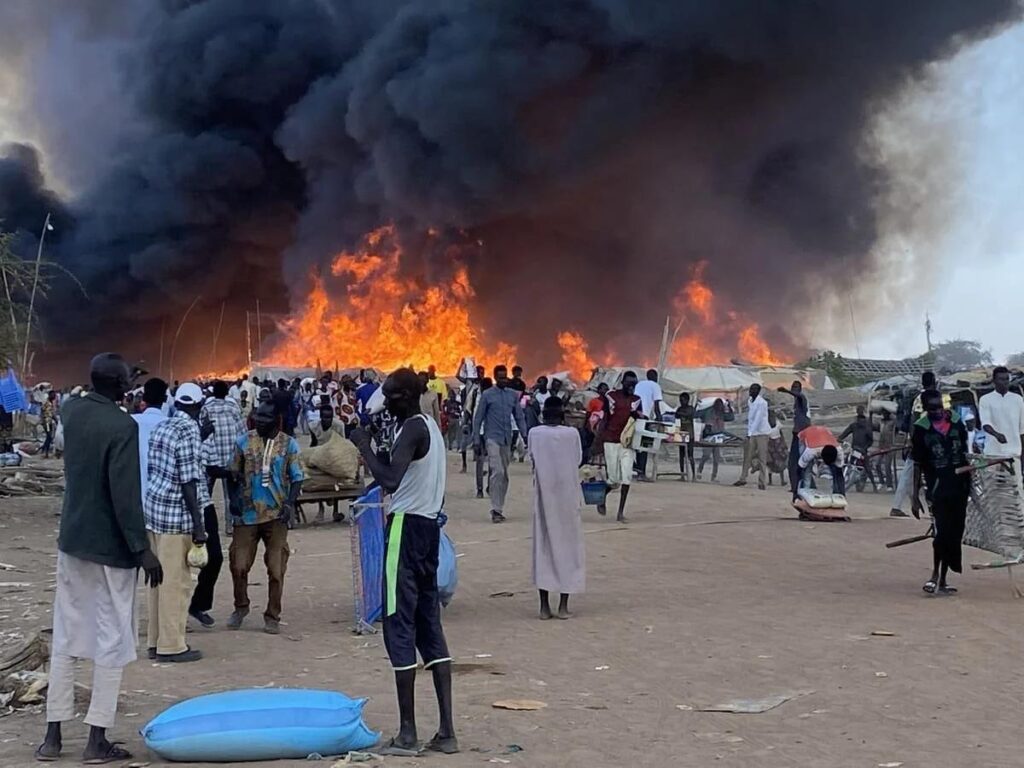
A drone strike on Amiet Market in Abyei was linked to a reported death toll of at least 153 people following an attack on 19 October 2026. The figure was reported by a local official and had risen from an earlier estimate of 73.
Abyei is a disputed territory between Sudan and South Sudan. The reported scale of the casualties raised serious concerns about civilian protection and the humanitarian consequences of the conflict.
Markets are important centres of trade and local livelihoods. An attack in such a setting can affect traders, families and communities that depend on the movement of goods and access to everyday necessities. Accounts of the incident also described extensive fire damage and serious injuries among survivors.
The Associated Press reported that Médecins Sans Frontières, also known as Doctors Without Borders, was treating injured people at Ameth Bek Hospital. United Nations peacekeeping forces were also reported to have assisted with medical support and firefighting.
Why responsibility for the Abyei strike remains unresolved
Accounts of responsibility for the attack remained disputed during the reporting period.
Abyei official Yohanna Akol Ngor blamed Sudan’s military. The Associated Press also reported an account from a Sudanese military officer who said the intended target was fuel tankers believed to be associated with the Rapid Support Forces, or RSF.
That account did not independently establish how the attack unfolded, how the reported casualties occurred, or whether the strike complied with international humanitarian law.
Reuters reported extensive fire damage visible in satellite imagery. Such imagery can help document the physical impact of an incident, but damage visible from above cannot, by itself, establish a final death toll or determine who ordered or carried out an attack.
The reported figure of at least 153 deaths must therefore remain attributed to the local official unless a reliable independent assessment establishes the final toll. The competing accounts of responsibility also require careful treatment rather than being presented as settled findings.
The attack took place amid Sudan’s prolonged war, which began in April 2023. The wider conflict provides important context for the security environment, but it does not resolve the specific questions surrounding the Amiet Market strike.
The outstanding priorities included a credible casualty assessment, reliable findings about responsibility, and continued medical and humanitarian assistance for survivors and affected families.
Why it matters: The Abyei strike illustrates the importance of distinguishing reported casualty figures from independently verified counts, and allegations from established findings. The reported loss of life makes civilian protection and credible investigation central issues, regardless of the unresolved dispute over responsibility.
Story 3: African Union advances De-risking Africa programme to address investment risks
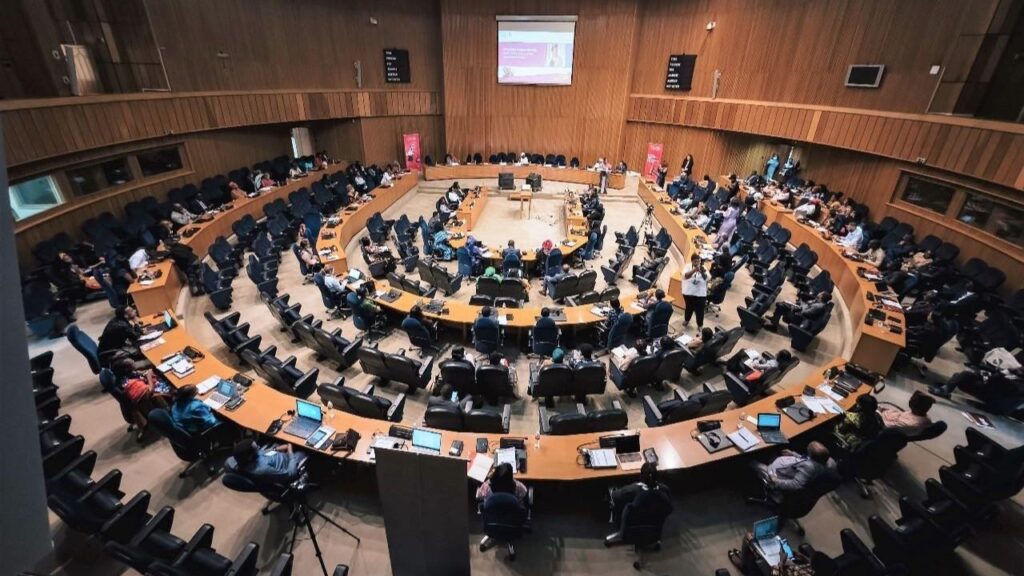
The African Union reported progress on an initiative intended to address structural factors contributing to Africa’s investment risk premium. Announced on 21 October 2026, the “De-risking Africa” agenda focuses on conditions that can influence how investors assess risk and how much governments and businesses pay to obtain financing.
The programme followed a July 2026 decision by the AU’s specialised technical committee on finance, monetary affairs, economic planning and integration. That committee mandated the African Peer Review Mechanism, known as APRM, and its partners to develop and implement the initiative.
A high-level roundtable in Balaclava, Mauritius, brought together the African Union Commission, APRM, the United Nations Economic Commission for Africa, the United Nations Office of the Special Adviser on Africa, the African Development Bank, Afreximbank and the African Association of Multilateral Finance Institutions. The AU also published a roundtable summary on investment risk and AfCRA.
According to the AU, discussions identified priority areas for collaboration and laid the groundwork for further consultations on programme design, country engagement, governance and implementation.

What the African Union wants to change
The programme’s proposed priority areas include governance, fiscal and debt management, data quality, policy communication and institutional capacity.
These factors can influence how investors assess an economy. Investors consider not only a country’s headline credit rating, but also whether its public finances are sustainable, economic data are reliable, policies are predictable and institutions can implement decisions effectively.
Where investors perceive greater uncertainty or risk, they may demand higher returns or impose less favourable financing terms. Improving institutional performance and the reliability of economic information may therefore form part of a broader effort to improve investment conditions.
However, the initiative’s announcement does not establish that Africa’s borrowing costs have already fallen or that additional investment has been generated. Those outcomes would require evidence from implementation and subsequent economic data.
De-risking Africa and AfCRA are related but different initiatives
The African Union’s wider de-risking programme is related to, but distinct from, the Africa Credit Rating Agency (AfCRA), which the AU officially launched on 7 October 2026.
AfCRA is intended to provide independent, Africa-focused credit-risk assessments that complement existing international rating agencies. The De-risking Africa programme, by contrast, seeks to address some of the structural conditions that influence how investment risk is assessed.
In simple terms, a credit-rating agency assesses credit risk, while a de-risking programme seeks to improve some of the conditions behind that risk. Their purposes may complement one another, but they should not be treated as a single initiative.
The implementation test
The programme’s effectiveness will depend on clearly defined responsibilities, country participation, transparent financing arrangements, measurable objectives and independent evaluation.
The AU material reviewed for this edition did not establish a confirmed programme budget, a complete implementation timetable or independently measured outcomes. Those gaps limit what can yet be concluded about its practical effects.
The next developments to watch are the publication of a detailed framework, confirmation of institutional commitments, financing arrangements and indicators that can demonstrate whether investment conditions are improving.
Why it matters: The African Union investment-risk initiative addresses a challenge relevant to African governments and businesses seeking financing. Its significance, however, will ultimately depend on whether the proposed institutional and policy measures translate into measurable improvements rather than remaining an announced ambition.
Story 4: South Africa fuel-levy relief: Rand weakens as government prepares temporary cuts
South Africa announced temporary fuel-levy reductions intended to ease pressure on consumers, as the rand weakened in early trading on 22 October 2026.
Reuters reported that the currency was trading at approximately 16 rand and 45 cents to the US dollar at 06:49 Greenwich Mean Time, around half a per cent weaker than its previous close. Investors were weighing rising oil prices alongside the government’s Medium Term Budget Policy Statement.
The exchange rate was a snapshot from one trading session. It did not, by itself, establish a longer-term currency trend or prove that a particular government decision had caused the movement.
On 21 October, Finance Minister Enoch Godongwana announced temporary fuel-levy reductions intended to cushion consumers against higher fuel costs.
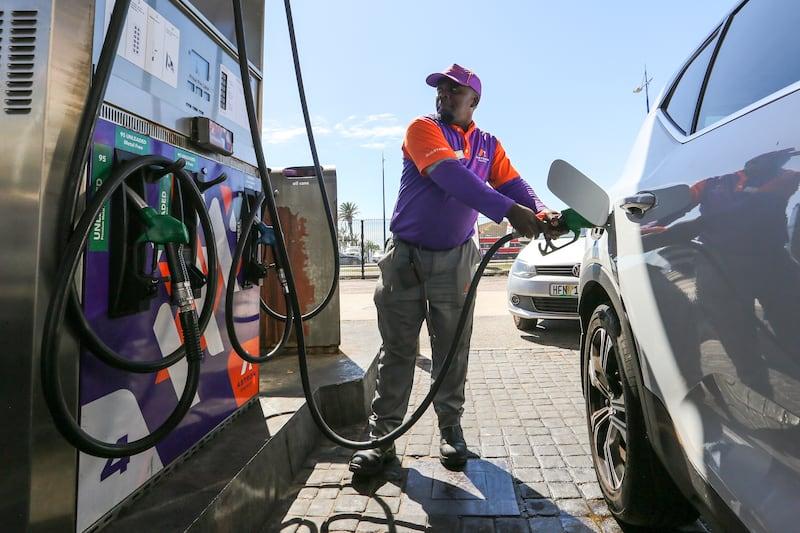
South Africa’s planned petrol and diesel levy reductions
According to the South African Government News Agency, the first phase was scheduled to run from 4 November to 1 December 2026.
Under that phase, the diesel levy was scheduled to fall by three rand per litre, while the petrol levy was scheduled to fall by one rand and fifty cents per litre.
A second phase was scheduled to continue at lower rates until 5 January 2027. During that phase, the reduction was set at one rand and fifty cents per litre for diesel and one rand per litre for petrol.
The government estimated the intervention at approximately ten billion rand and described a funding arrangement involving the Central Energy Fund and the National Revenue Fund.
These were announced measures with future implementation dates. At the close of the reporting period, the reductions had not yet reached their scheduled start date. It would therefore have been premature to claim that the cuts had already lowered pump prices or delivered measurable savings to households.
What the fuel-levy relief could mean for consumers
Fuel prices can influence transport expenses, production costs and household budgets. Temporary levy reductions are intended to cushion some of that pressure, but their actual benefit depends on implementation and how the changes are reflected in retail fuel prices and other costs.
The policy also has implications for public finances. The estimated cost of the intervention needs to be considered alongside the relief it ultimately delivers to consumers.
The key questions were whether the first phase would take effect as scheduled on 4 November, how retail fuel prices would respond, and what subsequent evidence would reveal about the cost to public finances and the relief received by households.
The rand’s movement and the government’s fuel-levy announcement occurred within the same broader economic environment, but the material reviewed for this edition did not establish a direct causal relationship between them.
Why it matters: South Africa’s planned fuel-levy relief offered a test of how temporary economic measures translate into consumer benefits. The decisive evidence would be implementation, changes in fuel prices and the resulting effect on households—not the announcement alone.

Conclusion: Africa news review highlights the importance of evidence and delivery
This Africa news review has examined four developments with different causes and consequences: Nigeria’s response to an imported Ebola case, the reported deadly strike on a market in Abyei, the African Union’s effort to address structural investment risks, and South Africa’s planned fuel-levy reductions.
They do not constitute one shared continental crisis. Each presents a distinct test of institutional performance and accountability.
In Nigeria, the next important evidence concerns the outcome of contact tracing. In Abyei, the priorities remain a credible casualty count, an assessment of responsibility and assistance for survivors. For the African Union, the challenge is to turn its de-risking agenda into measurable improvements in investment conditions. In South Africa, the test is whether the announced fuel relief is implemented and delivers demonstrable benefits to consumers.
Across these stories, the distinction between commitments and results remains essential. Identifying contacts does not mean monitoring is complete. A reported death toll is not automatically an independently verified count. An announced programme does not prove that financing has become cheaper, and a planned levy reduction does not establish that motorists have saved money.
Understanding Africa’s changing political, economic and social landscape requires following both the original development and the evidence that emerges afterward. The next phase of these stories will be judged by what can be established, what is implemented and what demonstrably changes.
About the Author