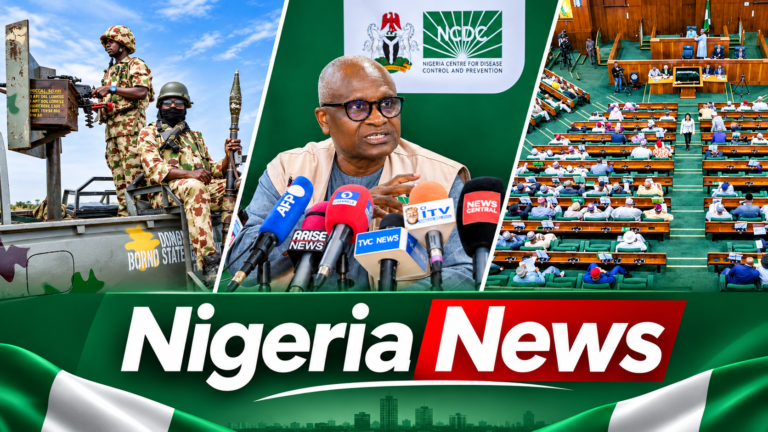
Nigeria News Review: State Police, Ibori Ruling & NERSI
Introduction
Nigeria’s public affairs landscape was shaped by six significant developments during the 24-hour reporting period ending on Wednesday, November 4, 2026. From constitutional reform and an important United Kingdom court decision to petroleum-sector investigations, international aviation relations, transport infrastructure and social welfare, the developments raised a common question: what happens after government decisions, institutional actions and public announcements?
The proposed introduction of state police moved closer to another constitutional milestone after the Clerk to the National Assembly confirmed that 28 State Houses of Assembly had approved the proposed amendment. In the United Kingdom, the Court of Appeal dismissed former Delta State governor James Ibori’s challenge to a confiscation order worth more than £101 million. However, the preservation of that order does not establish that the money has been recovered or returned to Nigeria.
Elsewhere, the Economic and Financial Crimes Commission announced an investigation involving an alleged illegal petroleum-processing facility in Ogere, Ogun State. The Senate called for a review of practical aviation opportunities under Nigeria’s agreement with China, while the Federal Government considered diverting heavy vehicles from the First Niger Bridge. The National Emergency Relief and Stabilisation Intervention, meanwhile, brought renewed attention to the delivery of ₦50,000 cash support to selected vulnerable households.
Together, these developments form an important Nigeria news review of decisions, institutional responsibilities and unresolved implementation questions. They show why public accountability requires more than announcements: it requires evidence of what has actually been done, who benefits and what remains to be established.
STORY 1: State Police Nigeria — 28 State Assemblies Approve Constitutional Proposal
Nigeria’s proposal to introduce state police crossed a significant constitutional threshold after the Clerk to the National Assembly, Kamoru Ogunlana, confirmed that 28 State Houses of Assembly had approved the proposed constitutional amendment.
The figure is important because Section 9 of the 1999 Constitution requires approval by at least two-thirds of Nigeria’s 36 state assemblies for the relevant constitutional amendment process. That threshold is 24 states. The reported 28 approvals therefore exceed the minimum requirement by four. The National Assembly’s confirmation, reported by Premium Times, and Reuters’ report on the constitutional milestone provide further details of the development.
The development represents progress in a constitutional reform debate that has raised questions about the structure of policing, security responsibilities and the relationship between federal and state authorities.
The proposed Sixth Alteration was transmitted to state legislatures on September 16, 2026. The National Assembly initially requested responses within 30 days, setting October 15 as the deadline. On October 23, the Presidential Working Group reported that 24 states had met the requirement. The subsequent confirmation by the National Assembly Clerk raised the reported number to 28.
Ogunlana also said the relevant approvals and records of proceedings had undergone administrative verification. His confirmation provides the basis for treating the 28-state figure as the reported constitutional milestone in this edition.
However, the number must be understood in its proper legal and institutional context. Approval by 28 state assemblies does not mean state police have already been established, recruited or deployed. It does not mean that the existing federal policing structure has been replaced.
What the constitutional milestone actually means
Nigeria’s existing policing structure remains centred on the Nigeria Police Force under Section 214 of the Constitution. The proposed amendment seeks to introduce State Police Services, which would represent a significant change to the country’s policing arrangements.
The distinction between approval of a constitutional proposal and the commencement of a new institution is important. Legislative approval is part of a process; it is not proof that the resulting institution is operational.
The final constitutional procedure also remains an important issue. In particular, the legal position on whether presidential assent is required remains contested. That question should not be presented as settled when the available reporting does not establish a definitive resolution.
Beyond the legal process, the proposed reform raises practical questions that would have to be addressed before an operational state-policing system could function.
Funding is one of the central considerations. State police services would require resources for recruitment, training, personnel, equipment and day-to-day operations. The structure of command and the relationship between state and federal policing institutions would also need to be clear.
Professional standards and oversight would be equally important. A decentralised policing arrangement would need mechanisms for accountability, the protection of citizens’ rights and the handling of complaints. Safeguards against political interference would be particularly important because policing involves powers that directly affect personal liberty, public safety and the exercise of authority.
The opportunities and risks for communities
For communities, state policing could create opportunities for security arrangements that are more responsive to local circumstances. The argument for decentralisation is closely connected to the question of whether policing institutions can respond effectively to the security needs of the areas they serve.
However, the possibility of local responsiveness does not automatically guarantee effective policing. Without adequate funding, professional standards and independent oversight, decentralisation could create new institutional risks.
The proposed reform therefore involves more than deciding whether policing responsibilities should be distributed differently. It also involves determining how those responsibilities will be exercised, monitored and funded.
The public-interest question is whether the eventual system can combine local responsiveness with professional independence, accountability and protection of citizens’ rights.
What happens next?
The 28 approvals represent a major constitutional milestone, but the legal and institutional process remains incomplete. No confirmed operational commencement date had been established at the close of the reporting period.
The next developments to watch include the completion of the constitutional procedure, clarification of the outstanding legal questions and the arrangements that would govern funding, recruitment, command structures and oversight.
For Nigerians, the significance of the state police Nigeria proposal will ultimately depend not only on whether it clears the constitutional process, but on whether it produces a workable and accountable policing system.
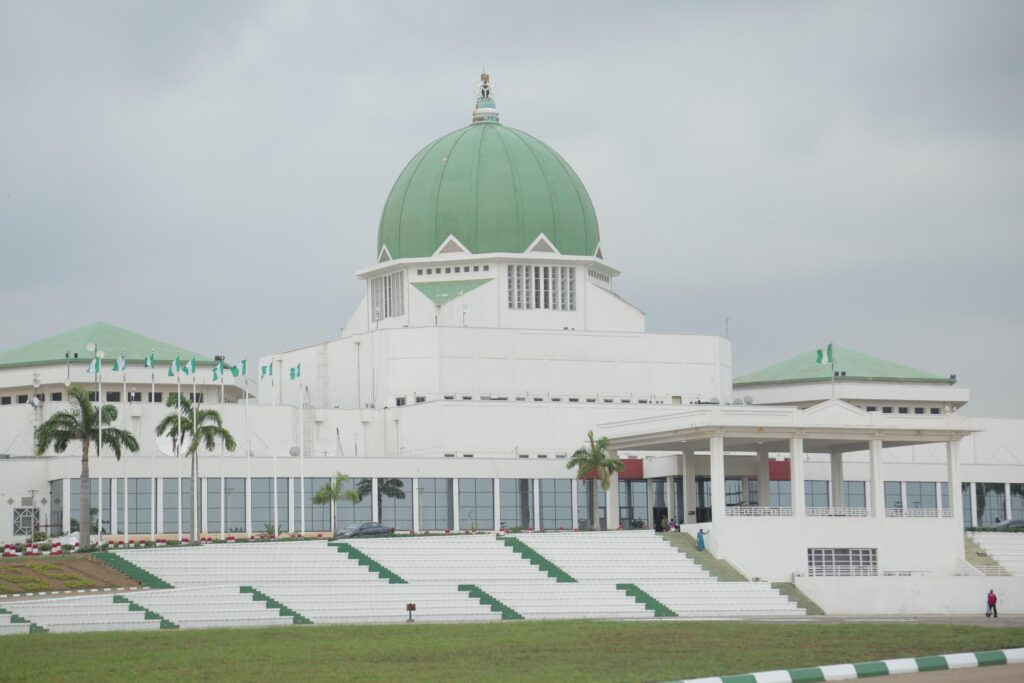
STORY 2: James Ibori Confiscation Order — UK Court Preserves £101.5 Million Ruling
The United Kingdom Court of Appeal dismissed former Delta State governor James Ibori’s challenge to a confiscation order worth £101,514,315.21, leaving the original order intact.
The decision was delivered on November 3, 2026. It concerned an order made on July 21, 2023, following proceedings connected to Ibori’s conviction for money laundering offences. Reuters reported the Court of Appeal’s dismissal of Ibori’s appeal. The case is recorded as R v James Ibori [2026] EWCA Crim 1396; its case details are available in this judgment record.
Ibori served as governor of Delta State from 1999 to 2007 and pleaded guilty to money laundering offences in the United Kingdom in 2012. His latest appeal challenged the calculation of the confiscation amount, particularly an adjustment reflecting changes in the value of money.
He argued that the adjustment was disproportionate because some funds had been restrained and were not available to him. His lawyers sought a reduction of approximately £4.3 million, which would have brought the amount down to about £97.2 million.
The Court of Appeal rejected that argument. The ruling therefore preserved the original confiscation order.
The decision is significant because it maintains a substantial financial order arising from criminal proceedings involving a former Nigerian public official. It also keeps attention on the relationship between criminal convictions, confiscation proceedings and the recovery of assets.
But the legal significance of the ruling must be distinguished from the practical question of whether money has actually been recovered.
A confiscation order is not proof of recovered money
One of the most important distinctions in the James Ibori confiscation order case is the difference between a court preserving a financial order and the actual collection of money.
A confiscation order establishes a legal obligation under the relevant proceedings. It does not, by itself, demonstrate that the amount has already been collected, realised from assets or transferred to another country.
The Court of Appeal’s decision means that Ibori’s challenge to the calculation of the order was unsuccessful. It does not establish that the full £101.5 million has been recovered.
Asset enforcement and recovery involve separate processes. The relevant authorities would have to establish what assets are identifiable and available for enforcement, and what steps can lawfully be taken to realise them.
Any eventual repatriation to Nigeria would also be a separate matter. The preservation of a confiscation order should therefore not be reported as proof that funds have already returned to Nigeria.
The accountability question extends beyond the courtroom
For Nigerians, the public-interest significance of the case goes beyond the outcome of the appeal.
Where assets are eventually recovered in proceedings involving a former public official, transparency over the amount collected, the process of recovery and the management of any repatriated funds becomes important.
The distinction matters because a large figure in a court order can easily be mistaken for money already available to the public or returned to the country. Those are different stages, and each requires evidence.
The relevant accountability questions include whether the order can be enforced against identifiable assets, whether the assets can be realised and whether any recovered funds will eventually be returned to Nigeria.
The management of any repatriated funds would also require transparency. The existence of a confiscation order alone does not establish how much money, if any, has been collected or what arrangements would govern its eventual use.
What to watch after the appeal
The next questions concern enforcement of the order, whether Ibori seeks permission for a further appeal and whether any recovered assets will eventually be repatriated to Nigeria.
These developments should be treated as separate from the November 3 ruling. The appeal was dismissed, but the process of actual recovery remains a different matter.
The case demonstrates an important principle in public accountability: a legal decision can establish an obligation without proving that the financial outcome has already been achieved.
The significance of the James Ibori confiscation order will therefore continue to be measured not only by the amount preserved by the court, but by what can be established about enforcement, recovery and transparency.

STORY 3: EFCC Ogere Investigation — Alleged Illegal Petroleum Facility Raises Ownership and Environmental Questions
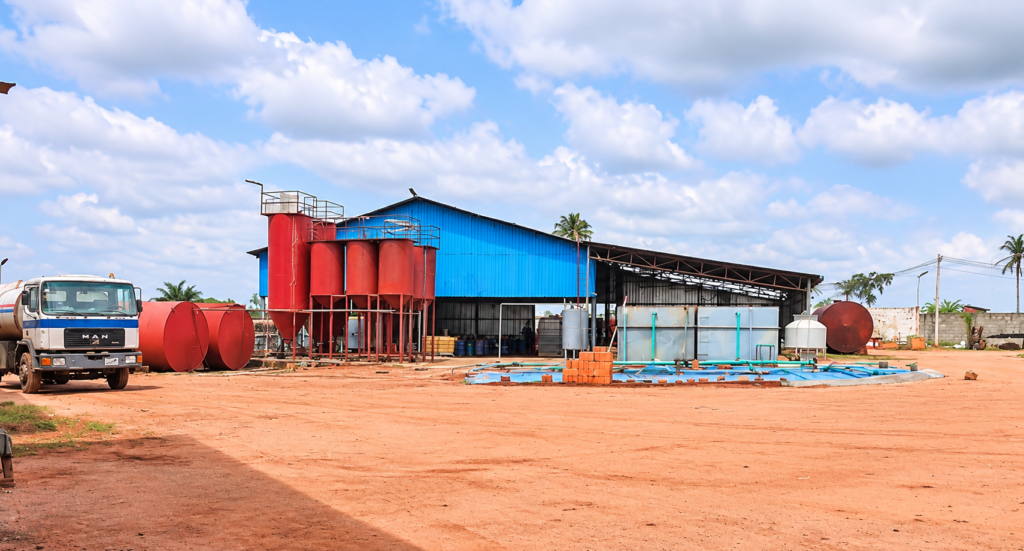
The Economic and Financial Crimes Commission announced that it had uncovered an alleged illegal petroleum-processing facility in Ogere, Ogun State, bringing questions about petroleum regulation, ownership and environmental protection into public focus.
According to the Commission, the discovery was made on October 31, while its public announcement followed on November 3. Operatives from the EFCC’s Lagos Zonal Directorate 2 reportedly carried out the operation after intelligence gathering and surveillance.
The facility was reportedly deserted when investigators arrived.
The EFCC said its operatives found waste products, underground tanks believed to have been used for heating and processing sludge oil, and two tanks containing substances suspected to be Automotive Gas Oil, commonly known as diesel. The Commission’s announcement was reported by Channels Television and Premium Times.
Its preliminary account also indicated that sludge oil was allegedly sourced from Warri in Delta State and Port Harcourt in Rivers State before being transported to the facility in Ogere.
The Commission further said security personnel at the premises reported that the alleged Chinese operators had not disclosed their identities or the company behind the operation. The EFCC took over the premises while investigations continued.
The announcement raises important questions about the ownership and operation of the facility, the source of the materials and whether relevant petroleum or environmental regulations were breached.
However, the distinction between an investigative claim and an established finding remains essential.
What the EFCC has reported
The Commission’s account identifies several materials and structures reportedly found at the premises. These include waste products, underground tanks believed to have been used for heating and processing sludge oil, and two tanks containing substances suspected to be diesel.
The EFCC’s preliminary account also describes an alleged supply route for sludge oil from Warri and Port Harcourt to Ogere.
These details form part of the Commission’s reported findings at the stage of the announcement. They do not, on their own, establish the full scale of the operation, the identity of those responsible or whether specific laws were broken.
The facility was reportedly deserted when operatives arrived. The EFCC’s account of the suspected operators, including the reference to alleged Chinese operators, was based partly on information attributed to security personnel at the premises.
Their identities, nationality and criminal responsibility have not been conclusively established. It would therefore be premature to treat those claims as final findings about the people or company responsible.
Ownership, licensing and environmental responsibility
Several questions now require answers.
Who owns the premises? Who operated the facility? Was it connected to a registered company? Did the operation have the required licences? Were petroleum-sector regulations breached? Were environmental rules violated?
Establishing ownership would require examination of relevant company and land records. Investigators would also need to verify the licences, if any, associated with the facility and determine the identities of the people responsible for its operation.
The substances found at the site would also need to be properly identified. The EFCC described two tanks as containing substances suspected to be Automotive Gas Oil. That description should remain qualified until the materials have been conclusively identified.
There are also no verified figures in the reviewed information for the quantity of materials involved, the facility’s production capacity or any environmental damage.
Those gaps matter because the scale and nature of any regulatory breach cannot be reliably determined from the discovery announcement alone.
Why the investigation matters to communities
For communities around Ogere, the issue extends beyond suspected economic crime to questions of environmental protection and public safety.
A petroleum-processing operation can raise concerns about how materials are stored, handled and processed. But the available information does not establish that environmental damage occurred at this particular facility.
Appropriate regulatory and environmental assessments would be needed to determine whether there was contamination or another form of harm.
The investigation must also establish whether the operation had the necessary authorisations and whether any individual or company violated applicable rules.
The EFCC’s announcement brought the discovery into public focus, but the investigation still has to establish who was responsible and whether any laws were broken.
The outcome should be assessed on the evidence produced by investigators, not on assumptions about the ownership or nationality of suspected operators.
STORY 4: Nigeria–China Aviation Agreement — Senate Seeks More Opportunities for Nigerian Airlines
The Nigerian Senate called on the Federal Government to review aspects of the country’s aviation agreement with China, arguing that Nigerian airlines should have more reciprocal opportunities to operate direct international flights.
The issue was raised during a Senate debate on November 3. The motion was sponsored by Senate Chief Whip Mohammed Monguno, representing Borno North, and seconded by Senator Abdul Ahmed Ningi of Bauchi Central. The Senate’s call for reciprocal flight opportunities was reported by Punch Newspapers and Radio Nigeria.
The senators urged the Ministry of Aviation and Aerospace Development to review commercial terms and operational schedules. They also called on the Ministry of Foreign Affairs to begin diplomatic discussions with Chinese authorities on business visas and reciprocal flight-slot opportunities.
The debate has brought attention to a wider question about how bilateral aviation agreements translate into practical opportunities for airlines, passengers and businesses.
The agreement was signed on May 7, 2014, and entered into force on February 9, 2018, according to the Chinese Ministry of Foreign Affairs treaty database. The International Civil Aviation Organization’s agreement record identifies the bilateral air services agreement. It contains provisions on designated airlines, traffic rights and fair and equal opportunities.
However, the Senate’s criticism of the practical benefits of the arrangement does not, by itself, establish that the written treaty legally favours China.
The difference between treaty rights and practical opportunities
An aviation agreement can establish the framework within which designated airlines operate international services. But the existence of rights in a treaty does not automatically demonstrate how those rights are being used in practice.
The Senate’s concerns therefore require an examination of actual operational information.
A proper assessment would need evidence on airline designations, approved routes, flight frequencies, passenger traffic, slot allocations and the capacity of Nigerian airlines to operate the services.
These details matter because the practical value of an international aviation agreement depends not only on the rights written into it, but also on whether airlines can operate commercially viable services under the arrangement.
The debate also involves business visas and diplomatic engagement. The senators called on the Ministry of Foreign Affairs to discuss these matters with Chinese authorities alongside the proposed review of commercial terms and flight opportunities.
For Nigerian businesses, travellers and cargo operators, the availability of international air connections is a practical issue. Direct and commercially viable routes can support trade, business travel and the movement of goods.
However, the extent to which the agreement currently provides those opportunities cannot be determined from the Senate’s criticism alone. It requires operational evidence.
What the Senate has asked the government to do
The Senate directed its Committees on Aviation and Foreign Affairs to monitor the resolutions and report within four weeks.
The requested review places responsibility on the relevant government institutions to examine the commercial and diplomatic issues raised during the debate.
The aviation ministry’s response, the committee findings and actual flight-operation records will be important in assessing the matter.
At the close of the reporting period, no renegotiated agreement or additional flight rights had been established.
That distinction is important. A Senate resolution calling for review is not itself a renegotiated treaty, an additional flight approval or proof that new routes have become available.
What to watch
The next developments include the committees’ report, the response from the Ministry of Aviation and Aerospace Development and any diplomatic engagement involving the Ministry of Foreign Affairs.
Operational records will also be necessary to determine how the agreement works in practice.
For Nigerian businesses and travellers, the central question is whether the arrangement provides practical and commercially viable international connections. For policymakers, the challenge is to assess the agreement using evidence about actual airline operations rather than assumptions based solely on its written provisions.

STORY 5: First Niger Bridge — Government Considers Heavy-Truck Diversion Amid Congestion
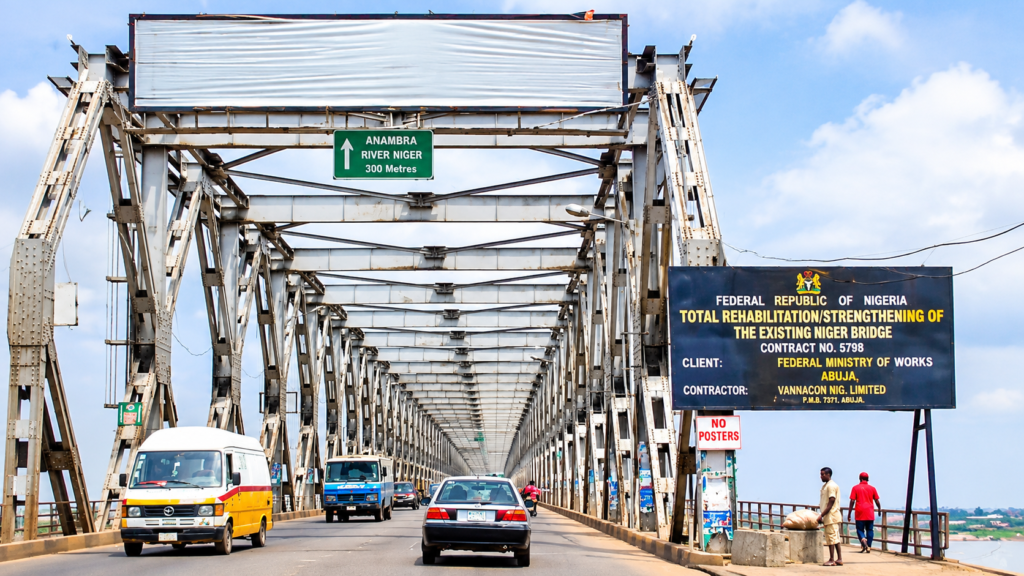
The Federal Government was considering diverting heavy-duty vehicles from the First Niger Bridge to the Second Niger Bridge following persistent congestion after the reopening of the older crossing.
The proposal was disclosed by Timothy Emenike, the Federal Controller of Works in Anambra State, in an interview published on November 4. The development was reported by Punch Newspapers.
Emenike said the government was considering placing barriers at both ends of the First Niger Bridge to prevent heavy vehicles from using the crossing.
The bridge connects Onitsha in Anambra State with Asaba in Delta State and serves as an important transport link between the two states.
Its reopening followed an emergency rehabilitation period after damaged and vandalised structural components were discovered. The bridge had been closed on September 7, with reported damage including missing bolts, cut steel components and damaged expansion-jointed steelwork.
It reopened on October 15, after approximately 38 days of closure, as reported by Punch Newspapers and Channels Television.
However, congestion continued after the crossing returned to service. New road demarcations and a median reportedly narrowed the available lanes, while motorists complained about broken-down trailers and heavy vehicles obstructing traffic.
Emenike acknowledged the congestion and attributed some of the obstruction to drivers failing to move broken-down vehicles out of the traffic path.
The proposed diversion therefore forms part of the government’s consideration of how to manage traffic and protect the bridge after its rehabilitation.
A proposal, not an implemented restriction
The most important qualification is that the diversion had not been confirmed as an implemented restriction at the close of the reporting period.
No formal diversion order or commencement date had been established.
The distinction matters for motorists, transport operators and businesses that use the crossing. A proposal to introduce barriers is not the same as an official directive requiring particular categories of vehicles to use another route.
The Second Niger Bridge was being considered as an alternative for heavy vehicles, particularly ahead of the busy Christmas travel period.
However, the practical implications of such a change would depend on the categories of vehicles affected, the date of implementation and the capacity of the alternative crossing to accommodate additional traffic.
These are important details for transport operators who need to plan routes and journey costs.
What diversion could mean for motorists and businesses
For commuters, traders and businesses, a change in heavy-vehicle arrangements could have practical consequences.
Diverting heavy vehicles may reduce pressure on the First Niger Bridge, but it could also affect journey distances, fuel costs and the movement of goods.
The extent of those effects cannot be established from the proposal alone. They would depend on the final arrangement, the vehicles covered and how the alternative route is used.
The bridge’s condition and maintenance also remain important. The earlier closure followed the discovery of damaged and vandalised structural components, and the crossing’s reopening did not remove the need for continued traffic management.
The government would need to provide clear information before any restriction is introduced. Transport operators and motorists would need to know which vehicle categories are affected, when the arrangement would begin and how the Second Niger Bridge would accommodate additional traffic.
What happens next?
The next important developments will be a formal decision from the Ministry of Works, any written directive and updated information about the bridge’s condition and maintenance.
Until such a decision is established, heavy-truck diversion should be described as a proposal under consideration, not an implemented policy.
The First Niger Bridge had reopened, but the government was still considering how best to manage traffic and protect the crossing. The practical test will be whether any eventual arrangement can address congestion while giving motorists and businesses clear, reliable information.
STORY 6: NERSI ₦50,000 Cash Relief — Payment Frequency and Beneficiary Delivery Remain Unclear
The Federal Government’s National Emergency Relief and Stabilisation Intervention, known as NERSI, has drawn attention to the practical delivery of cash support to selected vulnerable households.
The programme was announced on October 30 by the Minister of Humanitarian Affairs and Poverty Reduction, Dr Bernard Doro. He said it was designed to provide ₦50,000 in cash support to selected vulnerable households. The Federal Ministry of Information’s publication of the minister’s announcement describes the assistance as a monthly payment.
However, an important question remains unresolved: is the assistance a monthly payment or a one-off transfer?
The original ministerial announcement described the support as a monthly payment. Other programme information also described it as a one-off payment. The ministry therefore needs to clarify whether beneficiaries should expect recurring monthly assistance or a single payment.
The difference is significant for households trying to understand what the programme offers and how much support they can reasonably expect.
How NERSI is intended to identify beneficiaries
The programme was designed to identify beneficiaries through verified national identity records and the National Social Register.
Selected individuals were expected to receive SMS notifications through participating digital financial service providers. Following consent, payments would be credited to their mobile wallets.
Punch reported on November 3 that disbursement had commenced. Its report on the commencement of the ₦50,000 relief payments provided details of the minister’s announcement.
The programme’s official NERSI information page explains the beneficiary-selection and payment process, but its frequently asked questions describe the ₦50,000 support as a one-off payment. This differs from the minister’s October 30 statement describing it as monthly. Punch’s report on OPay’s eligibility guidance and scam warnings provides further information for beneficiaries.
These details describe the stated identification and payment process. However, a report that disbursement has commenced does not, by itself, establish how many people have received money or how widely the programme has reached.
The available information did not establish verified national figures for the number of beneficiaries who had received funds, the total amount disbursed or the geographical distribution of payments.
Those figures are necessary to assess the programme’s actual reach.
The difference between commencement and delivery
A programme can move from announcement to reported commencement without there being sufficient evidence to establish its national reach or impact.
For NERSI, the distinction is between the existence of a payment process and verified information showing how many selected households have actually received assistance.
The programme’s effectiveness depends on accurate beneficiary selection, reliable payment arrangements and transparent administration.
Without verified figures, it is not possible to establish the total number of households reached, the amount already disbursed or the geographical distribution of payments.
The unresolved payment-frequency question also affects how the programme should be understood. Monthly assistance and a one-off payment are different forms of support. Beneficiaries need a clear official explanation of which arrangement applies.
Protecting beneficiaries from fraud
The programme’s guidance also warned beneficiaries not to pay agents to obtain the support or disclose their personal identification numbers and one-time passwords.
This warning is important because the payment process involves mobile notifications and digital financial services.
Nigerians should not pay anyone claiming to facilitate access to NERSI or surrender their PINs and OTPs to people promising to secure a payment.
The programme’s stated identification process does not justify paying an intermediary or handing over confidential security information.
What the ministry needs to clarify
The next tests for NERSI are clear.
The ministry needs to clarify whether the ₦50,000 assistance is monthly or a one-off payment. It also needs to publish verified figures showing the number of beneficiaries who have received funds, the total amount disbursed and the geographical distribution of payments.
Transparent information about beneficiary selection, funding and payment arrangements would help Nigerians understand how the programme is being administered.
For vulnerable households, cash support can help meet essential expenses. But the programme’s national reach and impact cannot be established simply by announcing assistance or reporting that disbursement has commenced.
The central question remains whether the households the programme is intended to support are actually receiving the assistance, under clear and verifiable rules.
Conclusion
The six developments in this Nigeria news review cover different areas of public life, but they share a common concern: the relationship between decisions, institutional processes and demonstrable outcomes.
The state-policing proposal crossed an important constitutional threshold, although the final legal and institutional arrangements remained incomplete. The UK Court of Appeal preserved James Ibori’s confiscation order, but actual recovery and possible repatriation remained separate processes. The EFCC’s announcement about Ogere brought an investigation into public focus, while ownership, operator identities and possible regulatory breaches remained unresolved.
The Senate’s call for a review of Nigeria’s aviation agreement with China raised questions about practical opportunities for Nigerian airlines. The Federal Government’s consideration of heavy-truck diversion from the First Niger Bridge remained a proposal rather than an implemented restriction. NERSI, meanwhile, highlighted the need for clear payment rules and verified evidence of delivery.
These developments demonstrate why public accountability cannot be measured by announcements alone. Approval is not implementation. A court order is not recovered money. An investigation is not a final finding. A proposal is not an implemented policy, and a payment announcement is not proof of delivery.
For Nigeria, the continuing test is whether public decisions produce outcomes that can be verified, whether institutions explain their responsibilities and whether the people affected can understand what has actually changed.
About the Author