Africa News – Confronts Ebola, Conflict and Economic Pressures as Global Ambitions Expand
Introduction
Africa’s news cycle during the week of 26 October to 1 November 2026 reflected a continent confronting serious humanitarian and economic pressures while pursuing opportunities in international cooperation, infrastructure development and global sport.
The Democratic Republic of the Congo’s Bundibugyo Ebola outbreak remained a major public-health concern, with confirmed infections reported beyond the country’s borders. In Ethiopia and Sudan, armed violence continued to affect civilian communities, damage essential infrastructure and force people from their homes. The Democratic Republic of the Congo also saw renewed calls for inclusive political dialogue as its wider security crisis remained unresolved.
At the same time, African governments and institutions pursued new strategic partnerships. Russia hosted its third Africa summit, Ghana announced nuclear-energy cooperation with Moscow, and Afreximbank and the African Petroleum Producers’ Organisation formally established the Africa Energy Bank. Plans for railway connections across the continent also featured in discussions about trade and regional integration.
Economic and political pressures remained visible in several countries. Inflation figures from Kenya and Uganda showed rising prices, while anti-immigrant violence in South Africa and developments affecting media and opposition figures in Egypt, Cameroon and Tanzania raised questions about public security, political freedoms and institutional accountability.
Yet the week also brought a significant sporting milestone. Senegal opened the Dakar 2026 Youth Olympic Games, becoming the first African country to host an Olympic sporting event.
These five major narratives provide a broader picture of Africa news during the review period: a continent dealing with emergencies, negotiating its place in a changing international environment and seeking to translate ambition into lasting results.
Story 1: Ebola Outbreak Spreads Beyond the Democratic Republic of the Congo
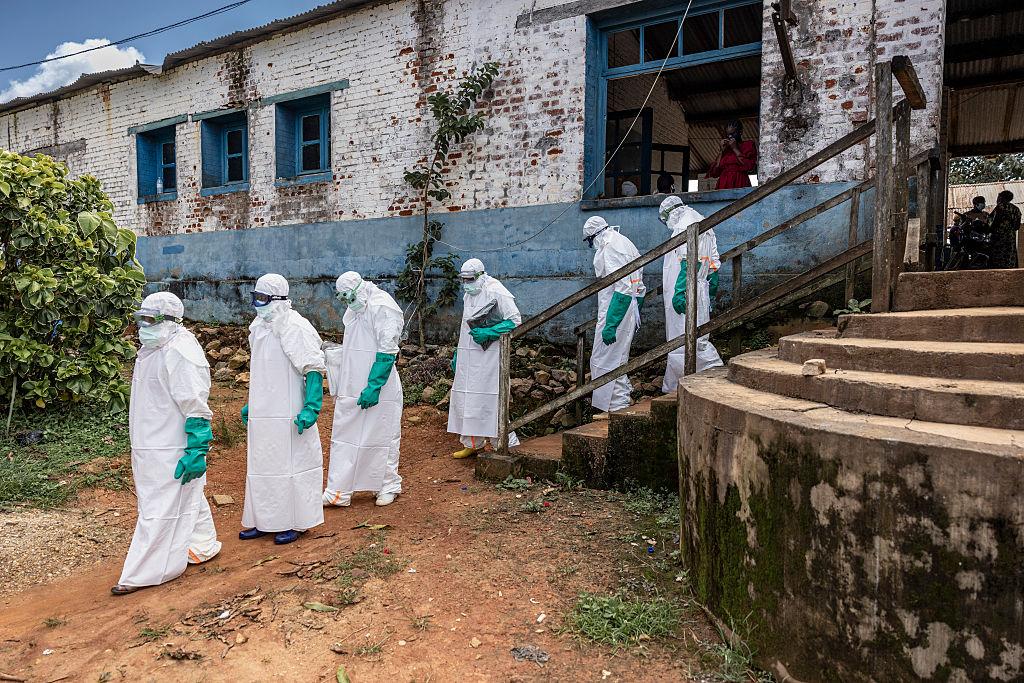
The Bundibugyo Ebola outbreak in the Democratic Republic of the Congo remained one of the most serious public-health developments across Africa during the review period. Confirmed imported cases had been reported in other countries, making the outbreak a regional concern and increasing the importance of cross-border surveillance.
Figures from the United States Centers for Disease Control and Prevention, dated 28 October, put the number of confirmed cases in the DRC at 10,274, with 4,992 confirmed deaths. The CDC’s overall figures for affected countries stood at 10,305 confirmed cases and 4,996 confirmed deaths.
These are cumulative figures. They should not be interpreted as the number of people currently receiving treatment or actively transmitting the virus. The distinction matters because cumulative case and death totals describe the overall recorded impact of an outbreak, rather than the number of active infections at a particular moment.
An earlier World Health Organization update, covering developments up to 20 October, recorded 9,704 confirmed cases and 4,687 deaths in the DRC. Cases had been reported across 66 health zones in eight provinces. The two sets of figures have different reporting cut-off dates and should therefore be understood within their respective reporting periods.
The outbreak is caused by the Bundibugyo species of Ebola virus. It is distinct from other Ebola virus species responsible for previous outbreaks. This distinction is important because vaccines and treatments developed for one species cannot automatically be assumed to provide protection against another. Accurate identification, laboratory testing and species-specific public-health guidance are consequently important elements of the response.
Imported cases increase regional concern
The outbreak has extended beyond the DRC. Kenya reported imported cases after an infected traveller arrived from the DRC through Uganda.
Nigeria had earlier confirmed an imported case in Abuja on 20 October involving a patient who had travelled from Uganda. Although that confirmation preceded the review period, developments in the country’s response continued to feature in public-health reporting during the week.
In its Ebola Disease Situation Report dated 24 October, the Nigeria Centre for Disease Control and Prevention said 53 contacts had been identified and placed under follow-up. Nigeria’s national Incident Management System had also been activated at its highest level.
The same report recorded a suspected case in Rivers State on 23 October. A suspected case, however, is not the same as a confirmed infection. The distinction is essential when communicating public-health information, particularly during an outbreak in which inaccurate reports can create unnecessary fear.
The CDC’s 28 October figures also included nine confirmed cases and two deaths in Kenya, 20 confirmed cases and two deaths in Uganda, and one confirmed case in France. The CDC reported that Uganda’s last confirmed case had recovered and been released from care in July. The confirmed case in France had also recovered.
One figure requires particular care: the country totals stated in the CDC breakdown add up to 10,304 confirmed cases, while the overall figure quoted in the same update is 10,305. The difference is small but should be reconciled against the original data before publication.
Deaths outside treatment centres raise concern
Another concerning feature of the outbreak was the number of deaths occurring outside treatment centres. The WHO reported that, among 482 deaths recorded since its previous update, 307 occurred in communities and 175 in treatment centres.
That pattern raises questions about early detection, access to medical care and the ability of health authorities to identify infections before further transmission takes place. Deaths in communities may indicate that some patients are not reaching treatment facilities in time, although the figures alone do not establish the reasons for each death.
The consequences extend beyond hospitals and treatment facilities. An outbreak of this scale can create fear among residents, disrupt travel and trade, affect schooling and place pressure on local economic activity. Families may lose breadwinners, while health workers face the difficult responsibility of treating patients, tracing contacts and protecting themselves against infection.
The response therefore depends on coordination across national borders. Surveillance at points of entry, reliable laboratory testing, contact tracing, clear public information and adequate protection for health workers remain central to containing transmission.
The WHO has called for coordinated regional preparedness, including cross-border surveillance. It has also advised against blanket restrictions on travel and trade with affected countries, emphasising the importance of proportionate public-health measures.
For Nigeria, monitoring contacts linked to the Abuja case and investigating suspected infections remain important elements of preparedness. The situation in Rivers State also demonstrates why suspected cases must be investigated carefully and communicated accurately.
The next indicators will include the number of newly confirmed infections, the effectiveness of contact tracing and whether countries can prevent imported cases from developing into sustained local transmission. The outbreak has crossed national borders; the challenge is to contain transmission, protect vulnerable communities and prevent the emergency from becoming even more difficult to manage.
Story 2: Conflicts Deepen the Humanitarian Crisis
Armed conflicts and insecurity continued to place civilian communities under pressure in Ethiopia, Sudan and the Democratic Republic of the Congo during the review period. Although the incidents occurred in different countries and are not established as part of one connected conflict, they reveal a common humanitarian consequence: people are being displaced, essential services are being disrupted and communities are facing growing needs for assistance.
In Ethiopia’s Amhara region, drone strikes hit the Jari 2 displacement camp. Sources involved in rescue efforts, cited by Reuters, reported that at least 15 people were killed, including five children. The camp housed more than 1,700 people who had already fled earlier violence.
A local official said arrangements were being made to treat 36 injured people, although two later died in hospital. Survivors were reported to have taken shelter in a school.
Witnesses described several explosions and said a drone had circled the area before striking. However, responsibility for the attack and the motive behind it had not been established. The presence of members of the Amhara Fano National Movement in the area does not, by itself, establish who carried out the strikes or whether the camp was deliberately targeted.
The incident highlights the vulnerability of people living in displacement sites. Those who have already fled violence often have limited options for safety and depend on humanitarian assistance. An attack on a camp can expose people who have already experienced displacement to further danger.
Ethiopia–Kenya border violence creates a displacement emergency
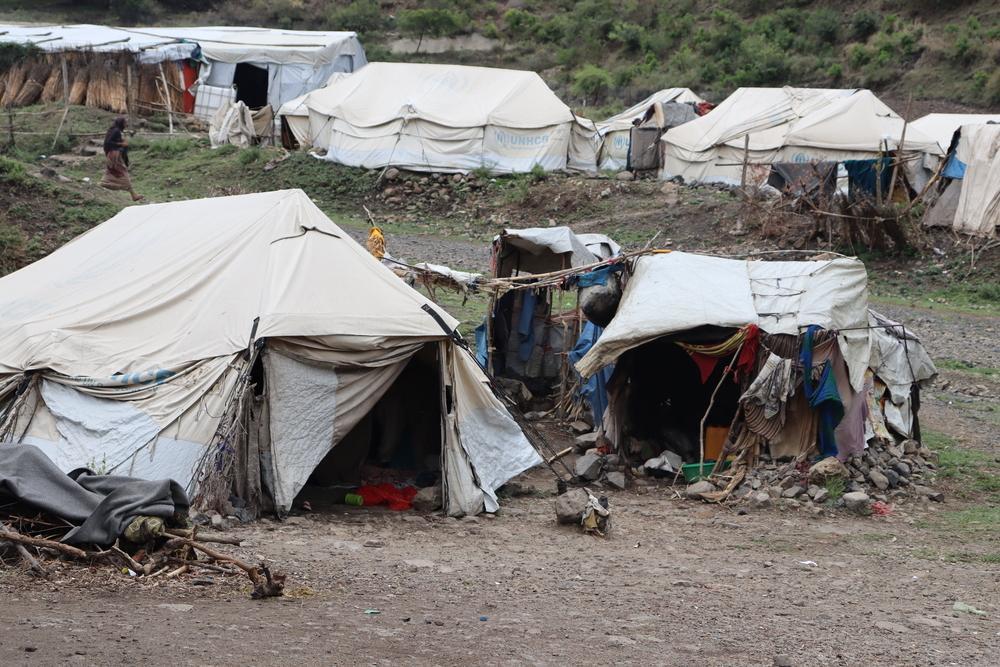
A separate displacement emergency developed along Ethiopia’s border with Kenya. Around the Moyale area, fighting linked to a longstanding territorial dispute between Ethiopia’s Oromia and Somali regional administrations forced thousands of people to cross into Kenya.
The Associated Press reported that the United Nations had put the number of people who fled at approximately 36,000. Later reporting cited estimates of up to 50,000 crossings. These figures were still changing, partly because many displaced people were staying with relatives and host communities rather than registering in formal camps.
The United Nations High Commissioner for Refugees reported significant cross-border movements since 22 October. Many of those fleeing were women and children. Some sought shelter in schools and churches, while others depended on relatives and local residents for accommodation.
The pressure has also been felt by communities in Kenya’s Marsabit County. Local families have been receiving people fleeing the violence despite existing shortages of food and water. Humanitarian organisations, including the Kenya Red Cross, have been involved in providing food, shelter, health services and household supplies.
The situation demonstrates how a local territorial dispute can develop into a cross-border humanitarian emergency. It affects not only those fleeing violence but also the communities expected to accommodate them.
Sudan’s electricity infrastructure comes under attack
In Sudan, the conflict has affected another essential part of civilian life: electricity infrastructure.
Reuters reported on 26 October that drone strikes hit power stations in southeastern Sudan. Facilities in Sinja, El Hawata, Al Fao, Mashkour and Al-Junaid were among those affected, with power interruptions reported across Sennar, Al Qadarif, White Nile and Gezira states.
Sudan’s state-owned electricity company attributed the attacks to the Rapid Support Forces. Reuters said it could not independently verify the company’s account, and the RSF had not immediately responded to requests for comment.
Damage to electricity infrastructure can have consequences beyond the immediate loss of power. Hospitals depend on electricity for medical equipment, emergency treatment and refrigeration. Water systems require power for pumping and distribution. Communications networks, businesses and households are also affected.
Sudan’s government separately accused Ethiopia of involvement in drone attacks on civilian infrastructure and power facilities. Sudanese officials said they had presented flight data and satellite imagery in support of their allegations. Those claims had not been independently established and must remain attributed to Sudanese officials.
The allegations are sensitive because claims involving neighbouring countries could increase regional tensions and widen the diplomatic consequences of Sudan’s war. They should not be treated as established evidence of external involvement without independent confirmation.
DRC opposition calls for inclusive dialogue
Meanwhile, in the Democratic Republic of the Congo, the C64 opposition coalition called for an inclusive national dialogue following a meeting in Rome.
The call reflects continuing concern about the country’s political and security crisis, particularly the conflict in the east. However, calling for dialogue does not mean all parties have agreed to participate. The prospects for negotiations remain uncertain.
Taken together, these separate developments underline the importance of civilian protection and humanitarian access. Emergency assistance can help displaced people survive, but it cannot provide a permanent solution to insecurity. Restoring electricity can support communities, but it cannot by itself end a war.
The immediate priorities include protecting civilians, providing assistance to displaced families, maintaining essential services and supporting credible political efforts to reduce violence. The developments in Ethiopia, Sudan and the DRC show how conflict can extend its consequences far beyond the immediate battlefield.
Story 3: Strategic Partnerships and Energy Investment Expand
Africa’s international partnerships came into focus during the week, as Russia hosted a major summit involving African delegations, Ghana announced nuclear-energy cooperation with Moscow, and African institutions formally established a new energy-financing body. Railway proposals involving several countries also highlighted the continent’s continuing interest in regional transport infrastructure.
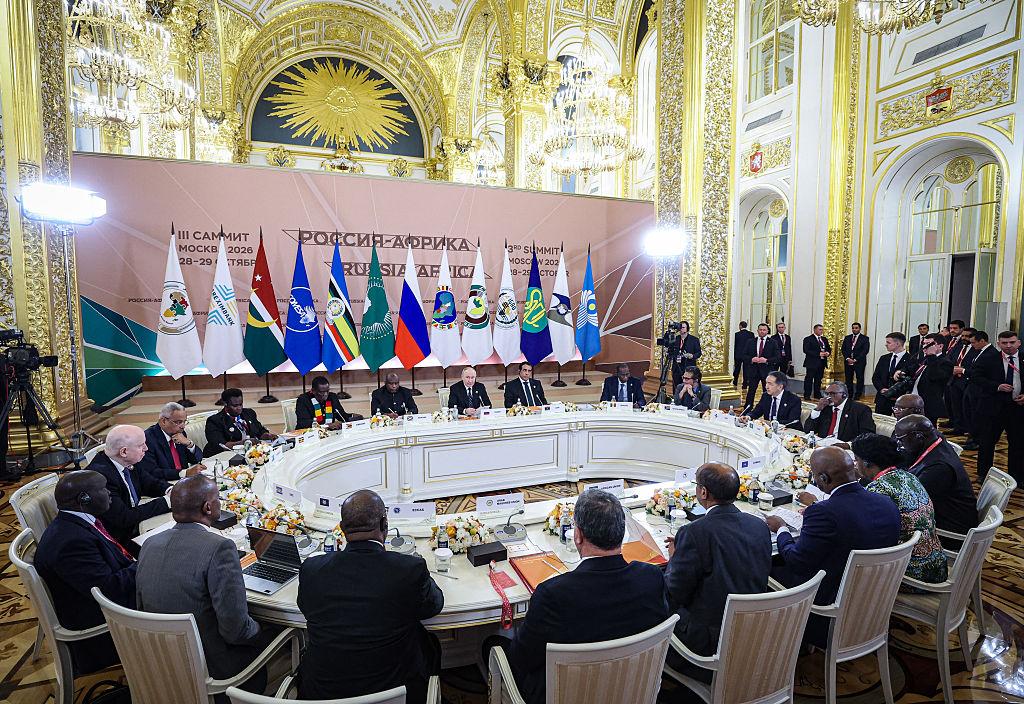
The third Russia–Africa Summit took place in Moscow on 28 and 29 October. Representatives from 48 of Africa’s 54 countries attended. According to the Kremlin, 22 countries were represented by their heads of state.
The summit was co-chaired by Russian President Vladimir Putin and Burundi’s President Evariste Ndayishimiye, representing the African Union leadership. Discussions covered trade, energy, investment, education, technology and security-related cooperation.
For Moscow, the meeting provided another opportunity to strengthen diplomatic and economic relationships with African governments. Russia has presented its engagement with Africa as an alternative to relationships it describes as unequal or shaped by Western influence.
For African governments, cooperation with multiple international partners can create additional options for investment, infrastructure, energy, technology, agricultural support and access to markets. But the value of such partnerships depends on the terms of individual agreements and whether they produce measurable results.
Ghana announces nuclear-energy cooperation with Russia
One of the announcements from the summit concerned Ghana’s proposed nuclear power project. Ghana’s Foreign Minister, Samuel Okudzeto Ablakwa, said Russia had agreed to work with Ghana on developing a 2,000-megawatt nuclear power plant.
The announcement points to possible expansion of energy cooperation between the two countries. However, an agreement to cooperate is not the same as a completed project. A confirmed construction timetable, final financing arrangement, project location and implementation schedule had not been established in the reporting covered during the review period.
Nuclear power projects require extensive planning, financing, regulatory oversight, technical capacity and long-term commitments to safety and waste management. Ghana’s challenge will be to translate the announcement into a transparent and technically credible programme.
The proposed 2,000-megawatt capacity is a project ambition, not evidence that the plant has been built or that the electricity is already available. The next stages of planning and implementation will determine whether the proposal can progress.
Africa Energy Bank formally established
Another development came on 31 October, when the African Export-Import Bank, Afreximbank, and the African Petroleum Producers’ Organisation formally established the Africa Energy Bank. The institution has authorised capital of five billion dollars.
The bank is intended to address financing gaps in Africa’s energy industry, particularly as some traditional international lenders reduce support for fossil-fuel projects.
Access to finance remains a challenge for African energy producers. Many countries need to expand electricity access, develop infrastructure and improve energy security while responding to climate commitments and the global transition towards lower-carbon energy sources.
The Africa Energy Bank is intended to provide a financing channel shaped by African institutions and priorities. Its establishment is significant as an institutional development, but authorised capital should not be confused with money already disbursed or available for immediate project spending.
The bank’s eventual impact will depend on how much capital is mobilised, which projects qualify for funding and whether the financing reaches projects capable of improving energy access and economic productivity.
Railway plans highlight regional connectivity ambitions
Transport infrastructure also featured in the week’s development agenda. Tanzania and Angola have been pursuing a proposed rail connection intended to link trade routes between the Atlantic and Indian oceans through Zambia and the Democratic Republic of the Congo.
The ambition is to improve the movement of goods across central and southern Africa and reduce dependence on limited transport corridors. The proposal has been discussed alongside the modernisation of the Tanzania–Zambia Railway Authority, known as TAZARA, for which a 1.4-billion-dollar agreement with China was reported.
These are related developments within the wider effort to improve regional connectivity, but they are not the same project. Their routes, financing, timelines and implementation arrangements need to be considered separately.
If successfully developed, railway infrastructure can reduce transport costs, improve access to ports and support the movement of minerals, agricultural products and manufactured goods. It can also strengthen connections between countries whose trade depends on efficient cross-border transport.
But the benefits depend on implementation. Rail lines must function, border procedures must be coordinated, customs systems must work efficiently and infrastructure must be properly maintained. An announced railway corridor does not generate economic growth until it becomes operational.
The week’s developments reveal different dimensions of Africa’s international economic engagement. Russia’s diplomatic outreach, China’s reported role in railway modernisation and the establishment of an African energy-financing institution reflect a changing landscape of partnerships and investment.
The central question is whether African governments and institutions can negotiate agreements that serve long-term development goals, strengthen infrastructure, create jobs and improve economic independence.
The next indicators will include Ghana’s progress on nuclear cooperation, the operational and financial structure of the Africa Energy Bank, and the implementation timetable for major railway projects. For the African economy, the real test of these partnerships will be what they deliver, rather than what was announced.
Story 4: Inflation, Political Freedoms and Social Stability Under Pressure
Economic and political pressures took different forms across several African countries during the review period. South Africa faced anti-immigrant violence, Kenya and Uganda reported rising inflation, Egypt’s courts issued a ruling affecting an independent media organisation, and opposition figures in Cameroon and Tanzania were involved in developments that raised questions about political and legal institutions.
In South Africa, President Cyril Ramaphosa authorised the deployment of 510 soldiers to KwaZulu-Natal following anti-immigrant violence and tensions in Durban. The soldiers were assigned to support police operations under Operation Prosper. The deployment was expected to continue through November and was estimated to cost approximately 34 million rand.
The violence followed protests linked to misinformation about a Constitutional Court ruling on asylum procedures. The unrest included attacks on businesses owned by foreign nationals. Police also reported that a foreign national had been beaten to death by a crowd during a march.
The military deployment reflected the government’s concern about further violence and the need to support law-enforcement operations. It also highlighted the challenge of protecting residents and migrants amid tensions involving migration, public safety and social cohesion.
South Africa has long attracted migrants from other African countries. However, unemployment, economic hardship and competition for limited opportunities have contributed to hostility towards foreign nationals in some communities.
Economic frustration cannot justify violence or attacks on people because of their nationality. Misinformation can also intensify tensions, particularly when legal decisions are misrepresented and public anger is directed at vulnerable communities.
The government’s challenge is to protect residents and migrants, enforce the law and address legitimate economic concerns without allowing violence to become a form of public pressure.
Inflation adds pressure to households in Kenya and Uganda
In East Africa, household pressure was reflected in new inflation figures from Kenya and Uganda.
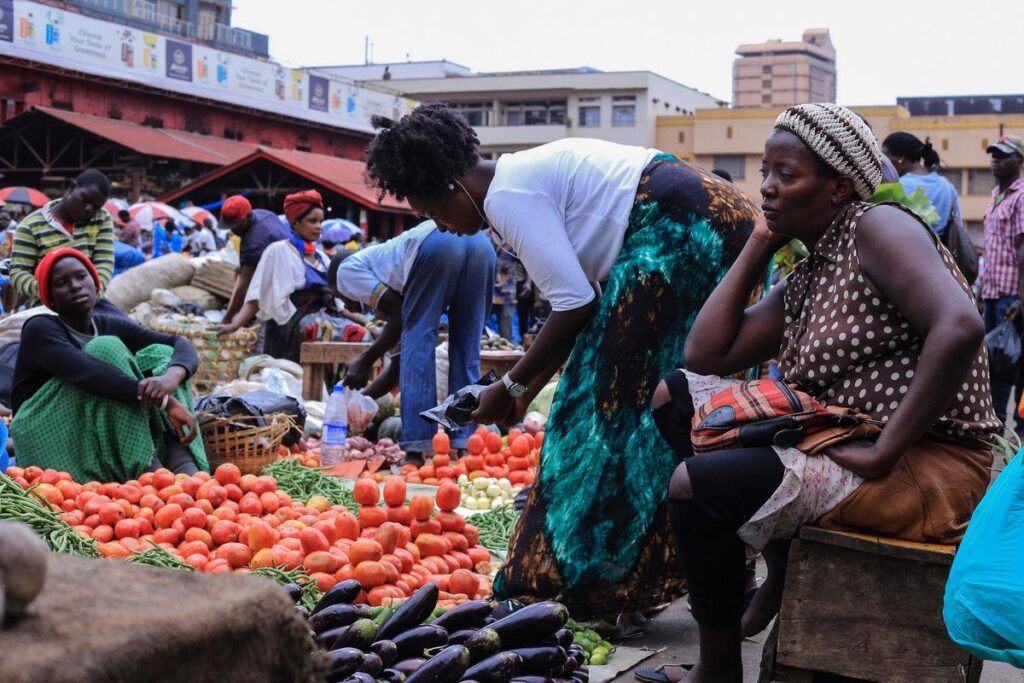
Kenya’s annual inflation reached 7.3 per cent in October, according to the Kenya National Bureau of Statistics. Food and non-alcoholic beverages recorded annual price increases of 10.2 per cent, while transport costs rose by 17.1 per cent. Housing, water, electricity, gas and other fuels recorded a 3.7 per cent increase.
These figures matter because food and transport are important parts of household spending. When food prices rise, families have less money available for healthcare, education, housing and other necessities. Higher transport costs can also increase the cost of moving goods, placing additional pressure on businesses and consumers.
Uganda recorded a similar upward movement. Annual inflation rose to 5.8 per cent in October, up from 4.6 per cent in September. It was the country’s highest level since June 2023.
Food inflation increased sharply to 10.7 per cent, compared with 4.5 per cent in September. Reuters attributed the pressure to higher food and oil prices, as well as a significant fall in the value of the Ugandan shilling. The shilling had fallen nearly 15 per cent against the United States dollar since June, according to the report.
The Bank of Uganda had earlier raised its policy rate from 9.75 per cent to 12 per cent and increased banks’ reserve requirements. The measures were intended to address inflation and currency pressures. However, higher interest rates can also make borrowing more expensive for households and businesses.
For both Kenya and Uganda, the challenge is to contain inflation without unnecessarily weakening economic activity. Central banks can use monetary policy to influence demand and currency conditions, but food supply, fuel prices, transport costs and exchange-rate movements also play important roles.
Egypt court ruling raises press-freedom concerns
In Egypt, attention turned to press freedom after a court in Cairo ordered the closure of independent news outlet Mada Masr and fined its editor-in-chief, Lina Attalah, three million Egyptian pounds.
The ruling was delivered on 27 October in a case involving charges relating to operating a website without a licence. It was a first-instance decision and remained subject to appeal.
Human Rights Watch reported that Attalah was taken into custody after the hearing and released hours later after payment of the fine. The organisation criticised the proceedings and called on Egyptian authorities to drop the case, arguing that they formed part of wider pressure on independent media.
The court’s stated basis for its ruling concerned the alleged operation of an unlicensed website. Human Rights Watch’s criticism represents the organisation’s position on the case. These positions should remain distinct when reporting on a legal dispute.
The development has wider implications for independent journalism, which plays a role in scrutinising public institutions, investigating corruption and providing alternative perspectives. The appeal process and the practical consequences of the ruling remain important developments to follow.
Opposition organisations and political rights in Cameroon and Tanzania
In Cameroon, opposition leader Issa Tchiroma’s National Salvation Front was suspended for three months. The decision drew criticism from the opposition. The precise legal grounds and procedural details of the suspension require confirmation from the official order and the party’s response.
The development raises questions about the legal framework within which political organisations operate and compete. However, the suspension should be assessed on the basis of the official decision and applicable procedures rather than assumptions about the reasons behind it.
In Tanzania, opposition leader Tundu Lissu ended a brief hunger strike after prison authorities allowed him access to a private meeting with his younger brother, according to his lawyer. Lissu had begun refusing food after concerns about access to confidential consultations with his legal team.
Lissu leads the opposition party CHADEMA and has been held on a treason charge. His detention and the conditions under which he can consult his lawyers have become part of a wider debate about due process and opposition activity in Tanzania.
His lawyer also raised concerns about his health, particularly because he depends on medication. The hunger strike ended after the meeting, although the underlying legal and political issues were not necessarily resolved.
Access to legal representation is an important safeguard in criminal proceedings. The handling of charges and court processes must also remain transparent and consistent with the law.
These developments are separate national situations, but they show the range of pressures facing governments and institutions. Rising prices affect household budgets; social tensions can lead to violence; legal action against media organisations raises questions about press freedom; and disputes involving opposition figures test the strength of political and legal institutions.
The next developments to watch include the security operation in South Africa, subsequent inflation reports in Kenya and Uganda, the appeal process involving Mada Masr, and further developments concerning opposition organisations and legal proceedings in Cameroon and Tanzania.
The broader challenge is maintaining stability while protecting the rights, economic interests and dignity of the people governments serve.
Story 5: Senegal Makes Olympic History as Durban Eyes a Future Bid
Senegal made sporting history on 31 October with the opening of the Dakar 2026 Youth Olympic Games, becoming the first African country to host an Olympic sporting event. The milestone placed young African athletes and the continent’s capacity to organise major international competitions at the centre of global sport.
The opening ceremony took place at the Stade Abdoulaye Wade in Diamniadio, with Senegalese President Bassirou Diomaye Faye declaring the Games open.
The event brings together approximately 2,655 young athletes representing 204 National Olympic Committees, alongside the Youth Refugee Olympic Team. According to the International Olympic Committee, the programme includes 25 competition sports and 10 engagement sports, with 153 medal events.
The Games are scheduled to run from 31 October to 13 November, with activities taking place across Dakar, Diamniadio and Saly.
For Senegal, hosting the Youth Olympic Games provides an opportunity to present its sporting infrastructure, culture, tourism and organisational capacity to an international audience. It also places young African athletes at the centre of a major international sporting event.
The significance extends beyond the medal table. Africa has produced outstanding athletes in athletics, football, basketball, boxing and several other sports, but the continent had not previously hosted an Olympic sporting event. Dakar 2026 therefore represents an important milestone in Africa’s relationship with the Olympic movement.
The long-term value of hosting the event will depend partly on what remains after the closing ceremony. Sporting facilities, youth programmes, coaching capacity and opportunities for local athletes will need to continue developing if the event is to leave a lasting legacy.
Durban selected as South Africa’s preferred Olympic candidate
South Africa has also taken a step towards a possible Olympic bid. Durban was selected as the country’s preferred city for a potential bid to host the 2036 or 2040 Olympic and Paralympic Games.
The South African Sports Confederation and Olympic and Paralympic Committee announced the decision on 29 October. Durban was selected ahead of Johannesburg and Cape Town, although a future bid could involve multiple cities hosting different sporting events.
If successful, South Africa could become the first African country to host the main Summer Olympic Games. However, Durban’s selection as the preferred candidate does not mean the city has been awarded the Games.
South Africa still has to present its proposal to the International Olympic Committee and demonstrate that it can meet the financial, logistical and infrastructure requirements. Reuters reported that the proposal was expected to be presented to the IOC’s Future Host Commission in November.
Feasibility reviews were expected to conclude in March 2027, while the final host selection is planned for 2029. These stages will be important in determining whether the country’s ambition can progress into a viable bid.
There are also financial and organisational questions to address. Durban was previously awarded the 2022 Commonwealth Games but lost the hosting rights in 2017 after failing to meet key obligations.
That history highlights the importance of credible budgets, venue plans, transport infrastructure and guarantees of delivery. South Africa’s proposed Olympic bid will need to explain how the event could be financed, how existing facilities could be used, what new infrastructure would be required and how investment would benefit communities after the Games.
It is important to distinguish between the two Olympic developments. Dakar is hosting the Youth Olympic Games, a competition designed for young athletes. Durban, meanwhile, is being considered as the centre of a possible bid for the main Summer Olympic and Paralympic Games in 2036 or 2040. They are different competitions and different stages of the Olympic process.
Together, however, the developments demonstrate Africa’s ambition to participate more fully in the global sporting system — not only through athletes competing internationally, but also through the organisation and hosting of major sporting events.
For Senegal, the immediate focus is the successful organisation of the Games and the opportunities they create for young athletes. For South Africa, the next steps involve feasibility, funding, infrastructure and assessment by the International Olympic Committee.
Dakar has opened a new chapter in African sporting history. Durban is seeking to take another step. Whether that ambition becomes reality will depend on planning, resources and the ability to turn sporting aspirations into sustainable public value.

Conclusion
The developments shaping Africa news during the week of 26 October to 1 November reveal a continent facing serious pressures while continuing to pursue strategic, economic and social opportunities.
The Ebola outbreak has underlined the importance of stronger public-health systems and cross-border cooperation. Conflicts in Ethiopia, Sudan and the Democratic Republic of the Congo have demonstrated the continuing vulnerability of civilians in areas affected by armed violence. Meanwhile, the Russia–Africa Summit, the establishment of the Africa Energy Bank and proposed infrastructure partnerships have reflected efforts to expand investment and strengthen the continent’s economic options.
Rising inflation, social unrest and developments affecting political freedoms have shown the pressures confronting governments and institutions. Senegal’s hosting of the Youth Olympic Games, on the other hand, has demonstrated Africa’s growing presence on the international sporting stage.
These developments do not tell one simple story of crisis or progress. African countries face different circumstances, and their individual decisions will shape what happens next.
A common challenge across many of the issues examined this week is the need to turn commitments and announcements into practical results. Public-health preparedness must help save lives. Humanitarian assistance must reach people affected by conflict. International partnerships must deliver functioning infrastructure and investment. Economic policies must address the cost of essential goods and services, while political institutions must protect rights and public trust.
Major sporting events must also create opportunities that extend beyond the competitions themselves.
Ultimately, the developments of the week will be judged not only by what was announced or what happened, but by the results that follow. For African governments and institutions, the next test is implementation.Africa News – Confronts Ebola, Conflict and Economic Pressures as Global Ambitions Expand
RECOMMENDED ARTICLES
Explore more in-depth reports, weekly reviews and analysis from DSG HERALD NEWS.
1. Nigeria News Today: Education Funding, Workers’ Welfare and Election Readiness Under Scrutiny
A closer look at Nigeria’s education funding, proposed transport support for federal workers, preparations for the 2027 elections, military operations and startup investment. The report examines public accountability and the difference between government announcements and measurable results.
2. Africa News Review: Gabon Rig Disaster, Russia Summit and Mining Investment
From the fatal offshore drilling rig disaster in Gabon to Russia–Africa cooperation, South Africa’s anti-corruption reforms and proposed US$2 billion mining investment, this review examines important developments shaping the continent.
3. AI Investment, Global Finance and Oil Risks: What the Headlines Reveal
How much will artificial intelligence investment cost, and will the returns justify it? This analysis explores AI regulation, global capital movements, oil-market uncertainty and foreign investment in Indian government bonds.
4. Nigeria’s Week in Review: Election Politics, Economic Pressure, Security Reform and Floods
A five-narrative review of the developments that shaped Nigeria between October 19 and 25, 2026, covering election politics, labour tensions, economic pressures, security reforms, public health and flood-related displacement.
5. Africa News Review: Ebola Concerns, Conflict, Power Challenges and Political Decisions
A weekly examination of major African developments, including Ebola concerns, regional security challenges, civilian casualties, infrastructure ambitions and political decisions. Discover the issues shaping the continent and the questions that remain unresolved.
6. Global News Review: Ukraine War, Middle East Security, AI and Climate Challenges
A review of five major global narratives from October 19–25, 2026, examining the Russia–Ukraine war, Middle East security, artificial intelligence, environmental emergencies and protests in Europe.
About the Author