Introduction
Africa’s news agenda during the week of 2–8 November 2026 was shaped by developments that exposed the pressures facing governments, regional institutions and communities across the continent. From an escalating humanitarian emergency in the Democratic Republic of Congo to changing military arrangements in Somalia, diplomatic tensions involving Ethiopia and Sudan, political developments in South Africa, Senegal and Tanzania, and new questions about trade and public finances, the week brought several important issues into focus.
The developments were different in character and took place in different parts of the continent. They should not be mistaken for one coordinated continental crisis. Yet each raised questions about the capacity of institutions to respond to immediate challenges while sustaining longer-term development plans.
In DR Congo, the combination of Ebola and cholera outbreaks with armed violence raised concerns about healthcare delivery in insecure communities. In the Horn of Africa, Uganda’s phased military withdrawal from Somalia and tensions between Ethiopia and Sudan placed regional security and diplomacy under scrutiny.
Political authority also faced tests through elections, parliamentary decisions and judicial proceedings. Meanwhile, uncertainty over preferential access to the United States market, Senegal’s fiscal pressures and Ethiopia’s revised national economic accounts highlighted different dimensions of the African economy.
Alongside these challenges, regional institutions and governments continued pursuing cross-border electricity and infrastructure initiatives. These projects offer the prospect of wider access and stronger regional connections, but their long-term value will depend on implementation, regulation and maintenance.
This Africa news review examines five major narratives that help explain the week’s developments, their significance and the questions that remain unresolved.
Story 1: African Security and Public Health: DR Congo’s Deepening Crisis as War and Disease Collide
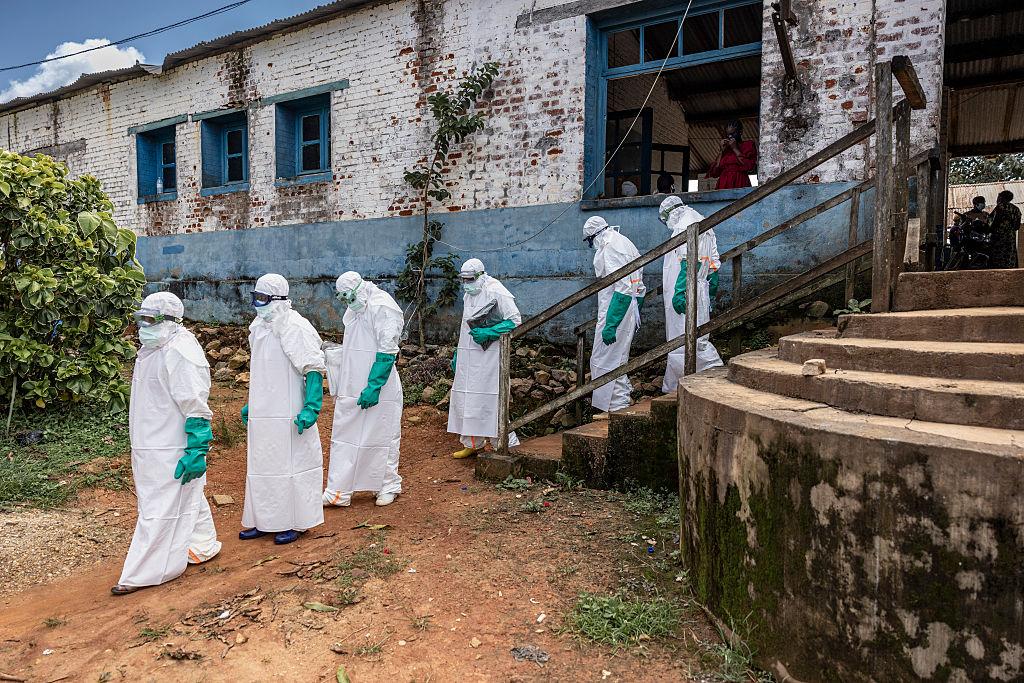
The Democratic Republic of Congo faced overlapping humanitarian and public health emergencies during the week, as serious disease outbreaks continued alongside armed attacks that threatened communities and disrupted healthcare services.
The country is dealing with an outbreak of Bundibugyo virus, a strain of Ebola, while also confronting what the World Health Organization has described as its worst cholera outbreak in decades. The scale of the public health challenge is significant, particularly because insecurity in affected areas can make it more difficult to reach patients, monitor disease transmission and maintain medical services.
Figures published during the review period showed the severity of the Ebola outbreak. The World Health Organization reported 10,668 confirmed cases and 5,198 deaths, using data up to 3 November. A separate update from the European Centre for Disease Prevention and Control recorded 10,741 confirmed cases and 5,230 deaths, with data up to 4 November.
The figures are not identical because they reflect different reporting cutoffs. They should remain separately attributed rather than being combined or presented as though they came from the same reporting update.
The cholera situation added another major concern. On 4 November, the WHO reported approximately 60,000 cases and 1,800 deaths during 2026. The reported scale of the outbreak underlined the additional pressure facing public health services as they respond to more than one serious disease emergency.
However, the health situation cannot be understood separately from the security environment. On 6 November, Allied Democratic Forces militants attacked communities in the Cantine–Aloya area of North Kivu, adding another layer of danger to an already difficult humanitarian situation.
Accounts of the attack reported different casualty figures. Reuters cited a local civil society representative who put the death toll at at least 30. The Associated Press, citing local civil society accounts, reported at least 33 deaths. The final independently verified figure remained unclear at the end of the review period.
More than 50 houses were also reportedly burned. In another troubling development, approximately 180 patients were reportedly evacuated from a healthcare facility, including people suspected of having Ebola.
The reported evacuation illustrates how insecurity can undermine an already difficult public health response. A disease response depends on more than medical supplies and treatment facilities. It also requires healthcare workers to reach communities, patients to access medical attention, suspected cases to be identified and monitored, and contacts to be followed up.
When armed attacks disrupt medical facilities, those activities become more difficult. Patients may be moved away from treatment centres, health workers may face obstacles reaching affected communities, and health authorities may have to deal with interruptions to surveillance and contact tracing.
For people already facing the threat of infection, the consequences can extend beyond the immediate danger of disease. Disruption to healthcare facilities can also affect access to other essential medical support. Families may be forced to seek treatment elsewhere, while people who have been evacuated may need to be located and followed up to maintain continuity of care.
The reported evacuation of patients suspected of having Ebola raises questions about how health authorities can maintain appropriate monitoring when people are moved because of insecurity. The subsequent status of every evacuated patient was not established in the reporting covered by this review. Further clarification from health authorities would therefore be important.
The attack also demonstrates why humanitarian response and security conditions cannot be treated as entirely separate concerns in affected communities. Medical facilities require a sufficiently secure environment to function, while efforts to control disease depend on the ability of health workers and public health teams to operate consistently.
The immediate priorities include restoring healthcare services in affected communities, locating and following up on evacuated patients, and maintaining disease surveillance despite insecurity. Further updates from health authorities will also be important in establishing how the Ebola and cholera outbreaks are developing.
The figures from the WHO and ECDC provide separate snapshots of the Ebola situation, while the cholera figures show the additional scale of the public health challenge. The reported North Kivu attack adds a security dimension that could complicate the response.
For DR Congo, the immediate concern is not only the number of reported infections or casualties. It is also whether medical services can continue reaching communities when armed violence threatens the facilities and people needed to deliver care. The country’s overlapping emergencies make that question central to the humanitarian outlook.
The crisis in DR Congo is one expression of the continent’s security challenges. Elsewhere, pressure has taken a different form, involving military transitions, diplomatic relations and the protection of essential infrastructure.
Story 2: African Security: Military Transitions and Diplomatic Tensions Put the Horn of Africa Under Pressure
Three separate developments involving Uganda, Somalia, Ethiopia and Sudan drew attention to the changing security and diplomatic environment in the Horn of Africa during the review period.
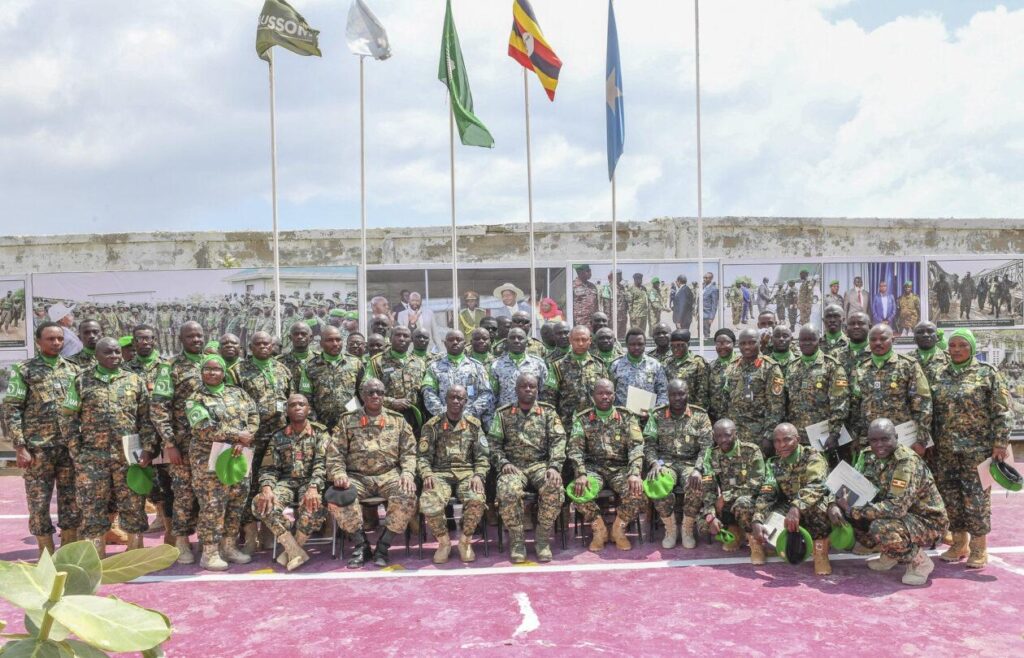
The first concerned Uganda’s military presence in Somalia. On 2 November, Uganda announced that it had begun a phased withdrawal of its troops from the country. Uganda’s military involvement in Somalia dates back to 2007, when its forces became part of the wider regional effort to support security operations and counter-insurgency activities.
The withdrawal is expected to take place over a phased period, with the stated timeline extending to the end of 2027. The announcement marks the beginning of a process; it does not mean that all Ugandan troops have already left Somalia.
The development comes as the African Union Support and Stabilisation Mission in Somalia, known as AUSSOM, prepares for changes in military deployments. During November rotations, AUSSOM was preparing to take over four military positions near Mogadishu.
The transition raises questions about how security responsibilities will be maintained as troop deployments change. The planned transfer of positions and Uganda’s phased withdrawal place attention on the capacity of the mission and Somali forces to sustain security arrangements, particularly in an environment where Al-Shabaab continues to pose a threat.
The timing and implementation of the withdrawal will therefore matter. A phased process requires clarity about which forces will assume responsibilities at different locations and how the transition will be managed. The expected end-of-2027 timeline remains a stated target for the process, not evidence that the withdrawal has been completed.
A second development involved relations between Ethiopia and Sudan. Ethiopia ordered the closure of Sudan’s consulate in Assosa and expelled six Sudanese consular staff, reportedly giving them 48 hours to leave.
The diplomatic dispute is linked to Sudanese allegations that drones used by the Rapid Support Forces operated from Ethiopian territory. Those allegations remain disputed. Ethiopia and the United Arab Emirates have denied allegations of supporting the RSF, and the claims concerning drone operations and external support should not be presented as established fact.
The consulate closure and expulsion of staff added a diplomatic dimension to an already sensitive regional relationship. Diplomatic representation provides a channel through which governments conduct official relations, communicate and address disputes. A decision to close a consulate and remove its staff is therefore a significant diplomatic step, even when the underlying allegations remain contested.
Sudan also experienced reported attacks on electricity infrastructure during the week. Substations in Al-Dabbah and Abu Hamad were reportedly damaged by drone attacks. Sudanese authorities and the Emergency Lawyers organisation attributed responsibility to the Rapid Support Forces.
That attribution must remain qualified. Responsibility for the reported attacks was not independently established in the reporting covered by this review. The reported damage nevertheless raises concerns about the vulnerability of civilian infrastructure during conflict.
Electricity infrastructure supports a range of essential services. Damage to substations can affect power distribution and create difficulties for services that depend on electricity. Water supply, healthcare facilities and communications are among the areas that can be affected when electricity infrastructure is disrupted.
The Ugandan withdrawal, the Ethiopia–Sudan diplomatic dispute and the reported attacks on Sudanese electricity infrastructure are separate developments. They should not be presented as evidence of one coordinated regional confrontation. Their significance lies in the different ways security pressures can affect military arrangements, diplomatic relations and civilian services.
Together, however, they illustrate the importance of regional security coordination and the protection of essential infrastructure. Military transitions require planning and continuity. Diplomatic disputes require careful handling, particularly when allegations remain contested. Civilian infrastructure also remains vulnerable when conflict affects the areas in which it operates.
The next developments to watch include the progress of Uganda’s phased withdrawal, the planned transfer of military positions to AUSSOM and further official statements concerning relations between Ethiopia and Sudan. Further information about the reported attacks on electricity infrastructure will also be important in clarifying the extent of the damage and responsibility.
Security pressures were not confined to military deployments and diplomatic relations. In other parts of Africa, political authority came under scrutiny through elections, parliamentary decisions and court proceedings.
Story 3: Africa News and Political Authority: Elections, Parliament and the Courts Face New Tests
Political developments in South Africa, Senegal and Tanzania showed three different ways in which political authority was tested during the week: through voting, legislative scrutiny and judicial proceedings.
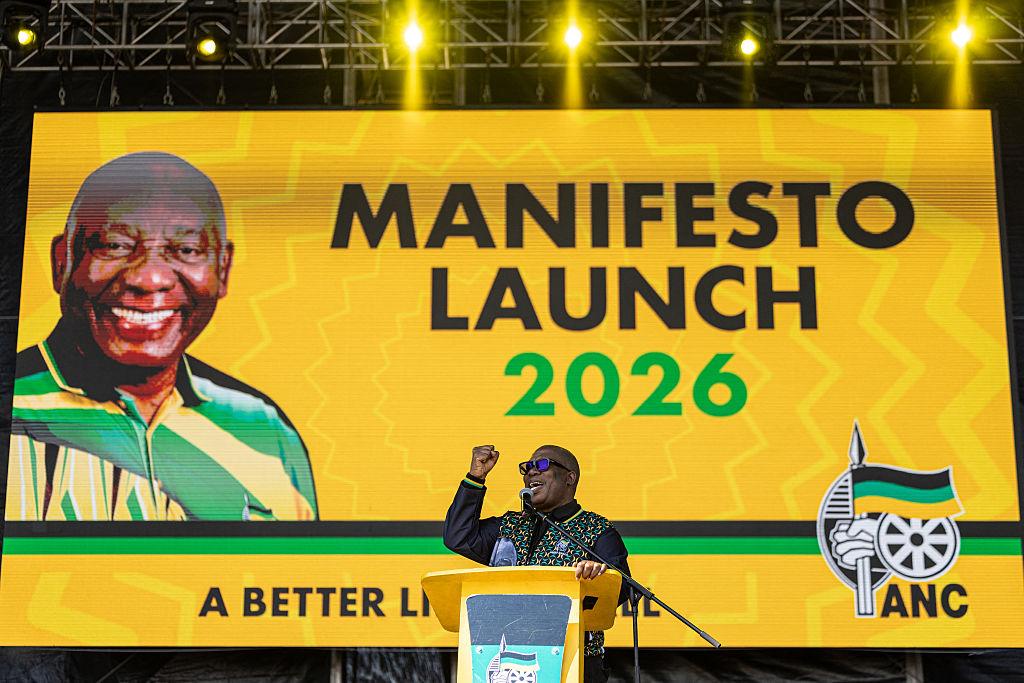
In South Africa, municipal elections took place on 4 November. As counting progressed, provisional results indicated declining support for the governing African National Congress. Later reporting placed the ANC at approximately 30 per cent, with more than 95 per cent of ballots counted.
Those figures were provisional at the end of the review period on the morning of 8 November. Final national results had not yet been officially declared by the cutoff. Results announced after 6:00 AM WAT on 8 November fall outside the period covered by this review.
Municipal elections are important because they determine political control at local government level. They can also influence coalition arrangements and the administration of local services. Provisional results may indicate the direction of voter preferences, but the final outcome is needed before conclusions can be drawn about the full distribution of political control.
For the ANC, the provisional figure reported during the review period pointed to an electoral challenge. However, the figures available at the cutoff did not provide a final national result. The next stage was the official confirmation of the election outcome and any subsequent developments involving local political arrangements.
In Senegal, the pressure came through parliament. The National Assembly rejected the government’s amended 2026 budget for the third time, extending a dispute over the government’s financial plans.
On 3 November, 126 out of 165 lawmakers voted against the proposal. The development was followed on 5 November by a request from the parliamentary finance committee that the government withdraw its proposed 2027 budget.
The repeated rejection placed the government’s budget process under further pressure and highlighted the legislature’s role in examining national spending plans. A budget sets out government priorities and provides a framework for public spending and financial management. Parliamentary disagreement over a proposal can therefore affect the process through which those priorities are debated and approved.
The committee’s request concerning the proposed 2027 budget added another dimension to the dispute. It indicated that the disagreement was not limited to one amended budget proposal but also involved the government’s next budget plans.
The political significance of the Senegal development is that lawmakers challenged the government’s financial proposals through the parliamentary process. Its economic implications are considered separately in the next narrative, where the country’s debt position and proposed international financial support are examined.
In Tanzania, the week’s major political and legal development concerned opposition leader Tundu Lissu. On 6 November, the High Court acquitted him of the principal treason charge but convicted him of incitement. He was sentenced to four years in prison.
The distinction between the two legal outcomes is essential. Lissu was acquitted of treason. The four-year sentence followed the separate conviction for incitement. Describing the judgment as a treason conviction would misrepresent the outcome reported during the review period.
Lissu’s detention began in April 2025. The judgment brought a major development in a case involving a prominent opposition figure and raised questions about the legal process and the implications for opposition politics.
The case also places attention on continuing debates about freedom of expression and the administration of justice. Those debates should be discussed without assuming motives or reaching conclusions that go beyond the reported judgment. The legal distinction remains that the court acquitted Lissu on the principal treason charge while convicting him of incitement.
The three countries illustrate different channels through which political authority can be tested. In South Africa, voters expressed their preferences in municipal elections, although the national results remained provisional at the review cutoff. In Senegal, lawmakers rejected the government’s amended budget and questioned the proposed 2027 budget. In Tanzania, a court delivered a judgment with direct consequences for a prominent opposition leader.
These developments are not identical, and they should not be reduced to a single political trend. They do, however, place attention on the institutions through which political decisions are made, challenged and reviewed.
The next developments to watch include South Africa’s official final election results, Senegal’s next steps in the budget process and any appeal or bail application in Lissu’s case.
Senegal’s parliamentary dispute also points to a wider question: how governments manage public finances when debt, budget priorities and access to international financial support are under pressure. That issue connects the political developments of the week to the wider challenges facing the African economy.
Story 4: African Economy: AGOA Uncertainty, Senegal’s Fiscal Strains and Ethiopia’s Revised GDP
Economic developments during the week highlighted three different challenges facing African countries: uncertainty over access to international markets, pressure on public finances and the interpretation of national economic performance.
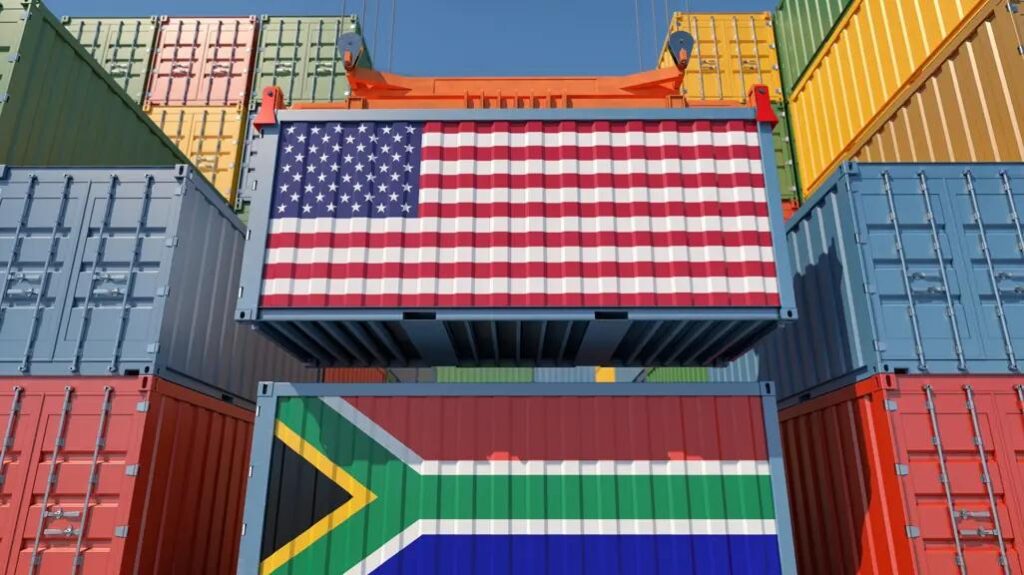
The first concerned the United States’ African Growth and Opportunity Act, commonly known as AGOA. On 2 November, the United States announced its intention to suspend South Africa and Rwanda from benefits under the programme. The proposed suspension was scheduled to take effect on 1 January 2027, but it had not been implemented by the end of the review period.
Established in 2000, AGOA provides eligible African countries with preferential access to the American market for a range of products. Its importance lies in the trade opportunities it offers eligible countries and businesses seeking access to the United States.
For South Africa, the potential exposure is substantial. The country exported approximately US$1.7 billion worth of goods to the United States under AGOA in 2025. The proposed suspension therefore raises questions about the future conditions under which South African exporters can access that market.
If implemented, the proposed change could affect exporters and manufacturers whose trade depends on preferential access. Businesses connected to those exports could face changes in market access, while workers and other participants in the affected industries could also be exposed to the consequences.
However, the status of the announcement must be clear. The United States had announced an intention to suspend South Africa and Rwanda from AGOA benefits, with a proposed effective date of 1 January 2027. It was not an implemented suspension during the week under review.
That distinction matters for businesses and policymakers assessing the situation. A proposed policy change creates uncertainty, but it should not be reported as though the change has already taken effect.
Senegal’s economic situation presented a different set of challenges. The country’s repeated budget dispute in parliament was unfolding against a difficult fiscal background.
Senegal’s public debt was estimated at 132 per cent of gross domestic product at the end of 2024. The revised growth projection stood at 2.7 per cent, while the proposed budget deficit target was 7.6 per cent of GDP.
The country was also discussing a proposed financial programme with the International Monetary Fund worth approximately US$2.2 billion. The programme remained proposed in the reporting covered by this review and should not be described as an approved disbursement.
These figures help explain why the budget dispute has an economic dimension beyond the parliamentary votes. Government spending plans, debt levels, growth expectations and the availability of international financial support are connected parts of public financial management.
The government’s challenge is to manage public finances while addressing debt pressures and navigating disagreement over its budget proposals. The repeated rejection of the amended 2026 budget and the finance committee’s request concerning the proposed 2027 budget therefore take place within a wider fiscal context.
The political and economic dimensions should remain distinct. The parliamentary votes are the immediate political development. The debt estimate, growth projection, deficit target and proposed IMF programme provide the fiscal context in which the budget dispute is taking place.
A third development came from Ethiopia, where the government announced a major revision of its national economic accounts. Following a change in the base year used to calculate gross domestic product, the estimated size of the economy for the 2024–2025 financial year increased by approximately 59.2 per cent.
The revised estimate reached US$201.42 billion, compared with the previous estimate of US$126.4 billion.
The increase requires careful interpretation. It resulted from statistical rebasing, which changes the method and reference year used to measure the size of an economy. It does not mean that household wealth, government revenue or living standards increased by 59.2 per cent.
A revised GDP estimate changes the measured size of economic activity. It does not, by itself, establish that individual households have become wealthier or that the government has received an equivalent increase in revenue. A larger measured economy should not automatically be interpreted as a richer population.
The revised figures provide a new statistical estimate of Ethiopia’s economy. Their implications for assessments of government revenue, public debt and economic performance will need to be considered in the context of the revised national accounts.
Taken together, the three developments show why the African economy cannot be understood through one measure or one policy announcement. South Africa and Rwanda faced uncertainty over preferential access to the American market. Senegal faced difficult questions about debt, budget priorities and international financial support. Ethiopia revised the statistical measurement of its economy, creating a new baseline for assessing its size.
The next milestones include the proposed AGOA implementation date in January 2027, Senegal’s budget process and discussions concerning its proposed IMF programme, and the way Ethiopia’s revised economic figures are incorporated into future assessments.
Trade access, fiscal management and economic measurement all matter to development. But the delivery of economic activity and public services also depends on infrastructure. Across the continent, regional electricity and energy initiatives are intended to strengthen those foundations through cross-border cooperation.
Story 5: Regional Energy Projects: Africa Pursues Cross-Border Electricity and Infrastructure Connections
While several countries faced immediate humanitarian, security and economic pressures, regional institutions and governments continued pursuing projects intended to improve electricity access and strengthen infrastructure connections across national borders.
In West Africa, the ECOWAS Regional Electricity Access Project reported that it had extended electricity to 490 localities and reached nearly 500,000 people across The Gambia, Guinea-Bissau and Mali.
The six-year project received US$225 million in financing. Its final steering committee meeting took place on 2 and 3 November, while the project was scheduled to close on 31 December 2026.
The reported reach provides an indication of the scale of the electricity access effort. Extending electricity connections to localities can support households and public facilities, while reliable power is also important for businesses and everyday economic activity.
For communities reached by the project, the value of an electricity connection depends on more than the initial installation. The service must continue to function if households, schools, healthcare facilities and businesses are to rely on it.
That makes the approaching project closure an important moment. The reported figures describe the project’s reach, but they do not by themselves settle the question of long-term maintenance. Arrangements for maintaining infrastructure and sustaining reliable electricity supply remain important issues.
The distinction is between extending access and maintaining service. A project may report that localities have been connected, but the longer-term benefit depends on whether those connections continue to provide dependable electricity after the project closes.
In East Africa, Uganda and Tanzania were reported to be moving towards stronger oversight of the East African Crude Oil Pipeline, a project valued at approximately US$5 billion.
The development highlights the importance of cooperation and regulation around major infrastructure that crosses national borders. Projects of this scale involve more than construction. Their oversight and regulation are also important parts of the arrangements between the countries involved.
However, the reporting covered in this review did not establish that a new regulatory agreement had been completed or that a new regulatory body had already been created. The development should therefore be described as movement towards stronger oversight, not as a completed regulatory arrangement.
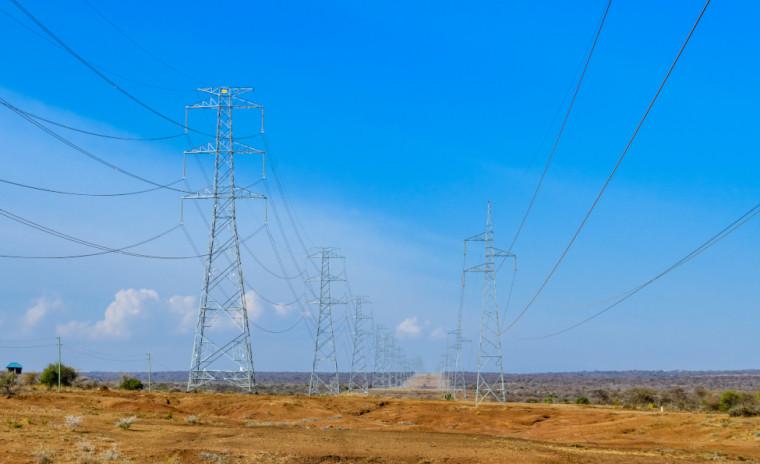
The third development concerned a planned electricity connection between Zambia and Tanzania. Zambia announced that a high-voltage electricity transmission connection with Tanzania was expected to become operational in 2029.
The proposed connection could support stronger electricity trading and the sharing of power resources between the two countries. Cross-border transmission links can provide a framework for countries to connect electricity networks and cooperate in the use of available power resources.
But the 2029 date remains an announced operational target. The connection was not complete during the review period, and the target should not be presented as a guaranteed completion date. Its delivery will depend on the progress of the project.
The three initiatives are at different stages and have different purposes. The ECOWAS project reported that it had reached 490 localities and nearly 500,000 people. The Uganda–Tanzania development concerns stronger oversight of an oil pipeline. The Zambia–Tanzania electricity connection remains a future project with a stated operational target of 2029.
They should not be treated as interchangeable achievements. One concerns reported electricity access, another concerns the oversight of major energy infrastructure, and the third concerns a planned electricity transmission connection.
Their common feature is the importance of cooperation across national borders. Regional energy infrastructure requires governments and institutions to coordinate plans, establish appropriate oversight and sustain projects beyond their initial implementation periods.
The ECOWAS project raises the question of how electricity connections will be maintained after its scheduled closure. The EACOP development places attention on the arrangements for stronger oversight. The Zambia–Tanzania connection will need to progress before its announced operational target can become a functioning link.
These projects demonstrate the potential value of regional investment and cooperation, but their long-term contribution will depend on implementation. Financing and announcements are important stages, yet communities and businesses benefit when infrastructure is completed, regulated where necessary and maintained.
The real measure of progress will be whether these initiatives translate into reliable services and lasting improvements in people’s lives.
Conclusion: The Week’s Defining Challenge Is Turning Commitments into Results
The five narratives in this Africa news review reveal a continent dealing with immediate pressures while continuing to pursue longer-term development goals.
DR Congo’s overlapping disease outbreaks and armed violence demonstrate the human cost when insecurity disrupts essential services. Developments in the Horn of Africa show how military transitions, diplomatic disputes and reported threats to civilian infrastructure can complicate regional stability. In South Africa, Senegal and Tanzania, elections, parliamentary decisions and court proceedings placed political institutions under scrutiny.
Economic developments raised further questions about trade access, public debt and the measurement of national performance. At the same time, regional electricity and infrastructure initiatives showed the opportunities created by cooperation between countries.
These events do not amount to one single continental crisis. They represent different challenges requiring different responses. Yet they point to a common test: whether governments and regional institutions can turn decisions, financial commitments and announced plans into practical results.
Across the continent, the importance of effective institutions, responsible governance, regional cooperation and sustained implementation remains clear. Ultimately, Africa’s development ambitions will be judged not only by the commitments made, but by the lasting benefits delivered to its people.
About the Author