INTRODUCTION
The international news agenda between 19 and 20 November 2026 has been shaped by humanitarian tragedy, international justice, financial uncertainty and political disagreements across several regions.
In West Africa, the recovery of four bodies following a migrant boat disaster off Senegal has once again drawn attention to the dangerous journeys undertaken by people attempting to reach Europe through irregular migration routes.
In Asia, the International Court of Justice’s finding against Myanmar over genocide against the Rohingya has generated international reactions, placing renewed focus on accountability, human rights and the future of displaced communities.
Meanwhile, financial markets across Asia have suffered significant losses as concerns about the sustainability of artificial intelligence investment persist despite the high-profile market debut of Anthropic.
Other developments include major protests in Colombia over proposed tax reforms, Brazil’s recognition of Indigenous land rights, growing divisions over the next United Nations Secretary-General and renewed debate over Ukraine’s future security arrangements.
This Global Daily News Review examines five major narratives and the wider implications for Africa and the international community.
STORY 1: Senegal Migrant Boat Tragedy Leaves Four Dead as West Africa’s Migration Crisis Deepens
The recovery of four bodies following a migrant boat disaster off Senegal has renewed concerns about the growing dangers associated with irregular migration from West Africa towards Europe.
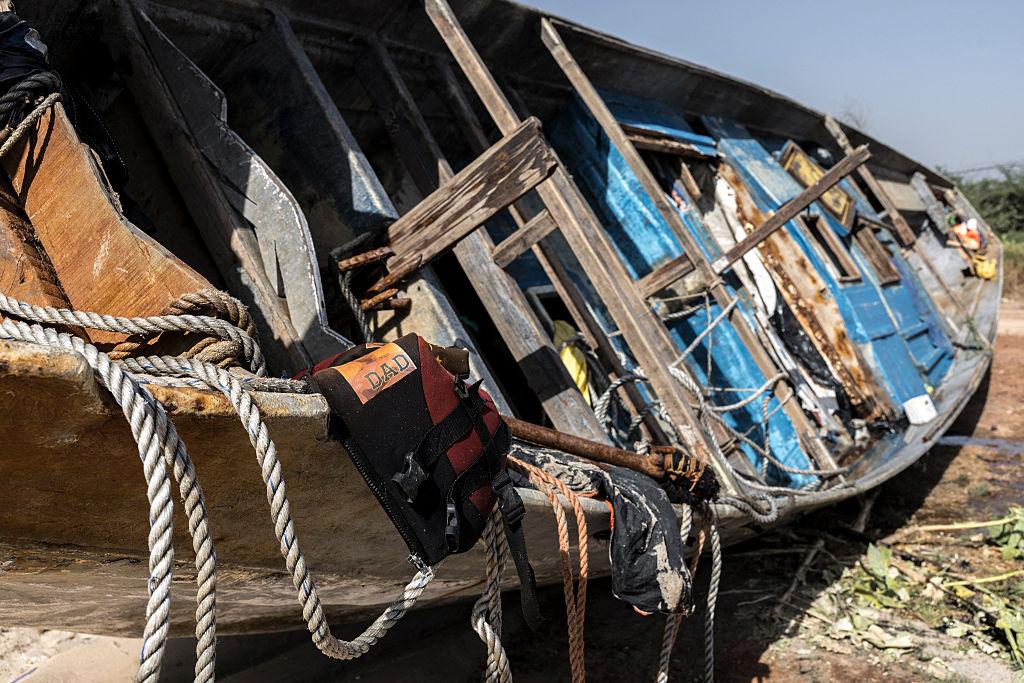
The boat capsized near the coastal town of Yenne, south of Dakar, while carrying people attempting to undertake the dangerous Atlantic journey towards Spain’s Canary Islands.
According to Al Jazeera’s report on the Senegal boat tragedy, four bodies had been recovered as authorities continued searching for survivors. A local official said at least 50 people were aboard the vessel.
The boat reportedly struck a rock while migrants were being transferred from smaller fishing vessels to a larger wooden pirogue. The precise number of people still missing remained unclear in the report.
The incident is part of a wider migration crisis affecting the West African coast, where thousands of people continue to risk their lives attempting to reach Europe through irregular routes.
Figures cited in the report from Spain’s Interior Ministry showed that 24,364 migrants reached the Canary Islands between January 1 and November 15, compared with 14,690 during the same period in the previous year.
That represents an increase of nearly two-thirds.
The United Nations refugee agency also reported that nearly 600 people had died attempting to reach the Canary Islands from West Africa during the year.
Senegalese authorities have increased operations against migrant-smuggling networks. The country’s National Division for Combating Migrant Smuggling reported that thousands of people had been intercepted in operations linked to irregular migration.
However, enforcement alone has not removed the economic and social pressures driving people towards dangerous journeys.
Why the Senegal tragedy matters to Africa
The disaster raises difficult questions about youth unemployment, economic inequality, human trafficking, irregular migration and the responsibilities of governments to create opportunities at home.
For Nigeria and other West African countries, the story is particularly relevant. Young people across the region continue to face difficult choices between remaining in environments with limited economic opportunities and risking dangerous journeys abroad.
The challenge is not simply to stop boats from departing. It is to address the conditions that make such journeys appear attractive in the first place.
The Senegal tragedy is another reminder that migration policy must combine border enforcement with employment, education, development and protection against human trafficking.
STORY 2: Myanmar Genocide Ruling Against Rohingya Raises Questions About International Justice
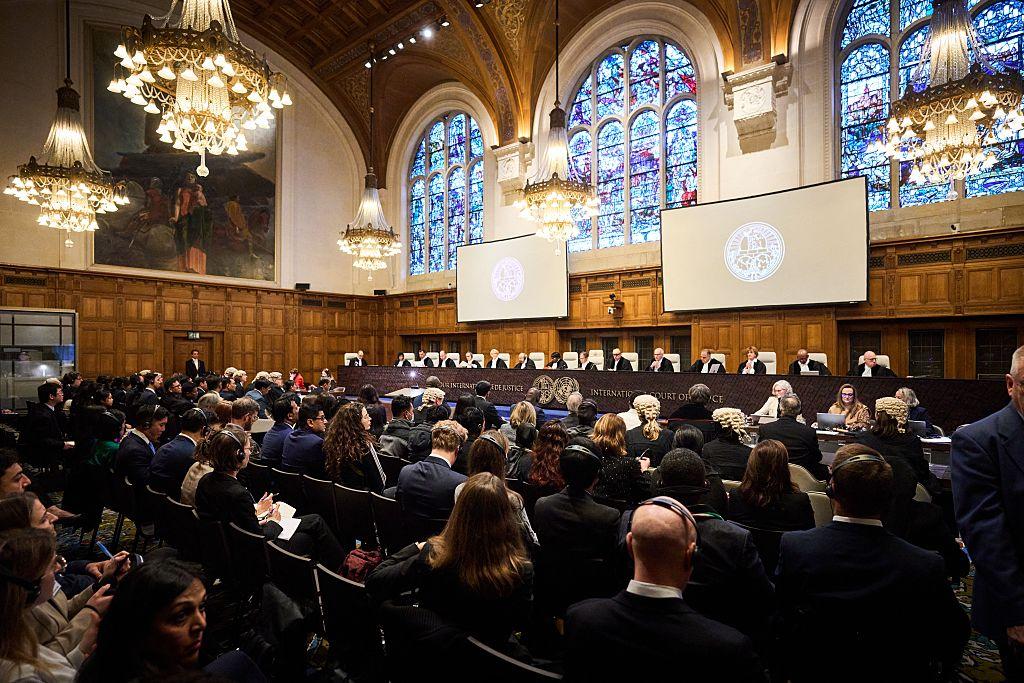
The International Court of Justice’s finding against Myanmar over genocide against the Rohingya has placed international attention once again on one of the world’s most serious humanitarian and human rights crises.
The Rohingya, a predominantly Muslim minority from Myanmar’s Rakhine State, have experienced years of persecution, displacement and restrictions on their rights.
Hundreds of thousands fled to neighbouring Bangladesh during military operations, creating one of the largest refugee populations in the world.
The latest development has generated reactions from governments, international organisations and human rights advocates.
In its report, Al Jazeera examined international reactions to the ICJ finding against Myanmar, highlighting the importance of the decision for survivors and displaced communities.
The legal development is significant because international justice proceedings can establish responsibility, strengthen the historical record and provide a basis for further accountability measures.
However, a legal finding does not automatically resolve the situation facing displaced people.
Many Rohingya remain outside their homeland, particularly in Bangladesh, where refugee communities continue to face difficult living conditions and uncertainty about their future.
The question of safe, voluntary and dignified return remains central to the crisis.
Why the Myanmar ruling matters to Africa
Africa has experienced several conflicts involving mass displacement, ethnic violence, persecution and allegations of serious international crimes.
The ICJ development therefore has relevance beyond Southeast Asia.
It raises questions about how international institutions respond to atrocities, how governments are held accountable and whether victims can obtain justice when national authorities are unwilling or unable to provide it.
For African governments, the ruling also reinforces the importance of protecting minority populations, strengthening judicial institutions and respecting international humanitarian obligations.
The larger issue is whether international legal decisions can translate into practical protection for vulnerable communities.
Justice must not end with a courtroom decision. It must also address the conditions that allow persecution and displacement to continue.
STORY 3: Asian Stock Markets Fall as AI Investment Fears Persist Despite Anthropic’s Market Debut
Global technology markets are facing renewed uncertainty after major Asian stock exchanges recorded significant losses, raising fresh questions about the sustainability of the artificial intelligence investment boom.
The market declines occurred despite the high-profile public market debut of Anthropic, the company behind the Claude artificial intelligence platform.
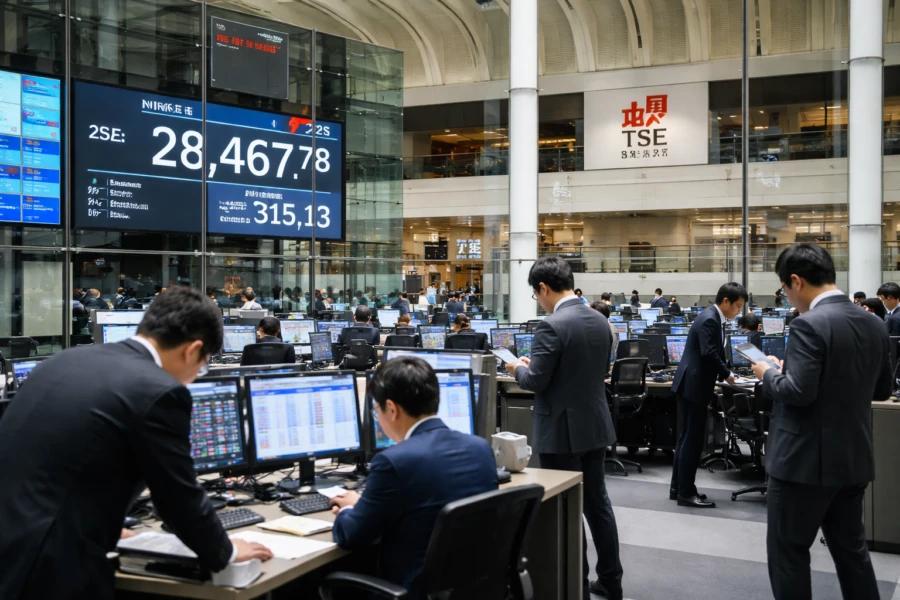
According to Al Jazeera’s financial markets report, markets in Japan, South Korea, Taiwan and Hong Kong suffered sharp declines as investors remained concerned about the scale of investment being directed towards artificial intelligence.
Japan’s Nikkei 225 fell 5.1 per cent, while South Korea’s Kospi declined 5.2 per cent.
Taiwan’s Taiex dropped 6.2 per cent, and Hong Kong’s Hang Seng Index closed 1.9 per cent lower.
The declines reflect concerns that the rapid growth of artificial intelligence companies may not translate into profits at the level investors currently expect.
Technology companies have committed enormous financial resources to developing AI infrastructure, including data centres, advanced processors, software and cloud computing services.
However, investors are increasingly asking whether the expected commercial returns can justify the scale of spending.
Anthropic’s market debut generated considerable attention. The company reportedly raised $81.3 billion in its initial public offering, making it one of the largest public offerings in financial market history.
Its shares rose during the first day of trading, but that performance did not prevent broader technology markets from falling.
The report also highlighted the exposure of Asian markets to the global AI industry. South Korean chipmakers, Taiwanese semiconductor manufacturers and Japanese technology investors are deeply connected to the infrastructure supporting artificial intelligence.
Why the AI market uncertainty matters to Nigeria and Africa
Artificial intelligence is becoming increasingly important to African businesses, financial institutions, education, healthcare, media and government services.
However, the technology’s future depends not only on innovation but also on investment, infrastructure, electricity, computing capacity and sustainable business models.
A significant correction in global technology markets could affect investment flows, technology company valuations and the availability of capital for emerging digital businesses.
For African countries, the lesson is that adopting artificial intelligence should be accompanied by realistic economic planning.
Businesses should evaluate the practical value of AI systems rather than simply following global investment excitement.
The future of artificial intelligence may remain promising, but investors are increasingly demanding evidence that the technology can deliver sustainable financial returns.
STORY 4: Colombia’s Tax Protests Reveal Growing Tensions Over Living Costs and Government Policy
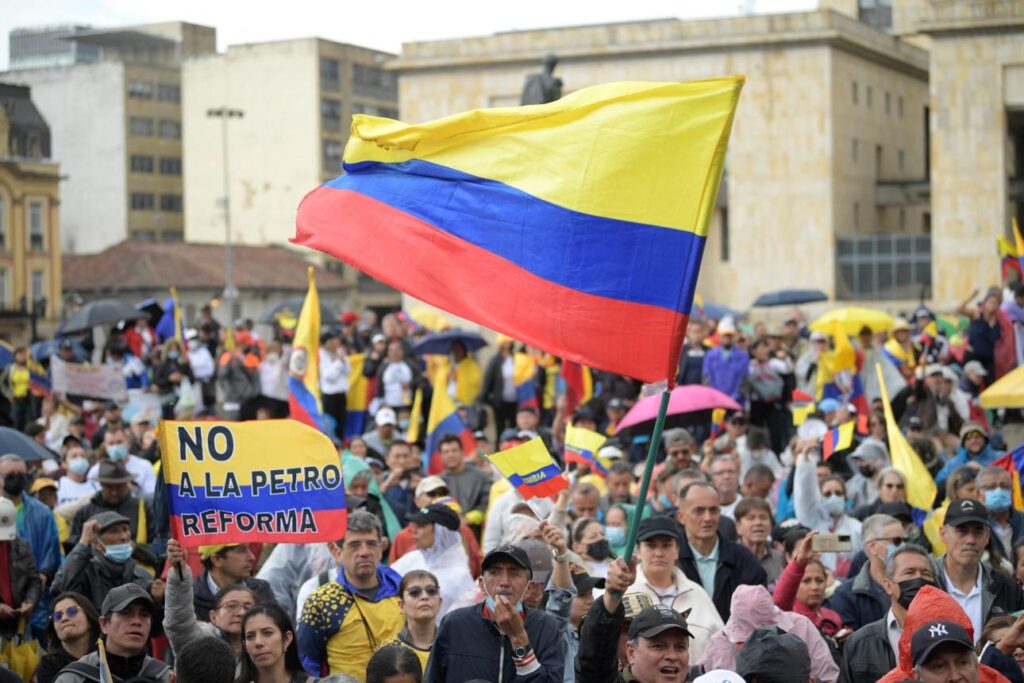
Thousands of people have taken to the streets in Colombia to protest proposed tax reforms and rising living costs, creating fresh political pressure for President Abelardo de la Espriella’s government.
The demonstrations involved trade unions, students and opposition groups in Bogota and other major cities.
According to Al Jazeera’s report on the Colombian protests, demonstrators opposed proposals that would lower the income tax threshold, increase healthcare contributions and reduce corporate taxes.
The proposed changes have generated concerns among sections of the population who fear that more households could face additional financial pressure.
The government has defended the reforms as necessary to raise revenue amid a serious fiscal challenge.
The country’s next-year budget deficit has been projected at 9.4 per cent of gross domestic product, according to the report.
However, critics argue that the proposed policies could place an unfair burden on ordinary citizens.
The demonstrations were largely peaceful, although some areas experienced clashes with riot police, including the use of tear gas and water cannon.
The protests also unfolded amid controversy over the country’s security cooperation with the United States.
US Defence Secretary Pete Hegseth had visited Colombia to discuss regional security cooperation and efforts against organised crime.
Why Colombia’s protests matter to Africa
Across Africa, governments face difficult decisions about taxation, public spending, subsidies, healthcare financing and economic reforms.
Colombia’s experience demonstrates how economic policies can become politically sensitive when citizens believe the costs are falling disproportionately on households.
For Nigeria, where inflation, living costs, taxation and public revenue remain important subjects of national debate, the protests provide an opportunity to examine the relationship between fiscal policy and public trust.
Governments need revenue to provide infrastructure and public services. However, tax policies must also be transparent, fair and supported by credible explanations of how the revenue will be used.
The central lesson is that economic reform cannot be measured only by government revenue targets. Its impact on households and businesses must also be considered.
STORY 5: Brazil Recognises Indigenous Land as Lula Visits Ailing Amazon Defender
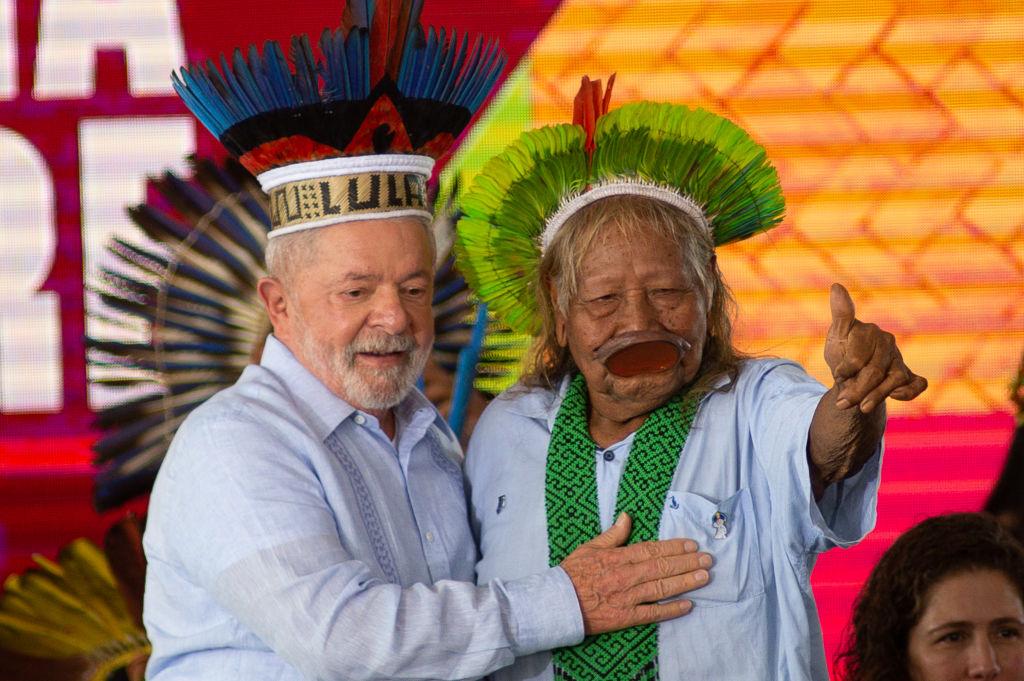
Brazilian President Luiz Inácio Lula da Silva has visited Indigenous leader Raoni Metuktire as the country’s government moves towards recognising ancestral land belonging to Indigenous communities.
The development is significant for the protection of Indigenous rights and the preservation of the Amazon rainforest.
Raoni, a 94-year-old Indigenous leader and internationally recognised environmental advocate, has spent decades campaigning for the protection of Indigenous territories and the Amazon.
According to Al Jazeera’s report on Lula’s visit and Brazil’s recognition of Indigenous land, the government recognised the Kapot Nhinore territory as belonging to the Mebengokre and Yudja peoples.
The territory covers approximately 362,000 hectares and is an important step towards formal land demarcation.
The Brazilian government described the decision as part of efforts to strengthen Indigenous land rights and protect communities whose territories face pressure from agriculture, illegal mining and logging.
Raoni has campaigned for the protection of the land for decades.
The recognition is particularly important because Indigenous territories are considered significant barriers against deforestation and the destruction of natural ecosystems.
However, the process is not without opposition. Some rural producers have raised concerns about the economic consequences of land demarcation for people living and farming in the affected area.
Why Brazil’s decision matters to Africa
African countries face similar challenges involving traditional communities, land ownership, environmental protection, mining, agriculture and development.
The recognition of Indigenous land in Brazil raises questions about how governments can balance economic development with the rights of communities that have historically occupied and protected their territories.
For African countries with major forests, wetlands, wildlife reserves and mineral resources, the issue is particularly relevant.
Development should not automatically mean the displacement of vulnerable communities or the destruction of natural resources.
The Brazilian experience offers an opportunity to examine how environmental protection, traditional land rights and economic policy can be addressed together.
CONCLUSION: HUMAN RIGHTS, TECHNOLOGY AND ECONOMIC PRESSURES SHAPE THE GLOBAL AGENDA
The developments covered in this Global Daily News Review demonstrate the wide range of issues shaping international affairs.
The migrant boat disaster off Senegal highlights the human cost of irregular migration and the urgent need to address its underlying economic causes.
The Myanmar genocide ruling reinforces the importance of international justice and the responsibility of governments to protect vulnerable communities.
The decline in Asian stock markets reveals growing uncertainty about the financial sustainability of artificial intelligence investment, despite the technology’s enormous potential.
In Colombia, public protests demonstrate the political consequences of economic reforms when citizens fear that rising costs and taxation will place additional pressure on households.
Meanwhile, Brazil’s recognition of Indigenous land rights highlights the importance of protecting traditional communities and natural resources.
These are separate developments, but together they reveal a world confronting difficult questions about economic opportunity, justice, technology, governance and human dignity.
For Africa, the challenge is to understand these international developments not merely as distant headlines but as lessons with implications for the continent’s own policies, institutions and future.
This is the Global Daily News Review from DSG HERALD NEWS.
About the Author