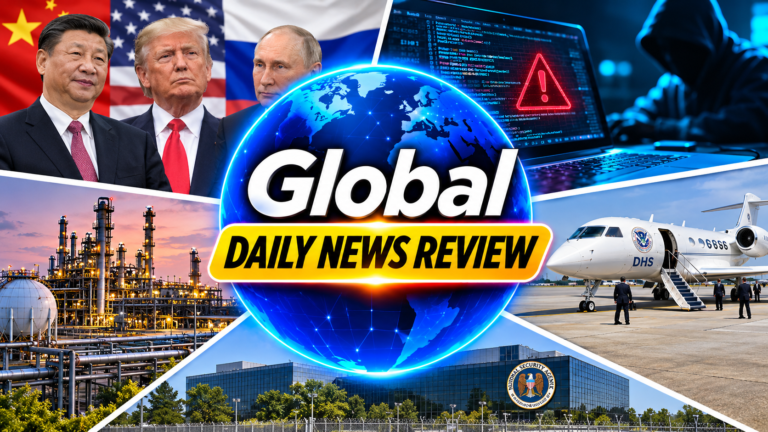
Global Daily News Review: Five Major International Developments
INTRODUCTION
The international news agenda between 18 and 19 November 2026 has been dominated by renewed geopolitical tensions, diplomatic manoeuvring, military confrontations and economic decisions with implications beyond national borders.
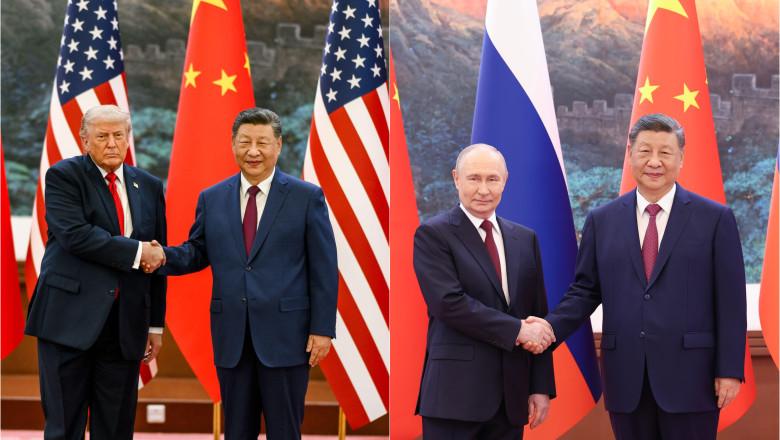
In China, United States President Donald Trump, Chinese President Xi Jinping and Russian President Vladimir Putin are preparing for an unprecedented trilateral meeting in Shenzhen, with the wars in Ukraine and Iran, nuclear arms control and international trade among the issues attracting attention.
Meanwhile, the conflict involving Iran and the United States continues to threaten shipping and energy infrastructure across the Gulf. Ukraine has intensified pressure on a strategically important Russian transport link, while Israel’s latest military operation in central Gaza has raised further questions about the durability of the ceasefire.
On the economic front, the European Union has moved closer to a major trade agreement with Indonesia, while international oil markets are balancing concerns about regional supply disruptions against expectations of increased global supply.
These five major narratives explain the developments shaping this reporting period and the wider consequences for international security, diplomacy, trade and ordinary people.
STORY 1: Trump, Xi and Putin Prepare for Historic Trilateral Meeting in China
The planned meeting between United States President Donald Trump, Chinese President Xi Jinping and Russian President Vladimir Putin has become the central diplomatic development of the international news cycle.
The three leaders are gathering in Shenzhen, China, on the sidelines of the Asia-Pacific Economic Cooperation (APEC) Economic Leaders’ Meeting. It would be their first meeting together in a trilateral format.
According to the Associated Press report on the planned Trump-Xi-Putin meeting, Trump has identified nuclear arms control and efforts to address the wars in Ukraine and Iran as important issues for the discussions. The leaders’ separate bilateral engagements have also attracted attention, with Trump meeting Xi and Putin individually ahead of the planned trilateral talks.
The meeting comes at a time when relations among the three countries remain complicated by disagreements over trade, technology, military security and international conflicts.
One of the most difficult issues is nuclear arms control. The previous New START nuclear arms agreement between the United States and Russia expired in February 2026. Trump has expressed interest in a new agreement that would also include China.
However, China has shown limited enthusiasm for joining nuclear negotiations under the same framework, partly because its nuclear arsenal is considerably smaller than those of the United States and Russia.
The Ukraine war is another sensitive issue. Kyiv and its European partners are concerned that negotiations involving Washington and Moscow could influence Ukraine’s future without sufficient Ukrainian participation.
The Iran conflict and the security of the Strait of Hormuz are also relevant to the discussions because disruptions to shipping in the Gulf have consequences for international energy supplies.
Despite the diplomatic importance of the gathering, expectations of immediate breakthroughs remain cautious. The meeting itself does not establish that the three governments have reached an agreement.
The key question is whether the discussions will produce practical commitments or remain largely symbolic.
STORY 2: Iran Conflict Escalates as Gulf Shipping and Energy Security Face Renewed Threats
The conflict involving Iran, the United States and regional actors continued to create security concerns across the Gulf, with military attacks and threats to commercial shipping raising questions about the stability of one of the world’s most important energy corridors.
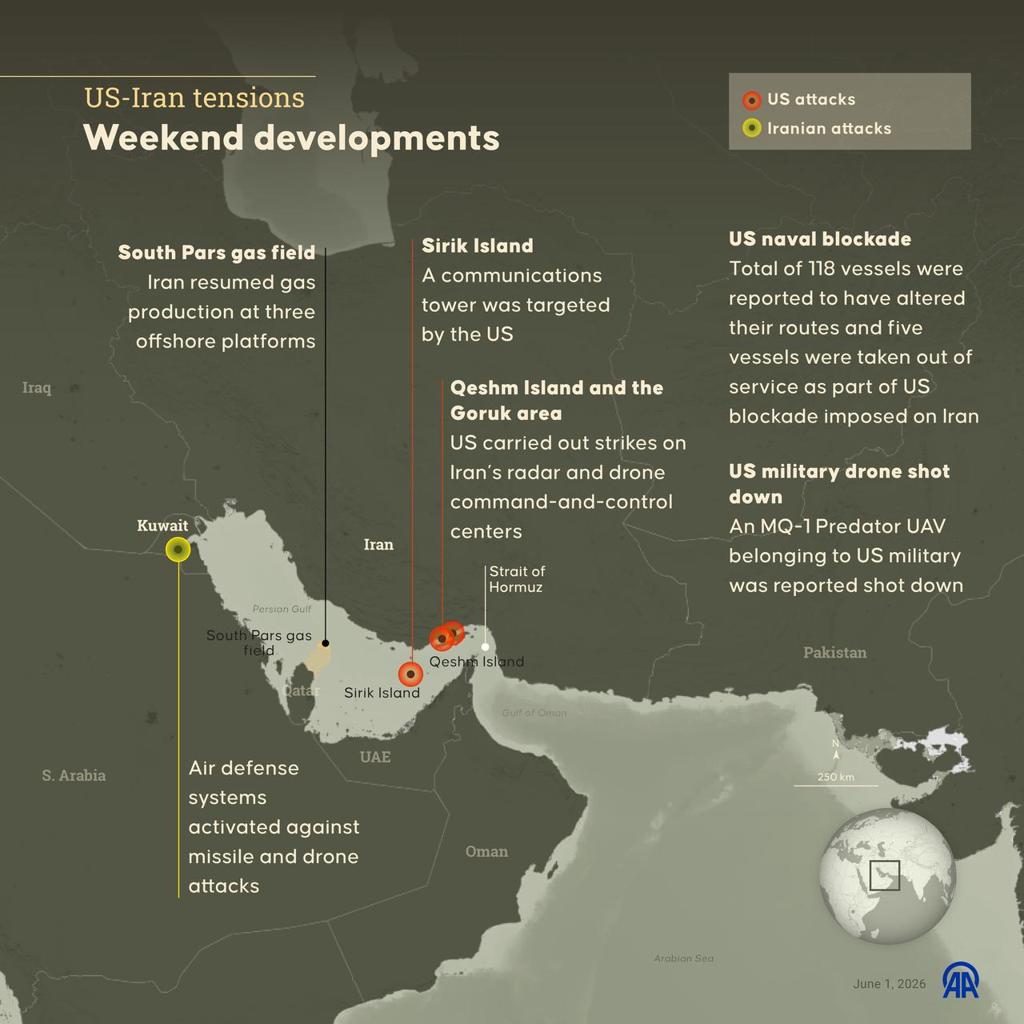
Iran said it attacked United States drone and missile sites in Kuwait following an American strike on Qeshm Island near the Strait of Hormuz.
Bahrain also reported intercepting Iranian attacks. The developments represent a widening of the confrontation beyond the immediate US-Iran military theatre.
The security situation has also affected commercial shipping. Abu Dhabi National Oil Company Logistics and Services (ADNOC L&S) reported that one crew member was missing and 11 others injured following an attack on one of its vessels in the Strait of Hormuz.
An LPG tanker was also struck by a projectile off Oman’s coast earlier in the week, forcing its crew to evacuate.
The Reuters report on the uncertainty surrounding the Gulf conflict highlights the difficulty of predicting when the confrontation could end and the implications for regional security.
The Strait of Hormuz is strategically important because a substantial share of international oil and gas shipments passes through the narrow waterway. Continued disruption can increase transportation costs, insurance premiums and uncertainty in energy markets.
The wider regional conflict also involves Yemen’s Iran-aligned Houthi movement. Saudi officials have warned that fighting involving the Houthis could continue for months. The group has been accused of attacking shipping and infrastructure, adding another dimension to the regional security crisis.
Diplomatic efforts involving regional governments and international mediators have continued, but the available reporting does not establish a clear timetable for ending the conflict.
The consequences extend beyond the countries directly involved. Higher shipping costs, interrupted petroleum flows and uncertainty about energy supplies can affect businesses and consumers worldwide.
Meanwhile, Reuters reporting on oil prices and expectations of surplus supply illustrates how traders are weighing geopolitical supply risks against broader market conditions.
STORY 3: Ukraine Strikes Crimean Bridge Again as Russia Faces Fresh Military and Economic Pressure
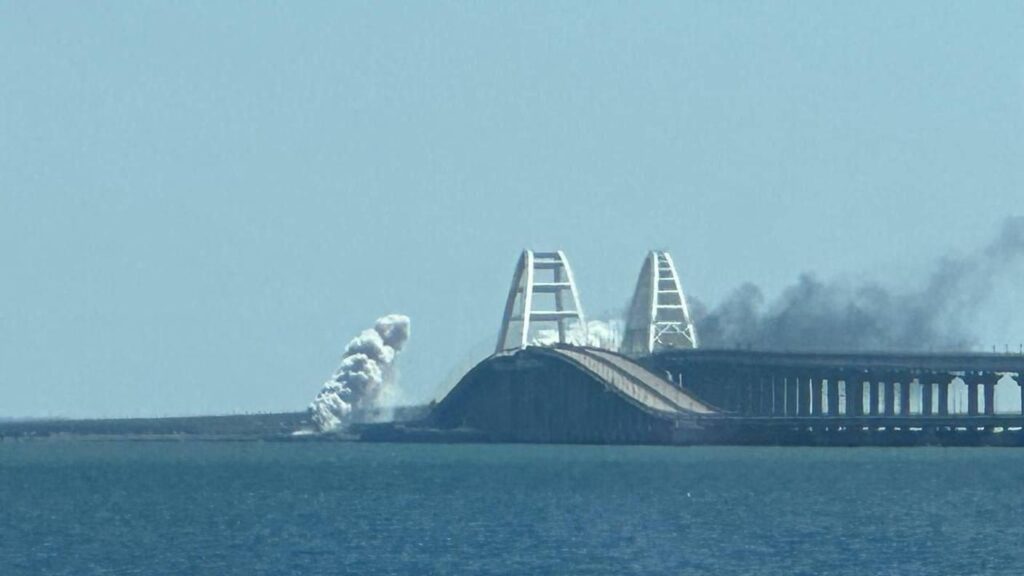
Ukraine’s campaign against Russian infrastructure continued with another reported attack on the Crimean Bridge, marking the third reported attack on the strategic crossing within one week.
According to Reuters reporting on the latest Crimean Bridge attack, traffic was temporarily suspended following the latest incident, with Russian-installed Crimean governor Sergei Aksyonov saying that authorities were assessing the damage.
The 19-kilometre bridge connects mainland Russia with Crimea, which Russia annexed in 2014. It is an important transport route and a major symbol of Moscow’s control over the peninsula.
The latest attack follows earlier Ukrainian drone and missile strikes that reportedly caused serious damage to the bridge’s road section.
The repeated attacks have created additional logistical pressure for Russia and have become an important part of the wider conflict over military supply routes and infrastructure.
Russia has also faced attacks on energy infrastructure. A Washington Post report on Ukrainian attacks against Russian refining facilities and the resulting fuel pressures described the impact on a substantial portion of the country’s refining capacity and concerns about domestic fuel supplies.
The attacks come as Putin prepares for discussions with Trump and Xi in China.
The diplomatic timing is significant. The Ukraine war remains a central issue in relations between Moscow and Washington, while Kyiv and European governments are concerned about any settlement discussions that could affect Ukraine’s territory or security without its full participation.
The latest bridge attack does not, by itself, establish a change in the overall military balance. However, it demonstrates the continuing vulnerability of strategic infrastructure and the importance of logistics in the conflict.
STORY 4: Israel Launches New Ground Operation in Central Gaza as Displaced Palestinians Flee
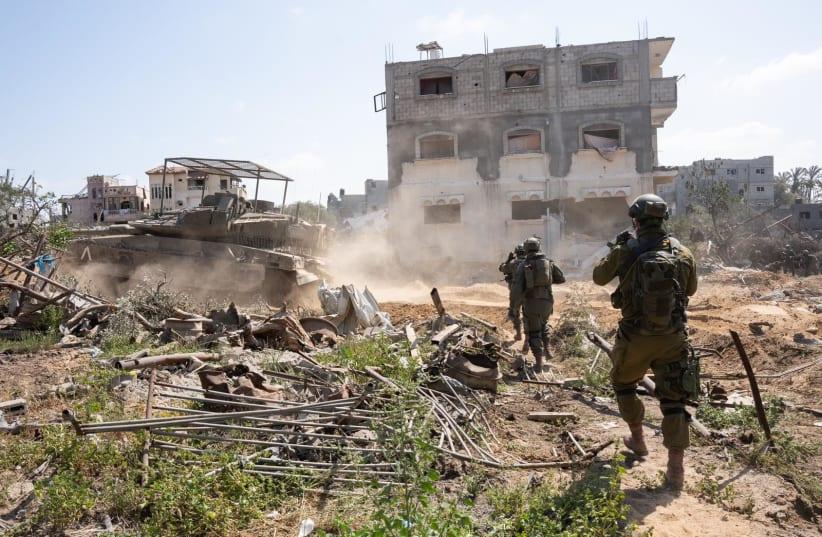
The fragile ceasefire in Gaza has come under renewed pressure after Israeli forces launched a ground operation in central parts of the territory.
Reuters reported that Israeli tanks advanced along the Salahudeen road and into an area from which Israeli forces had withdrawn under the October 2025 ceasefire arrangement.
The Israeli military described the operation as a targeted activity intended to dismantle a tunnel it considered a threat to its troops. It said civilians had been warned to avoid the area.
Hamas condemned the operation, describing the military advance and displacement of Palestinians as a violation of the ceasefire.
Dozens of Palestinians reportedly fled their tents and temporary shelters as the operation developed. Many of those affected had already been displaced several times since the war began in 2023.
Palestinian medics reported deaths in separate incidents involving Israeli fire and an airstrike on Wednesday. The Israeli military gave a different account of some of the incidents, saying it had struck a militant in Gaza City.
The ceasefire, which was intended to halt major fighting and establish a pathway towards a more stable arrangement, has not ended all military operations or resolved the outstanding questions surrounding Hamas’s disarmament and Israeli military control.
Gaza health authorities say at least 1,600 Palestinians have been killed since the ceasefire took effect, while the Israeli military reports that five Israeli soldiers have died during the same period.
The latest operation raises questions about civilian protection, the implementation of the ceasefire and the prospects for a lasting political settlement.
STORY 5: EU Moves Closer to Indonesia Trade Deal as Global Economic Relationships Shift
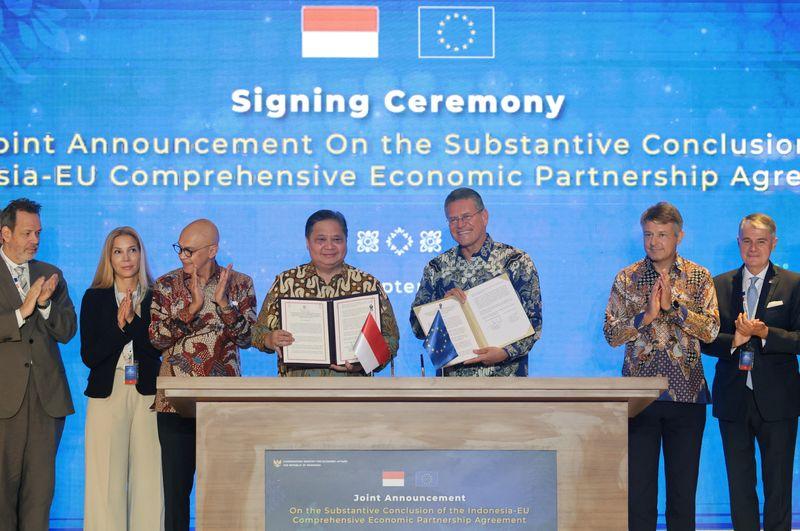
The European Union has authorised the signing and provisional application of major trade and investment agreements with Indonesia, strengthening economic ties between the European bloc and Southeast Asia’s largest economy.
The agreements are intended to expand trade, improve market access and create additional opportunities for businesses on both sides.
According to the European Council’s announcement on the EU-Indonesia trade and investment agreements, the trade arrangement will progressively liberalise tariffs on the vast majority of goods traded between the two economies. Once fully implemented, up to 98.5 per cent of tariff lines are expected to be liberalised.
The EU estimates that the agreements could save businesses approximately €600 million annually in customs duties.
Indonesia’s existing import duties on European cars, which can reach 50 per cent, are also expected to be eliminated within five years.
The agreements cover a wide range of sectors, including agriculture, automotive manufacturing, pharmaceuticals, machinery, textiles, digital trade and investment.
The move is significant because both sides are seeking to diversify their economic relationships amid uncertainty surrounding international trade policies and United States tariffs.
However, the agreements still require further procedural steps. Following signature, they will be submitted to the European Parliament for consent before full conclusion and implementation.
Separately, United States Defence Secretary Pete Hegseth announced a military cooperation agreement with Venezuela during a visit to Caracas.
Reuters reported on the proposed US-Venezuela military cooperation agreement, which covers joint training, intelligence sharing and expanded cooperation against drug-trafficking groups. Acting Venezuelan President Delcy Rodríguez welcomed the arrangement.
The agreement represents a significant development in US-Venezuela relations following the removal of former President Nicolás Maduro in January 2026.
These developments illustrate how governments are adjusting economic and security partnerships in response to changing international conditions.
CONCLUSION: A WORLD SHAPED BY DIPLOMACY, CONFLICT AND ECONOMIC REALIGNMENT
The developments covered in this Global Daily News Review show how closely international diplomacy, military security and economic relationships are connected.
The planned Trump-Xi-Putin meeting places three major powers at the centre of discussions about nuclear arms, Ukraine, Iran and international trade. Its importance will ultimately depend on whether diplomatic engagement produces concrete decisions.
Across the Gulf, continuing attacks and threats to shipping demonstrate how regional conflicts can affect international energy security. In Ukraine, repeated attacks on the Crimean Bridge and Russian infrastructure underline the continuing strategic importance of logistics and economic resilience.
In Gaza, renewed military operations highlight the fragility of the ceasefire and the continuing humanitarian challenges facing displaced Palestinians.
Meanwhile, the EU-Indonesia agreements and the new US-Venezuela military partnership demonstrate that countries are actively reshaping their economic and security relationships.
These developments are not one single crisis. They are separate events with overlapping consequences for international stability, energy markets, trade and human security.
The bigger question is whether diplomacy can keep pace with the conflicts and competing interests reshaping the international order.
This is the Global Daily News Review from DSG HERALD NEWS.
About the Author