Uganda Suspends School Trips After Bus Crash Kills 24, Launches Safety Review
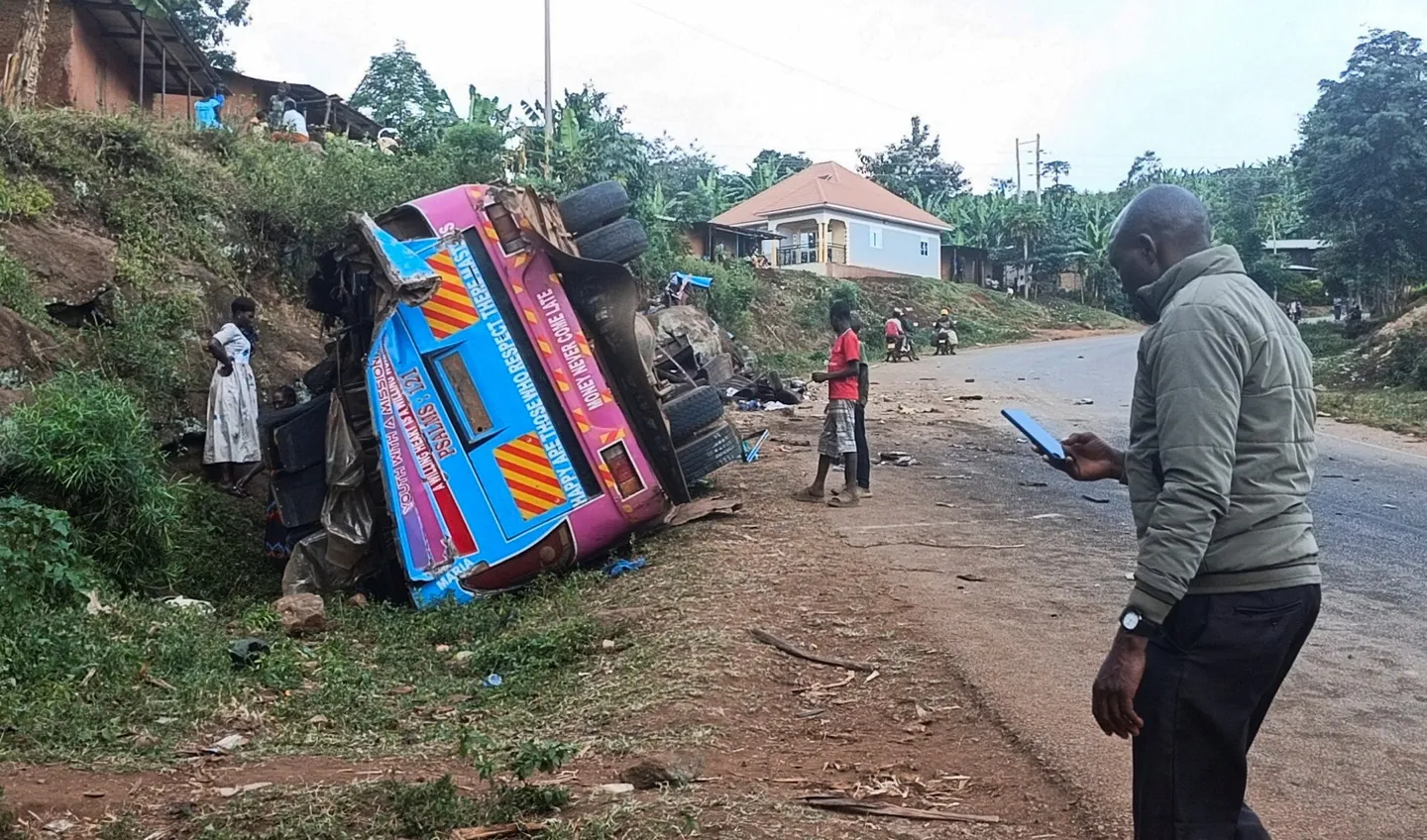
The Uganda school bus crash that claimed the lives of 24 people, including 23 schoolchildren, has prompted the Ugandan government to suspend all school trips nationwide while authorities launch a comprehensive review of learner transport safety. The tragedy, which occurred on Thursday, July 16, in Kapchorwa District, eastern Uganda, has reignited concerns over road safety standards, vehicle maintenance, and the protection of children travelling on educational excursions across the country. According to reports, the bus was carrying pupils and teachers from King David Junior School in Kampala back from an excursion to Sipi Falls when it overturned after the driver reportedly lost control.
The government’s swift response marks one of the most significant policy interventions in Uganda’s education transport sector in recent years. Beyond mourning the victims, officials are now examining how schools organize field trips, the condition of vehicles used to transport learners, and whether existing regulations are sufficient to prevent similar tragedies.
While investigations into the exact circumstances of the crash continue, the incident has become more than a road accident. It has evolved into a national conversation about accountability, infrastructure, transport regulation, and the safety of thousands of pupils who travel regularly for educational activities.
Uganda School Bus Crash Raises New Questions About Student SaTadeo Ssekadefety
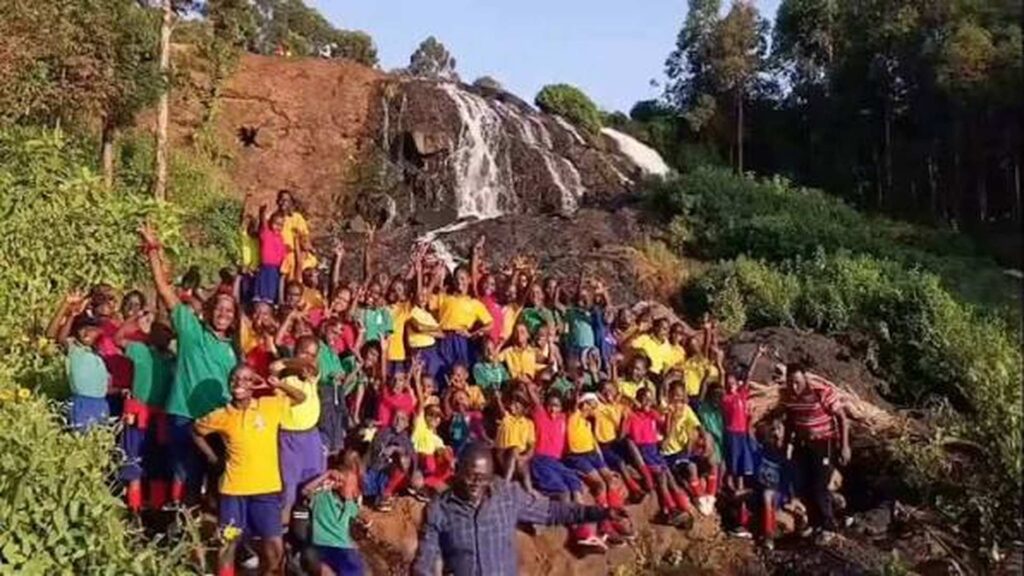
Educational trips are designed to enrich classroom learning by exposing students to historical sites, tourist attractions, cultural centres, and environmental landmarks. They provide practical experiences that textbooks alone cannot offer.
However, the latest Uganda school bus crash has demonstrated how quickly such opportunities can turn into devastating tragedies when transport safety is compromised.
Police said the school bus was returning from Sipi Falls, one of Uganda’s most popular tourist destinations, when the accident occurred near Chekwatit village on Chekwatit Hill in Kapchorwa District. Preliminary investigations indicate that the driver lost control of the vehicle before it overturned and struck a large roadside rock. Another account cited by officials suggests the vehicle may have developed a mechanical fault while descending the steep hill, though investigators have yet to issue a final report. Authorities have not released definitive conclusions, and the investigation remains ongoing.
Emergency responders rushed to the scene, transporting injured pupils to Kapchorwa General Hospital, while others were taken to Mbale Regional Referral Hospital for specialist care. Despite emergency treatment, three more children later succumbed to their injuries, raising the confirmed death toll to 24.
Officials also confirmed that six of the victims had not yet been formally identified at the time of the initial reports.
Victims Include School Founder and Young Learners
The human cost of the disaster extends far beyond statistics.
Among those who lost their lives was Tadeo Ssekade, identified as the founder and director of King David Junior School. His death has deepened the grief surrounding the tragedy, as the school community lost both its leader and dozens of its pupils in a single incident.
For families, teachers, classmates, and the wider community, the emotional impact is likely to last for years.
Educational institutions often become closely knit communities, making such losses especially painful. The deaths of so many children in one accident have generated widespread sympathy throughout Uganda and beyond, with many expressing condolences while calling for stronger measures to protect schoolchildren during official excursions.
Meanwhile, hospitals in eastern Uganda continue to provide medical care to survivors recovering from injuries sustained during the crash.
Government Responds With Immediate Nationwide Measures
Rather than waiting for the investigation to conclude, Ugandan authorities introduced emergency measures intended to reduce immediate risks facing learners travelling across the country.
The Ministry of Education and Sports announced an immediate nationwide suspension of all school trips, tours, and educational excursions pending a comprehensive review of transport safety procedures. Officials described the move as necessary to allow investigators to examine the circumstances surrounding recent crashes involving schoolchildren and recommend stronger safeguards.
The suspension affects schools across Uganda, regardless of whether they were planning local excursions or long-distance educational visits.
In addition to halting future trips, the Uganda Police Force directed school groups already travelling to report to the nearest police stations so officers could provide escorts for their safe return.
Authorities say these temporary measures are intended to minimise risks while policymakers assess longer-term reforms.
Transport Safety Now Under National Review
The government’s response goes beyond suspending school excursions.
Education officials have announced plans to establish an inter-ministerial task force that will develop comprehensive transport safety guidelines specifically designed for learners. According to official statements, the review is expected to examine:
- Safety standards for school transport vehicles.
- Procedures for approving educational excursions.
- Driver qualifications and training.
- Emergency response planning.
- Coordination between schools, transport operators and law enforcement agencies.
- Risk assessment requirements before long-distance travel.
Although authorities have yet to publish the proposed regulations, the review signals recognition that existing systems may require significant strengthening.
Road safety experts across Africa have long argued that school transportation deserves specialised standards because children represent one of the most vulnerable groups using public roads.
The Ugandan government’s latest actions suggest policymakers are now considering broader structural reforms rather than treating the crash as an isolated incident.
Uganda’s Road Safety Record Remains a National Concern
The Uganda school bus crash has also drawn renewed attention to the country’s wider road safety challenges.
Uganda continues to experience a high number of fatal road accidents each year, with authorities frequently attributing crashes to a combination of speeding, mechanical failures, poor vehicle maintenance, dangerous road conditions, and human error.
The latest disaster did not occur in isolation.
Earlier this month, another fatal collision involving a bus and a truck reportedly claimed 14 lives in northern Uganda. In October, at least 46 people were killed when two buses collided on a major highway, highlighting the persistent risks facing motorists and passengers across the country’s road network.
These repeated tragedies have intensified calls for stricter vehicle inspections, stronger enforcement of traffic regulations, better road engineering, and improved driver education.
For many observers, the latest crash illustrates how road safety remains both a transportation challenge and a public policy issue requiring sustained government attention.
Why the Story Resonates Beyond Uganda
Although the tragedy occurred in Uganda, its significance extends across Africa.
Many schools throughout the continent organise educational excursions using privately operated buses or contracted transport companies. Similar concerns over vehicle maintenance, driver fatigue, regulatory enforcement, and emergency preparedness have been raised in numerous African countries, including Nigeria.
The Uganda government’s decision to suspend school trips nationwide may therefore influence education policymakers elsewhere, particularly as ministries seek to reassure parents that learner safety remains a priority.
For education administrators, transport operators, and policymakers, the incident serves as a reminder that student welfare does not begin and end inside the classroom. Safe transportation forms an essential part of every educational programme, especially when schools organise long-distance travel for young learners.
Lessons for Nigeria and Other African Countries
Although Uganda’s tragedy is rooted in local circumstances, the issues it has exposed are familiar across much of Africa. Thousands of pupils travel every year on school excursions, sporting competitions, educational tours and cultural exchanges. Many of these journeys rely on privately owned buses whose maintenance history, driver qualifications and safety compliance may not always receive thorough scrutiny.
For Nigeria, where schools frequently organise interstate excursions to museums, universities, historical landmarks and tourist destinations, the Uganda school bus crash offers an opportunity for reflection rather than reaction.
Transport safety specialists have long recommended several practical measures that schools and regulators can adopt to reduce risk, including:
- Mandatory roadworthiness certification before every long-distance school trip.
- Comprehensive mechanical inspections before departure.
- Verification of commercial driver’s licences and driving records.
- Clear limits on driving hours to minimise fatigue.
- Passenger manifests with emergency contact information.
- Functional seat belts and emergency exits.
- Basic first-aid equipment on every school vehicle.
- Pre-trip emergency response plans involving local authorities.
While these measures cannot eliminate every risk, they can significantly improve preparedness and reduce the likelihood of preventable tragedies.
For governments across Africa, the challenge is not simply responding after accidents occur but creating systems that identify and address risks before lives are endangered.
The Wider Importance of Road Safety
Road crashes remain one of the leading causes of preventable deaths globally, particularly among young people. International road safety campaigns have consistently emphasised that improving transport safety requires cooperation between governments, transport operators, schools, vehicle manufacturers, law enforcement agencies and the public.
The Uganda school bus crash illustrates how multiple factors often converge during major accidents. Preliminary police findings suggest the driver lost control of the vehicle, while another official account points to a possible mechanical fault as the bus descended a steep hill. Until investigators complete their work, authorities have not reached a final conclusion regarding the precise cause of the crash.
This careful approach is important. Establishing the facts through a transparent investigation helps policymakers identify effective reforms instead of relying on assumptions or speculation.
Road safety experts often note that fatal crashes rarely result from a single issue. Vehicle condition, road design, driver behaviour, weather, speed, enforcement and emergency response can all influence outcomes. Comprehensive investigations therefore play a critical role in shaping future policy.
Public Grief and Calls for Accountability
The deaths of 23 pupils and the school’s founder have triggered widespread mourning across Uganda.
Parents, educators and community leaders have expressed condolences to the affected families while urging authorities to ensure that lessons are learned from the tragedy. Social media discussions have also reflected growing concern about the safety of children travelling on school-organised excursions.
For many families, the incident represents every parent’s worst fear—sending children on an educational outing only for them not to return home safely.
While grief dominates the national mood, many citizens are also calling for accountability. They want investigators to determine exactly what happened, whether any safety regulations were breached, and what reforms are needed to prevent another disaster.
Such public scrutiny often serves as an important catalyst for policy change, particularly when accidents involve children.
Government Focus Shifts From Emergency Response to Long-Term Reform
The immediate suspension of school trips is widely viewed as an emergency measure rather than a permanent solution.
The more significant development may be the government’s decision to establish new transport safety guidelines for learners through an inter-ministerial task force. If successfully implemented, the review could lead to substantial changes in how educational institutions organise travel.
Possible areas of reform may include stricter licensing requirements for transport providers, enhanced vehicle inspection procedures, improved communication between schools and emergency services, and clearer responsibilities for school administrators planning excursions. However, officials have not yet released the full details of the proposed framework.
The effectiveness of these reforms will ultimately depend on implementation, enforcement and sustained investment rather than policy announcements alone.
Why This Story Matters
The Uganda school bus crash is not simply another road accident making international headlines.
It highlights the broader responsibility governments, schools and transport operators share in protecting children during educational activities. The tragedy has also demonstrated how quickly national authorities can move from emergency response to policy reform when public safety is at stake.
For educators, the incident reinforces the importance of thorough planning before every school excursion. For transport companies, it underscores the need for rigorous maintenance and professional standards. For policymakers, it provides a reminder that transport safety should remain an integral part of education policy.
Across Africa, where educational travel remains an important part of learning, the lessons emerging from Uganda may influence future discussions about learner safety, regulatory oversight and emergency preparedness.
Looking Ahead
Investigators are expected to continue examining the circumstances surrounding the crash, including the condition of the vehicle, the events leading up to the accident and whether existing transport regulations were adequately followed.
Meanwhile, schools across Uganda remain subject to the government’s temporary suspension of excursions as officials complete their review of learner transport safety.
Families continue to mourn the lives lost, survivors receive medical treatment, and education authorities face growing expectations to introduce reforms capable of preventing similar tragedies in the future.
While no policy can erase the pain experienced by the affected families, stronger safety standards, effective enforcement and continuous oversight may help ensure that educational journeys remain opportunities for learning rather than sources of national grief.
As reported by Al Jazeera, Uganda’s immediate actions—including suspending school trips, deploying police escorts for learners already travelling and initiating a comprehensive safety review—reflect the government’s determination to respond decisively while investigations continue.
For the rest of Africa, the message is equally clear: protecting children on the road requires more than reacting to tragedy. It demands sustained commitment, preventive action and a culture that places learner safety at the centre of every educational journey.
Ebola Outbreak Spreads Across DRC and Uganda
Uganda is facing multiple public safety challenges beyond road accidents. Discover how the country’s Ebola response is testing its health system and regional preparedness.
Free Public Library Brings New Hope to Irete Students
Education should inspire learning in safe environments both inside and outside the classroom. Read how one community is investing in better opportunities for students through education.
Bangkok Bar Fire Kills 28 as Safety Probe Begins
Another deadly tragedy has renewed global calls for stronger safety standards. See how investigators are responding and the lessons governments can learn from major public disasters.
About the Author