DR Congo Ebola Outbreak Spreads at Record Pace as Experts Warn Crisis Could Become Worst on Record
Africa is confronting one of its most serious public health emergencies in recent years as the DR Congo Ebola outbreak has claimed more than 1,000 lives in less than 10 weeks, making it the fastest-growing Ebola epidemic ever recorded. Health authorities say the outbreak, caused by the rare Bundibugyo strain of the virus, continues to spread across eastern Democratic Republic of the Congo despite intensive response efforts, raising concerns about funding shortages, overwhelmed hospitals and the potential for wider regional consequences.
Unlike previous Ebola outbreaks that unfolded over several months, this epidemic has accelerated rapidly since it was declared on May 15 in Ituri Province. Officials from the Africa Centres for Disease Control and Prevention (Africa CDC) and the World Health Organization (WHO) warn that without urgent international support, the outbreak could become one of the most devastating Ebola crises in modern history.
Why the DR Congo Ebola Outbreak Is Different
Every Ebola outbreak presents unique challenges, but health experts say this one stands apart for several reasons.
First, the virus responsible is the Bundibugyo strain, one of the rarest forms of Ebola known to infect humans. Unlike the Zaire strain, which has approved vaccines and established treatment options, Bundibugyo currently has no licensed vaccine or specific treatment available.
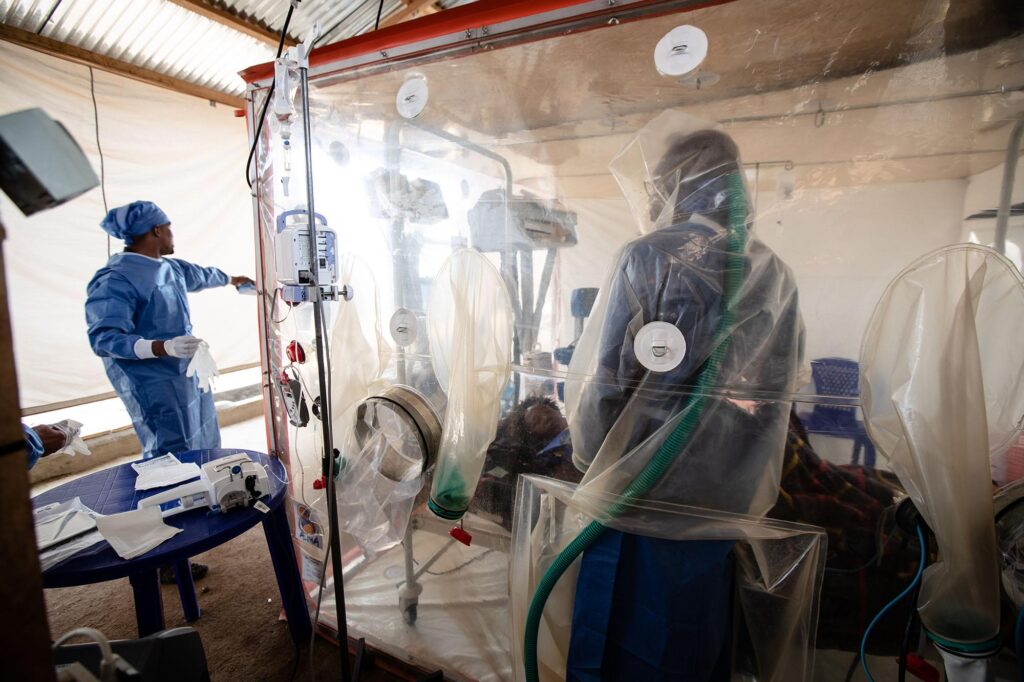
That reality has significantly complicated efforts by health workers who must rely heavily on early detection, isolation of infected patients, contact tracing and community awareness rather than pharmaceutical interventions.
Equally alarming is the speed of transmission.
According to health officials, the outbreak crossed the 1,000-death mark in less than ten weeks, a pace that far exceeds previous Ebola epidemics.
A Humanitarian Crisis Beyond the Numbers
Behind every statistic is a family coping with loss and communities living under constant uncertainty.
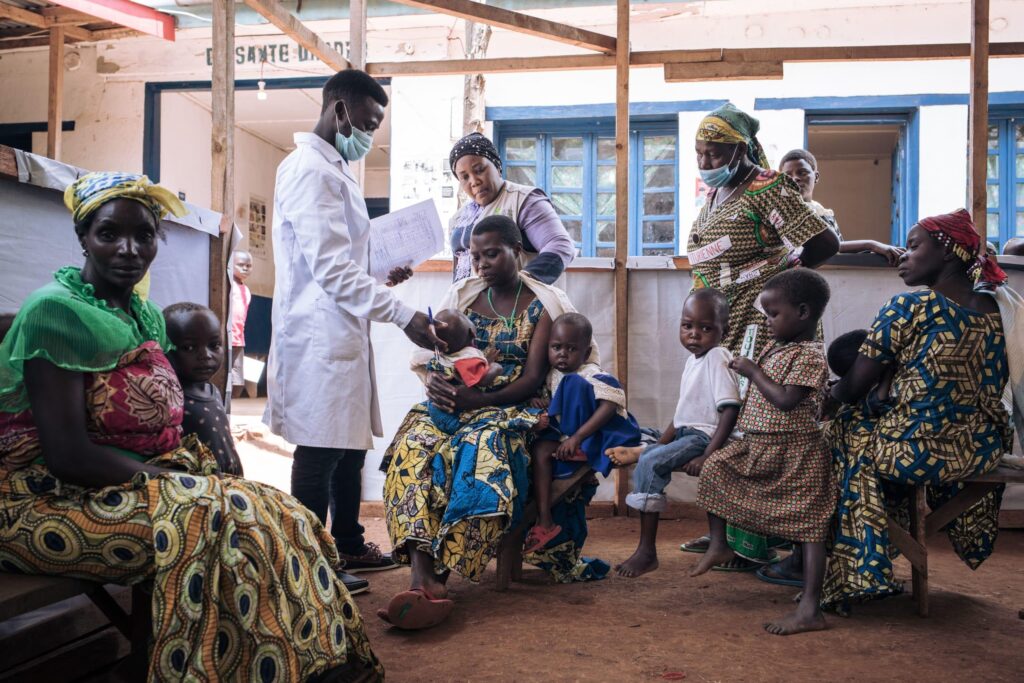
Health facilities across affected areas are struggling to keep pace with the growing number of infections. Hundreds of patients remain in isolation or under treatment while healthcare workers continue operating under difficult conditions.
Medical responders have warned that treatment centres are approaching capacity, forcing some patients to remain at home while waiting for available beds—a situation that increases the risk of further community transmission.
The crisis has also placed enormous pressure on frontline workers, many of whom continue responding despite limited resources and reports of delayed payments.
Five Reasons the Outbreak Is Escalating So Quickly
1. No Approved Vaccine for the Bundibugyo Strain
Unlike previous Ebola outbreaks, there is currently no approved vaccine specifically designed for the Bundibugyo variant.
Without a vaccine, health officials must depend almost entirely on surveillance, testing, patient isolation and public cooperation.
2. Armed Conflict Limits Health Response
The outbreak’s epicentre lies in eastern DR Congo, a region that has experienced decades of insecurity.
Ongoing conflict makes it difficult for health teams to reach affected communities consistently while disrupting disease surveillance and emergency logistics.
3. Population Displacement
Hundreds of thousands of people have been displaced by violence in eastern Congo.
Frequent population movement makes contact tracing more difficult and increases the likelihood of infected individuals unknowingly carrying the virus into new communities.
4. Weak Healthcare Infrastructure
Hospitals and treatment centres were already under significant strain before the outbreak began.
Limited equipment, shortages of trained personnel and inadequate funding have further weakened the response.
5. Rapid Geographic Expansion
Health authorities have confirmed that Ebola has spread beyond its initial epicentre into additional provinces, increasing concerns that the outbreak could become more difficult to contain if transmission continues.
Why Africa CDC and WHO Are Sounding the Alarm
Africa CDC Director-General Jean Kaseya has repeatedly warned that the outbreak is advancing faster than available resources.
He has appealed for greater international financial support, noting that inadequate funding, the absence of vaccines and shortages of medical supplies continue to undermine containment efforts.
WHO officials have echoed similar concerns, acknowledging that response teams remain in a race to keep up with the outbreak’s pace rather than staying ahead of it.
Their warnings reflect not only concern for the Democratic Republic of the Congo but also for neighbouring countries that maintain close economic and population links with affected areas.
Could the Virus Spread Beyond DR Congo?
Regional health authorities continue monitoring neighbouring countries closely.
According to WHO, Uganda previously reported Ebola-related cases linked to the outbreak, although no new infections have been reported there for more than a month.
Despite encouraging progress, authorities remain cautious because cross-border movement, regional trade and humanitarian activities increase opportunities for infectious diseases to spread if surveillance weakens.
The United States has also imposed travel restrictions affecting travellers from DR Congo and some neighbouring countries as part of broader efforts to reduce international transmission risks.
How This Outbreak Compares with Previous Ebola Epidemics
| Outbreak | Time to Reach 1,000 Deaths |
|---|---|
| West Africa (2013–2016) | About eight months |
| DR Congo (2026) | Less than ten weeks |
The comparison highlights the unprecedented speed of the current outbreak rather than suggesting it has already surpassed previous epidemics in total deaths.
The 2013–2016 West African epidemic remains the deadliest Ebola outbreak recorded, causing more than 11,000 deaths.
Why This Matters for Africa
The outbreak demonstrates how public health emergencies can rapidly evolve into regional security concerns when conflict, weak healthcare systems and funding shortages converge.
For many African countries, the situation reinforces the importance of:
- Strong disease surveillance systems.
- Rapid laboratory testing.
- Cross-border health cooperation.
- Emergency preparedness.
- Sustainable investment in healthcare infrastructure.
These lessons extend beyond Ebola and apply to future outbreaks of other infectious diseases.
African Perspective: Why Nigeria and Other Countries Should Pay Attention
Although the outbreak remains centred in the Democratic Republic of the Congo, public health experts have consistently emphasised that infectious diseases recognise no national borders.
Nigeria’s successful containment of Ebola in 2014 demonstrated the importance of rapid case detection, aggressive contact tracing and coordinated public communication.
As regional travel and trade continue to expand, maintaining strong surveillance systems across Africa remains essential to reducing future outbreak risks.
What Happens Next?
The immediate priority remains slowing transmission while expanding treatment capacity and strengthening disease surveillance.
Health officials are also seeking greater international financial assistance to close major funding gaps affecting emergency operations.
Researchers continue working towards improved vaccines and treatments for the Bundibugyo strain, although no approved products are currently available.
Until then, experts say early detection, community cooperation and sustained international support remain the strongest tools available for limiting further spread.
Conclusion
The DR Congo Ebola outbreak has become more than another public health emergency—it is a test of Africa’s disease response capacity and global commitment to epidemic preparedness.
Its rapid spread highlights how conflict, fragile health systems and limited funding can accelerate even well-understood infectious diseases. While health authorities continue working to contain the virus, experts warn that the coming weeks will be critical in determining whether the outbreak can be brought under control before it expands further.
As Africa and the international community respond, the crisis also serves as a reminder that investing in resilient healthcare systems before emergencies occur remains one of the most effective ways to protect lives during future outbreaks.
Recommended Coverage
Congo Ebola Outbreak Highlights Africa’s Health System Struggles
Find out why fragile healthcare systems, conflict and limited resources continue to make Ebola outbreaks harder to contain across Central Africa.
Bundibugyo Ebola Vaccine Offers New Hope
Explore the latest developments in vaccine research and why scientists believe new breakthroughs could transform future Ebola response efforts.
Bundibugyo Ebola Outbreak Nigeria Alert
See how Nigeria is strengthening disease surveillance and why public health experts say vigilance remains essential despite the outbreak remaining outside the country.
Frequently Asked Questions (FAQs)
1. What is happening in the DR Congo Ebola outbreak?
The Democratic Republic of the Congo is battling its fastest-growing Ebola outbreak on record. More than 1,000 people have died since the outbreak was declared in May, with health authorities struggling to contain the spread.
2. Why is this Ebola outbreak spreading so quickly?
Health experts attribute the rapid spread to several factors, including the rare Bundibugyo strain of the virus, the absence of an approved vaccine, armed conflict in affected areas, weak healthcare infrastructure, funding shortages, and challenges in contact tracing.
3. What is the Bundibugyo strain of Ebola?
Bundibugyo is one of the four known Ebola virus species that infect humans. It is considered the rarest strain and, according to health authorities cited in the source material, currently has no approved vaccine or specific treatment.
4. Is there a vaccine or cure for the Bundibugyo strain?
No approved vaccine or treatment currently exists for the Bundibugyo strain. Health workers rely on early diagnosis, patient isolation, supportive care, contact tracing, and public health measures to control the outbreak.
5. Which parts of DR Congo are most affected?
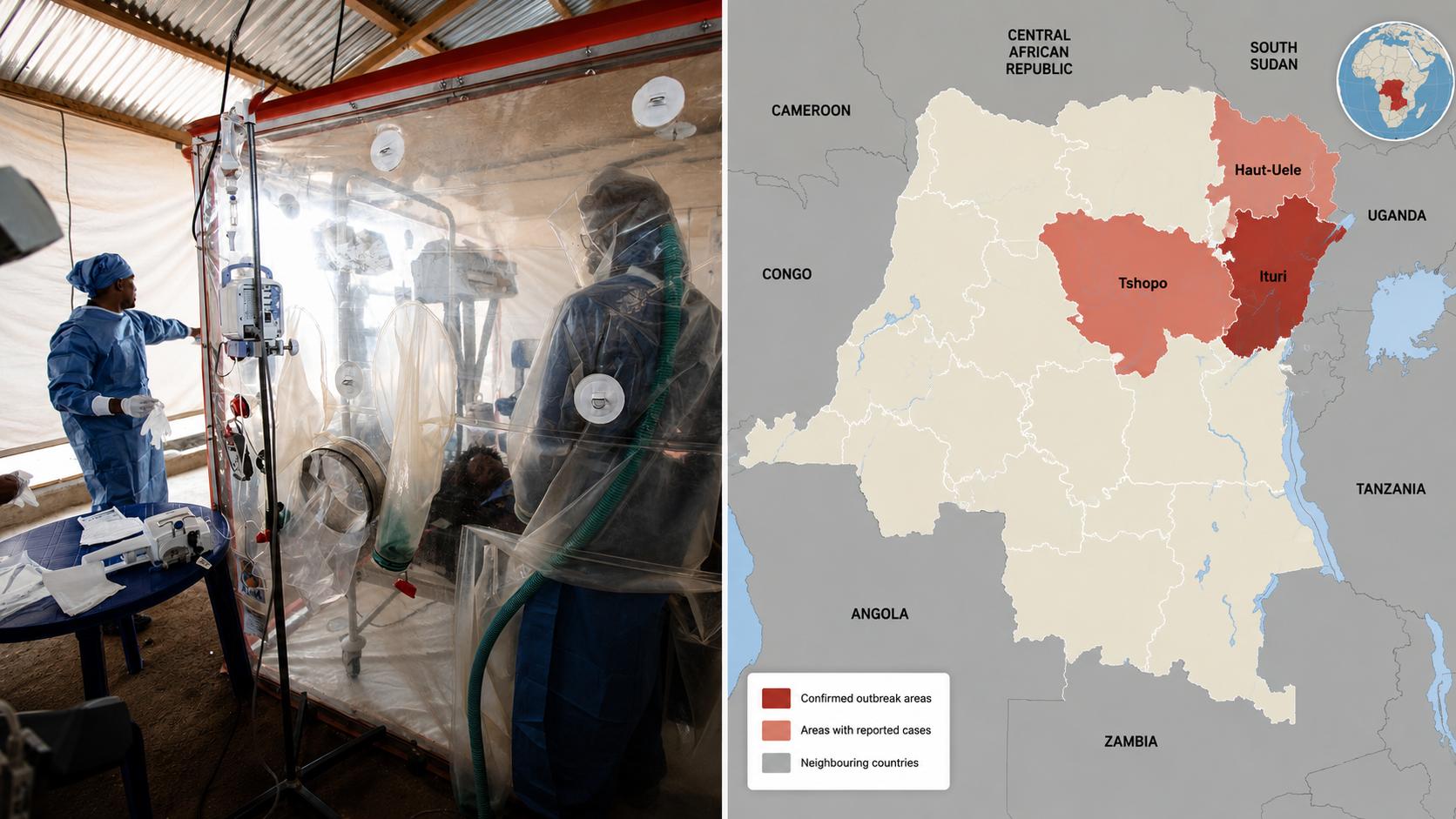
The outbreak began in Ituri Province in northeastern DR Congo and has since spread to other provinces, including Tshopo and Haut-Uele, increasing concerns about wider transmission.
6. Has Ebola spread to other countries?
According to the World Health Organization, Uganda has reported Ebola-related deaths linked to the outbreak, although the country has gone more than a month without recording new infections and is working toward being declared Ebola-free if no additional cases emerge.
7. Why are Africa CDC and WHO so concerned?
Health officials warn that the outbreak is expanding faster than response efforts. Limited funding, overstretched hospitals, insecurity in affected areas, and the lack of approved vaccines have prompted calls for urgent international support.
8. Could the outbreak affect other African countries?
While the outbreak remains centred in DR Congo, health experts stress that neighbouring countries must maintain strong surveillance, border health screening, and rapid response systems to reduce the risk of cross-border transmission.
9. How does this compare with previous Ebola outbreaks?
Health authorities say this outbreak reached more than 1,000 deaths in less than 10 weeks, making it the fastest-growing Ebola outbreak recorded. By comparison, the 2013–2016 West African epidemic took about eight months to reach the same milestone, although it remains the deadliest Ebola outbreak in history.
10. Why should readers outside DR Congo care?
The outbreak highlights the importance of disease surveillance, emergency preparedness, and international cooperation. Infectious diseases can spread across borders through travel and trade, making regional collaboration essential to protecting public health across Africa and beyond.
Frequently Asked Questions (FAQs)
1. What is happening in the DR Congo Ebola outbreak?
The Democratic Republic of the Congo is battling its fastest-growing Ebola outbreak on record. More than 1,000 people have died since the outbreak was declared in May, with health authorities struggling to contain the spread.
2. Why is this Ebola outbreak spreading so quickly?
Health experts attribute the rapid spread to several factors, including the rare Bundibugyo strain of the virus, the absence of an approved vaccine, armed conflict in affected areas, weak healthcare infrastructure, funding shortages, and challenges in contact tracing.
3. What is the Bundibugyo strain of Ebola?
Bundibugyo is one of the four known Ebola virus species that infect humans. It is considered the rarest strain and, according to health authorities cited in the source material, currently has no approved vaccine or specific treatment.
4. Is there a vaccine or cure for the Bundibugyo strain?
No approved vaccine or treatment currently exists for the Bundibugyo strain. Health workers rely on early diagnosis, patient isolation, supportive care, contact tracing, and public health measures to control the outbreak.
5. Which parts of DR Congo are most affected?
The outbreak began in Ituri Province in northeastern DR Congo and has since spread to other provinces, including Tshopo and Haut-Uele, increasing concerns about wider transmission.
6. Has Ebola spread to other countries?
According to the World Health Organization, Uganda has reported Ebola-related deaths linked to the outbreak, although the country has gone more than a month without recording new infections and is working toward being declared Ebola-free if no additional cases emerge.
7. Why are Africa CDC and WHO so concerned?
Health officials warn that the outbreak is expanding faster than response efforts. Limited funding, overstretched hospitals, insecurity in affected areas, and the lack of approved vaccines have prompted calls for urgent international support.
8. Could the outbreak affect other African countries?
While the outbreak remains centred in DR Congo, health experts stress that neighbouring countries must maintain strong surveillance, border health screening, and rapid response systems to reduce the risk of cross-border transmission.
9. How does this compare with previous Ebola outbreaks?
Health authorities say this outbreak reached more than 1,000 deaths in less than 10 weeks, making it the fastest-growing Ebola outbreak recorded. By comparison, the 2013–2016 West African epidemic took about eight months to reach the same milestone, although it remains the deadliest Ebola outbreak in history.
10. Why should readers outside DR Congo care?
The outbreak highlights the importance of disease surveillance, emergency preparedness, and international cooperation. Infectious diseases can spread across borders through travel and trade, making regional collaboration essential to protecting public health across Africa and beyond.
About the Author