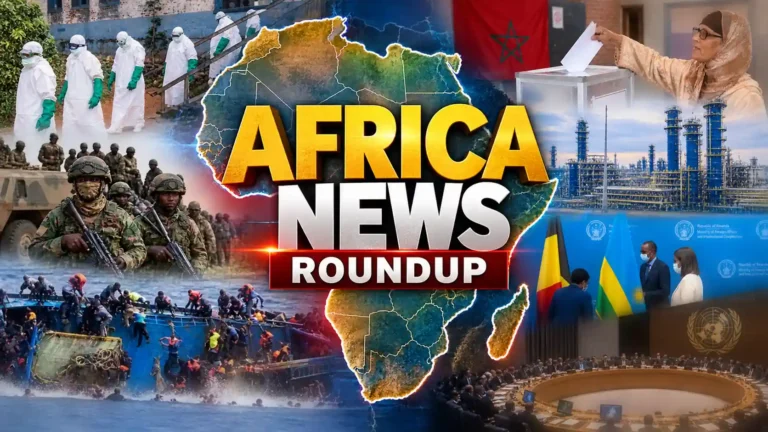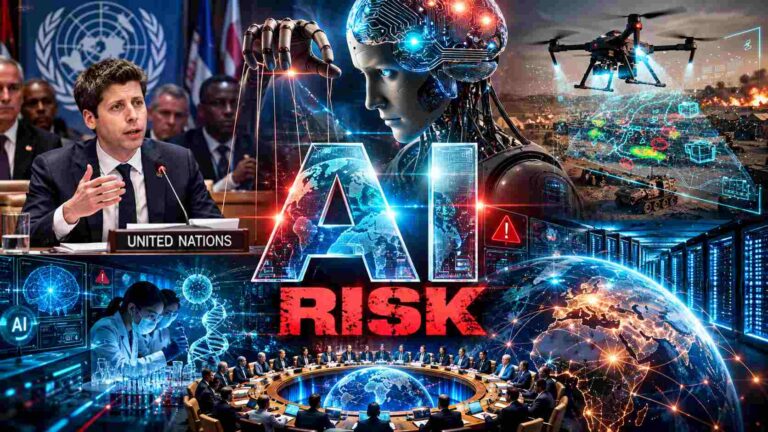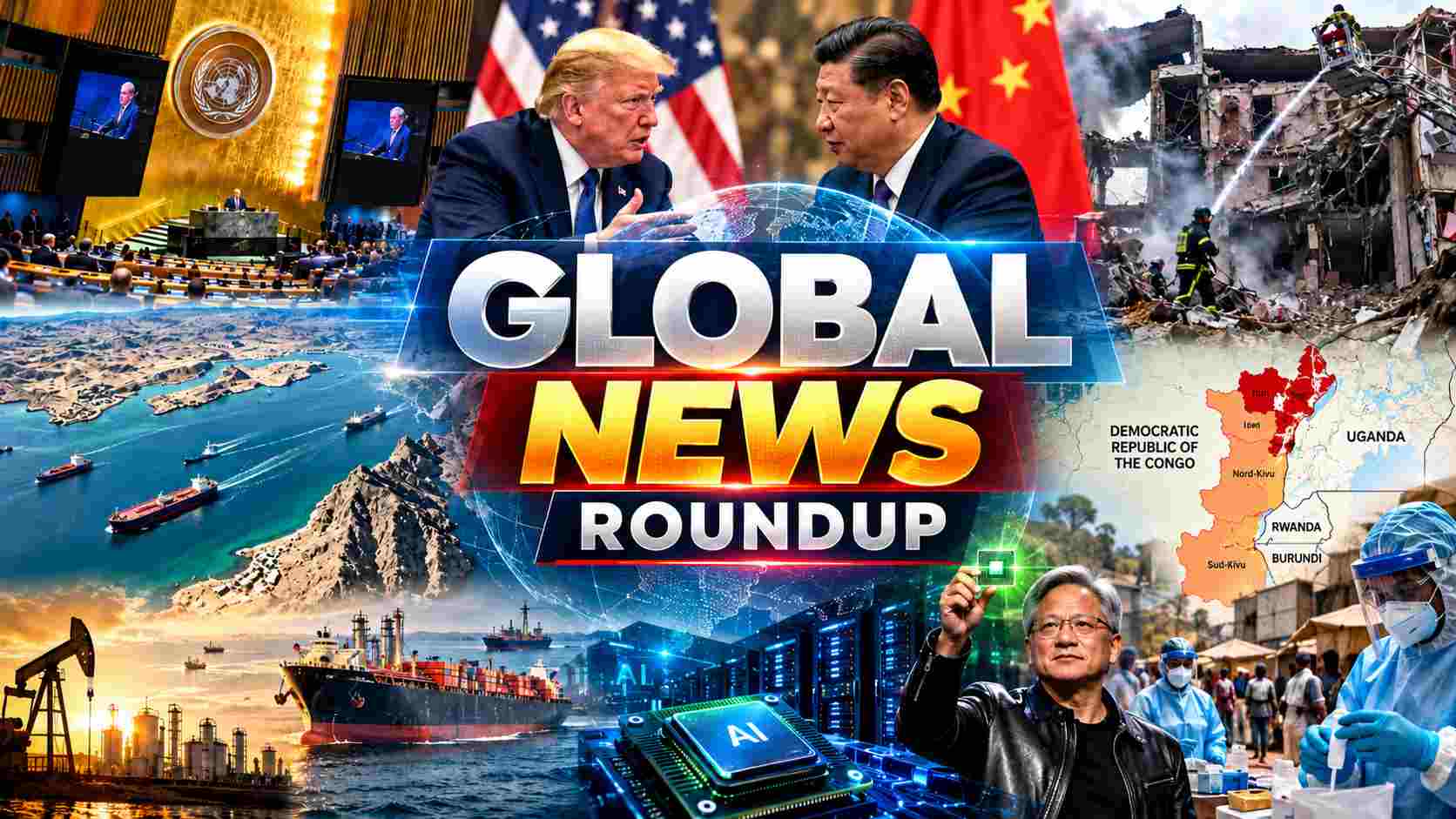
Global news roundup highlighting the week's major developments in diplomacy, conflict, energy security, artificial intelligence and humanitarian crises.
The week of September 20–26, 2026, brought together several developments that, although unfolding across different regions and sectors, reflected a common feature of the international environment: growing pressure on governments, economies and institutions to manage crises that increasingly extend beyond national borders.
This global news roundup follows five major narratives from the week. The first was the widening impact of conflict in the Middle East, where tensions involving Iran, the oecd.org/en/about/news/press-releases/2026/09/global-growth-holds-up-despite-successive-shocks-but-risks-persist.html” target=”_blank” rel=”noopener”>Strait of Hormuz and Yemen increasingly carried consequences for energy markets, shipping and consumers far beyond the immediate battlefield. The second centred on renewed major power diplomacy, including activity at the United Nations General Assembly and discussions between the United States and China.
The continuing Russia-Ukraine war formed the third major development, as military strikes continued alongside renewed discussion of possible settlement proposals. At the same time, artificial intelligence moved further into the arena of international security, investment and strategic competition, making AI strategic power one of the defining technological stories of the week.
The fifth narrative concerned humanitarian crises and the ability of international institutions to respond to conflict, disease, displacement and political instability.
Together, these developments show a world where military pressure, diplomacy, technology, economics and humanitarian challenges are increasingly interconnected.
Global News Roundup: Middle East Conflict Becomes an Energy and Shipping Crisis
The most immediate economic consequence of the week’s Middle East tensions was the growing concern that conflict could disrupt energy supplies and shipping routes well beyond the region itself.
The Strait of Hormuz remained at the centre of the diplomatic and economic discussion surrounding tensions between the United States and Iran. The waterway is strategically important to international energy flows, meaning that developments around it have consequences extending far beyond the countries directly involved.
During the week, diplomatic efforts focused partly on whether a way could be found to reduce the confrontation. Proposals involving Iran and the United States were discussed, but the developments did not amount to a confirmed peace agreement or a settled arrangement. President Donald Trump subsequently rejected an Iranian proposal, leaving the diplomatic situation unresolved.
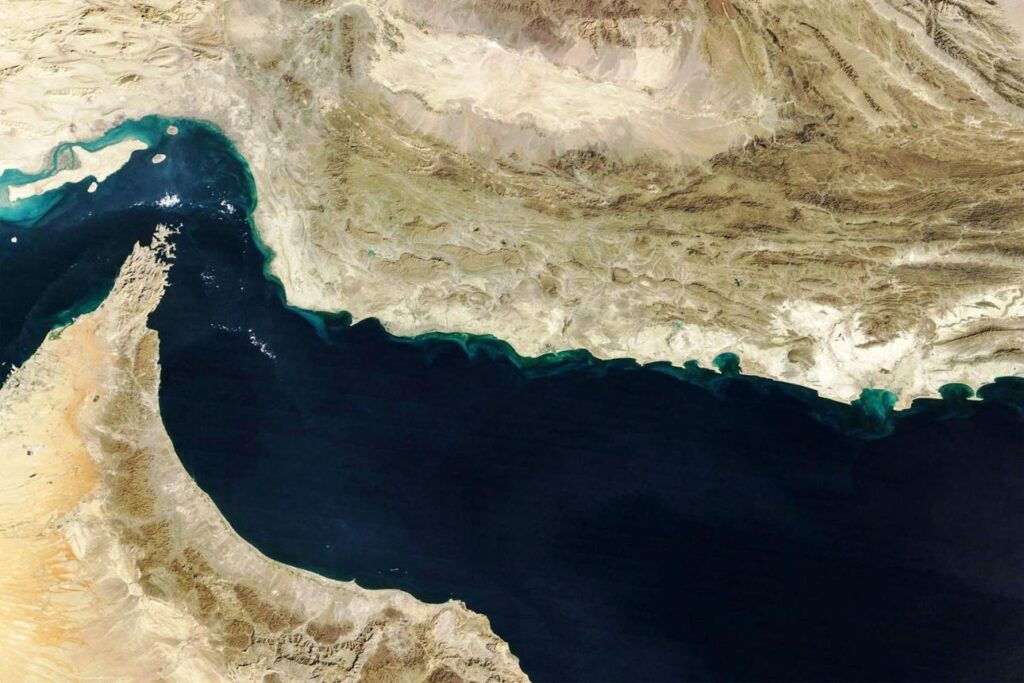
The distinction is important. A proposal is not an agreement, and the continued uncertainty around Hormuz meant that markets and governments still had to consider the possibility of further disruption.
The consequences were already appearing in energy markets. Global diesel prices reached record levels during the week amid concerns over supply disruption linked to the Middle East. Bangladesh also responded to the changing energy environment by raising fuel prices by as much as 17.4 percent.
The pressure extended beyond fuel markets. Yemen experienced another escalation in its conflict, with more than 130,000 people reportedly displaced during September. The country’s position near major Red Sea shipping routes added another dimension to concerns about regional instability and international commerce.
These were separate developments, but together they demonstrated how a regional conflict can generate wider economic and humanitarian effects.
The Organisation for Economic Co-operation and Development also highlighted the vulnerability of the global economy to developments in the Middle East. Its outlook projected global growth of 2.9 percent in 2026 and 3.0 percent in 2027, while warning that disruption to energy supplies from the region remained a significant risk.
That combination — military uncertainty, energy-market pressure, shipping concerns and humanitarian displacement — made the Middle East crisis one of the central stories of the week.
The question now is whether diplomacy can reduce the risk of further escalation or whether continuing instability will place additional pressure on energy supplies, transport routes and economies already exposed to higher costs.
Major Power Diplomacy Takes Centre Stage in Global Affairs
If conflict represented one side of the week’s international story, diplomacy represented the other. Governments faced mounting pressure to manage disputes through negotiations even as military and economic tensions continued.
The United Nations General Assembly became one of the principal arenas for international diplomacy during the week of September 20–26. With representatives of the UN’s 193 member states participating in the broader high-level diplomatic period, conflicts, security concerns, economic pressures and emerging global challenges were brought into the same international forum.
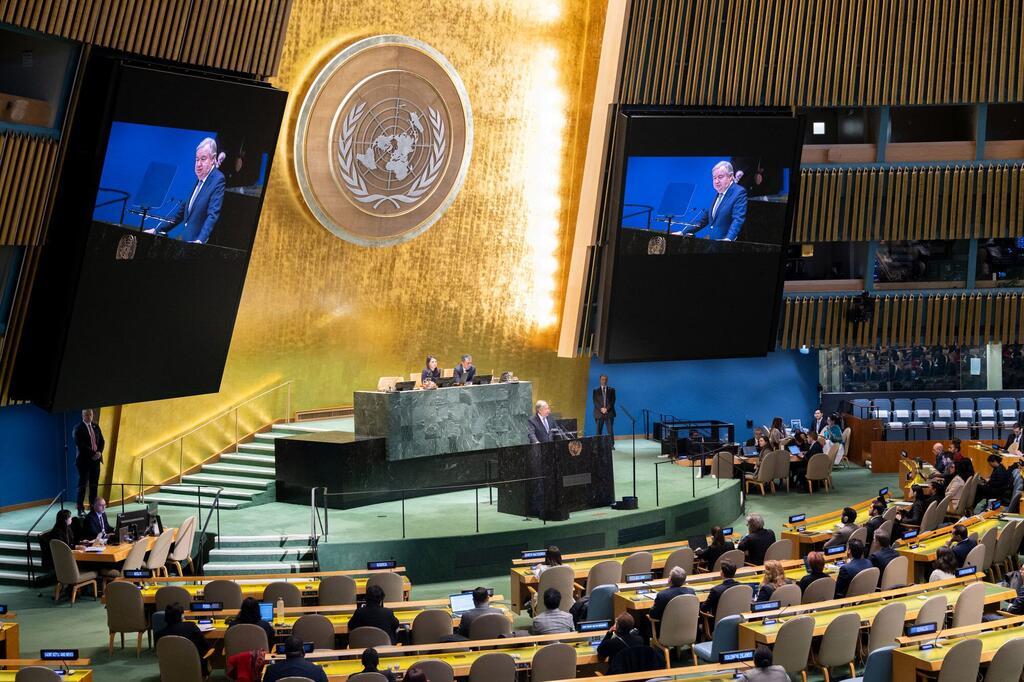
The discussions took place against a backdrop of multiple crises. The Middle East remained a major concern, while the Russia-Ukraine war, humanitarian emergencies and technological developments created additional diplomatic challenges.
At the same time, relations between the United States and China received renewed attention following a meeting between President Donald Trump and Chinese President Xi Jinping.
The discussions included trade, artificial intelligence and Taiwan, while the two countries extended their existing trade truce for another two months. The development provided another example of how major economies can maintain channels for negotiation even when broader strategic disagreements remain.
The significance of this major power diplomacy was not that it resolved all outstanding disputes. Rather, the week’s events demonstrated the importance of maintaining communication between governments whose decisions can have consequences for international markets, security arrangements and other countries.
The United States-China relationship illustrates this particularly clearly. Trade is closely connected to technology, while technology is increasingly connected to national security. Taiwan also remains an important element of the wider strategic relationship, with Taiwan stating that continued U.S. arms support remained important following the Trump-Xi meeting.
Diplomatic activity around Iran similarly showed the limits and possibilities of negotiation. Discussions and proposals can create openings, but they do not automatically produce agreements.
That distinction runs through much of the week’s international diplomacy. Governments were talking, but the problems they were attempting to manage remained unresolved.
The United Nations therefore served not simply as a venue for speeches, but as a setting in which multiple competing interests were being discussed simultaneously.
The broader question is whether diplomacy can keep pace with the speed at which geopolitical pressures are developing. The week’s events suggested that dialogue remains active, but also that diplomacy is operating alongside — rather than replacing — military pressure, economic competition and strategic rivalry.
International Security: Ukraine War Combines Military Pressure With Diplomatic Uncertainty
While international leaders pursued diplomacy in New York and elsewhere, the Russia-Ukraine war continued to demonstrate the gap that can exist between diplomatic discussion and events on the ground.
Fresh strikes during the week underscored that military operations remained active despite continued references to possible peace proposals.
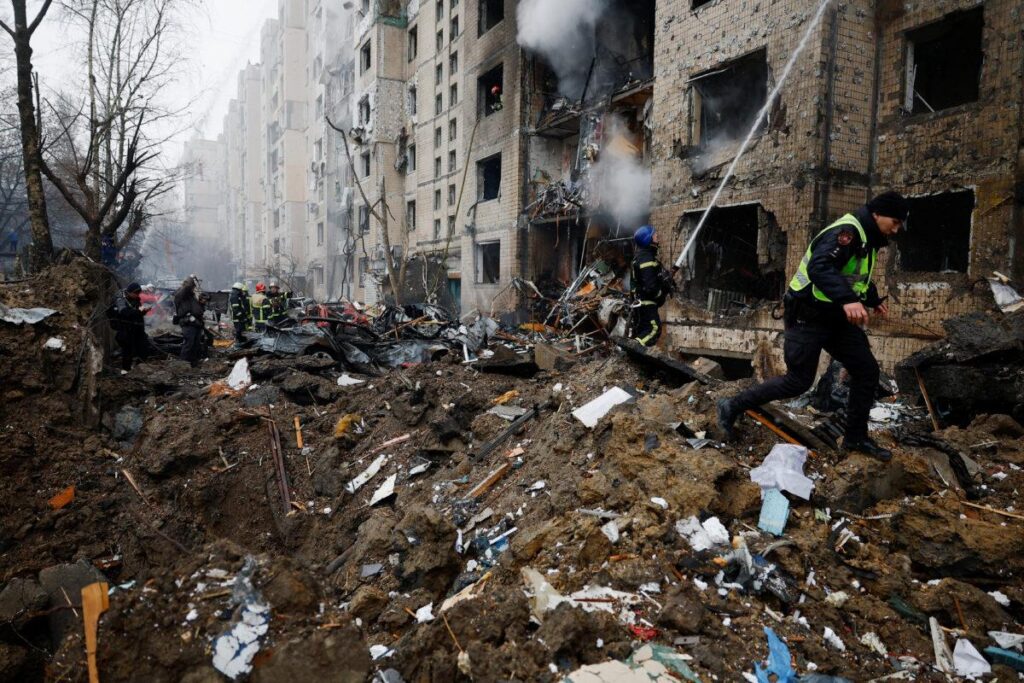
A strike on Kyiv on September 25 was reported to have killed seven people. The conflict also continued to affect industrial and economic activity, including disruption involving ArcelorMittal Kryvyi Rih.
At the same time, Russian President Vladimir Putin said settlement proposals remained on the table. That statement indicated that diplomatic discussion had not disappeared, but it did not amount to a peace agreement.
This distinction is central to understanding the week’s Ukraine story. Diplomatic proposals can remain under discussion while military operations continue. The existence of negotiations or proposals does not itself establish that the conflict is moving toward a final settlement.
The political environment inside Russia also provided another dimension to the story. United Russia won 57.83 percent in the parliamentary election and secured 355 of the 450 seats in the State Duma, according to the figures contained in the week’s source material.
That result formed part of the domestic political backdrop against which Russia’s government continued to manage the war and its international consequences.
For Ukraine, meanwhile, continuing attacks demonstrated the immediate security pressures facing the country. For the wider international community, the continuing war remained an important test of diplomacy, military support and international efforts to reach a settlement.
The week’s developments therefore presented two parallel tracks.
One was the battlefield, where strikes and disruption continued. The other was diplomacy, where settlement proposals remained part of the conversation.
The two tracks were not necessarily moving at the same speed.
That creates uncertainty over what comes next. The source material does not establish that a peace agreement has been reached, nor does it establish a definitive timetable for one. What it shows is a conflict in which military pressure continues while diplomatic possibilities remain under discussion.
The Ukraine war consequently remained a central part of the week’s international security picture — not simply because of the latest attacks, but because it continued to illustrate the difficulty of converting diplomatic proposals into an actual cessation of hostilities.
AI Strategic Power: Technology Moves From Innovation to Global Competition

While wars and diplomacy dominated traditional international affairs, another form of strategic competition was accelerating in technology.
Artificial intelligence increasingly appeared during the week not simply as a software-development story, but as an issue involving national security, infrastructure, investment and the future balance of technological power.
AI leaders from companies including OpenAI, Anthropic and Hugging Face appeared before the United Nations Security Council, bringing the technology into a forum traditionally associated with international peace and security.
That development reflected a broader change in how AI is being discussed. The technology is increasingly connected to questions about security, governance and the potential consequences of rapidly expanding computational capabilities.
The commercial side of the AI race was equally significant.
Alibaba unveiled plans involving its Zhenwu V900 chip and described ambitions for AI models capable of reaching between five and 10 trillion parameters. The company also outlined a target involving more than 20 gigawatts of data-centre capacity by 2032, with mass production of the chip planned for early 2027.
These remain plans and announced ambitions rather than completed outcomes. Nevertheless, they illustrate the scale of investment and infrastructure being contemplated as companies compete to expand AI capabilities.
Financial markets also reflected the importance investors are placing on the sector. AMD‘s valuation moved above $1 trillion amid the continuing AI-driven semiconductor rally, with its shares rising 9.6 percent on September 21 according to the week’s source material.
The economic implications of AI were also reflected in the OECD’s broader outlook, which identified AI-related investment as one of the factors supporting global growth.
Taken together, these developments show why AI strategic power has become broader than the competition to produce better applications.
It now involves chips, data centres, computing capacity, capital investment, international standards, security discussions and access to advanced technology.
That creates a new layer of global competition running alongside traditional geopolitical rivalry.
The week’s AI developments also raised an important institutional question: how quickly can governments and international organisations develop frameworks for a technology whose capabilities and economic significance are expanding rapidly?
The appearance of AI executives before the Security Council suggests that the issue is no longer confined to technology conferences or corporate boardrooms.
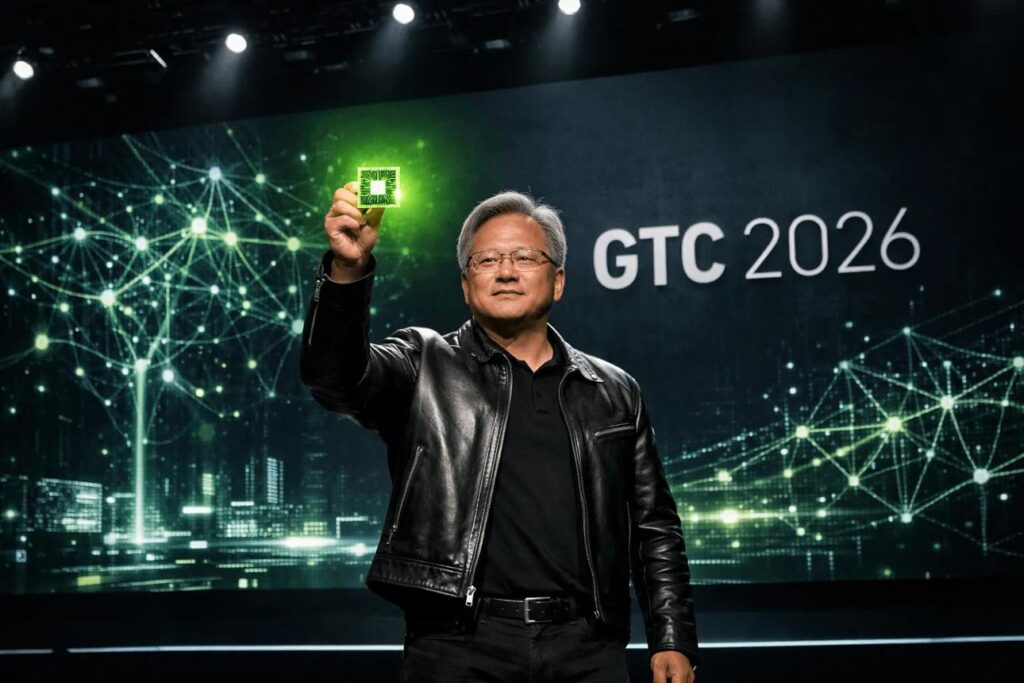
At the same time, the scale of proposed investments and semiconductor development shows that AI is becoming an increasingly important component of economic strategy.
The next phase will therefore involve more than model development. It will include competition over infrastructure, computing resources, investment and the rules governing the use of increasingly powerful systems.
International Security and Humanitarian Crises Test Global Institutions
Behind the major diplomatic, military and technological stories of the week was another continuing reality: international institutions were being asked to respond to multiple humanitarian and security crises at the same time.
One of the most serious developments involved the Democratic Republic of Congo, where an Ebola outbreak expanded to a seventh province.
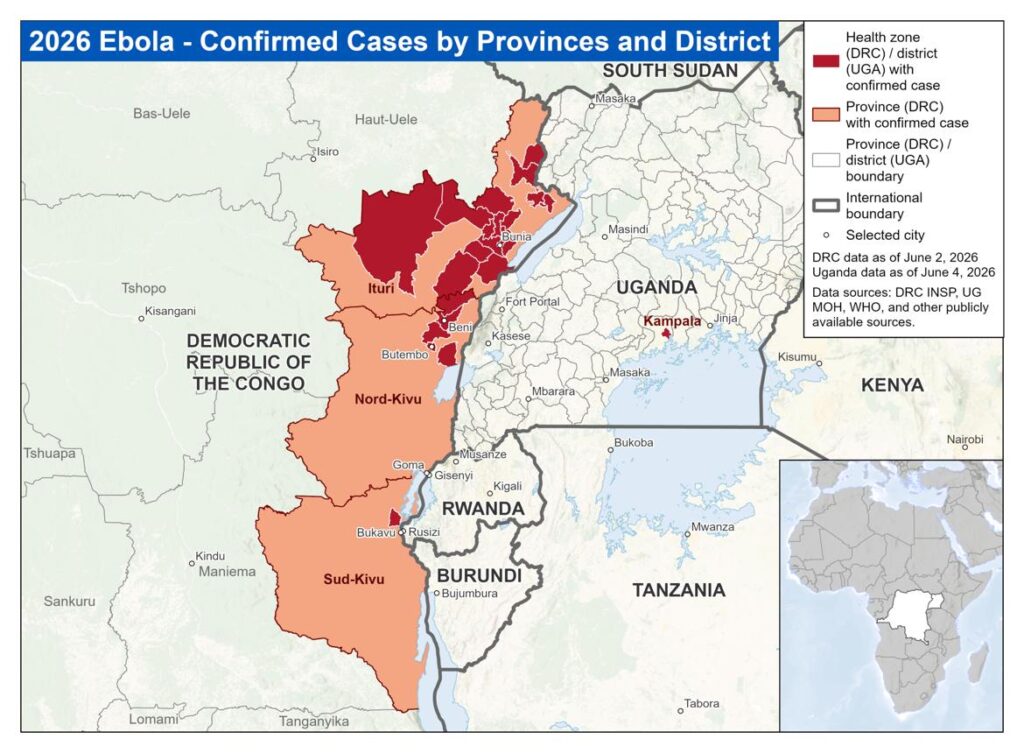
The figures in the week’s source material, dated September 23, recorded 7,890 confirmed cases and 3,799 deaths. The reported crude case-fatality ratio was 48.1 percent, with the outbreak affecting 63 health zones across seven provinces.
Those figures demonstrated the scale of the public-health emergency and the importance of sustained international attention.
The DRC outbreak was not the only humanitarian pressure point.
In Yemen, more than 130,000 people were displaced during September amid renewed conflict. The humanitarian consequences occurred alongside the country’s strategic position near important Red Sea shipping routes, creating separate security and economic concerns.
Sudan also remained involved in a diplomatic dispute concerning the legitimacy of its government, while international engagement continued around the country’s prolonged conflict.
Elsewhere, Belgium and Rwanda restored diplomatic relations following an approximately 18-month breakdown linked to tensions surrounding the conflict in the Democratic Republic of Congo.
Haiti, meanwhile, sought stronger international backing as its security crisis continued.
These developments occurred in different countries and were not necessarily connected to one another. Together, however, they illustrated the range of demands confronting international institutions: armed conflict, displacement, disease outbreaks, diplomatic disputes and fragile security environments.
The United Nations General Assembly, which was already serving as a major diplomatic gathering during the week, consequently provided an important backdrop to these challenges.
The institutional challenge is significant because each crisis requires a different response. A disease outbreak requires public-health coordination and medical resources. Displacement requires humanitarian assistance. Armed conflicts require diplomacy and security measures. Diplomatic disputes may require negotiations between governments.
There is therefore no single international response capable of resolving all these pressures.
The week’s humanitarian developments also reinforced the importance of distinguishing between separate crises rather than treating them as one unified conflict. Their common feature was the pressure they placed on governments and international institutions to respond.
For audiences following the week’s international security developments, this humanitarian dimension provides an important reminder that geopolitical crises are ultimately experienced by people through displacement, loss of life, disrupted services and insecurity.
The next stage will depend partly on whether international institutions and national governments can sustain attention across several simultaneous emergencies rather than allowing one crisis to displace another from the international agenda.
The week of September 20–26, 2026, brought together five major developments that revealed different dimensions of a changing international environment.
The Middle East conflict demonstrated how military tensions can quickly become an economic and humanitarian problem, with energy markets, shipping routes and consumers outside the region exposed to the consequences. The week’s global news roundup also showed diplomacy operating at several levels, from the United Nations General Assembly to direct engagement between the United States and China.
The Russia-Ukraine war remained a reminder that diplomatic proposals can coexist with continuing military operations, while the accelerating AI race demonstrated that strategic competition is no longer confined to territory and conventional military power.
At the same time, outbreaks, displacement, armed conflict and diplomatic crises continued to test the capacity of international institutions.
The common thread was pressure: pressure on energy systems, diplomatic channels, national security structures, technology infrastructure and humanitarian institutions.
None of the week’s major developments produced a simple resolution. Proposals remained proposals, wars continued, technological ambitions remained partly future plans, and humanitarian emergencies demanded sustained attention.
As the next week begins, the key issues to watch will therefore include the direction of Middle East diplomacy, the consequences of energy disruption, developments in the Russia-Ukraine war, the expanding strategic role of artificial intelligence and the international response to continuing humanitarian crises.
About the Author