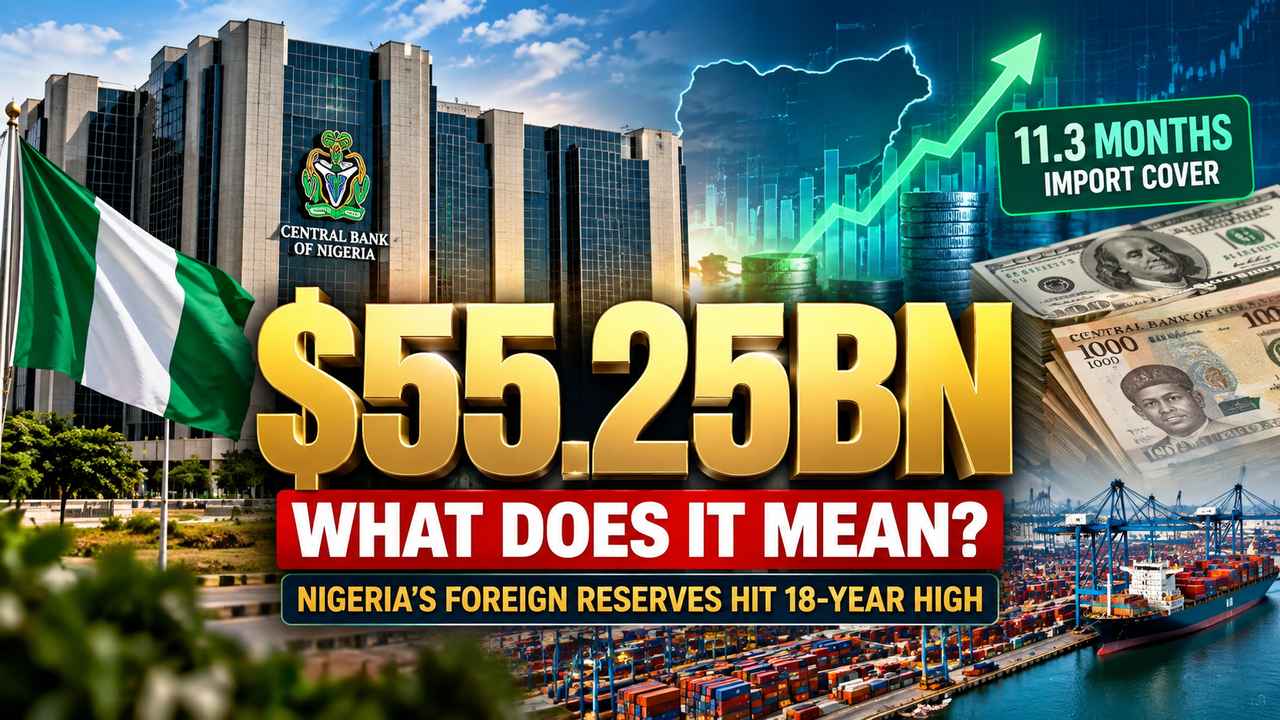
Nigeria’s foreign reserves have reached $55.25 billion, their highest level in 18 years, with approximately 11.3 months of import cover.
Nigeria foreign reserves have climbed to $55.25 billion, reaching their highest level in 18 years and providing approximately 11.3 months of import cover, according to theCentral Bank of Nigeria (CBN).
The milestone places Nigeria in a significantly stronger external position than it was months earlier. But beyond the headline figure, an important question remains: what does $55.25 billion in foreign reserves actually mean for the naira, imports, businesses and ordinary Nigerians?
The reserve increase comes alongside other notable economic developments. Nigeria’s current-account surplus rose from $4.49 billion in the first quarter of 2026 to $7.54 billion in the second quarter, while the balance-of-payments surplus increased from $2.38 billion to $3.51 billion.
At the same time, inflation continued to moderate, with headline inflation falling from 15.43 per cent in July to 15.39 per cent in August, while real GDP growth accelerated from 3.89 per cent in the first quarter to 4.43 per cent in the second quarter.
But a record reserve figure does not automatically mean cheaper food, a stronger naira or immediate relief for households.
To understand the significance of the $55.25 billion Nigeria foreign reserves position, it is necessary to look beyond the number itself — at what foreign reserves are, what 11.3 months of import cover means, why reserves have increased, how they relate to the naira and what Nigerians should watch next.
The figure is significant not simply because it is large, but because foreign reserves provide an important external buffer for an economy that needs foreign currency to pay for imports, meet international obligations and manage periods of pressure in the foreign-exchange market.
But a record reserve balance does not automatically translate into cheaper food, a stronger naira or immediate relief for households. Its importance lies partly in the additional room it gives policymakers to respond to external pressures — and in whether the improvement can be sustained.
So, what does $55.25 billion in Nigeria’s foreign reserves actually mean?
What Are Nigeria’s Foreign Reserves?
Foreign reserves are foreign-currency assets held by a country’s central bank and monetary authorities. They form part of the financial resources available to support external payments and manage pressures in the foreign-exchange market.
For Nigeria, the reserve position is particularly important because the country depends on foreign currency for a substantial volume of international transactions, including imports and other external payments.
The latest CBN figure puts Nigeria’s gross external reserves at $55.25 billion, compared with $46.70 billion in November 2025, when the CBN said the stock provided about 10.3 months of import cover.
The latest level therefore represents an increase of about $8.55 billion from that November figure.
The CBN says the September reserve position is the highest in 18 years. It also says the stronger external position has contributed to greater stability in the foreign-exchange market.
That distinction matters.
The reserve figure is not money sitting in a government account waiting to be distributed to Nigerians. It is an external financial buffer. Its economic value comes from the protection and policy flexibility it can provide.
What Does 11.3 Months of Import Cover Mean?
One of the most important figures accompanying the $55.25 billion reserve announcement is 11.3 months of import cover.
In simple terms, import cover is an indicator of how long a country’s foreign reserves could theoretically finance its imports of goods and services at the prevailing level of import demand.
The CBN says Nigeria’s current reserve position is sufficient to finance approximately 11.3 months of imports.
That does not mean Nigeria will stop importing for 11.3 months, nor does it mean the government has already set aside dollars specifically for every import transaction during that period.
Instead, it provides a way of measuring the size of the country’s foreign-currency buffer relative to its import needs.
For an economy exposed to fluctuations in oil revenue, global commodity prices and foreign-exchange demand, a larger buffer can provide greater room to absorb external shocks.
It also matters for confidence.
When a country has a stronger stock of foreign reserves, market participants have more evidence that the country has foreign-currency resources with which to meet external obligations and respond to periods of intense demand for dollars.
That does not eliminate foreign-exchange risk. It gives policymakers a larger buffer with which to manage it.
Why Are Nigeria’s Foreign Reserves Rising?
The reserve increase comes alongside a broader improvement in Nigeria’s external accounts.
The CBN reported that the country’s balance-of-payments surplus increased from $2.38 billion in the first quarter of 2026 to $3.51 billion in the second quarter.
At the same time, the current-account surplus increased by 67.92 per cent, from $4.49 billion to $7.54 billion between the first and second quarters.
These numbers are important because they show that the reserve milestone is occurring alongside stronger external-sector indicators.
The CBN has also pointed to diaspora remittances as part of the improvement in Nigeria’s external buffers. Premium Times reported that CBN Governor Olayemi Cardoso attributed part of the strengthening to remittances from Nigerians abroad.
Recent analysis of the external accounts has also identified stronger export earnings, remittances and capital inflows among the factors supporting the reserve build-up.
This means the reserve story is broader than a single number.
Nigeria’s foreign reserves reflect the interaction between foreign currency entering the economy and foreign currency leaving it.
Export receipts can bring dollars into the country. Remittances can provide another source of foreign currency. Foreign investment can add inflows. Imports and other international payments move money in the opposite direction.
The composition and durability of those flows therefore matter almost as much as the headline reserve figure.

What Does $55.25bn Mean for the Naira?
This is perhaps the question most Nigerians will ask.
The short answer is that stronger reserves can give the CBN more capacity to manage foreign-exchange pressures, but they do not guarantee a permanently stronger naira.
The CBN has said the stronger external position has contributed to greater stability in the foreign-exchange market, with Cardoso saying foreign-exchange pressures had receded as Nigeria rebuilt its external buffers.
A larger reserve buffer can improve the central bank’s ability to respond when foreign-currency demand rises sharply.
It can also strengthen confidence in Nigeria’s ability to meet legitimate external obligations.
But the exchange rate is influenced by many factors beyond the reserve balance.
These include foreign-currency demand, export earnings, imports, inflation, capital flows, interest rates and conditions in international markets.
That means Nigeria’s foreign reserves should be viewed as a source of policy capacity, not a guarantee of a particular naira exchange rate.
If reserve accumulation continues alongside stronger external earnings and reduced foreign-exchange pressures, the buffer could support greater stability.
If external pressures intensify, however, reserves can also be drawn down.
The Reserve Figure Comes as Inflation Eases
The reserve milestone is also occurring against the backdrop of moderating inflation.
According to the MPC information supplied for the September meeting, headline inflation declined for the third consecutive month, moving from 15.43 per cent in July to 15.39 per cent in August.
Food inflation fell from 20.31 per cent to 19.57 per cent, while core inflation declined from 14.97 per cent to 13.29 per cent. The 12-month moving average of headline inflation also fell from 16.89 per cent to 16.30 per cent.
Those figures provide an important part of the wider economic picture.
They suggest that the reserve increase is taking place at the same time as several other macroeconomic indicators are moving in a more favourable direction.
But inflation moderation should not be confused with falling prices.
A decline in the inflation rate means prices are rising more slowly than before; it does not necessarily mean that the prices consumers already face have returned to earlier levels.
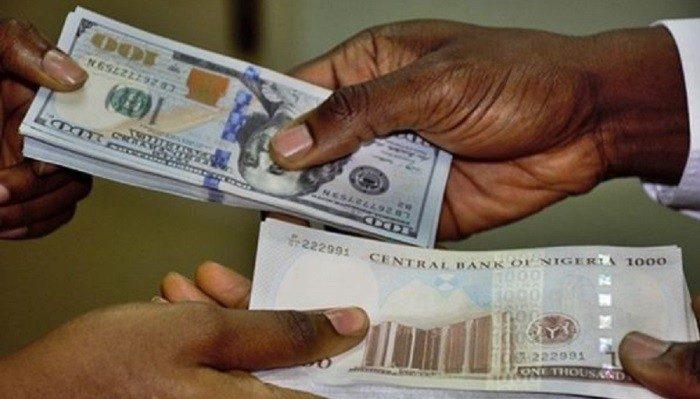
That distinction is particularly important when considering what the $55.25 billion reserve position means for households.
Economic Growth Is Also Strengthening
The external improvement has coincided with stronger reported economic growth.
Nigeria’s real Gross Domestic Product expanded by 4.43 per cent in the second quarter of 2026, compared with 3.89 per cent in the first quarter, according to the MPC information.
The oil sector accelerated to 7.31 per cent, compared with 2.57 per cent in the preceding quarter, while the non-oil sector grew by 4.31 per cent.
The Composite Purchasing Managers’ Index also increased from 51.1 points in July to 52.7 points in August, indicating continued expansion in business activity.
Together, these indicators provide context for the reserve announcement.
Nigeria is not experiencing an isolated increase in its foreign-currency holdings. The reserve milestone has emerged alongside improvements reported across external balances, inflation, economic growth and business activity.
The question, however, is how durable those improvements will be.
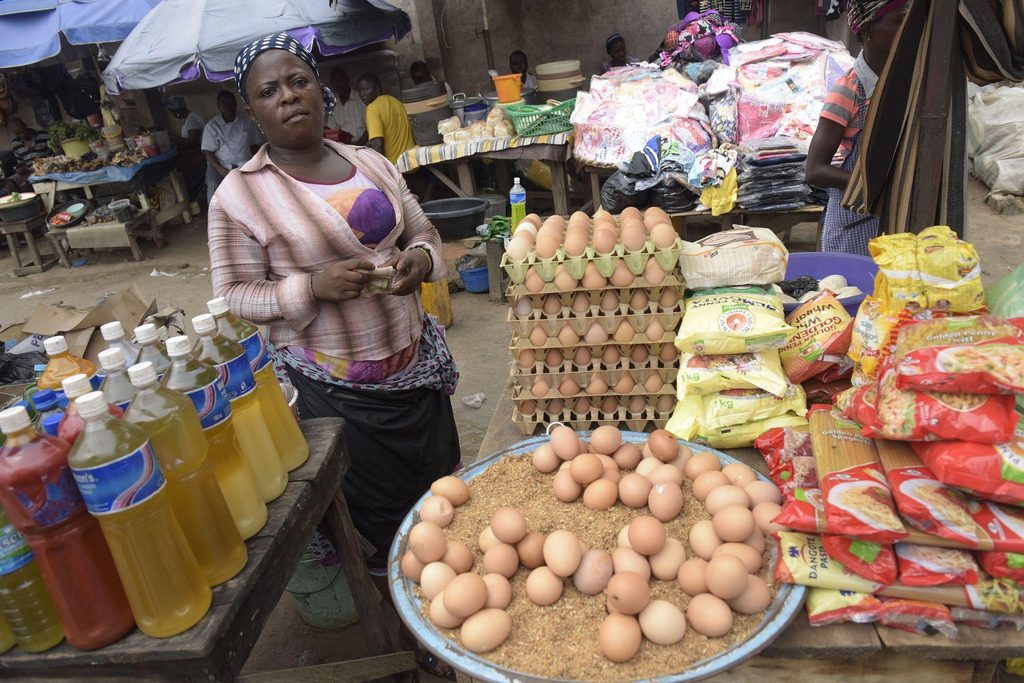
Why the $55.25bn Figure May Not Immediately Change Household Life
This is where the difference between a macroeconomic improvement and household economic relief becomes important.
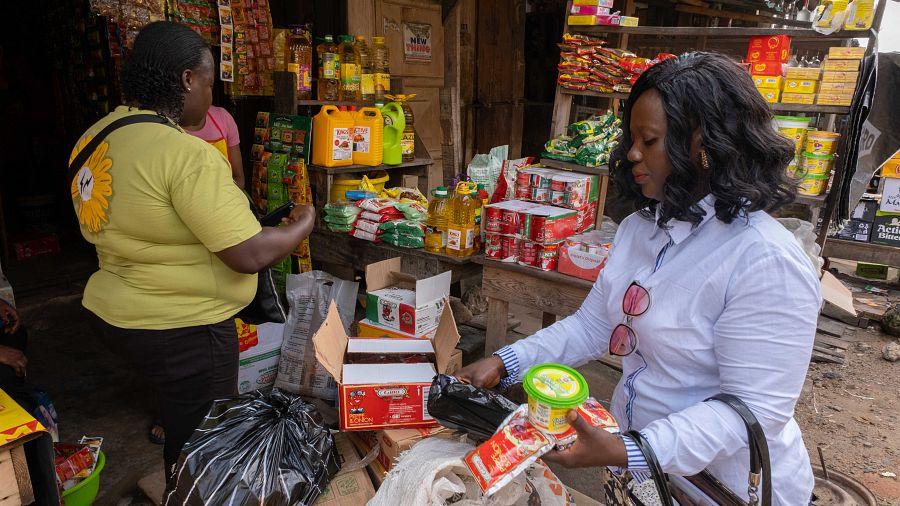
A country can have stronger reserves while families continue to struggle with the cost of food, housing, transport, education and other expenses.
The reserve figure does not directly put money into household bank accounts.
Its potential effect on households comes through broader economic channels.
If stronger reserves contribute to greater foreign-exchange stability, businesses may face less uncertainty when planning transactions that require foreign currency. If inflation continues to moderate, purchasing power may gradually face less pressure. If monetary conditions support productive economic activity, investment and employment could also be affected.
But these outcomes are not automatic.
The supplied TVC report makes the same distinction, noting that the impact on households and businesses will depend on how sustained reserve accumulation, exchange-rate stability, lower inflation and the new interest-rate framework translate into economic activity and living standards.
That is why the $55.25 billion figure should be understood as an important economic condition rather than an immediate household benefit.
The CBN Has Also Cut Its Interest Rate
The reserve announcement came alongside another major monetary-policy decision.
The CBN reduced the Monetary Policy Rate from 26.5 per cent to 23 per cent, a reduction of 350 basis points.
The bank also recalibrated the policy corridor around the new rate.
According to reporting on the MPC decision, the CBN said the change was intended to reset the policy rate and improve the transmission of monetary policy rather than represent a fundamental abandonment of its restrictive monetary-policy stance.
The timing is significant.
The central bank is now operating in an environment where reserves are considerably stronger, inflation has moderated and economic growth has accelerated.
But lower policy rates do not automatically mean that every Nigerian will suddenly obtain cheaper loans.
The eventual effect depends on how monetary-policy changes move through commercial banks and other financial institutions and how businesses and consumers respond.
What Could Threaten the Improvement?
The CBN itself has identified several risks.
These include the economic effects of the Middle East conflict, elevated global energy and commodity prices, persistent supply-chain disruptions and trade-policy uncertainty. The MPC also identified prolonged geopolitical tensions and election-related spending as potential upside risks to domestic price pressures.
These risks matter because Nigeria’s external position remains connected to developments outside its borders.
Oil prices influence the value of Nigeria’s petroleum exports. Global financial conditions can influence capital flows. Geopolitical disruptions can affect energy prices, shipping and supply chains.
A stronger reserve buffer gives Nigeria greater room to absorb some of these shocks, but it does not make the economy immune to them.
The sustainability of the reserve position will therefore depend on what happens to the country’s external earnings, foreign-exchange demand, capital flows and wider economic conditions.

From $46.7bn to $55.25bn: The Bigger Picture
The change becomes clearer when the latest figure is compared with the previous reserve position reported by the CBN.
In November 2025, Nigeria’s external reserves stood at $46.70 billion, with about 10.3 months of import cover. By September 18, 2026, reserves had reached $55.25 billion, with import cover extending to about 11.3 months.
That represents a substantial improvement in the country’s external buffer.
But the more important question now is whether the improvement can be sustained.
The reserve position will continue to be influenced by the flow of foreign currency into and out of Nigeria.
If external earnings remain strong, remittances continue to provide support and foreign-exchange pressures remain contained, the reserve position could remain stronger.
If external shocks intensify or foreign-currency outflows rise substantially, some of that buffer could come under pressure.
The number therefore tells only part of the story.
What Nigerians Should Watch Next
The next stage of Nigeria’s economic story will not be determined by the $55.25 billion figure alone.
Several indicators will reveal whether the improvement is becoming more durable.
First is reserve accumulation. Nigerians and investors will want to know whether reserves continue rising or begin to fall.
Second is exchange-rate stability. A stronger external buffer matters partly because of its relationship with foreign-exchange conditions.
Third is inflation. Continued moderation would determine whether the improvement in headline indicators eventually translates into less pressure on household budgets.
Fourth is economic growth. The sustainability of growth across both oil and non-oil sectors will matter.
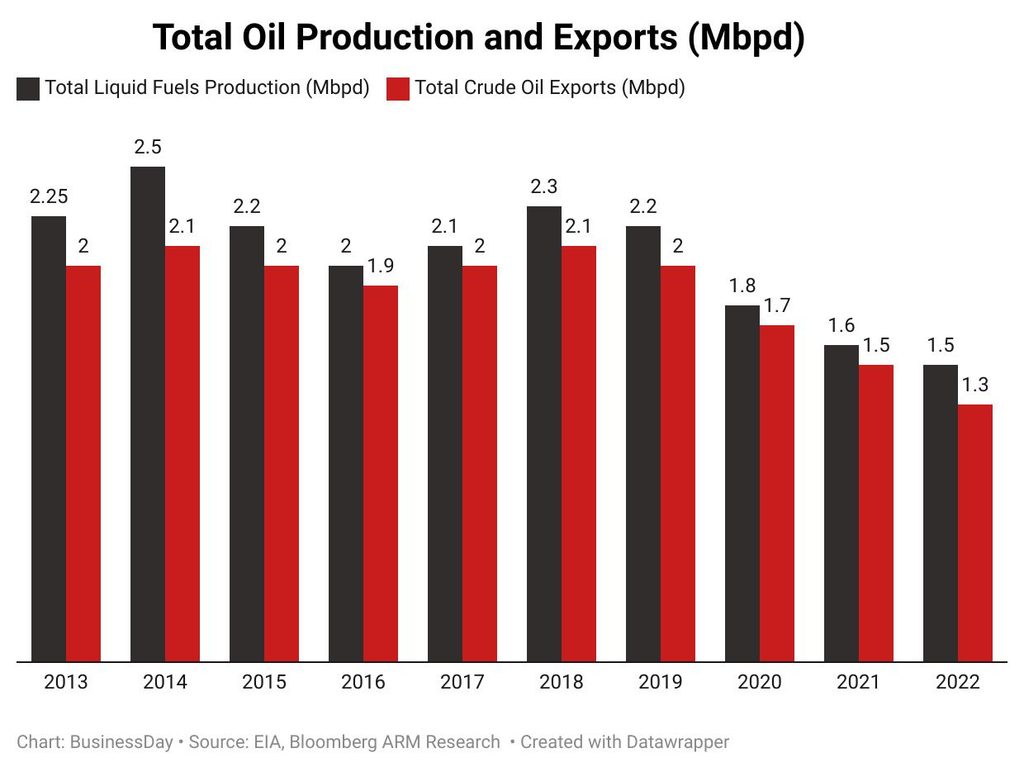
Fifth is foreign-currency earnings. Oil production, exports, remittances and investment flows will remain important to the country’s external position.
Sixth is monetary policy. The effect of the new 23 per cent MPR will become clearer as it passes through the financial system.
These indicators will provide a better measure of the durability of Nigeria’s current macroeconomic improvement than the reserve figure on its own.
The Real Meaning of $55.25bn
Nigeria’s $55.25 billion foreign reserve milestone is significant because it gives the country a substantially larger external buffer than it had months earlier.
It means the CBN has a stronger reserve position with which to manage foreign-exchange pressures. It means import-cover metrics have improved. It comes alongside stronger current-account and balance-of-payments positions, moderating inflation and faster reported economic growth.
But the figure should not be interpreted as a promise of immediate economic relief.
The real test will be whether the stronger external position can be sustained and whether it contributes to conditions that businesses and households eventually experience through greater economic stability.
That makes the most important number after $55.25 billion the numbers that come next.
Will reserves keep rising?
Will foreign-exchange pressures remain contained?
Will inflation continue to moderate?
Will economic growth remain broad-based?
And will stronger macroeconomic indicators eventually translate into improved economic conditions for Nigerians?
For now, the reserve milestone provides Nigeria with a larger financial buffer. What matters next is how effectively and sustainably that buffer supports the wider economy.
Source note: The core figures in this report are based on the supplied Premium News and TVC News reports and the CBN’s September 2026 MPC material; additional current context was cross-checked against reporting published September 22–23, 2026. The distinction between documented figures and forward-looking implications is intentional.
About the Author