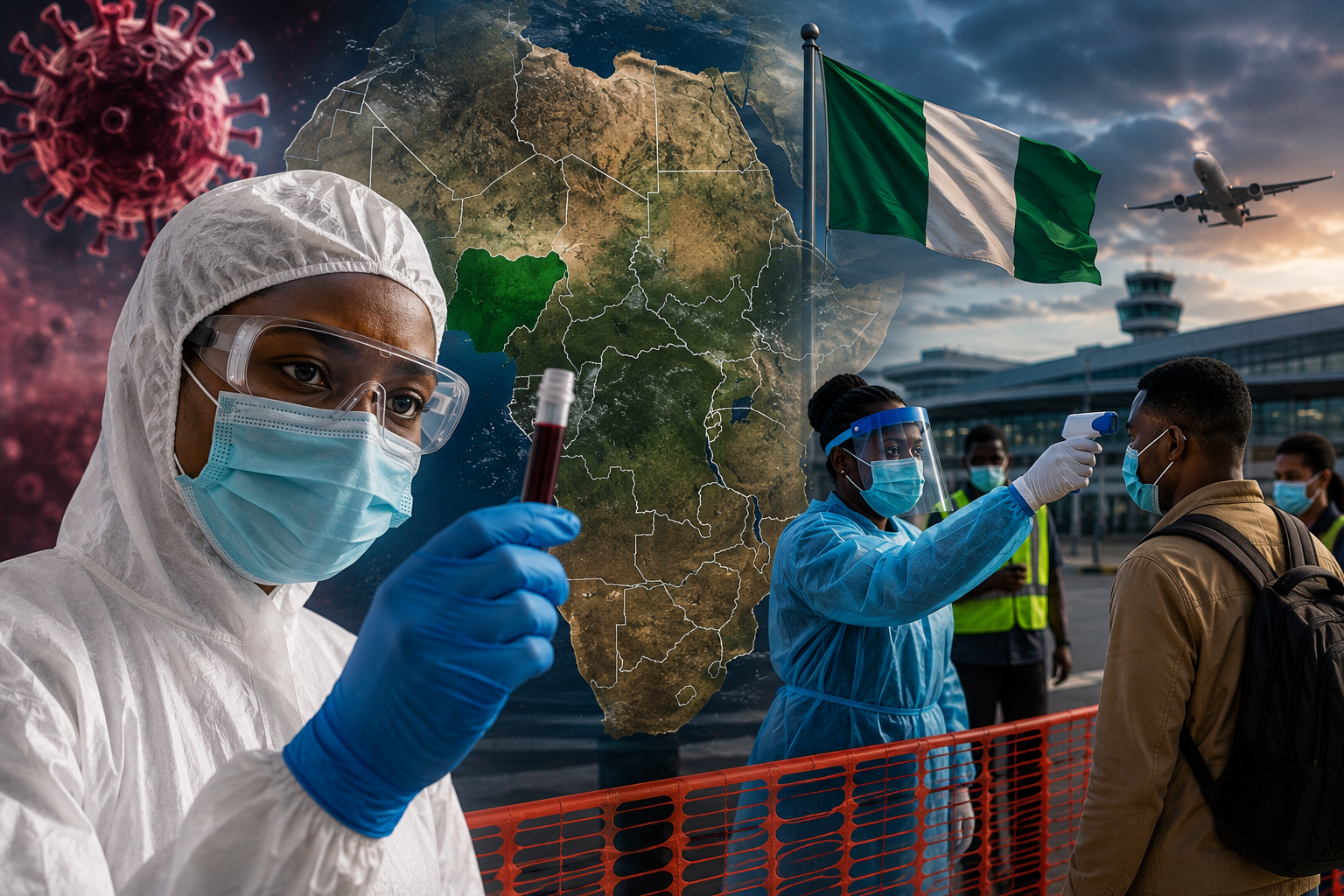
Bundibugyo Ebola Outbreak Prompts Nigeria Border Alert
WHO declares global health emergency as DR Congo outbreak worsens while Nigeria strengthens surveillance
The Bundibugyo Ebola outbreak has intensified across the Democratic Republic of the Congo (DRC), prompting the World Health Organization (WHO) to declare a Public Health Emergency of International Concern as health officials race to contain the virus amid armed conflict, mass displacement and increasing cross-border movement. Although Nigeria has not recorded any confirmed case, authorities have heightened airport screening and disease surveillance to prevent the virus from entering the country.
The outbreak, caused by the rare Bundibugyo strain of the Ebola virus, has claimed around 600 lives and infected more than 1,750 people across 37 health zones in eastern DR Congo. The WHO says the combination of insecurity, regional mobility and weakened healthcare systems has significantly complicated efforts to contain transmission.
For Nigeria, the outbreak serves as a reminder that infectious diseases respect no borders. With direct travel links connecting Central and East Africa to major Nigerian cities, health officials are prioritising preparedness rather than waiting for the first imported case.
The Bundibugyo Ebola outbreak has become one of Africa’s most closely monitored public health emergencies because of its cross-border implications and the absence of a licensed vaccine for this strain.
Bundibugyo Ebola Outbreak Raises Regional Concerns
Unlike previous Ebola outbreaks dominated by the Zaire strain, the current emergency involves the far less common Bundibugyo species, creating additional challenges for scientists and healthcare workers.
The WHO’s emergency declaration reflects concerns that the outbreak could spread beyond the immediate epicentre if surveillance and response efforts are weakened by ongoing conflict in eastern DR Congo.
According to available outbreak data:
- More than 1,750 confirmed infections have been recorded.
- Around 600 deaths have been reported.
- Cases span 37 health zones.
- Ituri Province remains the hardest-hit area with over 1,600 infections and more than 500 deaths.
- Smaller numbers of cases have also been confirmed in North Kivu and South Kivu.
Neighbouring Uganda has reported 20 confirmed cases and two deaths, although authorities there have not recorded any new locally acquired infections since late June, suggesting containment efforts are beginning to show results.
Imported cases involving medically evacuated or returning travellers have also been reported in Germany and France, though health agencies continue to assess the overall public risk outside the outbreak zone as very low.
Why the Bundibugyo Strain Is Different
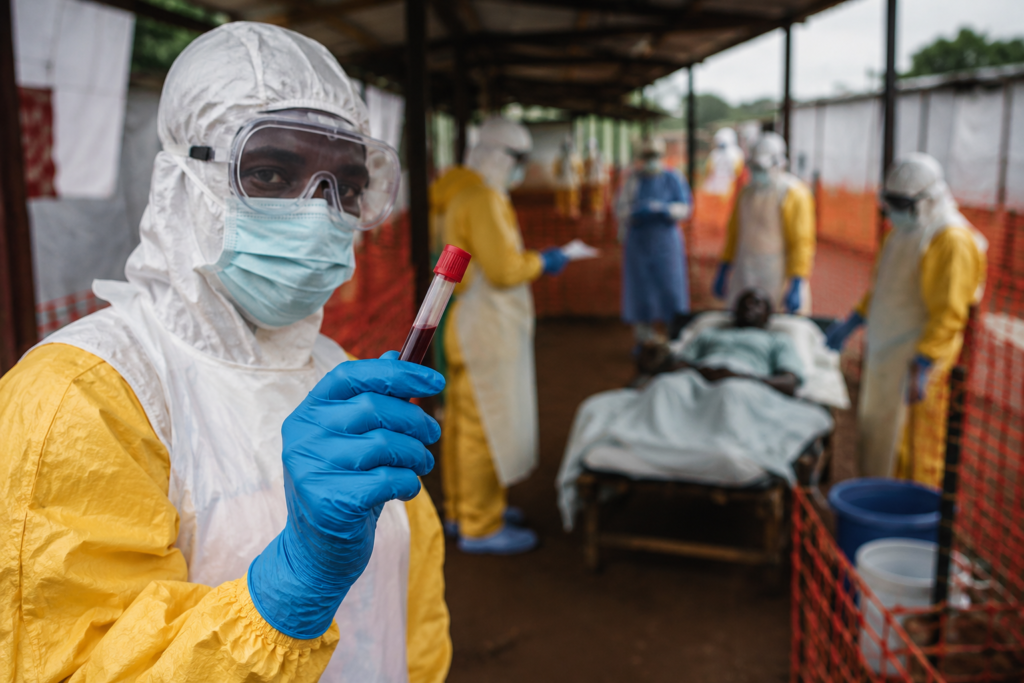
The Bundibugyo strain remains one of the least common forms of Ebola virus disease.
Unlike the better-known Zaire Ebola virus, there is currently no licensed vaccine specifically approved for this strain. That absence places greater emphasis on rapid diagnosis, isolation, contact tracing and supportive medical care.
Recognising this challenge, the WHO has recently added the first diagnostic test designed specifically for Bundibugyo Ebola to its Emergency Use Listing while supporting clinical trials aimed at identifying effective treatments.
Scientists say these developments could significantly improve future outbreak responses if the trials prove successful.
Health experts say the Bundibugyo Ebola outbreak requires rapid surveillance, early diagnosis and coordinated international action to limit further transmission.
Conflict Is Slowing Containment Efforts
Health officials warn that the outbreak is unfolding under exceptionally difficult circumstances.
Large areas of eastern DR Congo continue to experience armed conflict, forcing thousands of residents to flee their homes while disrupting medical services.
These security challenges have severely affected one of the most important tools for controlling Ebola—contact tracing.
The WHO estimates that health workers are successfully monitoring only about 60 percent of identified contacts, far below the approximately 95 percent coverage generally needed to interrupt transmission effectively.
Frequent displacement also makes it difficult to monitor patients, trace exposed individuals and maintain quarantine measures.
The Africa Centres for Disease Control and Prevention (Africa CDC) has urged governments and international partners to rapidly expand treatment centres and increase medical resources before existing facilities become overwhelmed.
Why Nigeria Has Increased Border Screening
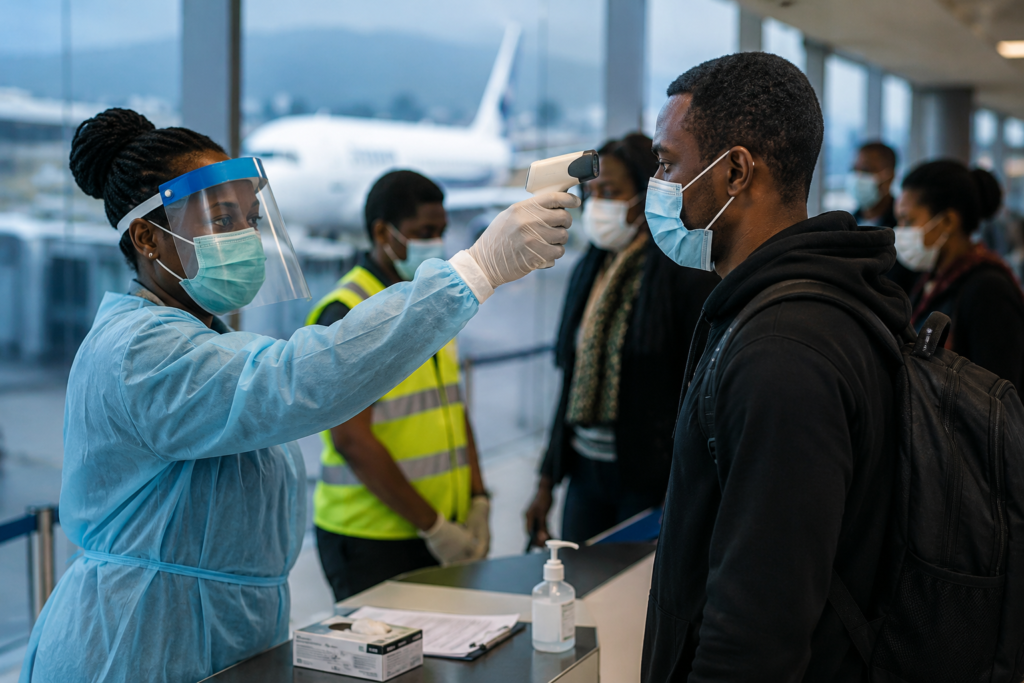
Although the Nigeria Centre for Disease Control (NCDC) has confirmed there are no Ebola cases in Nigeria, authorities are treating the regional outbreak with caution.
Airport screening measures have been reinforced at major international entry points, particularly those receiving passengers from regions connected through international flight networks.
Health officials are also increasing disease surveillance across state public health departments to ensure that any suspected case can be detected and isolated quickly.
Nigeria’s response reflects lessons learned during previous Ebola emergencies, when rapid case identification, aggressive contact tracing and coordinated public communication helped prevent wider community transmission.
Preparedness measures include:
- Enhanced airport health screening.
- Increased surveillance at points of entry.
- Rapid reporting systems for suspected infections.
- Public health awareness campaigns.
- Coordination between federal and state health authorities.
Officials stress that these measures are precautionary and should not be interpreted as evidence that Ebola has entered Nigeria.
Nigeria’s precautionary measures reflect growing concern that the Bundibugyo Ebola outbreak could increase the risk of imported infections if regional surveillance weakens.
Should Nigerians Be Worried?
Public health experts generally advise against panic.
While the outbreak deserves close monitoring, health authorities emphasise that Nigeria currently has no confirmed infections linked to the Bundibugyo outbreak.
Instead, officials encourage vigilance and public cooperation.
Travellers returning from affected regions are advised to comply fully with health screening procedures and immediately report symptoms such as:
- Sudden fever.
- Severe weakness.
- Headache.
- Muscle pain.
- Vomiting.
- Diarrhoea.
- Unexplained bleeding.
Early diagnosis remains one of the most effective ways to prevent widespread transmission.
How Ebola Spreads
Ebola is not transmitted through casual airborne contact.
Instead, infection occurs through direct contact with:
- Blood or bodily fluids of an infected person.
- Contaminated medical equipment.
- Infected animals.
- Surfaces contaminated with infectious fluids.
Because healthcare workers frequently care for infected patients, proper protective equipment remains essential during outbreaks.
Public health authorities continue to discourage misinformation, noting that ordinary social interaction with healthy individuals does not spread Ebola.
Global Health Agencies Intensify Their Response
The WHO, Africa CDC and national governments continue working together to slow transmission.
Current priorities include:
- Expanding laboratory testing.
- Improving surveillance.
- Increasing treatment capacity.
- Supporting contact tracing.
- Accelerating clinical research.
- Protecting frontline healthcare workers.
- Strengthening cross-border coordination.
International partners also continue providing technical assistance and emergency medical supplies to affected regions.
According to information published by the European Centre for Disease Prevention and Control, ongoing monitoring remains essential because insecurity in eastern DR Congo continues to increase operational challenges for health responders.
Why This Outbreak Matters Beyond Central Africa
Although the outbreak remains concentrated in Central Africa, modern international travel means infectious diseases can move across borders much faster than in previous decades.
That reality explains why countries with no confirmed cases—including Nigeria—are investing in surveillance and preparedness rather than waiting for infections to appear.
Health experts argue that prevention is significantly less costly than responding to uncontrolled community transmission.
The current outbreak also highlights broader challenges facing African public health systems, including conflict, limited healthcare infrastructure and the need for sustained international cooperation during health emergencies.
The Road Ahead
The coming weeks are expected to be critical.
If health authorities can improve contact tracing, expand treatment capacity and maintain cross-border cooperation, transmission may gradually decline.
However, continued insecurity in parts of eastern DR Congo remains a major obstacle.
For Nigeria, the immediate priority is preparedness rather than alarm.
By strengthening surveillance, maintaining airport screening and reinforcing public health awareness, authorities hope to minimise the risk of imported infections while reassuring citizens that there is currently no confirmed Ebola case in the country.
As the Bundibugyo Ebola outbreak evolves, health agencies across Africa and beyond will continue monitoring developments closely, recognising that coordinated action remains the strongest defence against one of the continent’s most dangerous infectious diseases.
How Travellers Can Reduce Their Risk
Health authorities are encouraging travellers to remain informed rather than alarmed. The WHO and the Nigeria Centre for Disease Control and Prevention (NCDC) advise people travelling to or from affected areas to follow official health guidance and cooperate fully with screening procedures at airports and border crossings.
Recommended precautions include:
- Monitor official travel advisories before departure.
- Avoid contact with people who are ill or suspected of having Ebola.
- Practise regular hand hygiene using soap and water or alcohol-based sanitisers.
- Avoid contact with blood, bodily fluids, or contaminated materials.
- Seek immediate medical attention if symptoms develop after travelling from an affected area.
- Report any recent travel history to healthcare providers to support early diagnosis.
Health experts stress that early reporting can significantly improve patient care and help prevent further transmission.
Travellers are encouraged to stay informed about the Bundibugyo Ebola outbreak by following official health advisories issued by the WHO and the Nigeria Centre for Disease Control and Prevention.
Lessons From Nigeria’s Previous Ebola Response
Nigeria’s current preparedness strategy draws heavily on its successful response to the 2014 Ebola outbreak, which was widely recognised as one of Africa’s most effective public health interventions.
Following the confirmation of the country’s first imported case in July 2014, Nigerian health authorities rapidly implemented emergency measures that included:
- Aggressive contact tracing.
- Isolation of confirmed and suspected cases.
- Public awareness campaigns.
- Coordination among federal, state and international health agencies.
- Deployment of emergency operations centres.
Those measures helped contain the outbreak before widespread community transmission occurred, earning international recognition for Nigeria’s emergency response system.
Public health specialists say many of those same systems—including surveillance networks, laboratory capacity and emergency coordination—are now being strengthened as a precaution against the current Bundibugyo Ebola outbreak.
The Importance of Regional Cooperation
The latest outbreak has once again demonstrated that infectious diseases cannot be contained by national borders alone.
Countries across Africa continue to share surveillance data, laboratory findings and public health intelligence through partnerships involving the WHO, Africa CDC and national disease control agencies.
Regional cooperation is expected to remain essential in:
- Coordinating cross-border surveillance.
- Sharing laboratory expertise.
- Supporting emergency medical teams.
- Improving access to treatment facilities.
- Strengthening public communication.
- Accelerating scientific research into diagnostics and treatments.
Health officials say sustained collaboration will be critical in preventing isolated outbreaks from becoming wider regional emergencies.
Regional collaboration will remain essential to bringing the Bundibugyo Ebola outbreak under control and preventing further cross-border transmission across Central and East Africa.
Combating Misinformation During Health Emergencies
Public health agencies are also urging the public to rely on verified information from recognised health authorities.
False claims circulating during disease outbreaks can undermine response efforts by discouraging people from reporting symptoms or following medical advice.
Officials recommend obtaining updates from trusted organisations such as:
- World Health Organization (WHO)
- Nigeria Centre for Disease Control and Prevention (NCDC)
- Africa Centres for Disease Control and Prevention (Africa CDC)
- National and state public health authorities
Accurate information, experts say, remains one of the most effective tools in protecting communities during public health emergencies.
What Happens Next?
The coming weeks will be crucial in determining whether health authorities can slow the spread of the Bundibugyo Ebola virus.
The success of containment efforts will depend largely on:
- Expanding treatment and isolation facilities.
- Improving contact tracing in conflict-affected communities.
- Increasing laboratory testing capacity.
- Maintaining strong cross-border surveillance.
- Supporting healthcare workers with adequate resources.
- Advancing clinical trials for potential treatments.
Although Nigeria has reported no confirmed cases, officials are expected to maintain heightened surveillance while monitoring developments in Central Africa.
For now, health authorities continue to emphasise preparedness over panic. By strengthening border screening, improving disease surveillance and encouraging public awareness, Nigeria aims to reduce the risk of imported infections while reassuring citizens that there is currently no evidence of local transmission.
As the Bundibugyo Ebola outbreak continues to evolve, governments, health agencies and local communities must work together to strengthen surveillance, improve preparedness and protect public health across Africa.
Frequently Asked Questions About the Bundibugyo Ebola Outbreak
Is there an Ebola outbreak in Nigeria?
No. As of the latest official updates, the Nigeria Centre for Disease Control and Prevention (NCDC) has not confirmed any case of Ebola linked to the current Bundibugyo outbreak. However, health authorities have activated enhanced surveillance and screening measures at airports and other points of entry as a precaution.
What is the Bundibugyo strain of Ebola?
The Bundibugyo virus is one of several known species of the Ebola virus. It was first identified in Uganda in 2007 and is less common than the Zaire strain, which has caused many of the largest Ebola outbreaks in Africa.
Although both strains cause Ebola Virus Disease (EVD), the Bundibugyo strain presents unique challenges because there is currently no licensed vaccine specifically approved for it.
How dangerous is the current outbreak?
The outbreak remains serious due to several factors:
- Hundreds of deaths have already been reported.
- More than 1,700 confirmed infections have been recorded.
- Armed conflict continues to disrupt healthcare delivery.
- Population displacement makes contact tracing more difficult.
- Cross-border travel increases the risk of international spread.
These factors led the WHO to classify the situation as a Public Health Emergency of International Concern.
Can Ebola spread through the air?
No.
According to public health authorities, Ebola is not an airborne disease like influenza or COVID-19.
Transmission usually occurs through direct contact with:
- Blood.
- Vomit.
- Saliva.
- Sweat.
- Urine.
- Other bodily fluids of an infected person.
- Contaminated objects such as medical equipment or clothing.
Maintaining good hygiene and avoiding direct contact with infected individuals remain the most effective preventive measures.
What are the symptoms of Ebola?
Symptoms may appear between 2 and 21 days after exposure.
Common signs include:
- High fever.
- Severe headache.
- Muscle pain.
- Extreme weakness.
- Vomiting.
- Diarrhoea.
- Stomach pain.
- Skin rash.
- Unexplained internal or external bleeding in severe cases.
Anyone experiencing these symptoms after travelling from an affected area should seek immediate medical care and inform health workers of their travel history.
Expert Perspective: Why Early Preparedness Matters
Public health specialists consistently emphasise that responding early is significantly more effective than reacting after widespread transmission has begun.
By strengthening border surveillance before any confirmed domestic case emerges, Nigeria is applying lessons learned from previous disease outbreaks. Early screening, rapid laboratory testing and public awareness campaigns can reduce the likelihood of imported infections leading to community spread.
Experts also note that public cooperation is essential. Travellers are encouraged to comply with health screening measures, while communities should avoid spreading misinformation that could undermine response efforts.
Looking Beyond the Current Crisis
The Bundibugyo Ebola outbreak also highlights broader challenges facing Africa’s healthcare systems, particularly in regions affected by conflict and displacement.
Investment in disease surveillance, laboratory infrastructure, healthcare workforce training and emergency preparedness will remain essential long after the current outbreak is brought under control.
For governments across the continent, the crisis reinforces the importance of building resilient public health systems capable of responding quickly to future infectious disease threats.
Key Takeaways
- The Bundibugyo Ebola outbreak is centred in the Democratic Republic of the Congo and has prompted a WHO global health emergency declaration.
- More than 1,750 confirmed cases and about 600 deaths have been reported in the DRC.
- Uganda has recorded limited cases, while imported infections have been detected in Europe.
- Nigeria has no confirmed Ebola cases, but has intensified airport screening and border surveillance.
- There is currently no approved vaccine specifically for the Bundibugyo strain, making rapid detection and public health measures critical.
- Conflict and population displacement in eastern DRC continue to hamper contact tracing and containment efforts.
- Health authorities advise the public to remain informed, follow official guidance and avoid unnecessary panic.
Conclusion
The Bundibugyo Ebola outbreak is a stark reminder that infectious disease outbreaks can quickly become regional and global concerns when conflict, mobility and fragile health systems intersect. While the Democratic Republic of the Congo remains the epicentre, neighbouring countries—including Nigeria—are taking proactive measures to strengthen surveillance and border health security.
For Nigerians, the message from health authorities is clear: there is no confirmed Ebola case in the country, but vigilance remains essential. Enhanced airport screening, improved disease surveillance and public awareness are precautionary steps designed to protect the population, not signals of an active domestic outbreak.
As international health agencies continue supporting containment efforts in Central Africa, the coming weeks will be critical in determining whether coordinated action can halt the spread of the virus. Until then, informed reporting, responsible public behaviour and sustained regional cooperation will remain the strongest tools in preventing further transmission and safeguarding public health.
Recommended Coverage
Ebola Outbreak Spreads Across DRC and Uganda
You can also read our earlier report on how the Ebola outbreak first spread across the Democratic Republic of the Congo and Uganda. It provides essential background on the crisis and the response that set the stage for the current emergency.
Congo Ebola Outbreak Highlights Africa’s Health System Struggles
You can also explore our in-depth analysis of how the Ebola outbreak is exposing long-standing weaknesses in Africa’s healthcare systems. Discover why stronger regional cooperation and investment are critical to preventing future epidemics.
DR Congo World Cup Journey Faces Health Restrictions
You can also learn how the Ebola outbreak is affecting sports, international travel and public events in the Democratic Republic of the Congo. The report explains the wider social and economic impact beyond public health.
About the Author