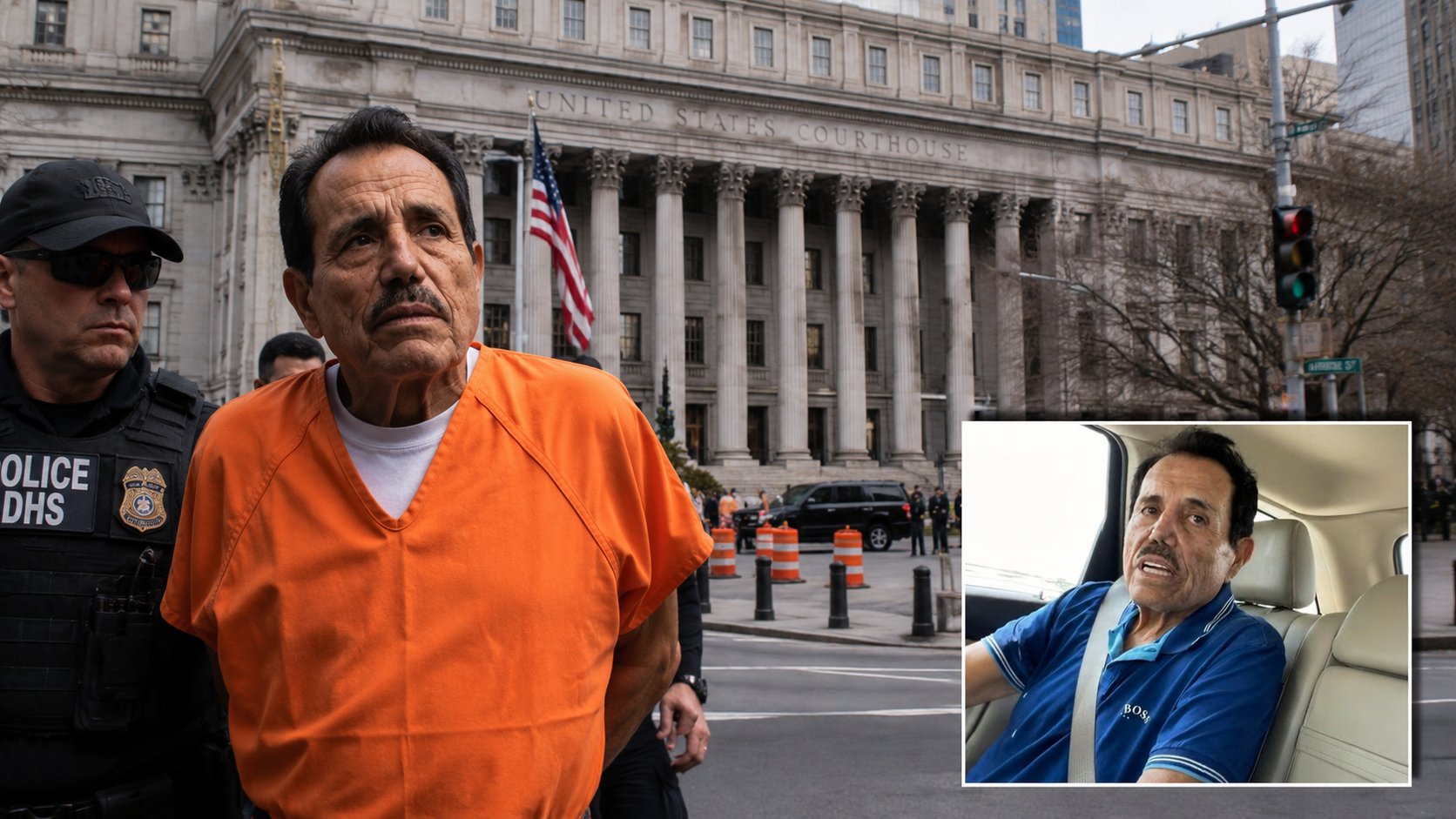
The Sinaloa Cartel’s Next Challenge: A Battle for Control
Although the El Mayo Life Sentence closes the legal case against one of the cartel’s founders, it does not necessarily signal the end of the Sinaloa Cartel itself.
According to the supplied source material, rival factions have been locked in a violent struggle for dominance since Zambada’s arrest in July 2024. The conflict has been concentrated largely in Mexico’s Sinaloa state, where competing groups linked to Zambada’s family and the sons of Joaquín “El Chapo” Guzmán have battled for influence. The violence has reportedly left hundreds of people missing and contributed to widespread insecurity across the region.
For organised crime experts, this reflects a familiar pattern. Criminal organisations often evolve rather than disappear after losing senior leaders. Instead of collapsing, they frequently fragment into smaller factions competing for territory, trafficking routes and financial resources.
This succession struggle can sometimes intensify violence in the short term as rival groups attempt to establish control.
That appears to be one of the immediate consequences following El Mayo’s removal from active leadership.
Why Analysts Believe the Drug Trade Will Continue
Perhaps the most important question arising from the sentencing is whether it will significantly reduce drug trafficking into the United States.
The source reports indicate that many analysts remain sceptical.
Despite describing the conviction as historic, experts believe the Sinaloa Cartel possesses deep organisational structures that extend beyond any single individual. Smuggling routes, financial networks and international supply chains have been built over decades and are capable of adapting to leadership changes.
The organisation has long diversified its activities, trafficking cocaine, methamphetamine, heroin and, more recently, fentanyl—one of the deadliest synthetic opioids contributing to overdose deaths across North America.
As previous prosecutions have shown, imprisoning senior figures does not automatically dismantle the infrastructure supporting these operations.
Instead, new commanders frequently emerge to replace those removed by law enforcement.
For policymakers, therefore, the challenge extends beyond arresting individual kingpins to disrupting the financial systems, logistics networks and corruption that enable transnational organised crime to function.
Trump’s Renewed Pressure on Mexican Cartels
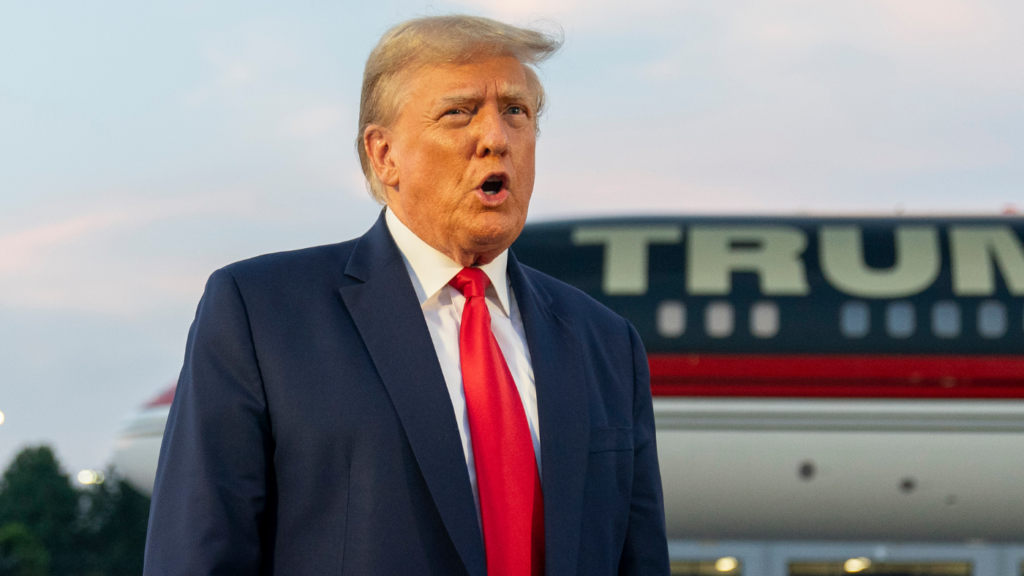
The sentencing also unfolds against the backdrop of intensified US efforts to combat organised crime under President Donald Trump.
According to the supplied reports, the Trump administration has increased pressure on Mexican authorities by designating several drug cartels as terrorist organisations and calling for stronger action against criminal groups operating across the US-Mexico border.
The designation reflects a broader shift in Washington’s security strategy, treating certain organised crime groups not only as criminal enterprises but also as significant national security threats.
At the same time, Mexico has deployed thousands of troops to Sinaloa in an effort to contain cartel violence and restore stability following the leadership crisis triggered by Zambada’s arrest.
Whether these combined measures will substantially weaken cartel operations remains uncertain.
Human Dimension Behind the Courtroom Drama
Beyond the geopolitical implications, the sentencing also highlighted the personal realities facing the ageing cartel leader.
At 76 years old, Zambada requested placement in a federal medical facility because of age-related health concerns. Defence lawyers argued that his condition warranted specialised care rather than placement in a conventional high-security prison.
Prosecutors opposed the request, maintaining that he continued to pose a security risk and could potentially influence criminal activities from custody.
The final decision regarding where he serves his sentence rests with the US Bureau of Prisons.
During the hearing, Zambada accepted responsibility for his crimes and apologised for the suffering caused during his decades as one of the world’s most powerful narcotics traffickers. He urged younger generations to reject violence, saying organised crime had destroyed countless lives and families.
His statement marked one of the few public expressions of remorse from a figure who spent decades avoiding both capture and public attention.
What the Case Means Beyond North America
Although centred on the United States and Mexico, the case has wider international significance.
Drug trafficking has become an increasingly global enterprise, with criminal organisations exploiting international shipping routes, financial systems and communication technologies that extend well beyond the Americas.
Governments across multiple regions—including parts of Africa—have strengthened cooperation on intelligence sharing, anti-money laundering measures and border security to combat transnational organised crime.
For Nigeria and other African countries, the case underscores the importance of sustained international collaboration against trafficking networks that increasingly operate across continents. While the supplied source material does not identify a direct Nigerian connection to the Zambada case, it illustrates how organised crime has evolved into a global security challenge requiring coordinated law enforcement responses. This broader observation is analytical rather than a claim derived from the case itself.
Why the El Mayo Life Sentence Matters
The El Mayo Life Sentence represents a major symbolic and legal victory for US authorities after decades spent pursuing one of the world’s most elusive drug traffickers.
It also demonstrates that even the most powerful organised crime figures can eventually face justice.
However, the broader challenge remains.
History has repeatedly shown that dismantling criminal organisations requires more than imprisoning individual leaders. Sustainable progress depends on disrupting finances, reducing corruption, strengthening institutions and addressing the market forces that sustain illicit drug trafficking.
Those structural challenges remain largely unchanged.
Conclusion
The imprisonment of Ismael “El Mayo” Zambada closes one of the most significant chapters in the history of the US-Mexico drug war, ending the criminal career of a man who helped build one of the world’s most influential narcotics organisations.
Yet the sentence is unlikely to mark the end of the Sinaloa Cartel itself.
The internal power struggle already under way, the resilience of organised crime networks and the continuing demand for illegal narcotics suggest that the fight against transnational drug trafficking is entering a new phase rather than reaching its conclusion.
For US prosecutors, the conviction stands as a landmark achievement.
For security experts, it serves as a reminder that defeating organised crime requires far more than removing a single leader, no matter how influential.
Recommended Coverage
Romance Scam Network: FBI Tightens Global Crackdown
Discover how international law enforcement is expanding its fight beyond drug cartels to tackle sophisticated global cybercrime networks. See how cross-border cooperation is reshaping the battle against organised crime.
Putin-Xi Meeting Highlights Growing China-Russia Power Alliance
Explore how shifting global alliances are influencing international security, law enforcement cooperation and geopolitical strategies in an increasingly complex world.
Trump Iran Strike Delay Sparks Fears of Wider Middle East Crisis
Learn how President Donald Trump’s evolving foreign and security policies are shaping global conflict, international crime strategies and America’s wider security agenda.
Frequently Asked Questions
1. Who is Ismael “El Mayo” Zambada?
Ismael “El Mayo” Zambada is a Mexican drug trafficker who co-founded the Sinaloa Cartel alongside Joaquín “El Chapo” Guzmán in the late 1980s. For decades, he was regarded as one of the world’s most influential and elusive organised crime leaders.
2. Why was El Mayo sentenced to life in prison?
A US federal court sentenced Zambada to life imprisonment after he pleaded guilty to drug trafficking and conspiracy charges. The plea agreement spared him the death penalty but required him to accept responsibility for his role in leading the Sinaloa Cartel.
3. What is the Sinaloa Cartel?
The Sinaloa Cartel is one of the world’s largest drug trafficking organisations. Authorities say it has been responsible for smuggling cocaine, fentanyl, methamphetamine and other narcotics into the United States and other countries over several decades.
4. How was El Mayo captured?
According to the source material, Zambada was arrested in July 2024 after boarding a plane he reportedly believed was travelling within Mexico. Instead, the aircraft landed in Texas, where US authorities arrested him.
5. Will El Mayo’s life sentence end the Sinaloa Cartel?
Not necessarily. Analysts cited in the source material believe organised crime groups often adapt to leadership changes. Rival factions have already been competing for control of the Sinaloa Cartel since Zambada’s arrest, suggesting the organisation could continue operating despite his imprisonment.
6. Why is this case considered historically significant?
US authorities describe the conviction as the culmination of a decades-long effort to bring one of the world’s most wanted drug traffickers to justice. It follows the earlier conviction of El Chapo and represents another major milestone in the United States’ campaign against transnational organised crime.
7. What happens to El Mayo now?
Zambada will spend the rest of his life in US custody. Although his lawyers requested placement in a federal medical facility because of his age and health concerns, the US Bureau of Prisons will make the final decision on where he serves his sentence.
8. Why does El Mayo’s conviction matter beyond Mexico and the United States?
The case highlights the global nature of organised crime and the importance of international cooperation in tackling drug trafficking, money laundering and cross-border criminal networks. It also demonstrates how major cartel prosecutions can influence security policies and law enforcement strategies worldwide. This final point is an analytical observation consistent with the broader context of the supplied report, while the case-specific facts come from the source material.
About the Author