INTRODUCTION
Nigeria’s public institutions faced a broad range of responsibilities during the 24-hour reporting period ending at 10:02 a.m. on Friday, 13 November 2026. From the reported abduction of four people in Ogun State to preparations for the 2027 general election, the developments examined in this edition raise questions about public safety, institutional credibility and the ability of government agencies to deliver measurable results.
The day’s Nigeria news review also examines a House of Representatives investigation into political violence, a reported attack at a political gathering in Lagos and an unresolved controversy involving the chairman of the Independent National Electoral Commission. Beyond electoral affairs, the Independent Corrupt Practices and Other Related Offences Commission reported recovering more than ₦5.3 billion from local-government accounts, while proceedings continued in the case involving former Central Bank Governor Godwin Emefiele.
Other developments concern the review of federal laws, the next phase of the National Single Window project, agricultural financing, proposed research funding, school conditions in Adamawa State, teacher certification and healthcare regulation in Lagos.
These are separate developments involving different institutions and responsibilities. Their significance lies in what they reveal about the decisions being made, the processes being followed and the evidence available to assess institutional performance.
The central question running through this review is not simply what government agencies and public officials have announced. It is whether their actions can produce verifiable outcomes for Nigerians.
STORY 1: SECURITY AND THE REPORTED ABDUCTION OF FOUR PEOPLE IN OGUN STATE
Four People Reportedly Abducted from Ogun Farm as Questions About Their Safety Remain
The reported abduction of four people from a farm in Abeokuta, Ogun State, places the safety of the victims at the centre of the day’s security concerns.
According to reports reviewed for this edition, the four people were abducted on Tuesday night, 10 November 2026, from a farm along the Akintobi–Alabata axis. One of the identified victims is Adedoja Hannah, a recent graduate of the Federal University of Agriculture, Abeokuta.
The incident has attracted attention partly because of a reported ransom demand. PUNCH reported that the kidnappers were demanding ₦500 million, citing information from the university’s Students’ Union. However, the available material does not contain independent confirmation of the demand from the police or the victims’ families.
A separate report also claimed that one of the victims was shot in the leg. That information has not been independently confirmed in the material reviewed for this edition.
These distinctions are important in reporting a security incident. A reported ransom demand or injury should not be presented as an established fact without confirmation from reliable sources.
More importantly, the available information does not establish whether the victims have been rescued, whether they remain in captivity, whether arrests have been made or what the police have confirmed about the incident.
The unanswered questions
The Ogun State Police Command has responsibility for investigating the reported abduction and providing reliable information to the public, while protecting any operation that may be under way.
The immediate public-interest questions concern the victims’ whereabouts, their present condition and the progress of the investigation. Their safe return remains the overriding concern.
The incident also draws attention to the security of people working in rural locations. Farms and other workplaces may be situated far from immediate assistance. However, this single report does not establish the scale of a wider security trend or, by itself, prove a particular failure in government policy.
For now, the confirmed position in the material reviewed is limited: four people were reportedly abducted, one victim has been identified as Adedoja Hannah, and their current status remains unconfirmed.
The next significant development should be a reliable update on the victims and the investigation. Until then, speculation about their whereabouts or the circumstances of the incident would be irresponsible.

STORY 2: INEC’S ELECTORAL PREPARATIONS AND THE 2027 ELECTION
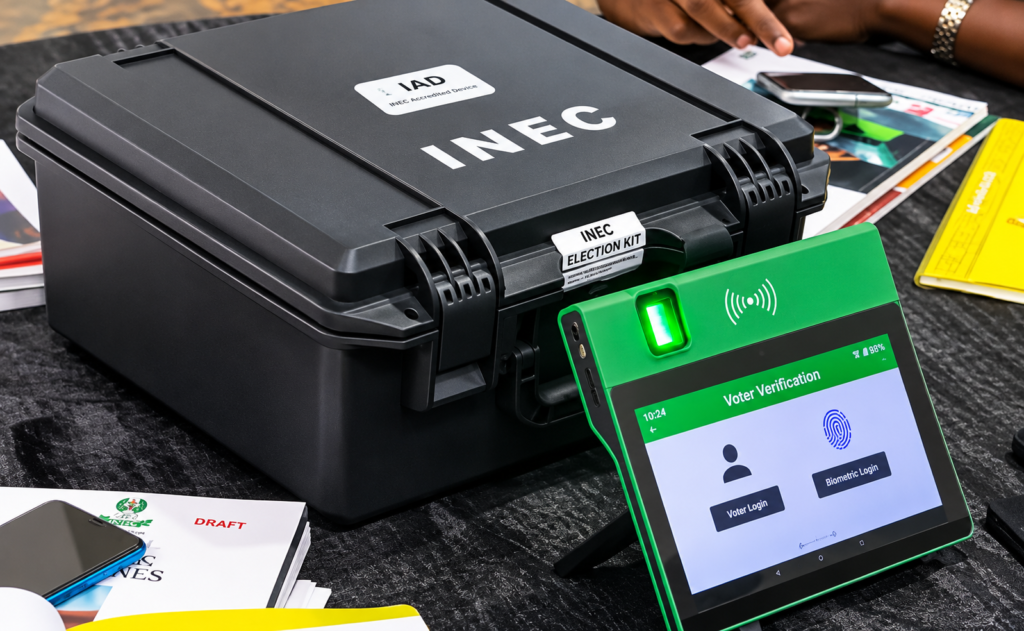
INEC Schedules November 28 BVAS and IReV Test Ahead of 2027 Elections
The Independent National Electoral Commission has scheduled a nationwide mock accreditation and voting exercise for 28 November 2026 as preparations continue ahead of Nigeria’s 2027 general election.
The planned exercise will test important parts of the electoral process, particularly voter accreditation through the Bimodal Voter Accreditation System, known as BVAS, and electronic result transmission through the INEC Result Viewing portal, or IReV.
According to reports reviewed for this edition, INEC Chairman Joash Amupitan said the commission had introduced safeguards intended to prevent inaccurate polling-unit results and over-voting figures from reaching the IReV portal.
He also reportedly said the maximum number of registered voters assigned to one BVAS device had been reduced from 1,250 to 850.
These are significant details about the commission’s stated preparations. However, an announced technical adjustment is not the same as a system that has been tested successfully under actual election conditions.
The 28 November exercise is still scheduled to take place. It has not yet been conducted.
Why the mock exercise matters
BVAS is used for voter accreditation, while IReV provides a platform for viewing polling-unit results electronically. The reliability of these processes is important to public confidence in the administration of elections.
A mock exercise can help expose technical weaknesses before election day. It can also provide an opportunity to assess whether the equipment, procedures and supporting arrangements operate as intended.
But the exercise cannot, on its own, guarantee a credible general election. Its value will depend on the scope of the test, the transparency of the process, the weaknesses identified and the corrective measures that follow.
INEC will therefore need to explain what the exercise is designed to test and how Nigerians can assess its results.
For voters, political parties, candidates and election officials, the central concern is whether the systems can perform reliably when they are required to handle the demands of an actual election.
The November 28 exercise is the next important milestone. Its outcome should provide evidence of technical performance rather than merely another announcement of electoral preparedness.
STORY 3: POLITICAL VIOLENCE AND DEMOCRATIC PARTICIPATION
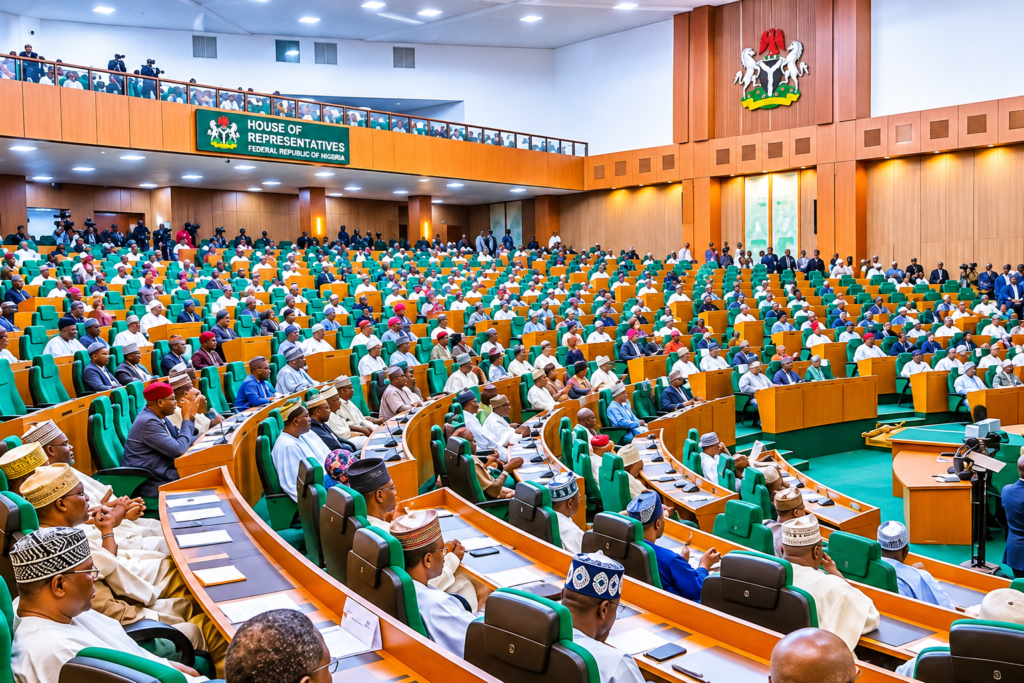
House of Representatives Moves to Investigate Political Violence Ahead of 2027
The motion was reportedly sponsored by Minority Leader Fred Agbedi and 16 other lawmakers. Its adoption places concerns about attacks and disruptions involving political activities before the legislature for investigation and oversight.
Reports cited in coverage of the motion include incidents involving political activities in different locations. These include a reported disruption of a political gathering in Lagos, an attack reported in Asaba and allegations concerning a political convoy in Calabar.
However, the incidents must be examined individually. The adoption of a motion does not establish who was responsible for any particular attack. Nor does it prove that the incidents were organised by one political group or party.
The House is exercising an oversight role. The next stage should establish the scope of the inquiry, identify the incidents under examination and determine what evidence and institutional responses are required.
The importance of an evidence-based inquiry
Political violence can discourage participation, intimidate supporters and undermine confidence in democratic competition. People should be able to attend lawful political gatherings, support candidates and participate in political activities without fear of attack.
The House’s action therefore raises important questions about the quality and transparency of the investigation.
Which incidents will be examined? What evidence will be collected? Which authorities and affected parties will be invited to provide information? When will the findings be made public?
The answers will help determine whether the inquiry becomes a meaningful accountability exercise or remains an announcement without a clear public outcome.
The reported attack at a Peter Obi/Nigeria Democratic Congress town hall meeting in Oregun, Lagos, is one specific incident relevant to the wider discussion. It is also the subject of a separate reported police investigation.
The legislative inquiry and the police investigation are different processes. The House must examine the broader issue within its oversight responsibilities, while the police must establish the facts surrounding specific reported incidents.
The significance of the inquiry will ultimately depend on credible findings, appropriate institutional responses and accountability based on evidence.
STORY 4: THE OREGUN TOWN HALL ATTACK AND PUBLIC SAFETY
Reported Attack at Peter Obi/NDC Town Hall in Oregun Under Police Investigation
A town hall meeting organised for Peter Obi in Oregun, Lagos, was reportedly disrupted by an attack on supporters of the Nigeria Democratic Congress.
The incident was reported at Classique Event Place, along Kudirat Abiola Way, Oregun. Reports reviewed for this edition said the Lagos State Police Command was investigating the matter.
The incident is significant because it concerns a specific reported disruption of a political gathering, rather than a general allegation about political tension.
However, several important details remain unresolved. The available information does not establish who organised or carried out the attack, the precise sequence of events, the motive or the confirmed number of people injured.
The existence of a police investigation should not be confused with an established finding of responsibility. Until evidence is available, no political party or individual should be blamed as a matter of fact.
A separate investigation with wider democratic implications
The Oregun incident is relevant to wider reporting about political violence ahead of the 2027 general election. It also forms part of the broader public-interest discussion surrounding the House of Representatives’ decision to investigate political violence.
However, the police investigation into the Oregun incident and the legislative inquiry remain separate processes. Their responsibilities and findings should not be treated as interchangeable.
The police must establish what happened and provide a credible account of their findings. Event organisers and affected parties should also have an opportunity to provide relevant information.
The broader issue is the safety of democratic participation. Political gatherings are part of the process through which citizens engage with candidates, parties and public affairs. People must be able to attend such events and express political preferences without intimidation or violence.
The next important development will be a verified update from the police, including any established facts about the incident and the progress of the investigation.
Until then, responsible reporting requires a clear distinction between what has been reported and what remains unknown.

STORY 5: INEC LEADERSHIP AND PUBLIC CONFIDENCE
INEC Chairman Joash Amupitan Denies Operating Alleged Pro-Tinubu X Account
INEC Chairman Joash Amupitan has denied operating an X account allegedly used to express support for President Bola Tinubu and the All Progressives Congress during the 2023 election period.
According to reports reviewed for this edition, Amupitan said the matter had been reported to the Department of State Services and the Inspector-General of Police. He also reportedly said an independent report had been obtained.
The issue concerns the public credibility of the person leading the institution responsible for administering Nigeria’s elections.
It is important, however, to distinguish between the allegation, the chairman’s response and any independent findings.
Amupitan’s denial represents his stated position. It does not, by itself, establish who operated the disputed account. Equally, the allegation does not prove that he was responsible.
The independent report and any findings from the security agencies were not included in the material available for this review.
Why institutional credibility matters
An electoral commission’s leadership must be able to command public confidence in its impartiality. Where questions arise about the conduct or political neutrality of its leadership, clear explanations and verifiable evidence become particularly important.
This is not simply a question about an individual public official. It also concerns confidence in the institution responsible for managing elections.
The commission’s ability to administer an electoral process depends not only on technology and procedures but also on public trust in its independence and fairness.
The reported referral to security agencies and the chairman’s reference to an independent report are relevant developments. However, the available material does not establish the outcome of those processes.
Until the independent report and any relevant agency findings are available, the matter remains unresolved.
The appropriate next step is for the relevant findings to be made available through credible and accountable channels, subject to any legitimate investigative requirements. Public confidence is better served by evidence than by competing political claims.
STORY 6: LOCAL-GOVERNMENT FINANCES AND PUBLIC ACCOUNTABILITY
ICPC Reports Recovery of Over ₦5.3 Billion from Local-Government Accounts
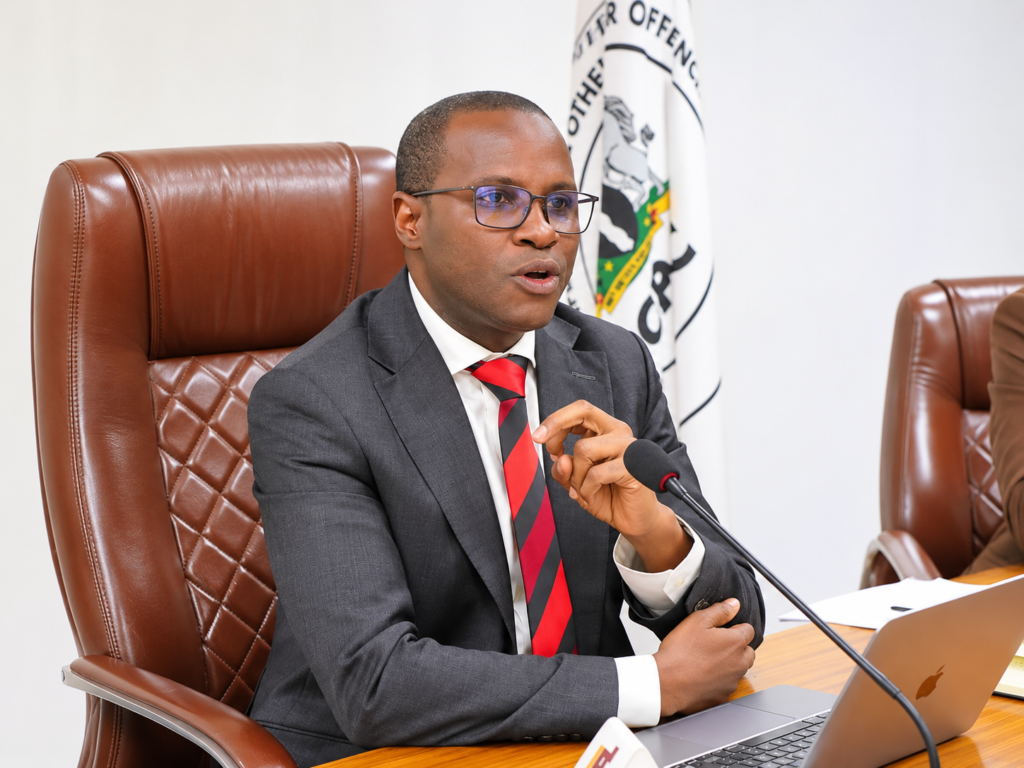
The Independent Corrupt Practices and Other Related Offences Commission says it has recovered more than ₦5.3 billion from local-government accounts following reviews involving seven states and the Federal Capital Territory.
The reported recovery places local-government financial management under renewed public scrutiny and raises questions about how public resources are monitored and accounted for.
The ICPC has also partnered with the National Information Technology Development Agency, NITDA, on an initiative intended to make local-government financial information available online.
According to the reports reviewed for this edition, the pilot began in Nasarawa State, with a longer-term plan to extend the initiative across Nigeria’s 774 local-government areas.
These are two separate developments: the commission’s reported recovery and the digital financial-disclosure initiative.
The recovery figure is an official claim by the ICPC. However, the material available for this review does not include a council-by-council breakdown, the periods covered, supporting audit records or a detailed explanation of how the funds were traced and recovered.
Why the supporting records matter
A figure of more than ₦5.3 billion is significant, but Nigerians need supporting information to understand what it represents.
Which local governments were involved? What periods did the reviews cover? Where did the money come from? How was it traced and recovered?
Without those details, the public cannot independently assess the scope and significance of the reported recovery.
The online disclosure initiative also has potential public-interest value. Local-government funds are intended to support services and development within communities. Residents therefore have a legitimate interest in knowing how allocations are received, how expenditure is authorised and whether public resources are delivering results.
But the Nasarawa pilot should not be confused with a completed nationwide rollout. A website does not automatically guarantee that financial records are accurate, complete or regularly updated.
The ICPC should publish the details supporting its recovery figure, while the digital programme should demonstrate that residents can access useful and reliable financial information about their councils.
The real measure of progress will be the availability of verifiable records and improved public access to information, not the announcement of a recovery figure or the launch of a pilot alone.
STORY 7: THE EMEFIELE TRIAL AND DUE PROCESS
EFCC Investigator Gives Evidence in Ongoing Godwin Emefiele Trial
An investigator with the Economic and Financial Crimes Commission has continued giving evidence in proceedings involving former Central Bank Governor Godwin Emefiele.
The investigator, Alvan Gurumnaan, was reported as the seventh prosecution witness. He told the court that properties were allegedly acquired through associates acting as proxies.
The investigator also reportedly referred to more than US$2 million recovered from the office of lawyer Ifeanyi Omeke.
These are allegations presented by a prosecution witness. They are not established findings of guilt.
Reports also indicate that the defendants challenged aspects of the evidence. The judge allowed the witness’s testimony to continue but deferred a separate objection concerning a document said not to have been sufficiently disclosed.
The distinction between testimony and a judicial finding
The procedural development is important because it illustrates the difference between evidence being presented in court and a court reaching a conclusion about the allegations.
Allowing a witness to continue testifying does not mean that the judge has accepted every statement as true. It is a procedural decision within the ongoing proceedings.
The prosecution must present its evidence. The defence must have the opportunity to challenge that evidence, and the court must assess the case according to the law.
The proceedings concern allegations involving a former senior public official and are therefore of considerable public interest. But public interest in accountability must go hand in hand with due process.
News reports must distinguish between allegations, testimony, objections and judicial findings. The defendants’ challenge to aspects of the evidence is part of the process through which the claims are tested.
The case remains ongoing. The available information does not establish a final judicial determination of the allegations.
The next developments will depend on the evidence presented, the responses of the defendants and the court’s decisions as the proceedings continue.

STORY 8: FEDERAL LAWS AND LEGAL CONSOLIDATION
Federal Government Reviews 932 Enactments in Federal Laws Consolidation Exercise
The Federal Government has presented the reported results of a review of federal enactments and subsidiary legislation as part of work towards the proposed 2025 Laws of the Federation.
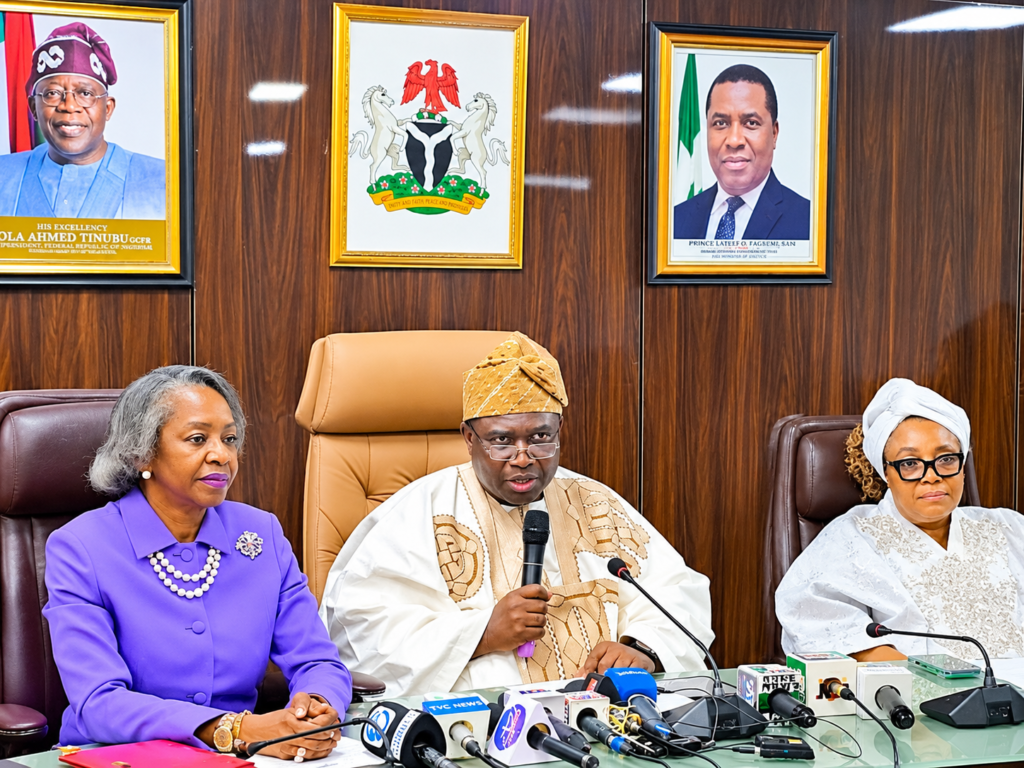
The review reportedly covered 932 federal enactments and 731 subsidiary legislations. Attorney-General and Minister of Justice Lateef Fagbemi presented the findings.
However, reports reviewed for this edition contain a numerical discrepancy concerning the proposed exclusions.
PUNCH reported that 268 enactments were identified for exclusion and 664 for inclusion. Channels Television reported a different breakdown: 269 for exclusion and 663 for inclusion.
The original Attorney-General’s report was not available in the material reviewed. It is therefore not possible to responsibly select one of the two figures as correct.
Why accurate legal records matter
The review is relevant to the administration and accessibility of federal laws. Citizens, businesses, lawyers, courts and government institutions need access to accurate and current legal texts.
Where legal records are outdated, unclear or difficult to access, confusion can arise over rights, responsibilities and the rules governing public and private activity.
There is also an important distinction between reviewing laws for consolidation and legally repealing them.
A review that identifies enactments as obsolete, spent or already repealed does not automatically mean that the review itself has newly repealed those laws. The legal status of individual enactments must be established through the relevant records and legal instruments.
The Federal Ministry of Justice should publish the underlying report and clarify the conflicting exclusion figures.
Until the original document is examined, the correct total remains unresolved. The exercise should ultimately provide a clearer and more reliable body of legal information, but its legal effect must be assessed through the appropriate official records.
STORY 9: NATIONAL SINGLE WINDOW AND NIGERIA’S TRADE POLICY
National Single Window Export Phase Targets December 14, 2026
The Federal Government is targeting 14 December 2026 for the second phase of the National Single Window project, with the initial focus expected to be the digital processing of export permits issued by relevant government agencies.
Project Director Tola Fakolade announced the target date, according to the reports reviewed for this edition.
A further batch involving processes handled by the Central Bank of Nigeria is expected in the first quarter of 2027.
The National Single Window is intended to coordinate trade-related processes through a digital platform. The objective is to make it easier for businesses and exporters to deal with the different government agencies involved in trade procedures.
For exporters, delays, duplicated processes and administrative uncertainty can affect the cost and timing of doing business. A properly integrated digital system could help reduce those difficulties.
The difference between a target and a result
The December 14 date is a target, not confirmation that the second phase has launched.
Similarly, the existence of a digital platform does not, by itself, demonstrate that export procedures have become faster or less expensive.
The real test will be whether the relevant agencies are connected, whether exporters can complete the required processes successfully and whether measurable improvements can be demonstrated.
The reports also refer to claims that the earlier phase reduced revenue leakages. However, supporting performance data were not included in the material reviewed for this edition.
Businesses and the public will therefore need evidence of actual usage, processing times, system reliability and the practical benefits delivered.
The next milestone is the announced December 14 target. What follows should be an assessment of implementation and performance, rather than an assumption that the intended benefits have already been achieved.

STORY 10: FARMERMONI AND AGRICULTURAL FINANCING IN LAGOS
Lagos Begins FarmerMoni Enumeration for Eligible Small-Scale Farmers
Lagos State has begun enumerating farmers under the FarmerMoni programme, which is described as offering interest-free and collateral-free loans to eligible small-scale farmers.
The programme is associated with the National Social Investment Programme Agency and the Lagos State Ministry of Wealth Creation and Employment.
However, the development reported at this stage is the beginning of enumeration. It means farmers are being registered or identified as potential beneficiaries. It does not mean that loans have already been approved or disbursed.
The information available for this review does not establish the number of farmers being registered, the full eligibility requirements, the loan limits, repayment arrangements or when successful applicants will receive funds.
What farmers need to know
Access to finance can help small-scale farmers meet production costs, including expenses associated with seeds, fertiliser, equipment and other agricultural needs.
But the value of a credit programme depends on more than the announcement of its terms. Eligible farmers must be able to access the programme, understand the selection process and receive funds at a useful time in the farming cycle.
The administrators should make the eligibility requirements, loan limits, repayment arrangements and disbursement timetable clear.
Transparency is particularly important when a programme is intended to support a defined group of beneficiaries. Farmers need to understand how registration works, what documentation is required and what happens after enumeration.
For now, the confirmed development in the material reviewed is the reported start of enumeration, not the delivery of loans.
The next stage should provide clearer information about the number of eligible applicants, the selection process and the timetable for any approved disbursements.

STORY 11: PROPOSED NATIONAL RESEARCH AND INNOVATION FUND
House Considers Proposed National Research and Innovation Development Fund
The proposals have reached a public-hearing stage before the House Committee on Science and Technology.
A further report said the Minister of Innovation, Science and Technology and the ministry’s permanent secretary did not attend the hearing. The committee reportedly threatened to report the minister to the House.
The official hearing record and the ministry’s response were not available in the material reviewed for this edition.
The proposed fund addresses an important national question: how Nigeria can finance research, encourage innovation and support the development of practical solutions to national problems.
Universities, researchers, technology developers and businesses could benefit from a credible and properly managed funding structure.
A proposal is not an established fund
There is a clear distinction between a proposal being considered by lawmakers and a fund that has actually been established and financed.
The available information does not establish the final funding mechanism, governance arrangements or how resources would be allocated and monitored.
These details will be important in determining whether the proposal can become a useful national instrument.
A research fund requires more than an official name and a legislative framework. Its practical value would depend on how resources are provided, how funding decisions are made and how supported projects are monitored.
The next steps include consideration of the bill, the outcome of the legislative process and any required presidential assent.
For now, the National Research and Innovation Development Fund remains a proposal under legislative consideration. Its eventual impact cannot be assessed until the relevant legal and funding arrangements are established and implementation begins.
STORY 12: SCHOOL CONDITIONS AND PUBLIC EDUCATION IN ADAMAWA
Dougirei Secondary School in Adamawa Reported to Have Deteriorating Facilities
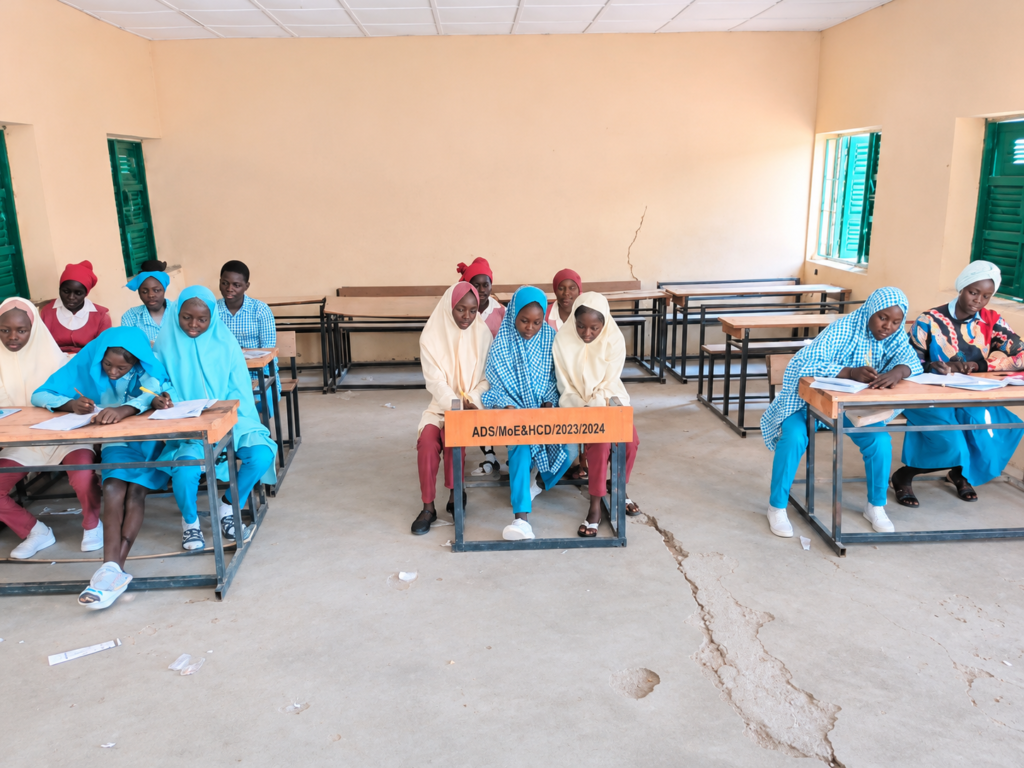
The report describes deteriorating classrooms, inadequate furniture, a lack of water and other facility problems. It also notes that the school is located less than 100 metres behind Adamawa Government House.
That proximity is striking, but it does not, by itself, establish who is responsible for the reported conditions or how long the problems have existed.
The information available for this review does not include the school’s enrolment figures, infrastructure budget, maintenance records or a response from Adamawa State education authorities.
The reported conditions should therefore be attributed to the field report, while the outstanding details require further documentation.
The importance of school facilities
The physical condition of a school matters to students, teachers and parents.
Students need an environment in which they can learn. Teachers need facilities that allow them to carry out their work effectively, while parents need confidence that public institutions are being properly maintained.
The report raises questions for the relevant education authorities. Are they aware of the conditions described? What maintenance and infrastructure funds have been allocated? What improvements are planned, and when?
A response supported by relevant school and budget records would help the public understand the situation and the steps being taken.
The report does not establish that every public school in Adamawa State or Nigeria faces the same conditions. It concerns one specific school and should not be used to make unsupported generalisations about the entire education system.
Nevertheless, the reported conditions place the school’s maintenance and the responsibilities of the relevant authorities under public scrutiny.
The next important step is a documented response from the authorities, including information about the school’s facilities, maintenance requirements and any planned improvements.
STORY 13: TEACHER CERTIFICATION AND PROFESSIONAL STANDARDS
TRCN Reports 250 Fake Teaching Certificates During Recruitment Exercise
The disclosure was attributed to the council’s Registrar, Ronke Soyombo.
The council was also reported to be using QR-coded certificates to support the verification of professional credentials.
The reported figure raises questions about recruitment checks and the enforcement of professional standards in Nigeria’s education system.
However, important details remain unclear. The state involved was not identified in the material reviewed, nor were the recruitment authority and the final outcomes for the applicants whose certificates were flagged.
The report does not establish that all 250 applicants were employed, that they were already teaching in classrooms or that every case resulted in a criminal finding.
Why verification matters
A certificate flagged during verification is a serious issue, but the final administrative or legal outcome must be established before conclusions are drawn about individual applicants.
The distinction matters because a verification concern, an employment decision and a criminal finding are not the same thing.
The use of QR-coded certificates is relevant to the verification process. However, the effectiveness of such a system depends on whether employers and the relevant institutions consistently use it and whether the underlying records can be reliably checked.
The report also refers to targets for teacher licensing and certification by the end of 2026 and December 2027. These are reported targets, not completed achievements.
The council should clarify the state involved, the verification outcomes and what action was taken in the 250 cases.
For parents and students, the central public-interest concern is that people entrusted with teaching should possess valid and properly verified professional credentials.
The next important development should provide greater clarity about the cases and the measures being taken to strengthen credential verification during recruitment.

STORY 14: HEALTHCARE REGULATION AND PATIENT SAFETY IN LAGOS
Lagos Opens HEFAMAA Annex in Ajah and Warns Against Unregistered Clinics
The agency has also warned residents against using unregistered hospitals and clinics. The new annex is intended to strengthen the agency’s monitoring presence in the area.
The report identifies Victoria Egunjobi as the agency’s Executive Secretary.
The development is important because patients and families need confidence that healthcare facilities are properly registered and subject to regulatory oversight.
However, opening an additional office is not, by itself, proof that inspections have increased or that enforcement has improved.
The information available for this review does not provide figures showing how many facilities have been inspected, how many unregistered providers have been identified or what enforcement actions have been taken.
Making healthcare regulation accessible
For residents, one practical question stands out: how can someone check whether a hospital or clinic is properly registered before seeking treatment?
The regulator needs to make that process clear and accessible. Residents should be able to obtain reliable information about registered facilities and understand how to raise complaints about suspected violations.
The agency should also provide information about inspections, complaints and enforcement actions so that residents can assess how it is carrying out its responsibilities.
The new Ajah office may strengthen local regulatory presence, but its real value will be measured by the quality of monitoring and the protection it provides to patients.
For people seeking medical care, accessible information and effective oversight are not merely administrative concerns. They are part of public safety.
The next important evidence will be information about the agency’s monitoring activities, its handling of complaints and the practical results of its regulatory work.

CONCLUSION: FROM ANNOUNCEMENTS TO MEASURABLE RESULTS
The 14 developments examined in this Nigeria news review show the range of responsibilities carried by public institutions, from protecting lives and managing elections to accounting for public funds, supporting economic activity and regulating essential services.
The reported abduction in Ogun State leaves urgent questions about the safety and whereabouts of four people. INEC’s preparations for the 2027 election place attention on technical readiness and institutional confidence, while the House of Representatives’ political-violence inquiry raises questions about the safety of democratic participation.
The ICPC’s reported recovery, the ongoing Emefiele proceedings and the federal laws review demonstrate different aspects of accountability. Meanwhile, the National Single Window, FarmerMoni and the proposed research fund remain at different stages of development and must be assessed according to their actual implementation.
Reports about Dougirei Secondary School, teacher certification and HEFAMAA’s new Ajah office also underline the importance of looking beyond institutional announcements to the conditions and services experienced by citizens.
These developments do not establish one common explanation for Nigeria’s challenges. They do, however, reinforce the importance of evidence, transparency and measurable results.
For Nigerians, the questions remain practical: Are victims safe? Do election systems work reliably? Can public funds be traced? Are legal records accurate? Do government programmes reach their intended beneficiaries? Are schools properly maintained, teachers appropriately certified and healthcare facilities effectively regulated?
The standard for assessing public performance should be what institutions can demonstrate, the records they make available and how they respond when questions are raised.
That is the difference between a promise and performance.
About the Author