Introduction
Nigeria’s public affairs agenda during the 24-hour reporting period ending at 11:24 a.m. WAT on 28 October 2026 featured five developments with implications for public services, government finance, security, electoral administration and institutional accountability.
The Federal Government and organised labour reportedly reached an agreement covering transport support and outstanding allowances. Separately, President Bola Tinubu’s proposed external borrowing package attracted criticism from former Vice-President Atiku Abubakar, who called for greater transparency about the projects and financing arrangements. In Lagos, the state legislature reportedly backed the proposal for state police while seeking clearer constitutional boundaries between federal and state authorities.
The period also featured a reported Federal High Court ruling directing the Independent National Electoral Commission (INEC) to replace a political party’s candidate, alongside the Economic and Financial Crimes Commission’s (EFCC) response to allegations arising from an operation in Lekki.
These stories concern different institutions and processes. They do not establish one common cause, but each raises a practical question about how decisions are made, communicated and implemented.
For readers following Nigeria news today, the distinction between an announcement and an outcome is particularly important. An agreement does not establish that payments have reached workers; a borrowing request is not proof of legislative approval; support for constitutional change does not mean the change has taken effect; and a reported court order does not establish compliance.
This review examines what was reported, why the developments matter and which questions remain open. The reporting window and facts below follow the approved daily script; the underlying documents and subsequent developments have not been independently verified for this article.
Nigeria Government Policy: ₦70,000 Monthly Transport Support for Public Servants
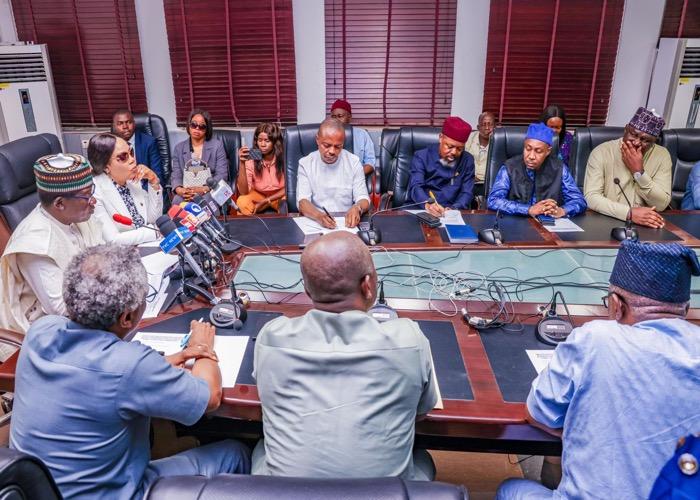
The Federal Government and organised labour have reportedly reached an agreement that includes a monthly transport intervention of ₦70,000 for six months, beginning in November 2026. The agreement, reported by Punch Newspapers on 27 October, also covers outstanding allowances and other commitments involving public-sector workers.
For employees facing commuting expenses, the proposed support could offer temporary financial relief. However, the practical effect will depend on eligibility, payment arrangements and whether the government meets the reported timetable.
Beyond the transport allowance
The reported agreement includes more than the six-month transport intervention. Outstanding peculiar allowances are reportedly to be calculated from 1 May 2026 and paid in three equal monthly instalments beginning in November.
The agreement also reportedly addresses 19 months of arrears owed to health workers, with payments expected over three months beginning in December. Other commitments include an updated costing exercise for the Consolidated Health Salary Structure, known as CONHESS, and verification of hazard allowances for agricultural officers.
The parties reportedly agreed to reconvene after one month to review implementation.
These commitments cover several areas of public-sector remuneration. Their significance will depend not simply on the announcement but on whether the payment schedules, reviews and verification exercises are carried out as described.
The full signed memorandum of understanding, detailed eligibility rules and disbursement instructions have not been independently examined for this review. Consequently, the reported agreement should not be presented as proof that payments have commenced or that all outstanding labour disputes have been settled.
A distinction from the minimum wage
An important point in the Nigeria government policy debate is that the proposed transport intervention is separate from Nigeria’s statutory minimum wage of ₦70,000 per month. The two measures should not be confused simply because the amounts are identical.
The effective date for the minimum-wage implementation issue discussed during the negotiations reportedly remained unresolved. That means the reported transport arrangement should not be interpreted as resolving the separate minimum-wage question.
For workers, the difference between a policy commitment and an actual payment is immediate and practical. The value of the agreement will depend on whether eligible employees receive the support, whether the arrears are paid as scheduled and whether the other commitments progress.
What to watch
The next developments to establish are whether transport payments begin in November, whether the reported arrears instalments follow their timetable, and what emerges from the planned review meeting.
Until the signed agreement and payment arrangements are available for examination, the responsible conclusion is limited: an agreement has been reported, but implementation remains the decisive test.
Nigeria External Borrowing: Atiku Questions Tinubu’s Proposed $20.52 Billion and €1.045 Billion Package
President Bola Tinubu’s proposed external borrowing of $20.52 billion and €1.045 billion drew criticism from former Vice-President Atiku Abubakar during the reporting period. TheCable reported on 27 October that the request had been conveyed to the National Assembly in a presidential letter read by Senate President Godswill Akpabio.
According to the report, the proposed financing is intended to support areas including infrastructure, agriculture, healthcare, education, water, security, employment generation and financial management.
Atiku urged lawmakers to withhold approval until more detailed information was provided about the proposed projects, including their locations, costs, contractors and financing arrangements. He also raised concerns about possible political financing. That claim remains an allegation attributed to Atiku; the supplied script does not establish it as fact.
The questions behind the figures
The proposed amounts are substantial, but the headline figures alone do not explain how the financing would work or what Nigerians could expect from the projects.
A meaningful assessment requires details about the projects to be financed, the terms of the borrowing, the repayment structure and the institutions responsible for implementation. Without those details, citizens cannot adequately judge the expected public value against the financial obligations the country may assume.
The dollar and euro amounts should also remain separate unless a specific exchange rate and valuation date are provided. Combining them into a single total without that information would risk presenting a misleading figure.
The proposal therefore raises questions about transparency, public finance and the scrutiny of government borrowing. These are questions that require documentary evidence, rather than conclusions based only on the size of the figures or the political positions of those debating them.
A request is not an approval
The procedural distinction is central to understanding Nigeria external borrowing. A presidential request, legislative approval and the eventual disbursement of funds are different stages. A request does not prove that the National Assembly has approved the package, and approval alone would not establish that money has been disbursed or that the projects have delivered results.
The formal presidential request, detailed project schedules, financing terms, repayment structure and current legislative status have not been independently examined for this review.
Atiku’s call for greater disclosure is part of the political debate surrounding the proposal. His allegation about possible political financing should be assessed separately from the factual question of what the borrowing documents contain. Neither the allegation nor a government explanation, without supporting evidence, settles the issue.
What Nigerians need to know next
The key next step is to establish the contents of the formal request and the National Assembly’s position. Project locations, estimated costs, contractors, financing conditions and repayment obligations would help lawmakers and the public assess the proposal.
For Nigerians, scrutiny matters because external borrowing can create obligations extending beyond the period in which a decision is made. The responsible question is not merely whether the country should borrow, but whether the proposed terms, intended uses and accountability arrangements can be properly assessed.
At the close of the reporting window, the supplied script did not establish the package’s final legislative status. It would therefore be premature to describe the proposed borrowing as approved, disbursed or successful.
State Police in Nigeria: Lagos Assembly Seeks Clearer Constitutional Powers
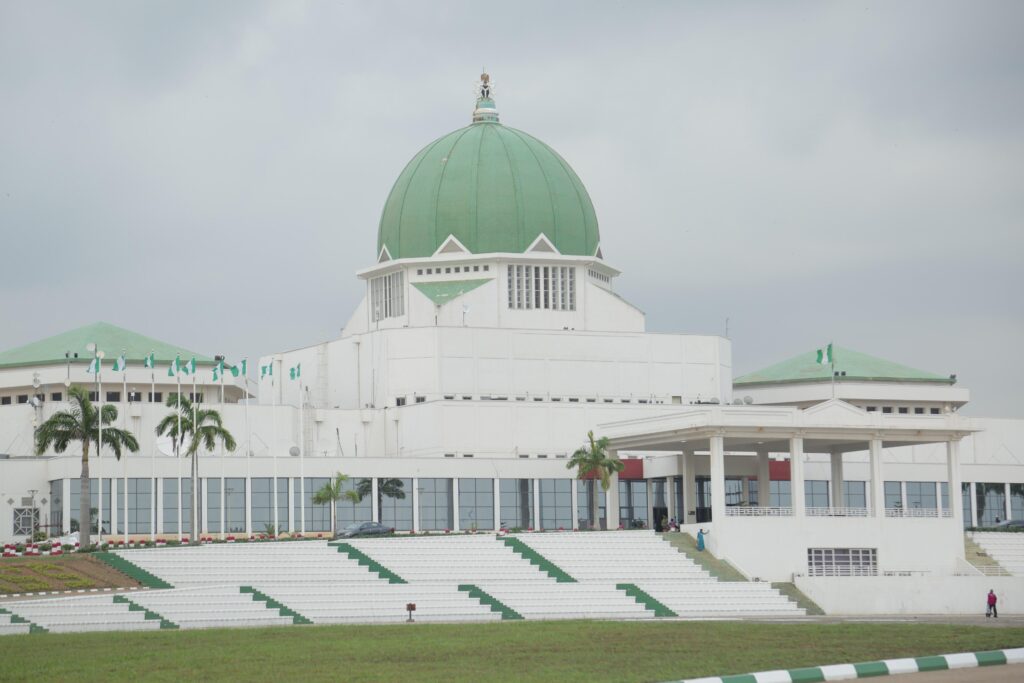
The Lagos State House of Assembly has reportedly backed the proposal to establish state police while calling for clearer constitutional provisions defining the respective powers of state and federal police authorities.
Punch Newspapers reported that Speaker Mudashiru Obasa raised concerns during plenary on 27 October about the division of responsibilities under the proposed Sixth Alteration Bill, 2026. The report also said the Assembly directed its Clerk, Adenike Oshinowo, to communicate its resolution to the National Assembly.
The development places constitutional design and institutional accountability at the centre of the debate over state police in Nigeria.
The question is how the system would operate
The proposal is not simply about whether state governments should have their own police structures. It also raises questions about how such a system would function and how authority would be distributed.
These include who would exercise command, how responsibilities would be divided between state and federal police, what oversight arrangements would apply and what safeguards would protect citizens’ rights.
Supporters of decentralised policing may argue that state-level structures could respond more closely to local security needs. However, whether that arrangement would improve security cannot be established from support for the proposal alone. Its effectiveness would depend on the legal framework, available resources, accountability mechanisms and actual implementation.
The Lagos Assembly’s reported position should therefore be understood as part of a constitutional debate, not as evidence that a new policing structure has already been established.
Constitutional approval remains a separate process
The establishment of state police would require the relevant constitutional and legal processes to be completed. A state assembly’s reported resolution does not, by itself, demonstrate that those processes have concluded.
The proposed constitutional changes, the formal Lagos Assembly resolution and the wider amendment process still require confirmation against official records. The report also referred to support from nearly 25 states, but that figure requires verification through official state-assembly records.
These distinctions matter because public discussion can move ahead of the formal legal process. A proposal may attract support without becoming law, and a constitutional change may still require further steps before a new system can operate.
Security and civil liberties
The debate has implications for both public safety and citizens’ rights. Any policing framework must establish who is responsible for particular actions, how misconduct can be challenged and which institutions are empowered to provide oversight.
These are questions of policy and accountability rather than evidence that a particular system will automatically succeed or fail.
For residents and communities, the practical value of the proposal would ultimately depend on how the legal framework works in practice. Clear powers and responsibilities could help define institutional boundaries, while inadequate safeguards could leave important accountability questions unanswered. The supplied script, however, does not establish the eventual design or outcome of the proposal.
What to watch
The relevant next steps are the formal records of the Lagos Assembly’s resolution, the constitutional amendment process and confirmation of the reported level of support among other states.
Until those records are examined, the defensible conclusion is that Lagos has reportedly backed the proposal while seeking clearer definitions of authority. State police have not been established by the reported resolution alone.

Nigeria News Today: Court Orders INEC to Replace NDC Candidate
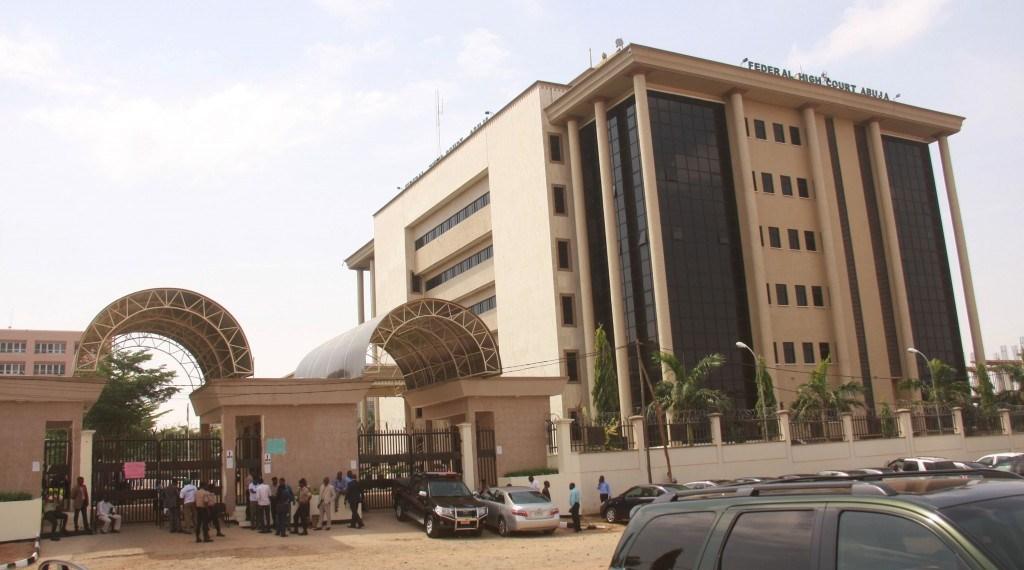
A Federal High Court in Lagos has reportedly ordered the Independent National Electoral Commission (INEC) to replace Ibrahim Lukman with Olumuyiwa Owadara as the Nigeria Democratic Congress candidate for Oshodi/Isolo Federal Constituency One in the 2027 general election.
Punch Newspapers reported the judgment on 28 October, although the ruling was reportedly delivered on 20 October by Justice Akintayo Aluko.
The case concerns the party’s candidate nomination process and the role of the courts in resolving disputes over who was selected to contest an election.
The dispute over the party primary
According to the report, the dispute arose from a party primary reportedly held on 29 May. INEC subsequently published Lukman’s name on 1 August.
The court reportedly found that Owadara had won the primary and that Lukman had not participated in it. It directed INEC to publish Owadara’s name and particulars instead.
The report also said the court considered INEC’s monitoring report and rejected the commission’s explanation that it had published the candidate details uploaded by the party. A costs award of ₦1 million against INEC and Lukman was also reported.
Owadara’s lawyers reportedly wrote to the commission on 23 October seeking compliance.
These details describe the judgment as reported. The certified court record has not been independently examined for this review, so the precise wording and current legal effect of the order should be confirmed against the official documents.
Why the ruling matters
Candidate nomination is an important stage in the electoral process. It determines who is formally presented by a political party to contest a particular seat. Disputes over nomination can therefore affect both party administration and the choices eventually presented to voters.
The case also highlights the relationship between political parties, the electoral commission and the courts. Parties conduct their nomination processes, INEC performs its statutory electoral functions, and courts may be asked to resolve disputes when candidates challenge the process or its outcome.
However, the reported ruling should not be treated as proof that all subsequent administrative steps have been completed. A court order and an electoral commission’s compliance with that order are separate matters.
The current legal position remains to be established
The supplied script does not confirm whether INEC has implemented the order, whether an appeal or stay has been filed, or whether further court directions have been issued.
The certified judgment, the commission’s current candidate list and the latest court records are necessary to determine the operative position. Without those records, it would be premature to declare that Owadara’s name has definitively replaced Lukman’s in the current electoral record.
For voters in Oshodi/Isolo Federal Constituency One, the next important development is confirmation of the candidate status through official electoral and court records.
The case is a reminder that reporting a judicial decision accurately involves more than stating what a court reportedly ordered. It also requires care about the order’s status, any further proceedings and whether the responsible institution has acted on it.
Nigeria Government Policy and Accountability: EFCC Responds to Lekki Estate Raid Allegations
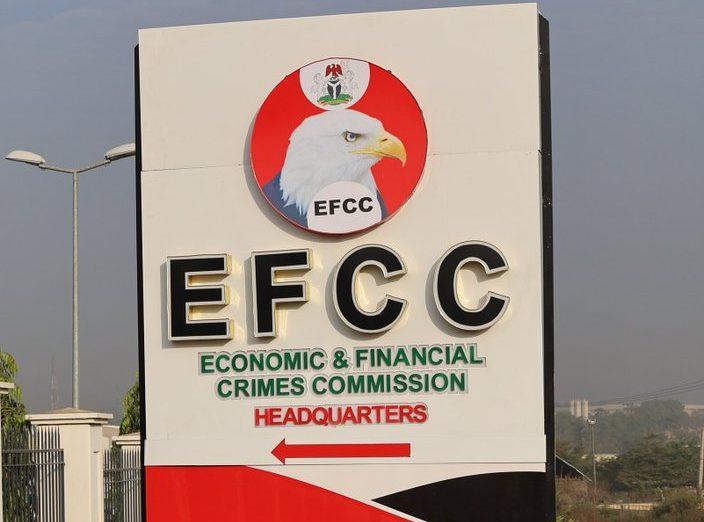
The Economic and Financial Crimes Commission (EFCC) has denied allegations of harassment, intimidation and unlawful arrests following an operation at Applewood Estate, Orchid Road, Lekki, Lagos.
Punch Newspapers reported the agency’s response on 27 October. The operation reportedly took place at about 5 a.m. on 26 October, meaning the operation itself preceded the publication of the response during the reporting period.
According to the EFCC, operatives arrested 21 people suspected of cybercrime-related fraud and recovered five exotic vehicles. The commission reportedly said preliminary investigations implicated 19 people, while two were released.
The agency also addressed an incident involving a woman whose phone was reportedly confiscated temporarily before being returned. The EFCC maintained that the operation was conducted professionally.
What the agency says—and what remains unverified
The figures and details above represent the EFCC’s reported account. They do not independently establish the guilt of the people arrested or conclusively resolve the allegations about how the operation was conducted.
The original complaints, independent accounts from affected residents, arrest records, any charges and relevant court records were not available for independent examination for this review.
That leaves several material questions open. What exactly did the affected individuals allege? What evidence supports or challenges those allegations? What do official records establish about the arrests, any subsequent charges and the conduct of the operation?
These questions should be answered through evidence rather than assumptions based on either the agency’s denial or the allegations made against it.
Enforcement and lawful treatment
Combating cybercrime is a legitimate public interest. So is ensuring that investigations and arrests are conducted lawfully and that the rights of affected people are respected.
Those objectives are not inherently contradictory. Effective enforcement and accountability are both important to public confidence in law-enforcement institutions.
At the same time, the supplied reporting does not establish that the people arrested were convicted of offences. Suspicion, arrest, investigation, charge and conviction are distinct stages and should not be treated as interchangeable.
Similarly, an official denial is a statement of the agency’s position, not independent proof that every allegation is unfounded. Allegations also require evidence before they can be treated as established findings.
What evidence should clarify the case?
A clearer assessment would require the full EFCC statement, the original complaints from affected residents, independent accounts where available, arrest records and any relevant court proceedings.
Those records could help establish what occurred, what allegations were made and whether any formal legal action followed. Until then, the responsible position is to report the commission’s account accurately while acknowledging that the allegations have not been conclusively resolved by the information examined for this review.
The case illustrates a broader principle of public accountability: law-enforcement claims and complaints about official conduct should both be assessed against evidence, while the legal status of suspects must be respected.
Conclusion: Nigeria News Today and the Difference Between Decisions and Results
The five developments reviewed here concern different areas of Nigerian public life, but each highlights the importance of distinguishing what has been announced, proposed or ordered from what has actually been implemented.
For public servants, the reported transport-support agreement will be judged by whether payments arrive and outstanding commitments are met. For the proposed external borrowing, meaningful scrutiny depends on disclosure of the projects, financing terms and repayment obligations. The state-police debate requires clarity about constitutional authority, oversight and citizens’ rights.
The reported INEC ruling raises a separate question: whether the electoral commission has complied with the court’s order and whether any further proceedings affect the candidate’s status. Meanwhile, the EFCC’s account of the Lekki operation and the allegations surrounding it require careful assessment against independent evidence and relevant records.
These stories do not establish one common failure or a shared cause. They do, however, demonstrate why Nigeria news today must go beyond announcements and political statements to examine institutional responsibilities, documentary evidence and practical outcomes.
The next developments to watch are therefore specific: implementation of the labour commitments, the National Assembly’s handling of the borrowing proposal, official records of the constitutional amendment process, the current legal and electoral position in the NDC dispute, and further evidence concerning the EFCC operation.
For Nigerians, informed scrutiny begins by asking what is known, what remains uncertain and what evidence would resolve the outstanding questions. That is the purpose of Nigeria: Power, Policy & People—to explain the decisions shaping the country without claiming more than the evidence supports.
RECOMMENDED ARTICLES
1. Global News Analysis: Elections, AI and Investment
Explore major global developments, from Brazil’s presidential election and political change in Serbia to an AI copyright lawsuit and Audi’s planned US investment. This analysis examines what the available evidence establishes—and what remains uncertain.
Category: Global News Analysis
2. Africa News Review: Ebola Preparedness, Regional Security and Political Accountability
Read about Uganda’s Ebola-related precautions, Algeria’s approved military deployment to Niger, Somalia’s political dialogue and a deadly road crash in Kenya. The report examines public safety, regional cooperation and the need to verify official actions.
Category: Africa News Review
3. Nigeria Daily News Review: State Police, Inflation, Ebola and 2027 Politics
Catch up on Nigeria’s latest developments in security reform, economic policy, public health, cybercrime enforcement and preparations for the 2027 elections. Discover what has been reported, what remains unresolved and what Nigerians should watch next.
Category: Nigeria News Review
4. Global News Review: October 19–25, 2026
Review the major international developments from the week and understand the political, economic and technological issues shaping the global agenda. This weekly roundup offers a broader perspective on the events and decisions making headlines around the world.
Category: Global Weekly Review
5. Africa News Review: Ebola Concerns, Conflict, Power Challenges and Political Decisions
From public-health concerns and conflict-related civilian risks to infrastructure ambitions and political decisions, this Africa review explores the developments influencing the continent. It separates reported claims from established facts and examines what needs to happen next.
Category: Africa Weekly Review
6. Nigeria’s Week in Review: Election Politics, Economic Pressure, Security Reform and Floods
Get a wider view of Nigeria’s week, including President Bola Tinubu’s campaign launch, labour tensions, economic uncertainty, proposed state-police reform, public-health concerns and flooding. The review explains the issues behind the headlines and the evidence needed to assess government responses.
Category: Nigeria Weekly Review
About the Author