Introduction
Africa’s public-health response, essential infrastructure, currency markets and food-production outlook featured prominently in the continent’s latest developments covered during the 26–27 October 2026 reporting period.
In this Africa news review, the Africa Centres for Disease Control and Prevention (Africa CDC) announced an investigation into the origin of a Bundibugyo Ebola infection in Nigeria, including whether it may be epidemiologically connected to cases reported in Kenya. In Sudan, five electricity facilities across four states were reportedly damaged in drone strikes, although responsibility for the attacks was not independently verified in the supplied reporting.
Economic developments also attracted attention. Egypt’s pound reportedly weakened to around 56 Egyptian pounds to the United States dollar, while the United Nations Conference on Trade and Development (UNCTAD) and African officials warned that higher fuel and fertiliser costs could threaten food production and future harvests.
In South Africa, Moody’s described the government’s budget outlook as credit-positive, but the country’s sovereign credit rating and positive outlook remained unchanged.
These stories concern different countries and challenges. Together, they highlight the importance of reliable evidence, effective institutional responses and measurable outcomes. This report examines what was reported, why the developments matter and what remains unresolved.
Reporting period: 26 October 2026, 6:00 a.m. to 27 October 2026, 6:30 a.m. West Africa Time.
Nigeria Ebola Investigation: Africa CDC Seeks the Source of Infection
The Africa CDC announced an investigation on 26 October into the origin of a Bundibugyo Ebola infection reported in Nigeria. The investigation is intended to establish how the patient contracted the virus and determine whether there is an epidemiological connection with cases reported in Kenya.
The timeline outlined in the reporting places the beginning of symptoms on 7 October, medical care in Abuja on 11 October and laboratory confirmation on 20 October.
Ebola expert Jean-Jacques Muyembe was identified as the intended lead investigator. Africa CDC Director-General Jean Kaseya was also identified among the key figures associated with the response.
Possible connection with Kenya remains unconfirmed
Attention has focused on a possible relationship between the Nigerian infection and cases reported in Kenya. The supplied reporting referred to possible genomic similarities and a reported travel route involving transit through Entebbe, Uganda.
However, a possible genomic connection does not automatically establish a direct transmission route. Investigators must consider laboratory evidence alongside the patient’s travel history, possible exposures and other epidemiological findings before reaching a conclusion.
An update published by the European Centre for Disease Prevention and Control (ECDC) on 26 October reported 53 contacts under follow-up in Nigeria and nine cases in Kenya, including two deaths. The supplied reporting also stated that the Nigerian patient had been medically evacuated to Switzerland.
Nigeria’s response was also outlined in an official update from the Nigeria Centre for Disease Control and Prevention (NCDC), published on 25 October.
These figures are time-sensitive and should be checked against the latest official updates before publication. Contact-tracing totals and reported case numbers may change as investigations progress.
Why the investigation matters
Identifying the source of an infection can help health authorities understand possible exposure routes, assess whether further transmission may have occurred and determine appropriate public-health measures.
Cross-border information-sharing is particularly important when investigators are assessing a possible connection between cases in different countries. Cooperation between national health authorities and regional institutions can help clarify the evidence and coordinate responses.
Nevertheless, the information available in the supplied reporting does not establish that a specific weakness in Nigeria’s disease-surveillance system caused the infection. Nor does it confirm a transmission link between Nigeria and Kenya.
The key outstanding questions are how the patient became infected, whether other exposures have been identified and whether investigators can establish a confirmed epidemiological connection with cases elsewhere.
The findings of the Africa CDC investigation and subsequent official updates remain important developments to follow.

Sudan Drone Strikes: Five Electricity Facilities Reportedly Damaged
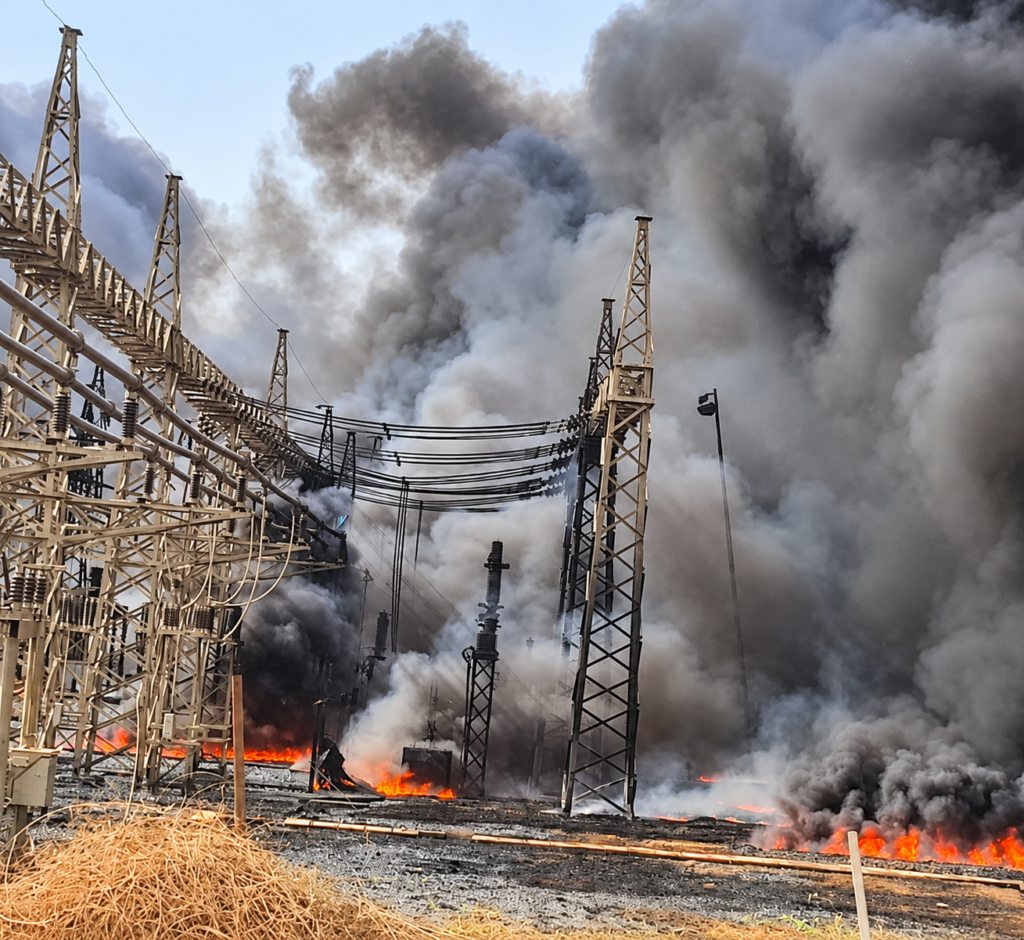
Sudan Electricity Holding Company reported that five electricity facilities across four states—Sennar, Gedaref, White Nile and Gezira—were damaged in drone strikes, disrupting electricity supplies.
The company attributed the attacks to the Rapid Support Forces, commonly known as the RSF. However, Reuters’ report on the Sudan electricity strikes stated that the account provided by Sudan Electricity Holding Company could not be independently verified.
The reported damage and the question of responsibility must therefore be treated separately. The available material does not independently establish who carried out the attacks, their purpose or the full extent of the resulting damage.
Civilian consequences remain unclear
Electricity infrastructure supports households, businesses and essential public services. Depending on the facilities affected and the duration of an outage, disruptions can create difficulties for water systems, healthcare, communications and local economic activity.
For communities already affected by Sudan’s continuing war, interruptions to electricity supplies can add to the challenges of maintaining access to essential services.
However, the supplied reporting did not establish the full civilian impact. It also did not confirm how long the outages lasted or whether electricity had been restored throughout all affected areas.
Repair work was reportedly under way. While this indicated efforts to restore supply, it did not establish that normal service had resumed everywhere.
What remains to be established?
A clearer picture requires independently verified damage assessments, further evidence concerning responsibility and reliable updates on electricity restoration.
The number of facilities reportedly affected is an important starting point, but it does not by itself reveal how many people lost electricity, how long the disruption lasted or whether critical services experienced significant interruptions.
The incident highlights the vulnerability of essential infrastructure during armed conflict. Its full significance will depend on verified findings about the damage, the communities affected and the progress of restoration efforts.
Egyptian Pound Record Low: Currency Pressure Raises Economic Questions
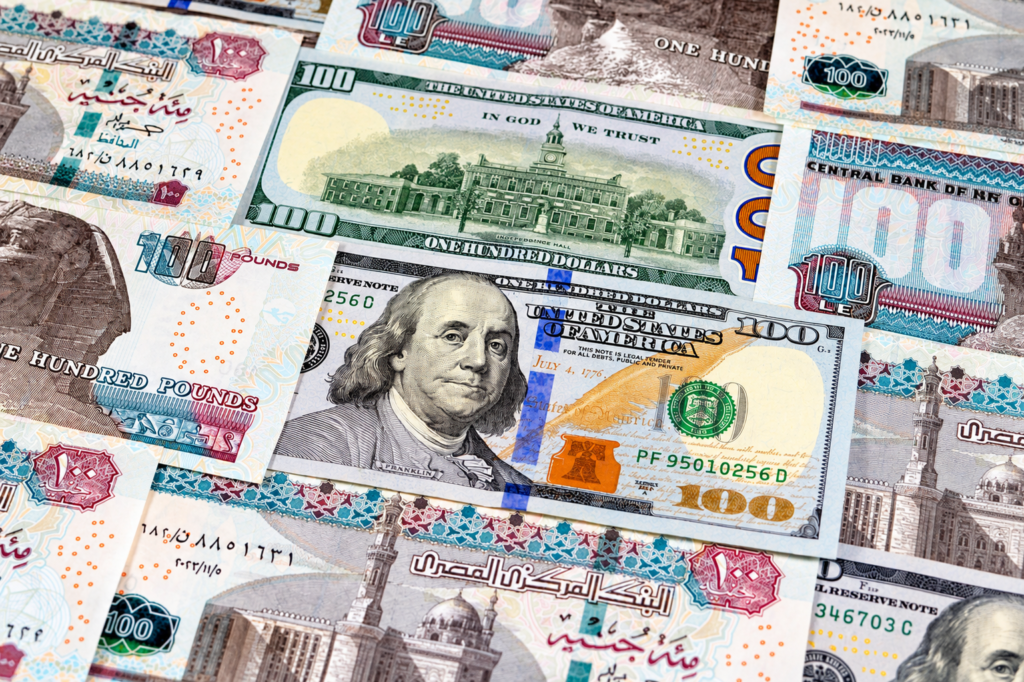
Egypt’s currency reportedly weakened to around 56 Egyptian pounds to the United States dollar on 26 October, reaching a record low, according to LSEG data cited by Reuters.
The movement highlighted pressure on the Egyptian pound during the reporting period. However, the exchange-rate figure alone does not establish why the currency weakened or whether the decline will continue.
The supplied reporting also stated that Egypt’s EGX30 stock-market index fell by approximately two per cent during early trading before recovering part of its losses.
These movements reflected uncertainty in financial markets, but they do not establish that one particular political or security development was solely responsible.
What a weaker currency can mean for households
Exchange rates can respond to several factors, including demand for foreign currency, external financing conditions, trade and investment flows, monetary policy and expectations about economic performance.
Further evidence is needed to determine which factors were most influential in Egypt’s latest currency movement. The market development was covered in Reuters’ report on the Egyptian pound’s record low.
For households and businesses, a weaker currency can make imported goods more expensive in local-currency terms, all else being equal. The eventual effect on consumer prices depends on the products being imported, business pricing decisions and how quickly exchange-rate changes pass through the economy.
That means a record-low exchange rate does not, by itself, measure the full effect on household purchasing power.
What to watch next
Subsequent exchange-rate data, official inflation figures, foreign-exchange availability and changes in import costs will help clarify whether the pressure is becoming more persistent and how it is affecting the wider economy.
The reporting period captured a significant market movement. It did not establish the longer-term direction of the pound or the full effect on living costs.
For a more complete assessment, the currency figure must be considered alongside broader financial and economic indicators.
Fuel and Fertiliser Costs in Africa: Food-Security Risks Under Scrutiny
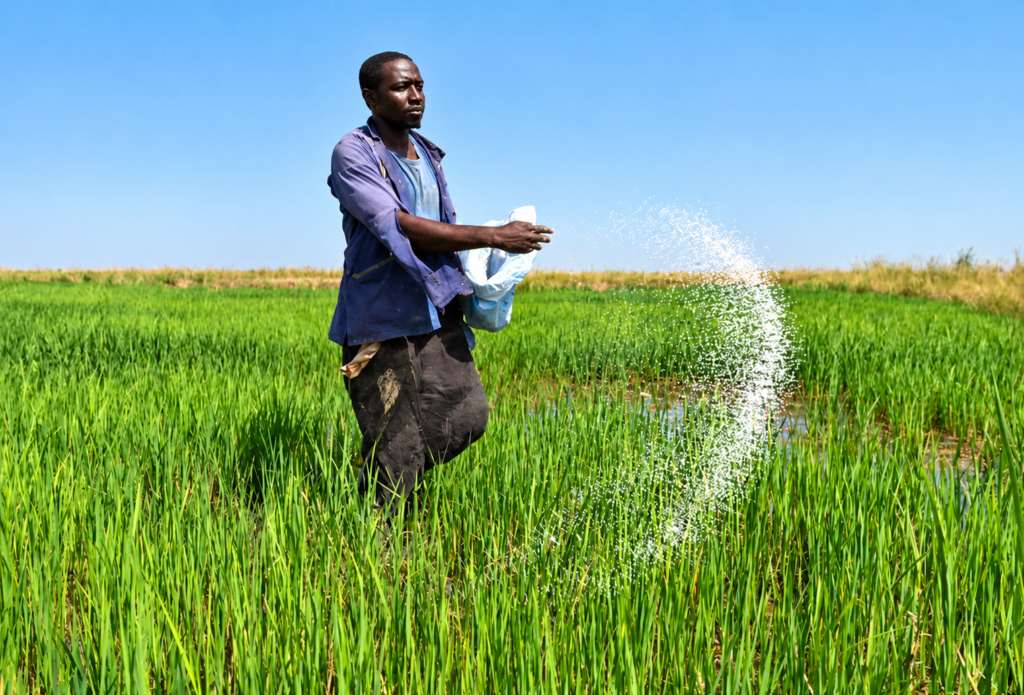
African officials and the United Nations Conference on Trade and Development warned that rising fuel and fertiliser costs linked to conflict in the Middle East and risks around the Strait of Hormuz could threaten food security and future harvests.
The concern is that disruption to international energy markets and supply chains may increase the cost of producing, transporting and distributing food.
Fuel is needed to operate some agricultural machinery and transport crops. Fertiliser can also be important for maintaining crop yields. When these inputs become more expensive or harder to obtain, farmers may need to reduce purchases, change planting decisions or reconsider the financial viability of production.
UNCTAD has previously explained the connection between energy-market disruption, fertiliser supply and food-system risks in its report, “From gas to grain: Fertilizer disruptions raise risks for food security and trade”.
Country-specific pressures need to be verified
The supplied reporting cited Uganda’s agriculture minister as saying fuel prices had more than doubled and the Ugandan shilling had lost ten per cent against the United States dollar.
Zimbabwe’s agriculture minister was also cited as saying that more than seventy per cent of the country’s population depended on agriculture.
These statements require careful attribution. Their comparison periods and underlying data should be verified before publication, and they should not be treated as statistics representing every African country.
The impact of international energy-market disruption also differs between countries. National supply chains, domestic fuel prices, fertiliser availability and agricultural conditions all influence how international pressures reach farmers and consumers.
Warnings about future harvests are not confirmed losses
The Strait of Hormuz is an important route for international energy trade. Increased risks around the route can affect energy markets and expectations, but the effect on any particular African country must be demonstrated through evidence about its supply chains and domestic conditions.
A warning about future harvests is not proof that agricultural production has already declined.
To establish whether the risk is becoming a measurable food-security problem, further information is needed on fuel and fertiliser prices, farmers’ purchases, planting decisions, crop yields and food prices.
For households, the central concern is whether higher agricultural input costs will eventually contribute to reduced production, more expensive food or diminished access to essential supplies. Those outcomes must be assessed using country-specific evidence rather than assumed in advance.
The next developments to watch include updated national price data, agricultural indicators and evidence of how farmers are responding to changing costs.
South Africa Budget Outlook: Moody’s Gives Credit-Positive Assessment
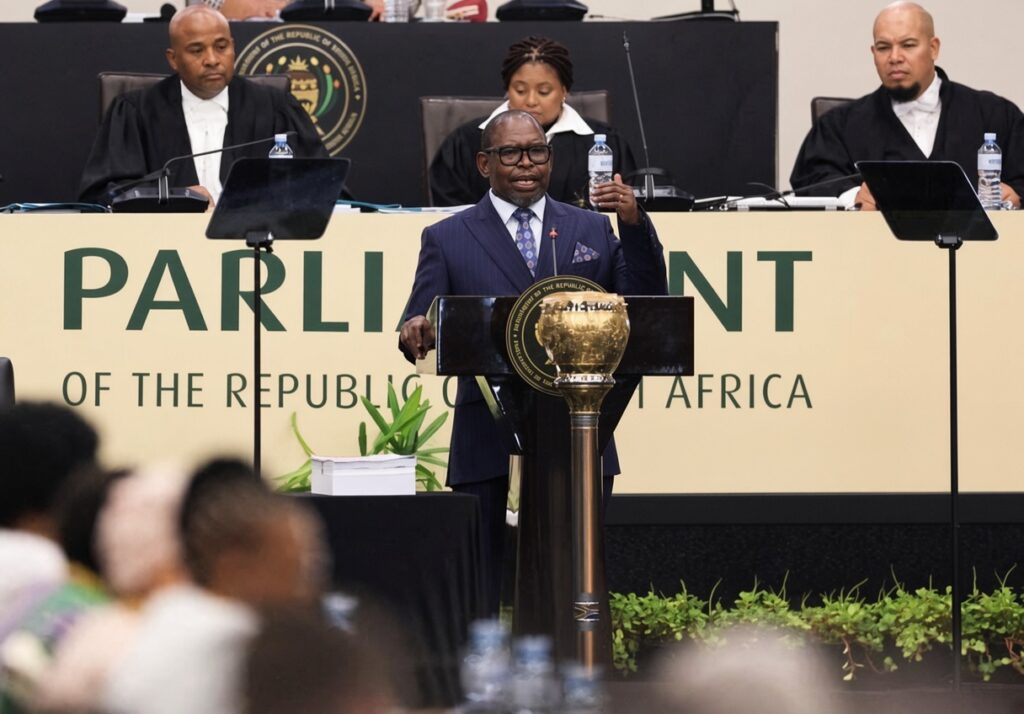
South Africa’s Medium-Term Budget Policy Statement received a favourable assessment from Moody’s, which described the budget outlook as credit-positive, according to reporting from Reuters and South Africa’s National Treasury.
The assessment was a positive signal concerning the direction of fiscal policy. It was not a sovereign credit-rating upgrade.
South Africa’s Ba2 rating and positive outlook remained unchanged in the supplied material.
The assessment was covered in Reuters’ report on Moody’s view of South Africa’s budget update.
Deficit and revenue projections
The reported budget figures included a revised deficit target of 3.9 per cent of gross domestic product, down from four per cent previously. Expected tax revenue was also revised upwards by 17.1 billion rand.
The supplied projections placed public debt at 84.9 per cent of GDP in fiscal year 2028, compared with a reported 86.8 per cent in fiscal year 2025. Interest payments were reported at 18.8 per cent of revenue in fiscal year 2025.
A smaller projected deficit and higher expected tax revenue can indicate a stronger fiscal position than previously anticipated. However, debt levels and the cost of servicing that debt remain important considerations.
When a substantial share of government revenue goes towards interest payments, less money may be available for other public priorities.
Implementation will determine the outcome
A central distinction is the difference between projections and actual results. Tax revenue may differ from expectations, while debt ratios can change because of borrowing, economic growth and financing costs.
Moody’s assessment therefore reflected a judgement about the direction and credibility of fiscal policy. It did not guarantee that every budget target would be achieved or that households and businesses would immediately experience improved economic conditions.
The next test is implementation: whether the government meets its fiscal targets, whether revenue performance supports the projections and how debt and interest costs evolve.
The supplied reporting also identified proposed fiscal-rule legislation as an issue to monitor. Its status and subsequent milestones need confirmation before any claim about implementation is made.
South Africa’s budget outlook illustrates why favourable assessments should be read carefully. They can signal progress, but lasting credibility depends on the relationship between policy plans and actual performance.
Conclusion
The developments covered in this Africa news review show why Africa’s changing political, public-health and economic landscape requires close attention to evidence and institutional responses.
Nigeria’s Ebola investigation must establish the source of infection and determine whether a confirmed epidemiological link with Kenya exists. In Sudan, further verification is needed to establish responsibility for the reported electricity-facility damage and clarify the extent of service disruption.
Egypt’s currency movement needs to be assessed alongside subsequent exchange-rate, inflation and import-cost data. Warnings about fuel and fertiliser costs must be tested against actual agricultural conditions and food prices. In South Africa, the credibility of the budget outlook will depend on how fiscal projections compare with results.
These developments do not establish one uniform crisis across the continent. They concern different national circumstances, and their consequences must be evaluated individually.
What connects them is the need to distinguish announcements from outcomes, allegations from verified findings, and forecasts from measurable results.
Africa in Motion will continue examining the developments, decisions and institutional responses shaping Africa and its future.
RECOMMENDED ARTICLES
1. Global News Analysis: Elections, AI and Investment
Explore major global developments, from Brazil’s presidential election and political change in Serbia to an AI copyright lawsuit and Audi’s planned US investment. This analysis examines what the available evidence establishes—and what remains uncertain.
Category: Global News Analysis
2. Africa News Review: Ebola Preparedness, Regional Security and Political Accountability
Read about Uganda’s Ebola-related precautions, Algeria’s approved military deployment to Niger, Somalia’s political dialogue and a deadly road crash in Kenya. The report examines public safety, regional cooperation and the need to verify official actions.
Category: Africa News Review
3. Nigeria Daily News Review: State Police, Inflation, Ebola and 2027 Politics
Catch up on Nigeria’s latest developments in security reform, economic policy, public health, cybercrime enforcement and preparations for the 2027 elections. Discover what has been reported, what remains unresolved and what Nigerians should watch next.
Category: Nigeria News Review
4. Global News Review: October 19–25, 2026
Review the major international developments from the week and understand the political, economic and technological issues shaping the global agenda. This weekly roundup offers a broader perspective on the events and decisions making headlines around the world.
Category: Global Weekly Review
5. Africa News Review: Ebola Concerns, Conflict, Power Challenges and Political Decisions
From public-health concerns and conflict-related civilian risks to infrastructure ambitions and political decisions, this Africa review explores the developments influencing the continent. It separates reported claims from established facts and examines what needs to happen next.
Category: Africa Weekly Review
6. Nigeria’s Week in Review: Election Politics, Economic Pressure, Security Reform and Floods
Get a wider view of Nigeria’s week, including President Bola Tinubu’s campaign launch, labour tensions, economic uncertainty, proposed state-police reform, public-health concerns and flooding. The review explains the issues behind the headlines and the evidence needed to assess government responses.
Category: Nigeria Weekly Review
About the Author