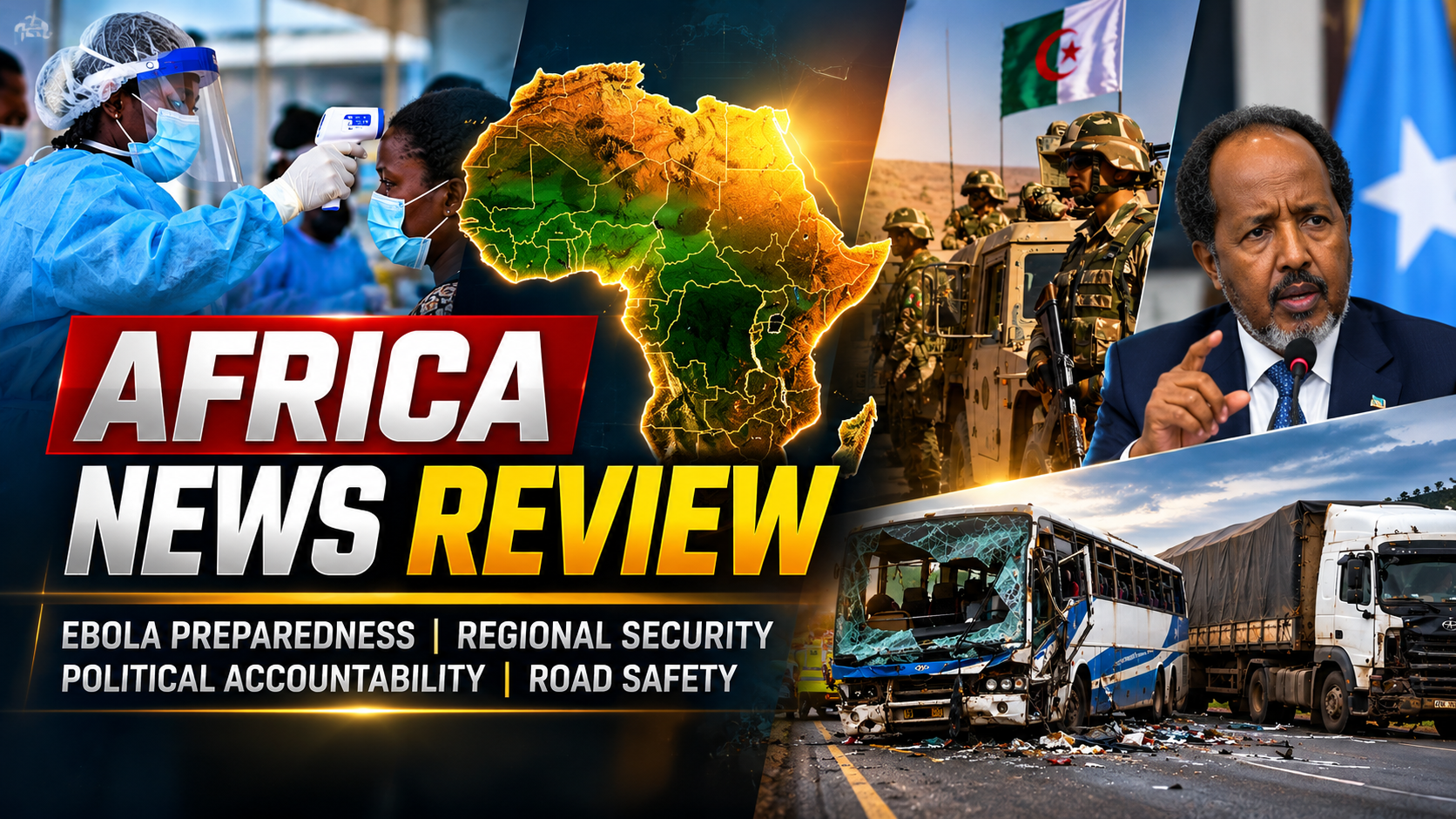
Four major African stories on public health, regional security, political dialogue and road safety.
Africa’s mAfrica News Review: Ebola Preparedness, Regional Security and Political Accountability
Africa’s latest developments highlight four different challenges: public-health preparedness, regional security, political dialogue and road safety. Uganda has introduced Ebola-related measures for returning citizens with relevant travel histories; Algeria has approved a military deployment to Niger to protect its strategic interests; Somalia’s president has called for dialogue amid disputes over elections and constitutional reforms; and a fatal road crash in Kenya has renewed questions about passenger safety.
The developments are distinct, and the available reporting does not establish that they form part of a single coordinated continental trend. Their significance depends on what authorities do next, what independent evidence establishes and whether announced measures produce measurable results.
1. Uganda Ebola Quarantine Measures Raise Questions About Regional Preparedness
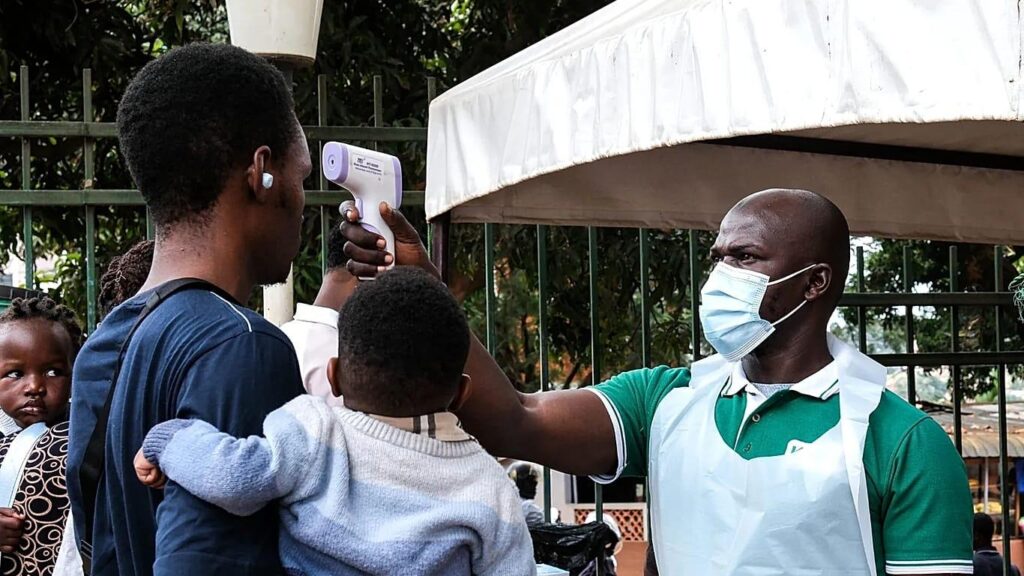
Uganda has introduced a 21-day quarantine requirement for citizens returning from the Democratic Republic of the Congo (DRC) who have relevant travel histories, as authorities strengthen precautions linked to the Ebola situation in the region.
The measures underline the importance of identifying people who may have been exposed, monitoring their health and ensuring that public-health decisions are supported by reliable information.
The regional situation has also drawn attention to Nigeria. An imported case of Ebola Bundibugyo virus disease was confirmed in Nigeria on 20 October 2026 in a patient who had travelled from Uganda. However, the source of the infection remained under investigation in the reporting reviewed for this article.
The World Health Organization has published an update on the Ebola Bundibugyo virus disease situation in Nigeria. Readers can also review DSG Herald News’ earlier coverage of Ebola concerns and political and security developments across Africa.
The reported travel history is important for investigators, but it does not, by itself, establish the precise route of transmission. Nor does it prove a direct connection between Nigeria’s case and reported cases in Kenya. Those questions require epidemiological investigation and confirmation from the relevant health authorities.
What happens next?
The key issues are the progress of contact tracing, the results of investigations into the source of infection, compliance with relevant public-health measures and any updated assessment from health authorities.
Quarantine and border precautions can form part of a public-health response, but their effectiveness must be assessed through implementation and evidence. The existence of a measure alone does not prove that transmission has been prevented.
2. Algeria–Niger Troop Deployment Puts Strategic Interests in Focus
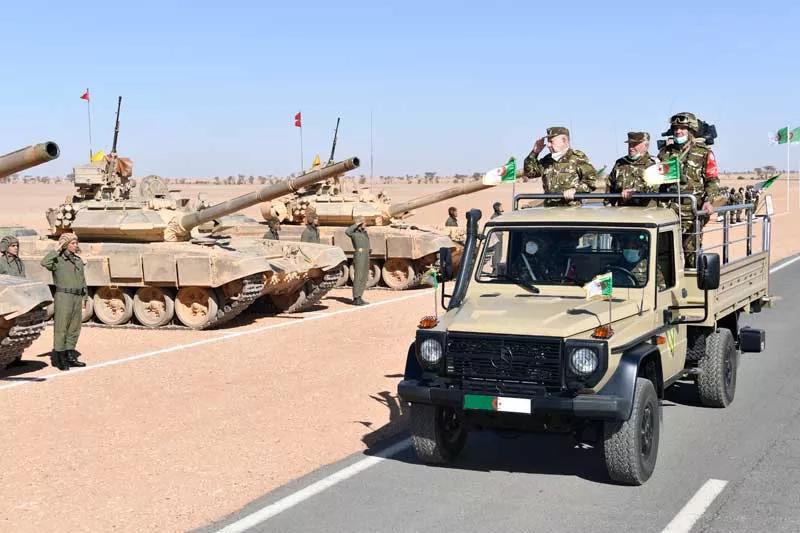
Algeria has approved the deployment of army units to Niger, with the stated objective of protecting its energy and economic interests. The approval was reported on 25 October, with further reporting on the presidential announcement appearing on 26 October.
The development is significant because it concerns Algeria’s security interests beyond its borders. Reporting by the Associated Press described the move as Algeria’s first overseas military deployment since 1973.
Read the Associated Press report on Algeria’s approval of the deployment for additional context.
Important operational details remained unclear in the reporting reviewed. These included the number of troops involved, the mission’s start date, its duration, the facilities or assets to be protected, and the rules governing the deployment. The available information also did not establish the full arrangements between Algeria and Niger.
The decision has potential relevance for regional energy infrastructure. The proposed Trans-Saharan Gas Pipeline is intended to carry Nigerian gas through Niger to Algeria. However, the deployment announcement does not establish that the pipeline project has advanced, that its security arrangements have changed or that Nigeria has issued a direct response to the decision.
What happens next?
The next developments to watch include official clarification of the mission’s scope, the practical arrangements with Niger, and evidence of whether the approved deployment has begun.
Parliamentary approval and a presidential announcement establish a political decision. They do not, on their own, demonstrate the mission’s operational status or its eventual effects on security and energy interests.
3. Somalia Electoral Dialogue Faces a Test of Political Inclusion
Somalia’s President Hassan Sheikh Mohamud called for political dialogue in a national address on 25 October amid disagreements over elections and constitutional reforms.
The dispute involves questions about the country’s political process and the arrangements through which leaders are selected. Opposition figures include former presidents Mohamed Abdullahi Farmaajo and Sharif Sheikh Ahmed.
Somalia’s political discussions matter because a call for dialogue is only a starting point. Any meaningful resolution would depend on whether the parties participate, whether the discussions address their substantive disagreements and whether any resulting commitments are accepted and implemented.
A report published by Shabelle Media on 26 October said consultations might be scheduled in Mogadishu for 14–18 November. Those dates should be treated as reported plans rather than a confirmed meeting until formal invitations or an official announcement establish the arrangements.
What happens next?
The important questions are whether formal consultations are confirmed, which political actors will participate, what issues will be discussed and whether the process produces an agreed electoral timetable or other concrete commitments.
The reporting reviewed does not establish that a final settlement has been reached or that the parties have agreed on an electoral timetable.
The distinction between an invitation to negotiate and an agreement is essential. Dialogue can create an opportunity to resolve political disagreements, but its results must be assessed through confirmed participation, documented commitments and evidence of implementation.
4. Kenya Highway Crash Renews Scrutiny of Passenger Safety
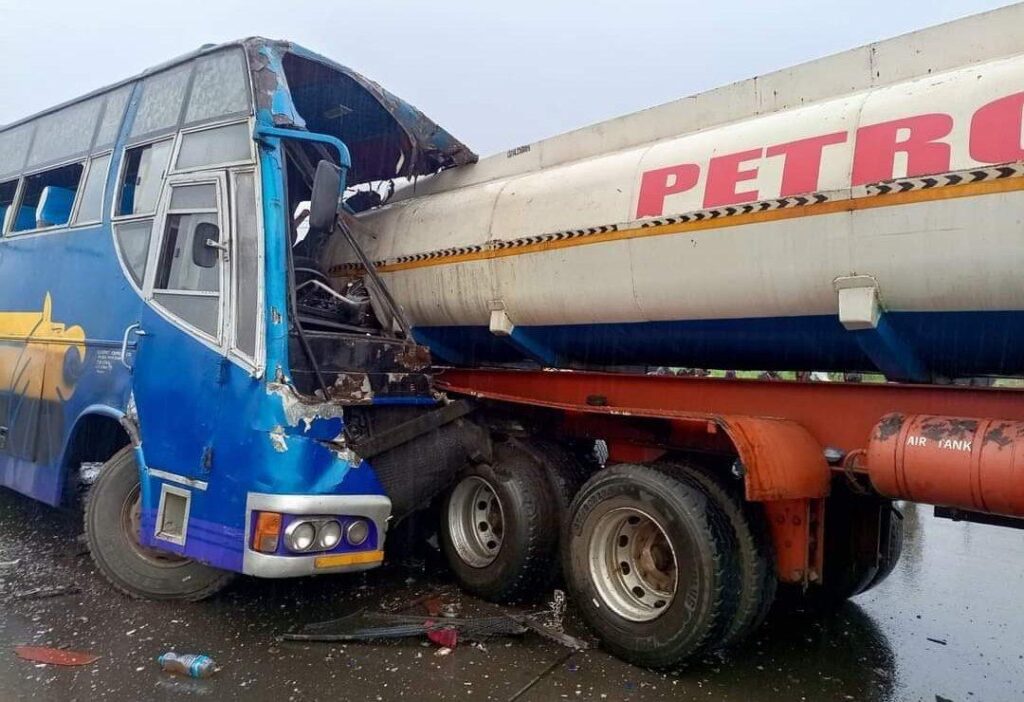
A collision involving a church bus and a truck near Kanga, close to Mtito Andei in Makueni County, Kenya, on 25 October resulted in a reported death toll that rose from 22 to 24 during the reporting period.
The Associated Press reported that 24 people were injured, while a later Kenyan report gave a different injury figure. The discrepancy remained unresolved in the material reviewed for this article.
Accounts of how the collision occurred also differed. Early reports referred to possible overtaking, while another account said the truck struck the bus from behind. The precise cause had not been established, and the incident remained under investigation.
Read the Associated Press report on the fatal Kenya road crash for the reported casualty figures and incident details.
Following the crash, President William Ruto directed inspections of public service vehicles. The directive placed passenger safety and vehicle roadworthiness under renewed scrutiny, but the reporting reviewed did not establish that the inspections had been completed or that their results had been published.
What happens next?
Investigators need to establish the circumstances of the collision and reconcile the conflicting reports about injuries. Authorities also need to clarify the scope and implementation of the vehicle-inspection directive.
A presidential directive is not evidence that inspections have been completed. The effectiveness of the response will depend on documented checks, any corrective action taken and evidence that safety requirements are being enforced.
The crash is a reminder of the importance of accurate incident reporting and effective road-safety oversight. Conclusions about the cause and responsibility should follow the investigation rather than precede it.
Conclusion: The Evidence Must Follow the Announcement
These four developments involve different countries and policy challenges, but each illustrates the importance of distinguishing a decision or announcement from a verified outcome.
In public health, the priority is to establish infection sources, monitor contacts and assess whether protective measures are working. In regional security, the focus is on the actual scope and implementation of the approved deployment. In Somalia, the test is whether political dialogue produces an agreed way forward. In Kenya, accountability requires a credible investigation and evidence that vehicle-safety measures are implemented.
For further context, read DSG Herald News’ Africa News Review on Ebola, politics and trade security.
Across these stories, the real test is what follows the announcement: the evidence, the implementation and the results. Understanding that difference is essential to understanding the forces shaping Africa.
Sources for further reading
- World Health Organization: Nigeria confirms an imported Ebola Bundibugyo virus disease case
- Associated Press: Algeria’s approved troop deployment to Niger
- Associated Press: Fatal road crash in Kenya
Editorial note: Casualty figures, the cause of the Kenya collision, the source of Nigeria’s Ebola infection and the details of the Algeria–Niger mission should be updated if authoritative confirmation becomes available.
About the Author