Africa News Today: Ebola Alert, Deadly Shooting, Floods and Protests
Africa news today reflects a range of public-health, security, climate and governance challenges, with developments in five countries drawing attention to the importance of effective institutions, reliable information and timely responses.
In Kenya, a second reported confirmed case of Ebola disease caused by the Bundibugyo virus has placed contact tracing and regional health surveillance under scrutiny. In South Africa, four people were reported killed in a shooting in Katlehong, where investigators are working to establish whether the attack was politically motivated.
Elsewhere, heavy rain flooded parts of Libya’s capital, Tripoli, and reportedly caused the death of a bank employee. Somalia faces a different kind of concern: humanitarian and climate institutions have warned that forecast rainfall during the October-to-December season could threaten livelihoods and worsen food insecurity in vulnerable areas. In Mauritius, authorities lifted an overnight curfew after protests linked to water shortages and the cost of living escalated following a police shooting.
These developments are distinct, with different causes and consequences. This edition of Africa in Motion examines what has been reported, what remains uncertain and which official actions or findings matter next.
Edition date: 15 October 2026 | Reporting period: 14 October 2026, 5:30 a.m. – 15 October 2026, 5:30 a.m. WAT
Kenya Reports Second Ebola Case as Contact Tracing Continues
Kenya is investigating a second reported confirmed case of Ebola disease caused by the Bundibugyo virus, following the death of the country’s first confirmed patient earlier in October.
According to Reuters’ report on Kenya’s second Ebola case, published on 14 October, the second patient was a 39-year-old close family member of the first patient. The first patient died in Nairobi on 5 October. The second patient had been under quarantine and was isolated after developing symptoms.
The immediate priority for health authorities is to determine whether the virus has spread beyond known contacts and whether additional people may have been exposed.
At the time of the Reuters report, authorities had identified 128 contacts associated with the first patient. Of those, 113 had reportedly been located, while 108 had been placed in quarantine. These figures describe the situation when the report was published; they should not be treated as the latest totals without a newer official update.
Why contact tracing matters
Contact tracing is a central part of responding to an infectious disease outbreak. Health officials identify people who may have been exposed, monitor them for symptoms and arrange testing, isolation or other measures when necessary.
The second reported case makes it important to establish whether the existing contact network is complete and whether anyone outside it may have been exposed. Timely laboratory confirmation, accurate public communication and effective surveillance are essential to understanding the scale of the risk.
There is also a regional dimension. The World Health Organization’s report on the Bundibugyo virus outbreak documents the first patient’s journey from the Democratic Republic of the Congo, through Uganda, to Nairobi. The outbreak in the Democratic Republic of the Congo provides important context for Kenya’s investigation.
However, the reported travel history does not establish that every Ebola event in the region belongs to one continuous chain of transmission. That distinction matters when assessing cross-border risks and communicating with the public.
What happens next?
The available reporting does not establish the latest confirmed case count, whether all previously unlocated contacts have been traced or whether additional cases have emerged. It also does not establish a direct exposure involving Nigeria.
The next important development would be an updated statement from Kenya’s Ministry of Health or the World Health Organization confirming the current case count, contact-tracing progress and assessment of transmission risk.
A second reported confirmed case warrants serious attention. On the information available in this edition, however, it does not by itself establish widespread transmission across the Kenyan population.
For the wider region, the priority is coordinated surveillance and the timely sharing of reliable information without overstating what the evidence proves.
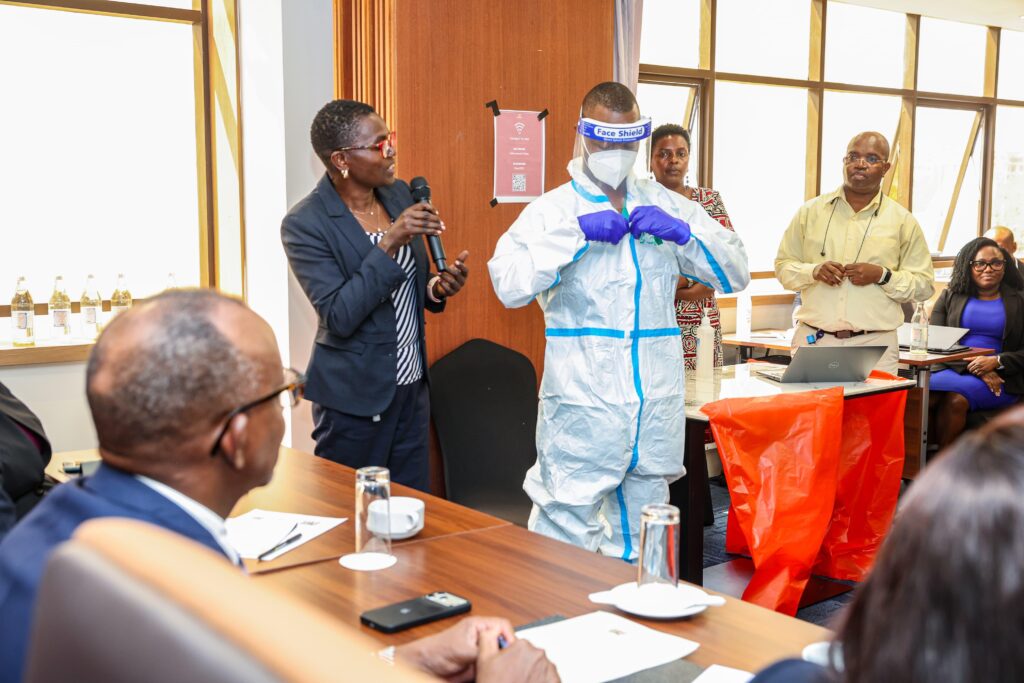
Four Killed in Katlehong Shooting as South African Police Investigate Possible Political Links
Four people were reported killed and three others injured in a shooting in Katlehong, southeast of Johannesburg, after mourners left a memorial service for a local political figure.
The shooting occurred on Tuesday, 13 October, in Katlehong North. Initial reports described two people killed at the scene. The reported death toll later rose to four after two injured victims reportedly died in hospital.
The South African Government News Agency’s report on the Katlehong shooting said the suspect had handed himself over to police and was in custody. The case was assigned to the Gauteng Political Killings Task Team, with murder and attempted-murder charges recorded in the case docket.
The central unresolved question is whether the shooting was politically motivated.
Political context is not proof of motive
The attack followed a memorial for a local political figure who had been fatally shot earlier in October, according to Associated Press reporting. Some of the victims in the Katlehong shooting were also reported to have been associated with the African National Congress youth league.
The available reporting does not establish the full relationship between the two incidents. The timing and circumstances warrant investigation, but they are not sufficient to conclude that the attack was politically directed.
Investigators must establish what happened, whether the shooting was connected to the earlier killing, and whether local political disputes or other circumstances played a role.
The assignment to the Gauteng Political Killings Task Team indicates that the case is being handled through a specialised investigative process. It is not a final finding that the attack was politically motivated.
Likewise, the suspect’s reported custody is a procedural development, not a determination of guilt. Further reporting must distinguish allegations from evidence established through the judicial process.
Associated Press reporting also noted that South Africa was approaching local government elections scheduled for 4 November. That provides political context, but the proximity of an election does not prove an election-related motive.
The human cost and the next investigation steps
The reported deaths and injuries have left families and the Katlehong community dealing with serious loss. Establishing the circumstances of the shooting is important both for accountability and for understanding whether the incident was connected to a wider pattern of violence.
The next developments to watch include further police findings, the formal status of the charges, updates on the injured victims and any evidence linking the attack to the earlier killing.
Until investigators establish more, the motive must remain an open question. Responsible reporting requires neither dismissing the possibility of political violence nor presenting it as a proven explanation.
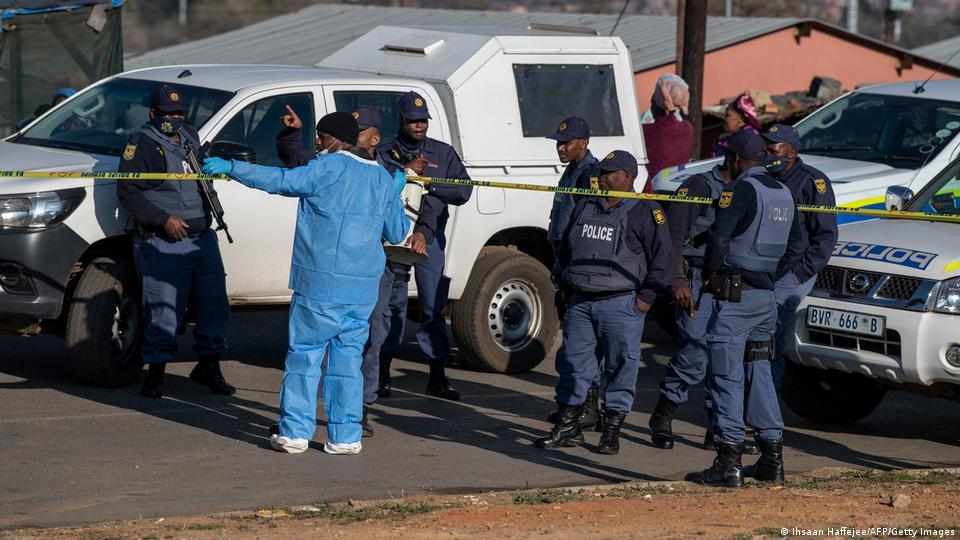
Flooding Disrupts Libya’s Capital, Tripoli, After Heavy Rain Kills Bank Employee
Heavy rain flooded parts of Tripoli on Tuesday, 13 October, disrupting transport, affecting buildings and prompting electricity cuts in some districts, according to Africanews’ report on flooding in Libya’s capital.
The report said an employee of Jumhouria Bank died by electrocution while entering the bank’s headquarters. The death was attributed to the bank in the account.
Floodwater reportedly submerged electrical utility boxes, prompting the General Electricity Company to cut power in some areas to reduce the danger. Security forces also announced the closure of the capital’s ring road, while public services were directed to carry out urgent drainage operations.
The reported death illustrates how urban flooding can create dangers beyond inundated streets. Water around electrical equipment can expose residents and workers to electrocution, while blocked roads and power interruptions can affect businesses, homes and access to essential services.
Weather warnings and urban preparedness
According to Africanews, Libya’s National Meteorological Centre had forecast heavy rain across northern parts of the country on the evening of 12 October and warned people living near wadis and valleys.
Flooding followed on 13 October. The account described inundated streets, stranded vehicles and water entering buildings in the city centre. Flooding was also reported in corridors at a central hospital.
The dates are important: the rain and flooding occurred on 13 October, while the report describing the disruption was published on 14 October.
The existence of a forecast does not, by itself, establish whether authorities had sufficient warning, whether drainage infrastructure was adequate or whether every appropriate precaution was taken. Those questions require further evidence about local conditions, infrastructure maintenance, public warnings and the emergency response.
What remains unknown?
The immediate priorities are the safety of residents, the restoration of essential services and an assessment of the damage.
Power cuts may reduce the risk of electrocution, but they can also disrupt households, businesses and essential services. Road closures can restrict movement and complicate emergency access.
The supplied reporting does not establish the total number of flooded streets, damaged buildings or displaced residents. It also does not confirm how long the ring-road closure and electricity interruptions lasted, or whether services had returned to normal by the end of the reporting period.
Updated casualty and damage assessments, information on road reopening and confirmation of power restoration would help establish the scale of the disruption.
For Tripoli, the reported fatality is a central fact. The wider extent of the damage and the effectiveness of the response remain to be established.
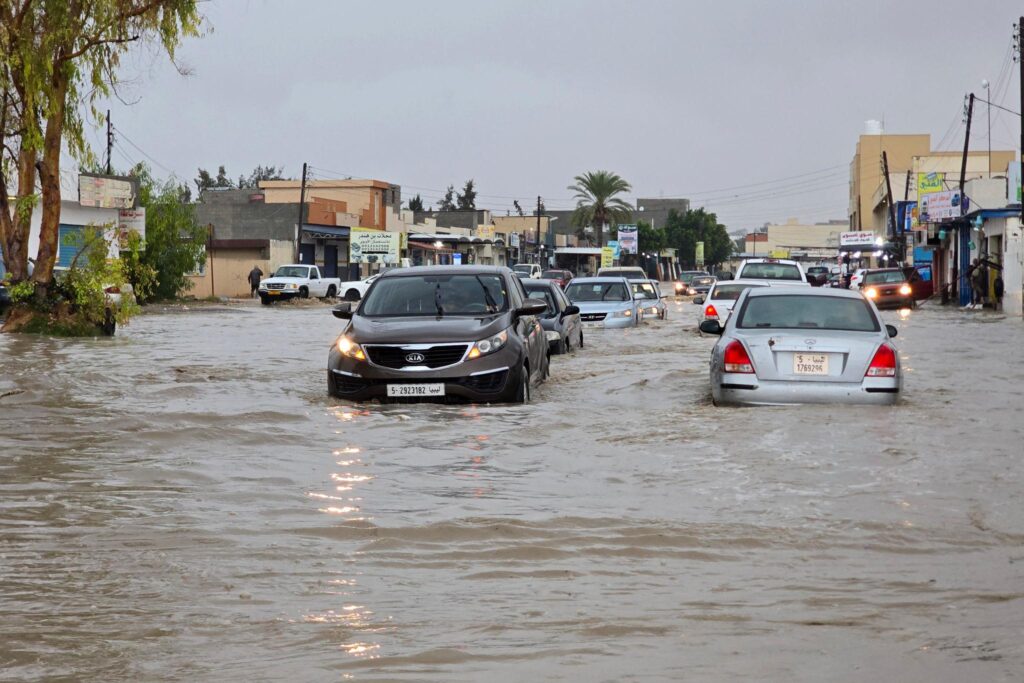
Somalia Faces Flood and Food-Security Risks as El Niño Intensifies
Somalia faces renewed food-security risks as humanitarian and climate institutions warn that forecast heavy rainfall during the October-to-December period could affect vulnerable communities.
The International Committee of the Red Cross’ warning about possible El Niño-related flooding in Somalia, issued on 13 October, said flooding could worsen hardship and hunger for millions of people.
The concern centres on areas exposed to the Shabelle and Juba river systems, where flooding could damage farmland, disrupt livelihoods and affect food production.
For farmers, the forecast presents a difficult choice: plant crops and risk losing them to floodwater, or leave fields unplanted and risk reduced production later. The uncertainty can affect livelihoods before the final weather outcome is known.
This is a warning about potential impacts. It is not confirmation that a new nationwide flood disaster has occurred or that famine is imminent.
What the seasonal forecast means
The Greater Horn of Africa’s October-to-December rainy season can have significant consequences for farming, pastoral livelihoods and food availability.
The IGAD Climate Prediction and Applications Centre’s October–December 2026 seasonal outlook indicates an increased likelihood of wetter-than-normal conditions in parts of the region, including central and southern Somalia. The forecast is intended to support preparedness and should be read alongside shorter-range updates from national meteorological services.
These outlooks help explain the concern, but seasonal forecasts cannot determine exactly when or where flooding will occur, or how severe the effects will be in every district.
The distinction between forecast risk and observed disaster is essential. A forecast of above-normal rainfall is not proof that a particular community will flood. Similarly, a warning about hunger does not establish that famine is imminent without a supporting assessment.
The dilemma facing farmers
The ICRC report described the situation facing Nuh Adan, a farmer and community leader in Bayahaaw, near Jowhar. Planting could expose his crops to floodwater, while not planting could leave his household and community vulnerable to future food shortages.
His dilemma illustrates the practical consequences of uncertainty for agricultural communities. Farmers must make decisions about seeds, labour and planting before they know precisely how the season will unfold.
The ICRC also cited Somalia’s 2023 flooding, which reportedly affected close to two million people and displaced more than 500,000. Those figures describe a historical event; they should not be interpreted as a prediction that the same level of impact will occur in 2026.
Preparedness will be critical
The next question is whether authorities and humanitarian organisations can turn the forecasts into practical protection. Relevant measures include timely local warnings, river monitoring, support for farmers, evacuation preparedness and assistance for households at risk.
The available material does not establish how many people have already been displaced by a new flood event, the latest food-security classification for exposed districts or the funding currently available for humanitarian operations.
Updated rainfall forecasts, river levels, observed flooding, food-security assessments and documented preparedness measures will be important indicators to follow.
Somalia’s warning is significant because climate risks can affect food production and household security before a disaster is fully visible. But sound reporting must preserve the distinction between the risks forecast and the impacts actually recorded.
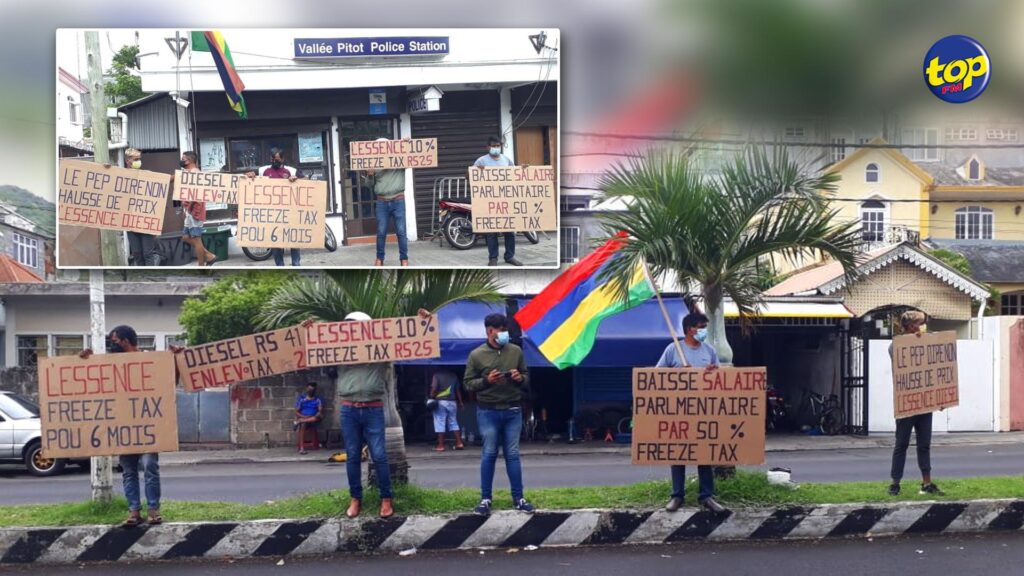
Mauritius Lifts Curfew After Protests Over Water Shortages and Cost of Living
Mauritius lifted an overnight curfew on Wednesday, 14 October, after protests linked to water shortages and the rising cost of living escalated following a police shooting that wounded a woman.
Associated Press reporting on the protests and curfew in Mauritius described clashes between demonstrators and police, road blockages, fires and damage to public property. The curfew had been imposed in Port Louis and several other towns from Tuesday evening until Wednesday morning. Police subsequently said the situation was under control.
However, lifting the curfew represents a change in the immediate public-order situation. It does not establish that water shortages have been resolved or that the concerns about living costs behind the protests have been addressed.
Police shooting prompts investigation
The police shooting occurred in Beau Bassin-Rose Hill, according to the Associated Press report.
The report said the officer who fired the shot had been arrested, while three other officers were suspended for failing to assist the wounded woman. The national public prosecutor’s office said the investigation should also cover Special Mobile Force personnel who were present.
These are reported investigative and disciplinary developments, not final findings about the shooting. The supplied material does not establish the woman’s current medical condition or the full circumstances of the incident.
The shooting became a focal point for protests that had reportedly begun over water shortages and living costs. Those issues, however, require separate examination: evidence about the circumstances of the shooting will not, by itself, establish the extent of water shortages or the precise economic pressures behind the demonstrations.
What happens after the curfew?
The reported curfew ran from 8:30 p.m. on Tuesday, 13 October, until 6 a.m. on Wednesday, 14 October. Associated Press reporting also described temporary disruption to schools and public transport, although the available material does not quantify the overall economic cost or the total number of people affected.
The authorities’ assessment that the situation was under control should be understood as their position, not proof that every grievance has disappeared.
The next developments to watch are the findings of the police-shooting investigation, updates on the wounded woman and evidence of concrete measures to address water access and living costs.
For Mauritius, the challenge is twofold: establish the facts surrounding the shooting and respond to the public concerns that preceded the unrest. A public-order response may reduce immediate disruption, but restoring confidence also requires credible accountability and evidence that essential-service problems are being addressed.
The curfew has been lifted. Whether the underlying problems have changed remains an open question.
Conclusion: What Africa’s Latest Developments Reveal
The five developments in this edition of Africa in Motion illustrate different pressures facing African communities and institutions. They do not establish a single continent-wide crisis, and their causes should not be conflated.
In Kenya, the priority is to establish the extent of the reported Ebola risk and determine whether further transmission has occurred. In South Africa, investigators must establish the circumstances and motive behind the Katlehong shooting. Libya is dealing with the immediate consequences of flooding, while Somalia faces a forecast-based warning about potential damage to crops and food security.
In Mauritius, the curfew has ended, but questions remain about police accountability and the public concerns associated with the protests.
A genuine point of connection is the importance of reliable information, practical action and transparent follow-up. Announcements alone do not prove that a health risk has been contained, services have been restored, a suspected motive has been established or public grievances have been resolved.
As Africa news today continues to develop, the next stage of reporting must establish what has changed, what remains uncertain and whether official responses are producing measurable results. That is central to understanding the forces shaping Africa without overstating what the evidence proves.
Recommended Articles
1.Africa News Weekend Roundup: September 28 – October 4, 2026
Explore the major political, economic and security developments shaping Africa.
2.Nigeria News Roundup: Reforms, Security and Energy
Read more about the policies, security challenges and energy developments affecting Nigeria.
3.Global News Roundup: War, Energy, AI and the Economy
Understand the international developments influencing economic policy, technology and global affairs.
4.Nigerians Hate Tinubu? What the Data Really Shows
Examine public opinion, political narratives and the evidence behind claims about Nigerians’ views of President Bola Tinubu.
About the Author



