INTRODUCTION
Africa news 10 November 2026 highlights five major developments shaping the continent’s political, economic and social landscape. From a deadly migrant boat disaster off Senegal’s northern coast to a security attack in Nigeria, these developments highlight the continuing responsibilities of governments and public institutions in protecting lives and responding to national challenges.
In South Africa, the African National Congress (ANC) recorded a significant decline in its share of the national vote in the local government elections, increasing the importance of coalition negotiations across municipal councils. Botswana, meanwhile, announced plans to double its ownership stake in De Beers as discussions continued over the future of the diamond company. In Egypt, two proposed wind-energy projects on the Red Sea coast reached financial close, securing hundreds of millions of dollars in financing.
These stories represent different national circumstances and should be understood on their own terms. However, they raise important questions about public responsibility, political accountability, economic participation and the implementation of major development commitments.
This Africa in Motion daily report examines what happened, why the developments matter and what remains to be established.
Story 1: Senegal Migrant Boat Disaster – 39 Reported Dead as Atlantic Migration Risks Come into Focus
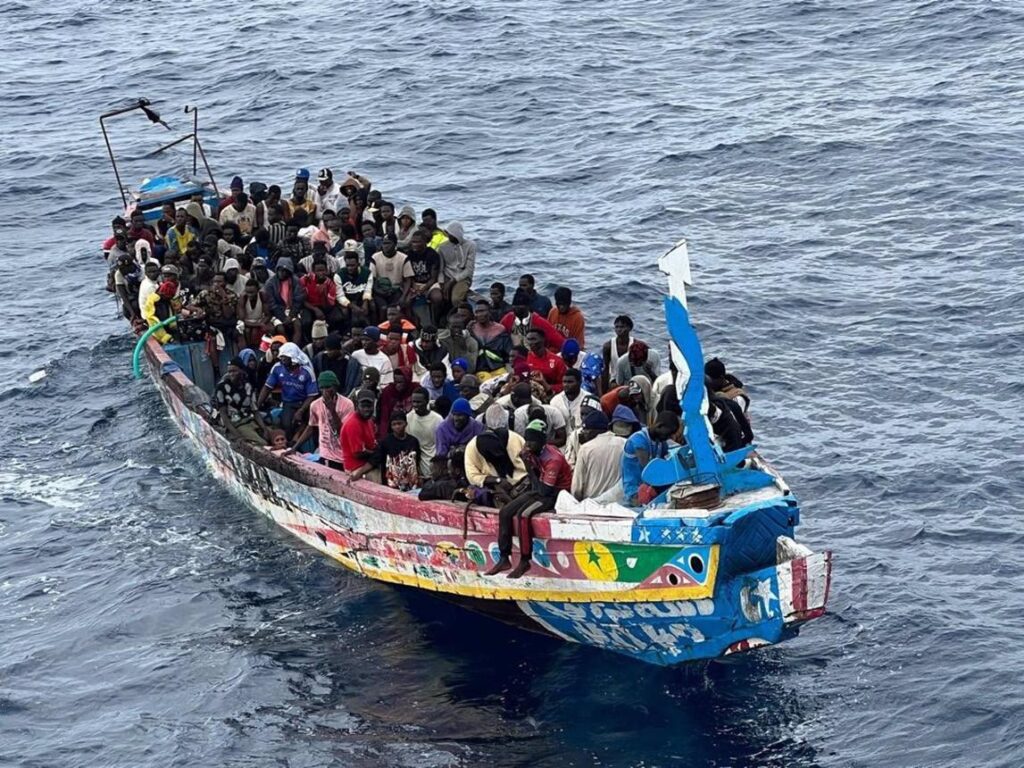
A migrant boat disaster off Senegal’s northern coast left 39 people reported dead, with only one survivor reported, bringing renewed attention to the dangers facing people attempting the Atlantic migration route towards Spain.
The boat had departed from Saint-Louis, in northern Senegal, and was travelling towards the Spanish coast when it overturned near Kébémer, north of Dakar.
Senegal’s Ministry of Interior initially reported 21 deaths and one survivor in a statement issued on 8 November. By 9 November, the reported death toll had increased to 39 as additional bodies were recovered. The Associated Press report on the rising death toll provided details of the incident and the continuing search operations.
However, the total number of people aboard the vessel had not been established. Authorities had also not provided a definitive account confirming whether every passenger had been accounted for.
The scale of the tragedy prompted a response from the Senegalese government. Interior Minister Mouhamadou Makhtar Cissé visited the affected area on 9 November, acting on the instructions of President Bassirou Diomaye Faye.
The President expressed condolences to affected families and promised action against networks organising dangerous crossings.
However, the government’s stated commitment must be distinguished from what had actually been established. The available reports did not identify a specific organisation responsible for this particular journey. They also did not confirm arrests or the dismantling of any network connected to the disaster.
The incident once again drew attention to the Atlantic migration route from West Africa towards Spain, including the Canary Islands. Travelling in unsuitable vessels can expose migrants to severe dangers at sea, but the precise circumstances surrounding this particular crossing remained unclear.
The cause of the capsize, the identities of those who organised the journey and the total number of passengers were still unknown.
Beyond the immediate loss of life, the disaster raised questions about maritime surveillance, search-and-rescue capacity, cooperation between neighbouring countries and the networks facilitating unsafe migration.
It also brought a difficult issue into focus: what drives people to undertake journeys that can cost them their lives? Answering that question requires a closer understanding of migration decisions, economic circumstances and the networks involved. It should not be answered through assumptions about the people aboard the vessel.
For families affected by the disaster, the immediate concerns were more personal: identifying those who had died, establishing who had survived and determining whether loved ones were still missing.
The next priorities included a definitive passenger count, a final casualty report and greater clarity about the circumstances of the capsize.
Senegal’s government indicated its intention to intensify action against dangerous migration networks and strengthen cooperation with neighbouring countries. The lasting measure of that response, however, will be whether those commitments translate into practical improvements in maritime safety and accountability.
Story 2: Zamfara Attack – Security Volunteer and Family Killed, 13 Residents Reportedly Abducted
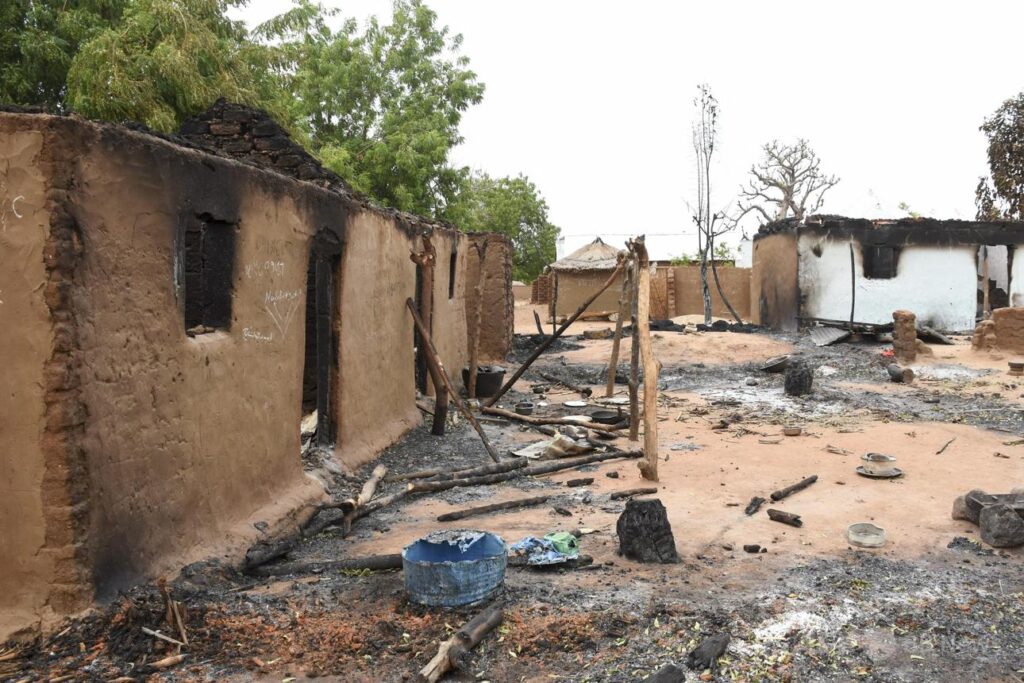
In north-western Nigeria, gunmen attacked Gidan Taba community in Maradun Local Government Area of Zamfara State during the weekend of 7 to 8 November, killing a local security volunteer and members of his family.
The attack reportedly left 13 residents abducted, while the family’s home was also burned.
A Reuters report published on 9 November, citing Zamfara police spokesperson DSP Yazid Abubakar, said the volunteer and 10 relatives were killed, bringing the reported death toll to 11.
According to the police account, the volunteer had repeatedly assisted security forces in resisting incursions by armed criminal groups into the community. The police spokesperson said the attackers considered him an obstacle to their activities.
That explanation was attributed to the police and had not been independently established as the attackers’ own account of their motive.
There was also a discrepancy in the reported death toll. While Reuters, citing the police spokesperson, reported 11 deaths in total, PUNCH and other Nigerian reports gave a figure of 12 family members killed.
The available information did not conclusively explain the difference. Both accounts therefore remained in circulation pending a definitive casualty figure.
The reported abduction of 13 residents was another major concern. The police spokesperson said security forces had been deployed and were working to secure the release of those taken. However, reports available during the review period did not confirm that the abducted residents had been rescued.
There was also no verified information establishing arrests or identifying the attackers.
The incident highlighted the risks faced by communities in parts of north-western Nigeria, where armed groups have repeatedly carried out village raids, killings, kidnappings and attacks on homes.
In some communities, local security volunteers have assisted formal security agencies in defending residents. The Gidan Taba attack nevertheless raised a difficult question: what protection is available to these volunteers and their families when they assist security forces?
It also raised questions about how effectively local volunteers are coordinated, trained and supported by relevant security institutions.
For residents of rural communities, repeated attacks can affect much more than personal safety. Fear of raids and abductions can disrupt farming, transportation, trade, schooling and ordinary community life.
The immediate priority remained the safety of the abducted residents. The Zamfara State Police Command needed to clarify the final casualty figure, provide an update on the 13 reported abductees and explain the progress of the investigation.
At the close of the review period, the final death toll and the fate of those abducted remained unresolved.
Story 3: South Africa ANC Election Results – Party Falls to 30.76% as Coalition Politics Expand
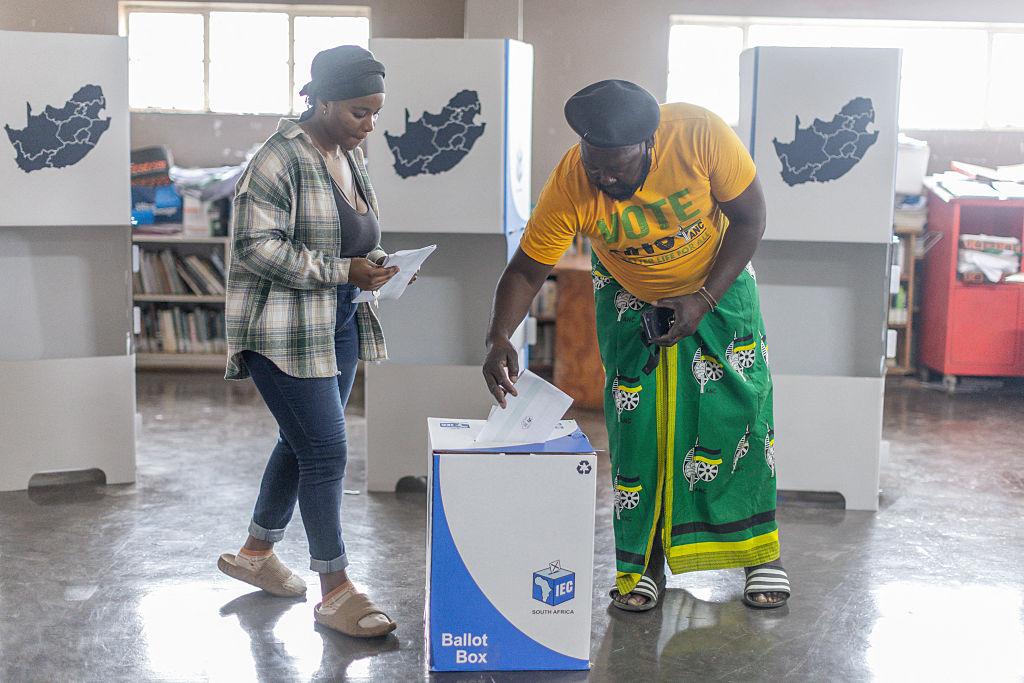
South Africa’s African National Congress suffered a major setback in the country’s 4 November 2026 local government elections, securing 30.76 per cent of the national vote.
The final results were announced by the Electoral Commission of South Africa on 8 November. The outcome represented a significant decline from the 45.59 per cent the ANC received in the 2021 local elections.
Although the ANC remained the largest party nationally, the result demonstrated a further weakening of its electoral position.
The Democratic Alliance finished second with 24.64 per cent. The uMkhonto weSizwe Party received 9.76 per cent, followed by the Economic Freedom Fighters with 6.22 per cent and ActionSA with 5.67 per cent.
The South African Government News Agency’s report on the Electoral Commission’s final results confirmed the national vote shares and municipal outcomes.
The final national party vote shares were:
- African National Congress (ANC): 30.76%
- Democratic Alliance (DA): 24.64%
- uMkhonto weSizwe Party (MK Party): 9.76%
- Economic Freedom Fighters (EFF): 6.22%
- ActionSA: 5.67%
The election also recorded an increase in voter participation. Turnout was reported at 52 per cent, compared with 45.9 per cent in 2021.
The Electoral Commission said approximately 14.9 million people voted from a registered electorate of 29.2 million. The Commission declared the elections free and fair and confirmed that all 213 municipal councils had been finalised and declared.
However, the national vote percentages told only part of the story.
South Africa’s local government system is based on municipal councils. The distribution of seats in individual municipalities determines which parties can govern.
Figures reported by SAnews showed that the ANC achieved outright control in 53 municipalities and emerged as the leading party in 128. The Democratic Alliance achieved outright control in 12 municipalities and was the leading party in 32. The Inkatha Freedom Party secured outright control in five municipalities and emerged as the leading party in 19.
SABC’s reporting indicated that only 74 of the 213 councils produced clear majorities. This meant coalition negotiations would be central to the formation of many municipal administrations.
The political challenge therefore moved beyond counting votes. Parties had to negotiate governing arrangements, including control of mayoral offices, municipal committees and local policy priorities.
For the ANC, the result raised questions about its declining electoral support and its ability to rebuild confidence among voters. For opposition parties, it created opportunities to participate in or lead municipal administrations.
But winning seats and negotiating political agreements are only the beginning.
Municipal governments are responsible for services that directly affect residents, including water, sanitation, refuse collection, roads, housing administration and local economic development.
The real test for any new administration will be whether it can improve those services, manage public resources responsibly and maintain political stability.
Coalition government can create opportunities for cooperation between parties. However, disagreements over leadership, priorities and policy can also make municipal administrations unstable.
South Africa’s election was therefore significant not simply because the ANC lost support, but because the country’s political landscape was becoming more competitive and fragmented.
The result did not, by itself, guarantee better municipal services. That responsibility rested with the parties negotiating their way into local leadership.
The coming weeks were expected to show how those negotiations translated into actual municipal governments. Ultimately, residents would judge the new political arrangements by what changed in their communities.
Story 4: Botswana Seeks 30% De Beers Ownership Stake as Anglo American Sale Advances
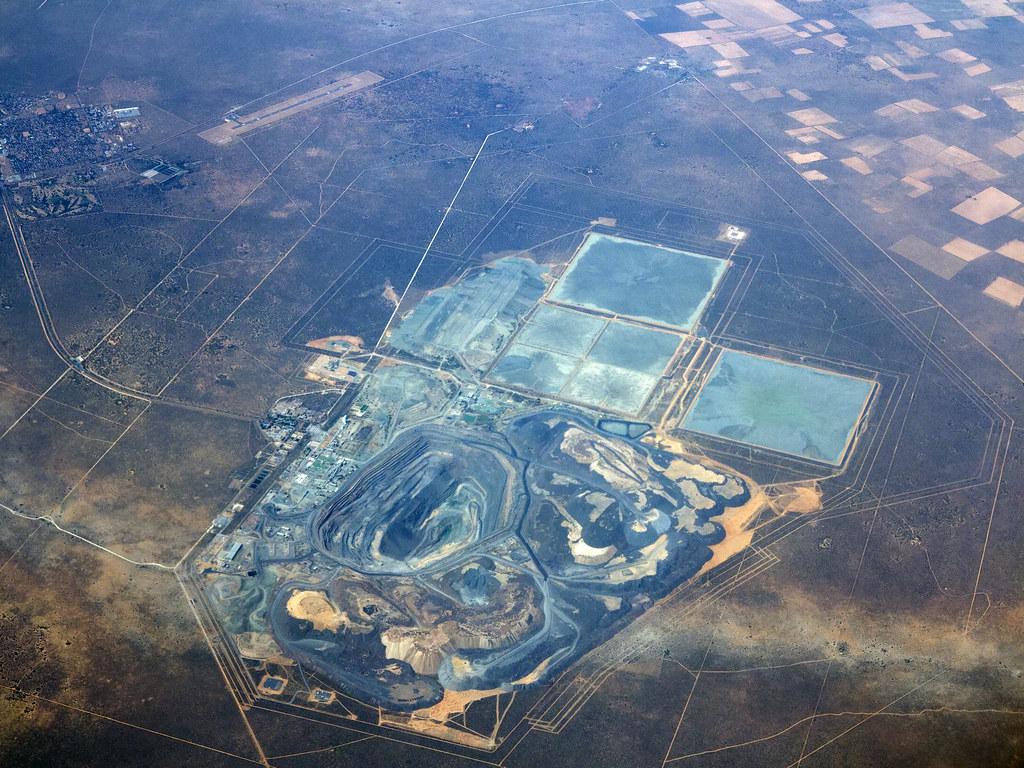
Botswana announced plans to increase its stake in De Beers from 15 per cent to 30 per cent, as negotiations continued over the sale of Anglo American’s 85 per cent holding in the diamond company.
President Duma Boko announced the proposed increase during his State of the Nation Address in Gaborone on 9 November.
Botswana currently owns 15 per cent of De Beers, while Anglo American holds the remaining 85 per cent. If completed, the proposed transaction would make Botswana the company’s largest single shareholder.
The development followed Anglo American’s decision in 2024 to sell its controlling interest in De Beers as part of a wider restructuring of its business.
Botswana selected the Global Diamond Consortium as its preferred bidder for Anglo American’s stake. The consortium is led by Gareth Penny, a former chief executive of De Beers.
Reuters’ report on Botswana’s proposed increase in its De Beers stake confirmed the announcement and outlined the proposed transaction.
Potential participants reported during the process included businesses such as Richemont, Signet, Diarough, Pluczenik and Grandview Klein Diamonds. These were potential participants, not a confirmed final list of shareholders.
Namibia and Angola had also been identified as expected participants in the wider transaction. However, their precise contributions, proposed shareholdings and final commitments had not been established.
Anglo American indicated that it would continue working with Botswana, other governments and the consortium towards binding transaction documents. The proposed sale therefore remained under negotiation. Botswana had not completed the increase in its ownership.
Why the proposed increase matters
Diamonds have played a central role in Botswana’s economy and public finances. The existing partnership with De Beers through Debswana has helped shape the country’s mining industry.
A larger stake could give Botswana greater influence over the future direction of De Beers and a stronger position in decisions affecting the diamond business.
But there is an important distinction between ownership and guaranteed economic benefit.
The value of the proposed investment would depend on the purchase price, financing costs, future dividends and the company’s commercial performance.
The global diamond industry was also facing challenges, including weaker prices, competition from laboratory-grown diamonds and changing demand in important consumer markets.
Associated Press reported that falling diamond sales had contributed to Botswana’s economic contraction in the previous year. This made the financial terms of the proposed acquisition particularly important.
If Botswana committed significant public resources or took on substantial borrowing to acquire a larger share, the cost of financing and the risks involved would require careful consideration.
The government had identified financial, legal, technical, tax and diamond-valuation advisers. However, the purchase price, final financing structure and governance arrangements had not been established in the material reviewed.
President Boko also presented the investment as an opportunity beyond natural diamonds, including technology associated with De Beers’ Element Six business. The practical value of that opportunity would depend on the final transaction terms and Botswana’s ability to secure meaningful participation in relevant technology and industrial value chains.
There was also a possible regional dimension. The involvement of Namibia and Angola could bring additional African diamond-producing countries into the wider ownership discussion. But until the terms and commitments were confirmed, it would be premature to describe the proposal as an established regional ownership arrangement.
For Botswana, the challenge was to secure greater influence while managing financial risks and ensuring that the transaction produced measurable national benefits.
The next stage involved negotiating binding documents and disclosing the financial and ownership terms.
The proposed increase in ownership was significant. But the real test would be what Botswana ultimately paid, what influence it gained and what value its people received.
Story 5: Egypt Secures $436m Financing for 500MW Red Sea Wind Projects
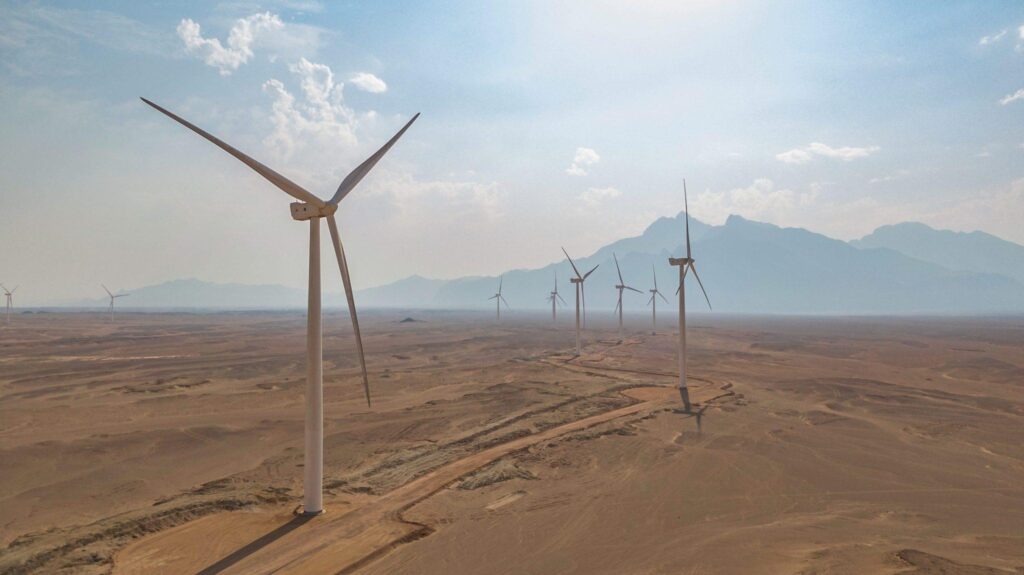
Egypt recorded an important renewable-energy investment milestone after two wind-energy projects on its Red Sea coast secured approximately US$436 million in debt financing.
Developer Alcazar Energy Partners announced on 9 November that the Niat and Rasgha projects, located in the Ras Ghareb area, had reached financial close.
Each project was planned to have a capacity of 250 megawatts, giving them a combined planned capacity of 500 megawatts. The total project cost was estimated at approximately US$626 million.
The developer’s financial-close announcement and EnterpriseAM Egypt’s financing report provided details of the projects and their financing arrangements.
The key project figures are:
- Combined planned capacity: 500MW
- Niat project: 250MW
- Rasgha project: 250MW
- Total estimated project cost: US$626 million
- Debt financing: US$436 million
- Target commercial operation: End of 2028
The financing was being provided by three development finance institutions: the European Bank for Reconstruction and Development (EBRD), the European Investment Bank (EIB) and Germany’s development finance institution, DEG.
Under reported 25-year power-purchase agreements, the Egyptian Electricity Transmission Company would purchase the electricity generated by the projects.
Reuters reported a price of three US cents per kilowatt-hour under those agreements. That figure referred to the reported project electricity purchase price. It should not be confused with the retail tariff paid by households.
The projects were expected to generate more than 2.3 terawatt-hours of electricity annually. Reuters reported that this could be sufficient to supply approximately 1.2 million homes.
Commercial operations were projected to begin by the end of 2028.
These figures describe expected future performance. The wind farms were not yet operational, and their eventual contribution would depend on construction, turbine performance, grid connection and the electricity they actually delivered.
The financing structure also provided a clearer picture of how the projects would be funded. The US$436 million in debt financing formed part of the total US$626 million project cost.
Reporting by EnterpriseAM Egypt on 10 November said the remaining funding would come from equity provided by Alcazar Energy Partners II, the fund that owned the projects.
Siemens Gamesa was expected to supply and maintain the turbines, while Orascom Construction was expected to deliver civil and electrical works.
From financial close to electricity generation
Reaching financial close was an important milestone because it meant the projects had secured the financing arrangements needed to advance. But financing was not the same as completion.
The next stages included construction, turbine installation, grid integration and commissioning.
The projects formed part of Egypt’s broader effort to expand renewable electricity generation. The Stage 4 editorial research identified a national target of obtaining 45 per cent of electricity generation from renewable sources by 2028. However, the precise current baseline and progress towards that target required confirmation from the relevant Egyptian energy authorities.
For Egypt, additional wind generation could help diversify electricity supply and support energy security. Reliable electricity is important to households, industrial production and businesses.
The projects also illustrated how development finance institutions can support major infrastructure investments through long-term financing arrangements.
However, their public value could not be measured by investment figures and installed capacity alone. The projects would need to be completed on schedule, connected reliably to the national grid and shown to deliver the expected electricity.
Questions about local employment, Egyptian procurement, the effects on nearby communities and the actual environmental benefits would also become important as implementation progressed.
The stated target was commercial operation by the end of 2028. The central question was whether the financing milestone would translate into reliable electricity and measurable benefits for Egypt’s economy and consumers.
CONCLUSION
The five developments examined in this Africa Daily News report revealed different challenges facing governments, institutions, businesses and communities across the continent.
In Senegal and Nigeria, the immediate concerns involved civilian protection, human loss, the recovery of missing and abducted people and accountability. In South Africa, voters changed the political balance, leaving parties with the responsibility of turning election results into stable and effective municipal administrations.
Botswana pursued greater ownership of a strategic resource business, but the benefits will depend on the financial terms and influence ultimately secured. Egypt, meanwhile, reached a financing milestone for renewable-energy projects whose value will be measured by construction, grid connection and electricity delivered.
These stories do not share one cause. Their significance lies in the distinction between decisions and outcomes: between a promise and its delivery, a political result and effective governance, ownership and economic benefit, or project financing and completed infrastructure.
Africa’s defining stories are not only about what governments announce, what elections produce or what investors commit. They are also about whether those decisions make a measurable difference to citizens, communities and economies.
That is the question Africa in Motion will continue to follow.
About the Author