AFRICA NEWS 19 NOVEMBER 2026: ETHIOPIA AND ERITREA MILITARY BUILD-UP RAISES FEARS OF WIDER HORN OF AFRICA CONFLICT
Africa news 19 November 2026 brings attention to developments testing political stability, regional security, public accountability and economic resilience across the continent. From rising military tensions between Ethiopia and Eritrea to a deepening political dispute in Senegal, the developments highlight the pressures facing governments and institutions in different parts of Africa.
This edition also examines a deadly migrant boat disaster off Senegal’s coast, Nigerian military operations against suspected insurgents in Borno State, and economic and governance challenges confronting Kenya.
The stories are unfolding in different national circumstances, but they share important questions about the responsibilities of governments, the protection of citizens and the consequences of political and economic decisions.
STORY 1: ETHIOPIA AND ERITREA MILITARY BUILD-UP RAISES FEARS OF WIDER HORN OF AFRICA CONFLICT
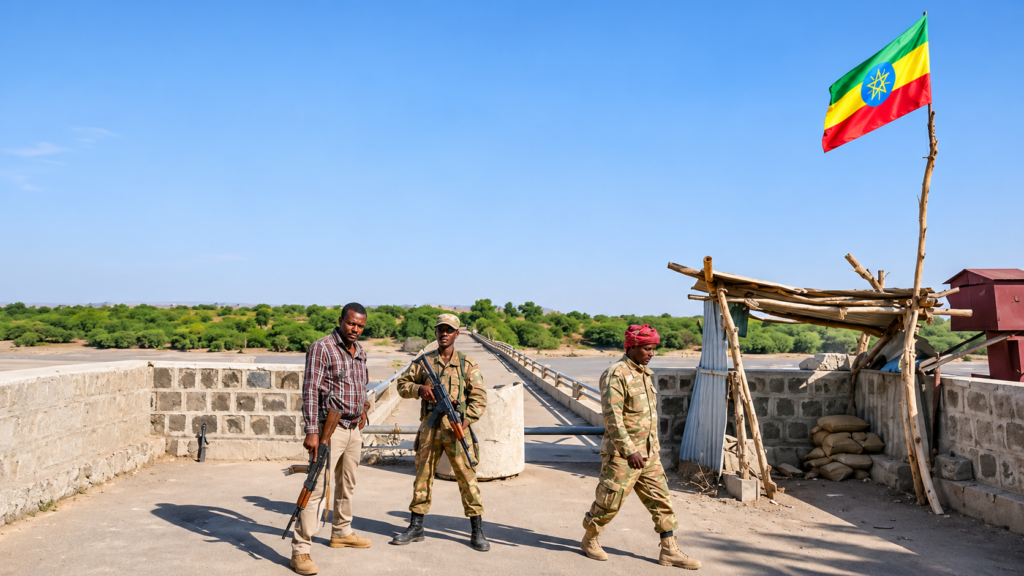
Tensions between Ethiopia and Eritrea have intensified following reports of military build-ups along their shared border, raising concerns about the possibility of another major confrontation in the Horn of Africa.
A Reuters report published on 18 November said the two countries had concentrated military forces along the border. Conflict monitor ACLED reported artillery exchanges, drone strikes around Badme and clashes during 12 and 13 November.
The reported military movements have revived fears of a wider conflict between the neighbouring countries, whose relationship has been shaped by decades of hostility and unresolved political and territorial disputes.
Ethiopia and Eritrea fought a devastating border war between 1998 and 2000, which killed tens of thousands of people. Although the two countries later restored diplomatic relations, their relationship has remained fragile.
The latest reports are particularly significant because renewed hostilities could destabilise an already sensitive region. The Horn of Africa is strategically important because of its proximity to the Red Sea, major international shipping routes and several countries facing internal security and political challenges.
However, the reported military developments require careful interpretation. Reuters said it could not independently verify reports of direct clashes. Eritrea denied invading Ethiopia and described Ethiopian claims as propaganda. Ethiopia had not responded to Reuters’ requests for comment at the time of the report.
The central concern is whether the military build-up represents a temporary show of force or the beginning of a more serious confrontation.
For countries in the region and the wider international community, preventing escalation will be important to regional stability.
STORY 2: SENEGAL’S RULING PASTEF PARTY EXPELS PRESIDENT BASSIROU DIOMAYE FAYE
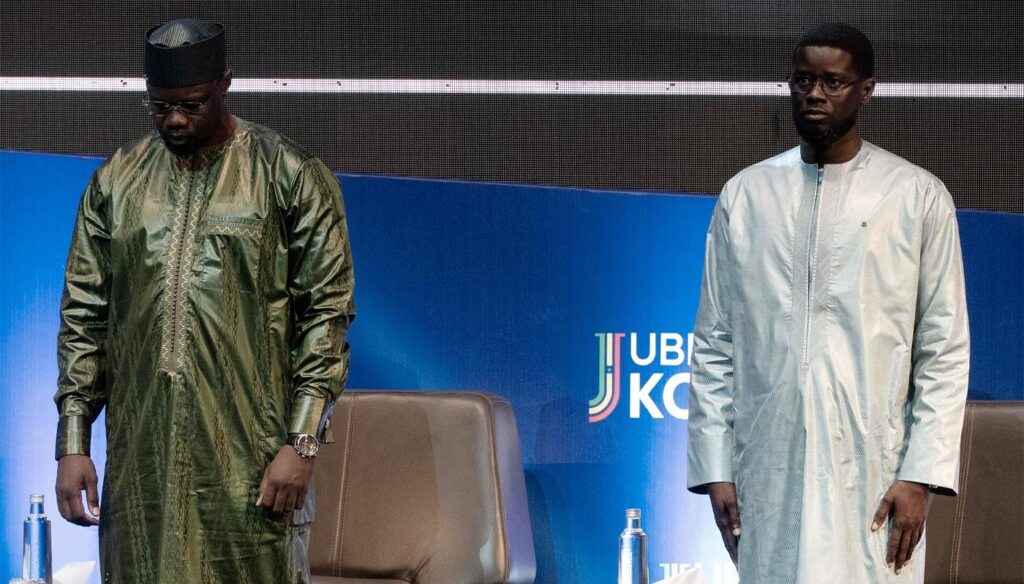
Senegal’s political tensions have intensified following the reported decision by the ruling Pastef party to expel President Bassirou Diomaye Faye and 31 other members. The decision was reported by Africanews.
The development marks a significant escalation in the political disagreement between Faye and Ousmane Sonko, the influential political figure who leads Pastef.
Faye and Sonko came to power through a political alliance that helped bring an end to the long dominance of Senegal’s previous governing establishment. Faye won the 2024 presidential election, while Sonko became prime minister.
However, disagreements over the direction and management of government have increasingly exposed divisions within the political partnership.
Faye subsequently established a rival political formation, while tensions over the relationship between the presidency and Pastef continued.
The reported expulsion is significant because Pastef remains central to the political structure that brought the current administration to power. A prolonged split could complicate relations between the presidency, the party and its parliamentary supporters.
The political dispute is also unfolding against economic pressures, including concerns about public debt, budget management and the country’s financial relationship with international lenders.
Senegal’s political stability is important not only to its citizens but also to West Africa, where the country has traditionally played a significant diplomatic and regional role.
The immediate question is whether the disagreement will lead to a wider political realignment or whether the competing sides can establish a workable relationship.
The full legal and political consequences of the party’s decision require further clarification. The reported expulsion should not automatically be interpreted as removing Faye from the presidency or changing his constitutional position.
STORY 3: MIGRANT BOAT CAPSIZES OFF SENEGAL, LEAVING AT LEAST ONE DEAD
A new migrant boat disaster off Senegal’s western coast has once again drawn attention to the dangers of irregular migration across the Atlantic towards Europe.
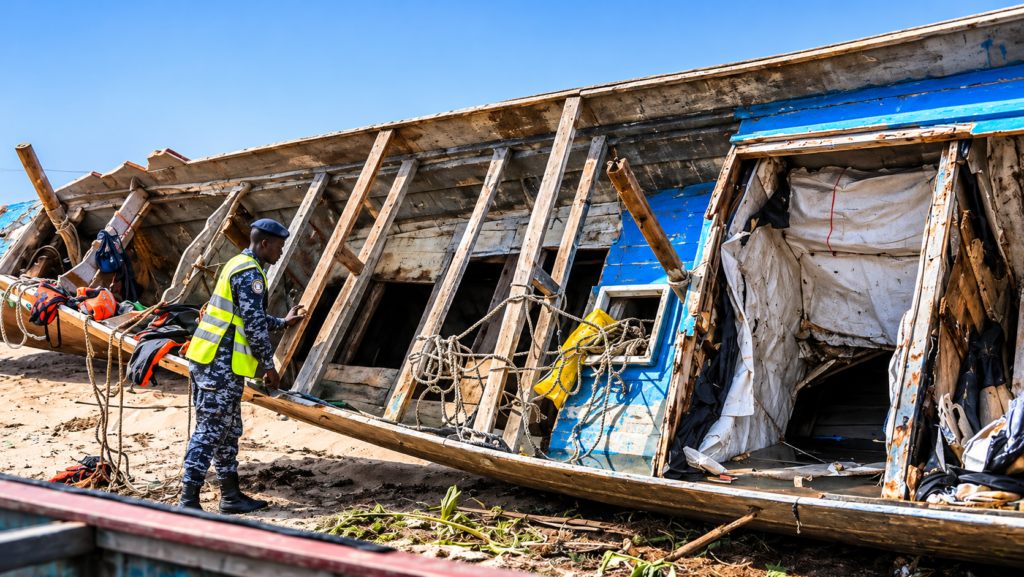
Reports by Africanews, citing the Associated Press said a boat carrying migrants capsized near Yenne, a coastal community in western Senegal, after striking a rocky outcrop.
At least one person was reported dead, while rescue and search operations were continuing.
A survivor reportedly told authorities that approximately 100 people were aboard the vessel, including five women. That figure has not been established through an official passenger record and should therefore be treated as an estimate based on the survivor’s account.
The incident comes shortly after another deadly migrant boat disaster near Thieppe, where at least 43 people were reported killed.
The repeated incidents highlight the continuing humanitarian risks along the Atlantic migration route, one of the dangerous pathways used by people attempting to reach Spain and other parts of Europe.
For many migrants, the journey involves long distances across open water in overcrowded and poorly equipped vessels. The risks include capsizing, dehydration, exposure to harsh weather and the difficulty of conducting rescue operations far from shore.
The consequences extend beyond the immediate loss of life. Families are left searching for missing relatives, while coastal communities and emergency services face the difficult task of responding to repeated maritime emergencies.
The latest disaster also raises questions about the effectiveness of migration policies, the work of people facilitating dangerous journeys and the economic conditions that contribute to irregular migration.
The estimated number of passengers, the final death toll and the number of missing people still require confirmation.
STORY 4: NIGERIAN MILITARY SAYS AIRSTRIKES KILLED 21 ISWAP FIGHTERS IN BORNO
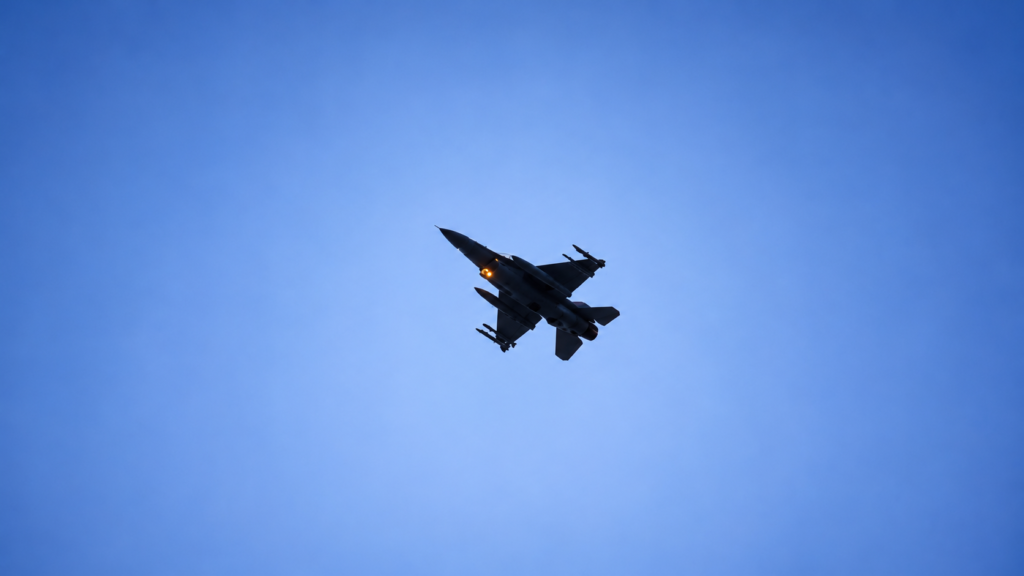
Nigeria’s military has reported that air operations in Borno State killed 21 suspected Islamic State West Africa Province, or ISWAP, fighters and injured ten others. The military’s announcement was reported by Channels Television.
The operations were reportedly conducted around Monguno and the South Lake Chad area under Operation Hadin Kai.
According to military accounts, the operations took place between 16 and 17 November following intelligence reports about insurgent movements.
The military said the strikes were part of continuing efforts to weaken insurgent formations and disrupt their activities in the Lake Chad region.
Borno remains one of the areas most affected by the insurgency that has troubled north-eastern Nigeria for more than a decade. The conflict has caused widespread displacement, damaged livelihoods and placed considerable pressure on local security structures.
The latest military announcement, however, must be distinguished from independently verified casualty figures. The reported deaths and injuries are figures provided by the military and have not been independently established in the material available for this report.
A separate security incident was also reported in Pubaku village in Askira-Uba, where five residents were reportedly killed and 11 people abducted.
That attack is a separate development and should not be confused with the reported military airstrikes.
Taken together, the reports underline the continuing difficulty of securing communities in Borno despite sustained military operations.
The effectiveness of counter-insurgency operations must ultimately be assessed not only by reported battlefield casualties but also by the ability to protect civilians, prevent attacks and restore normal life in affected communities.
STORY 5: KENYA’S MILK SHORTAGE DEEPENS AS DROUGHT AFFECTS DAIRY FARMERS
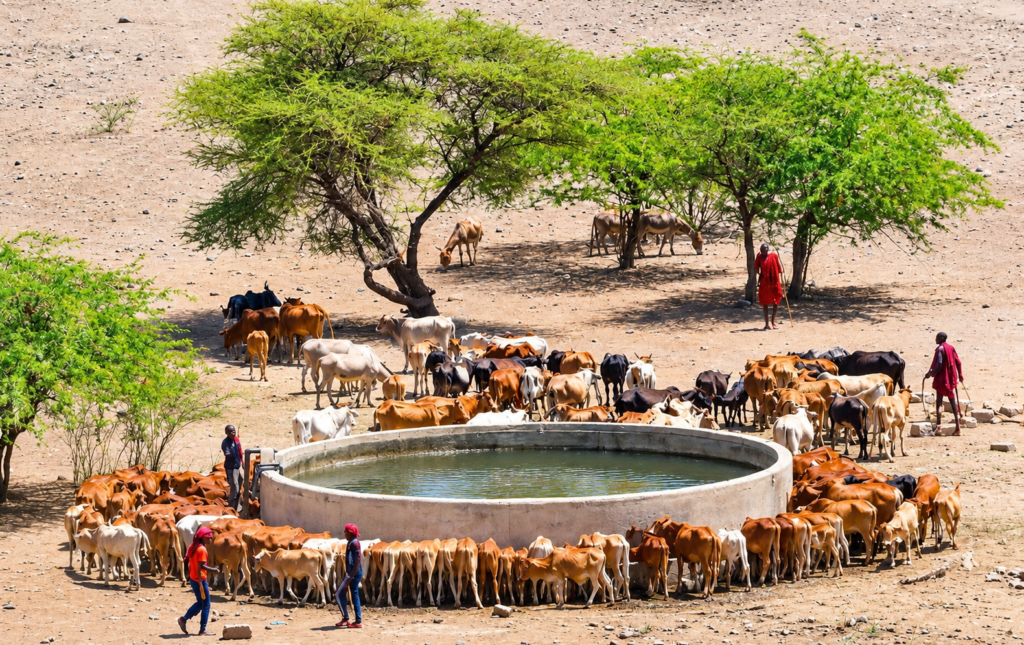
Kenya is facing growing pressure on its dairy sector as prolonged dry conditions reduce milk production, affect farmers’ incomes and contribute to supply challenges.
A report by Al Jazeera published on 19 November described the difficulties facing dairy farmers and cooperatives as dry conditions affected livestock production.
One farmer in Kajiado County reportedly said daily milk production had fallen from 120 litres to 50 litres.
The report also identified five women-led dairy cooperatives that experienced a 50 per cent decline in deliveries from their members during the dry period.
The reduction in production has implications for the wider dairy value chain. Farmers depend on milk sales for income, while cooperatives and processing companies rely on consistent supplies to maintain their operations.
When production falls, the consequences can extend to consumers through supply shortages and higher prices.
The Kenyan government was reported to be monitoring supply and prices while facilitating regional transfers of milk and dairy products.
The situation demonstrates the relationship between climate conditions, agricultural productivity and household livelihoods.
For small-scale farmers, prolonged dry conditions can increase the cost of maintaining livestock and reduce the quantity of milk available for sale. The impact can be particularly difficult for cooperatives whose members depend on regular dairy income.
Kenya’s experience also highlights the importance of climate resilience, reliable water supplies, livestock support and stronger agricultural systems.
The precise scale of the national shortage and its eventual effect on consumer prices require further official data.
STORY 6: KENYAN COURT FINDS TREASURY CABINET SECRETARY AND ATTORNEY-GENERAL GUILTY OF CONTEMPT
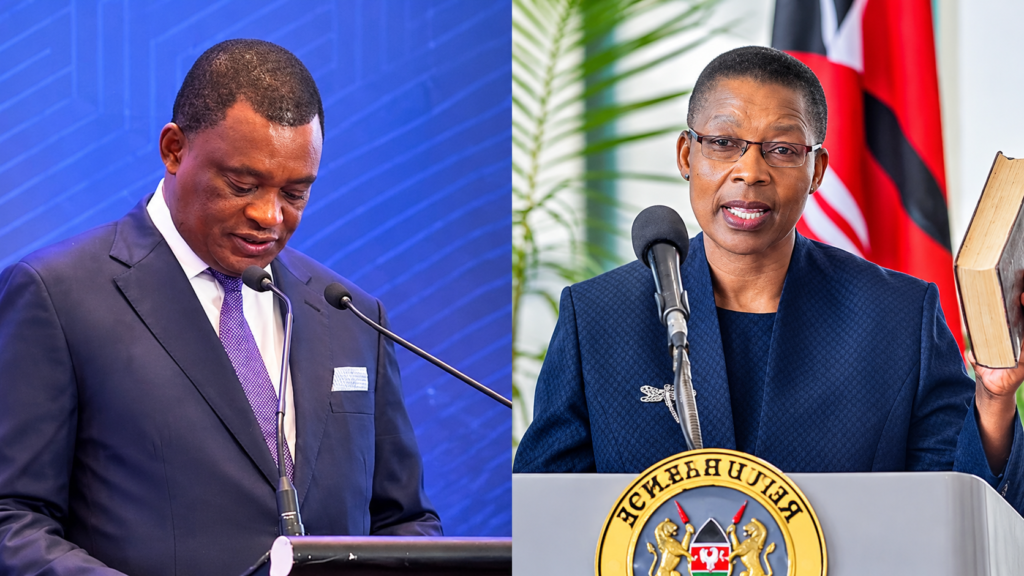
A Kenyan High Court has found Treasury Cabinet Secretary John Mbadi and Attorney-General Dorcas Oduor guilty of contempt of court in a dispute concerning the disclosure of sovereign bond agreements and the use of borrowed public funds.
The ruling was reported by The Star, which said the two officials had failed to comply with court orders requiring the disclosure of sovereign bond agreements and an account of how the borrowed money had been used.
High Court Judge Patricia Nyaundi directed the officials to appear in court on 27 November for sentencing.
The case places renewed attention on transparency in public borrowing and the responsibility of government institutions to comply with judicial decisions.
Sovereign bonds are debt instruments through which governments raise money from investors. They can provide financing for public expenditure and development projects, but they also create repayment obligations that may place pressure on national budgets.
For citizens, access to information about government borrowing is important because public debt affects national finances and can influence the resources available for essential services.
The court’s decision is therefore significant beyond the individuals involved. It raises questions about the relationship between public financial management, access to government information and the authority of the judiciary.
However, the contempt finding should not be misrepresented as proof that either official personally misappropriated public funds. The case concerns alleged non-compliance with court orders. Sentencing was still pending at the time of the report.
The next significant development is expected when the officials appear before the court on 27 November.
CONCLUSION: AFRICA FACES CONTINUING TESTS OF SECURITY, ACCOUNTABILITY AND RESILIENCE
The developments examined in this edition of Africa in Motion reflect the different pressures confronting African countries.
In the Horn of Africa, military movements between Ethiopia and Eritrea have revived concerns about regional conflict. In Senegal, a political rupture within the governing movement is testing the relationship between the presidency and the ruling party, while another migrant boat disaster highlights the human cost of dangerous Atlantic journeys.
In Nigeria, military operations against suspected insurgents continue alongside the challenge of protecting vulnerable communities. In Kenya, drought-related pressure on dairy production and a court ruling involving senior government officials have brought agricultural resilience and public accountability into focus.
These stories are not identical, and they do not share a single cause. But each demonstrates why effective institutions, transparent government, regional cooperation and the protection of citizens remain central to Africa’s development.
For Africa, the challenge is not simply responding to crises when they occur. It is building the political, economic and institutional capacity to prevent avoidable crises, protect livelihoods and deliver lasting results.
This is Africa in Motion — reporting the changes shaping Africa and its future.
About the Author