INTRODUCTION
Nigeria news today is shaped by important developments in national security, electoral politics, food affordability, electricity supply and the management of petroleum revenue. Between November 18 and the morning of November 19, 2026, decisions and announcements from the Federal Government, political parties and key public institutions raised questions about governance, economic stability and accountability.
President Bola Tinubu received the constitutional amendment bill seeking to establish state police after all 36 State Houses of Assembly approved the proposal. Meanwhile, the Federal Government announced plans to release stored grains and distribute three million bags of fertiliser as part of its response to food-price pressures.
The electricity sector also came under renewed scrutiny after national grid generation fell to approximately 3,180 megawatts. In the political arena, opposition parties exchanged allegations over intimidation and raised concerns about INEC’s planned mock accreditation exercise. Separately, the Central Bank of Nigeria and the Nigerian National Petroleum Company Limited signed an agreement aimed at improving oil-revenue management and foreign-exchange inflows.
These five developments reveal the policy choices confronting Nigeria and the questions citizens should ask about their implementation.
STORY 1: State Police in Nigeria — Tinubu Receives Constitutional Amendment Bill After Approval by All 36 States
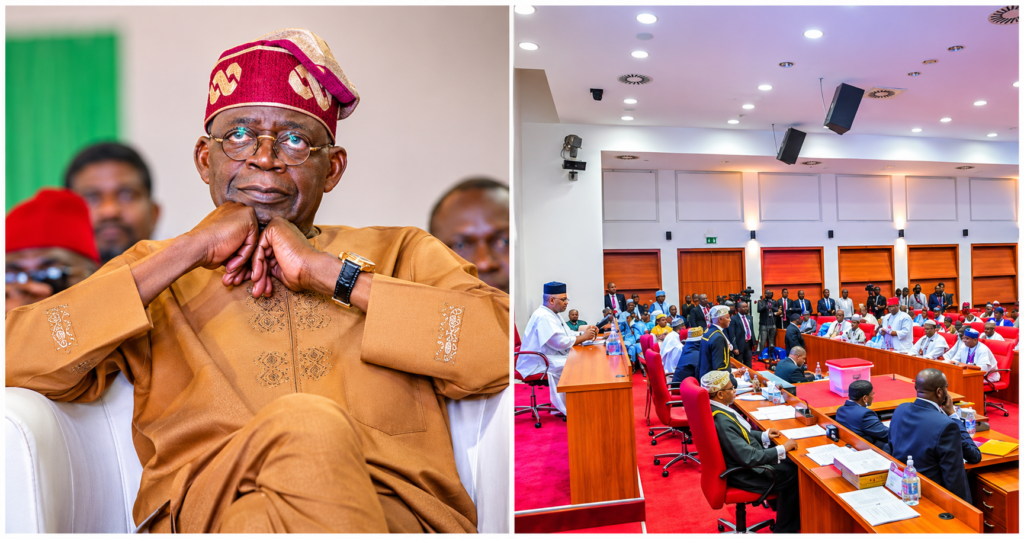
The proposed establishment of state police in Nigeria reached a significant constitutional milestone on November 18, 2026, when President Bola Tinubu received the constitutional amendment bill following its approval by all 36 State Houses of Assembly.
The President’s Chief of Staff, Femi Gbajabiamila, confirmed that the bill had been formally transmitted to the President by his Special Advisers on Senate and House of Representatives Matters, Senator Basheer Lado and Dr Wasiu Olanrewaju-Smart. Tinubu is expected to review the amendment in consultation with the Attorney-General of the Federation, Lateef Fagbemi. The development was reported by The PUNCH and Premium Times.
The approval by all 36 state legislatures exceeds the constitutional requirement of at least 24 states under Section 9(2) of the 1999 Constitution. The Senate had passed the proposal on June 24, while the House of Representatives approved it on July 23, 2026.
The proposal is intended to provide constitutional backing for a decentralised policing arrangement in which states can establish their own police services alongside the federal policing structure. Supporters argue that state police could improve local intelligence gathering, strengthen community security and make responses to local threats more effective.
However, the constitutional amendment is not the same as the complete establishment of operational state police services. A separate National Policing Bill is being developed to provide the legal and administrative framework for implementation. According to Gbajabiamila, the draft has been submitted to the Federal Ministry of Justice for legislative drafting validation.
This development is one of the major governance issues dominating Nigeria news today, as citizens await the legal framework that will determine how state police operate.
Important questions remain about funding, recruitment, training, command structures, human-rights protections and independent oversight. There are also concerns about possible political interference if state governors gain control over police institutions without adequate safeguards.
The success of state police will therefore depend not only on constitutional approval but also on the quality of the implementing laws and the strength of accountability mechanisms.
STORY 2: Nigeria Political Tensions — Campaign Violence Allegations and INEC’s Electoral Technology Dispute
Political tensions are becoming more visible ahead of Nigeria’s 2027 general elections, with opposition parties and the ruling All Progressives Congress exchanging allegations over intimidation and political violence.
The Nigeria Democratic Congress accused the APC of exporting what it described as a pattern of political intimidation associated with Lagos State to other parts of the country. The party also rejected allegations by APC Presidential Campaign Council spokesperson Dele Alake that opposition parties were recruiting thugs. The exchange was reported by The Guardian.
These are competing political claims and should not be treated as independently established facts without supporting evidence. Nevertheless, the accusations highlight the importance of political tolerance, security preparedness and the protection of citizens’ rights during the pre-election period.
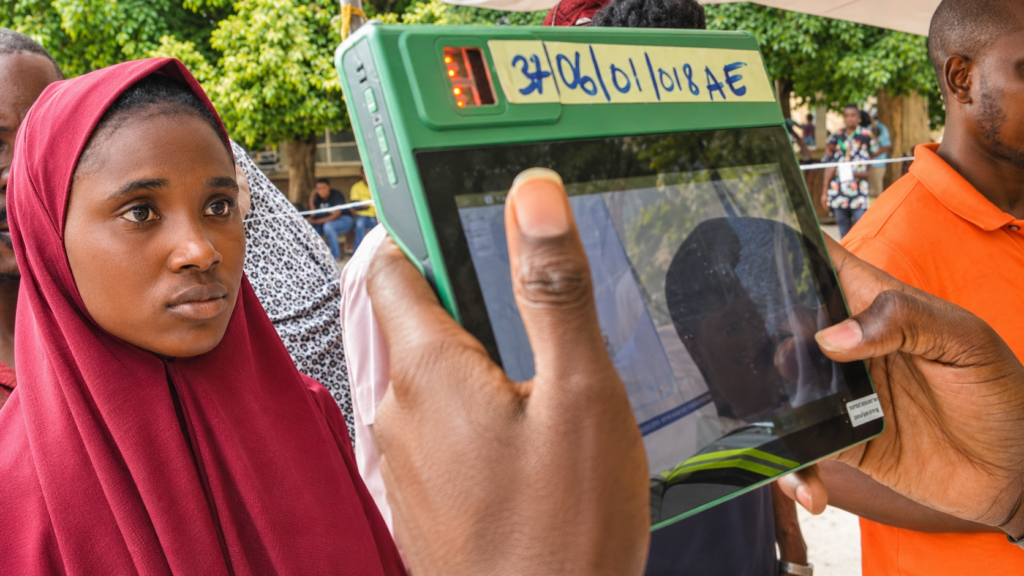
A separate disagreement emerged between the African Democratic Congress Presidential Campaign Council and the Independent National Electoral Commission over INEC’s planned nationwide mock accreditation and results collation exercise scheduled for November 28, 2026.
The ADC asked the commission to postpone the exercise, arguing that political parties had insufficient time to mobilise, train and submit their agents. The planned exercise is expected to cover all 774 local government areas and two polling units in each of the country’s 8,838 Registration Areas. The party’s concerns about the timetable were also reported by The PUNCH.
The disagreement also touches on public confidence in the Bimodal Voter Accreditation System and electronic results transmission. INEC’s mock exercise is intended to test its upgraded electoral technology ahead of the 2027 elections. The commission’s official announcements and electoral updates can be followed through the Independent National Electoral Commission.
Electoral transparency remains a central concern in Nigeria news today, particularly as political parties prepare for the 2027 general elections.
The commission faces an important responsibility: ensuring that political parties understand the process, have reasonable opportunities to participate and can independently assess the technology being tested. Transparent communication will be essential to building confidence.
For Nigeria’s democracy, the central issue is not simply whether political parties agree with INEC’s timetable. It is whether the electoral process is sufficiently transparent, inclusive and credible to command public trust.
STORY 3: Nigeria Food Prices — Government Plans Grain Release and Three Million Fertiliser Bags
Food affordability remains a major concern for Nigerian households as the Federal Government announces new measures intended to increase agricultural supply and moderate commodity prices.
On November 18, Minister of Agriculture and Food Security, Abubakar Kyari, announced plans to release grains purchased and stored under the Bank of Agriculture’s Guaranteed Minimum Price programme. The government also disclosed plans to distribute three million bags of fertiliser within the next month. The announcement was reported by The PUNCH.
The announcements were made during the presentation of the 2026 Wet Season Agricultural Performance Survey Report in Abuja. According to the government, releasing stored produce is intended to increase market supply, discourage excessive price increases and support food-market stability. Fertiliser distribution is expected to help reduce farmers’ production costs and encourage agricultural output. Further government information on agricultural and food-security interventions is available through the Federal Ministry of Information and National Orientation.
Food affordability continues to feature prominently in Nigeria news today because millions of households are still concerned about the cost of essential food items.
The intervention addresses two connected problems. When agricultural inputs become expensive or difficult to obtain, farmers may reduce production or pass higher costs on to consumers. At the same time, inadequate market supply can place additional pressure on food prices, particularly for households with limited purchasing power.
However, the announcement must be followed by measurable implementation. The government needs to clarify the quantity and type of grains to be released, the distribution timetable, the markets and communities to be covered, and the mechanisms for preventing diversion.
The fertiliser programme also requires transparent beneficiary selection. Smallholder farmers, who contribute significantly to domestic food production, need access to the inputs at the right time and at affordable terms.
Ultimately, the success of these interventions should be measured by their impact on food availability, farm productivity and the prices consumers actually pay in markets across the country. Announcing the release of grains and fertiliser distribution is an important first step, but delivery and accessibility will determine the outcome.
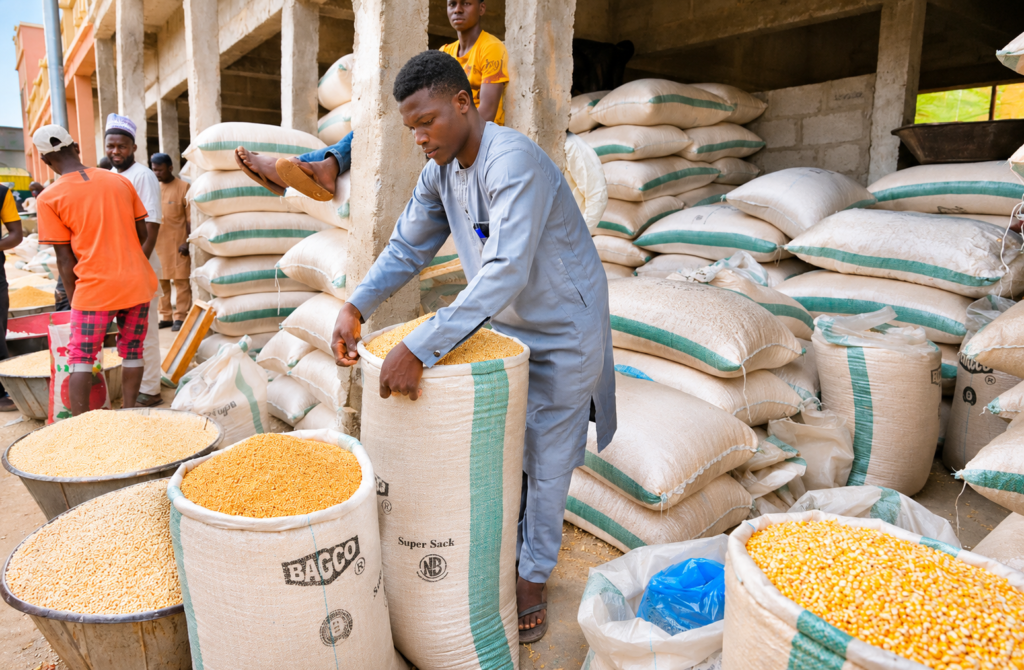
STORY 4: Nigeria Electricity Crisis — Grid Generation Falls to 3,180MW as Lawmakers Examine Tariff Complaints
Nigeria’s electricity challenges returned to the spotlight on November 19 after power generation on the national grid fell to approximately 3,180 megawatts, raising fresh concerns about the ability of distribution companies to provide reliable electricity.
A report by The Guardian indicated that generation declined from approximately 3,743MW around midnight to 3,732MW at 2 a.m., before dropping sharply to about 3,179MW by 6 a.m. The report also put the combined allocation to the country’s 11 distribution companies at 2,885MW.
The figures illustrate the pressure facing the electricity supply chain, although electricity allocated to distribution companies is not necessarily the same as the amount ultimately delivered to households and businesses. Actual supply also depends on transmission capacity, distribution infrastructure and operational conditions.
The challenges have consequences beyond domestic inconvenience. Businesses that depend on generators face additional operating costs, while households must manage the financial burden of alternative power sources. Unreliable electricity can also affect manufacturing, healthcare, education and the delivery of essential services.
The political and regulatory debate has increasingly focused on whether electricity consumers receive the service levels promised under the Service-Based Tariff System. Complaints about distribution companies failing to meet minimum supply-hour commitments have raised questions about enforcement and consumer protection.
The electricity situation remains an important part of Nigeria news today, with consumers demanding reliable power supply in return for the tariffs they pay.
The House of Representatives has also been examining concerns surrounding the electricity sector and tariff arrangements. Lawmakers deferred a motion concerning the Service-Based Tariff System while awaiting a reform panel’s report, according to The PUNCH.
The performance of distribution companies, the condition of transmission infrastructure and the availability of gas for generation remain important areas requiring scrutiny.
For consumers, the central question is straightforward: are electricity charges and tariffs matched by the quality and reliability of supply? Any reform of the power sector must produce improvements that households and businesses can actually experience.
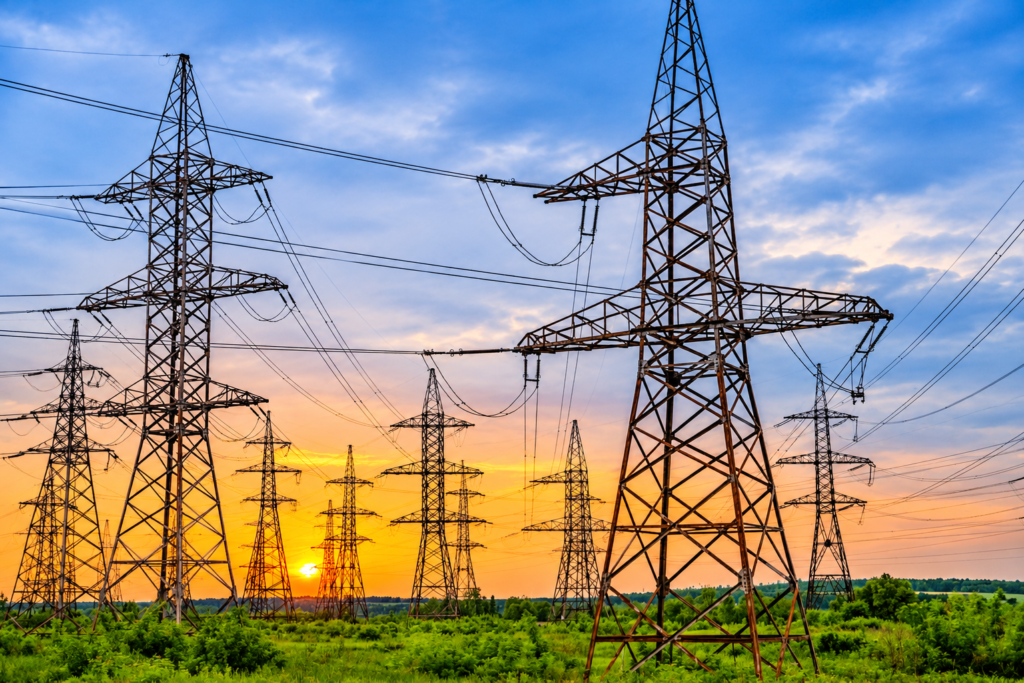
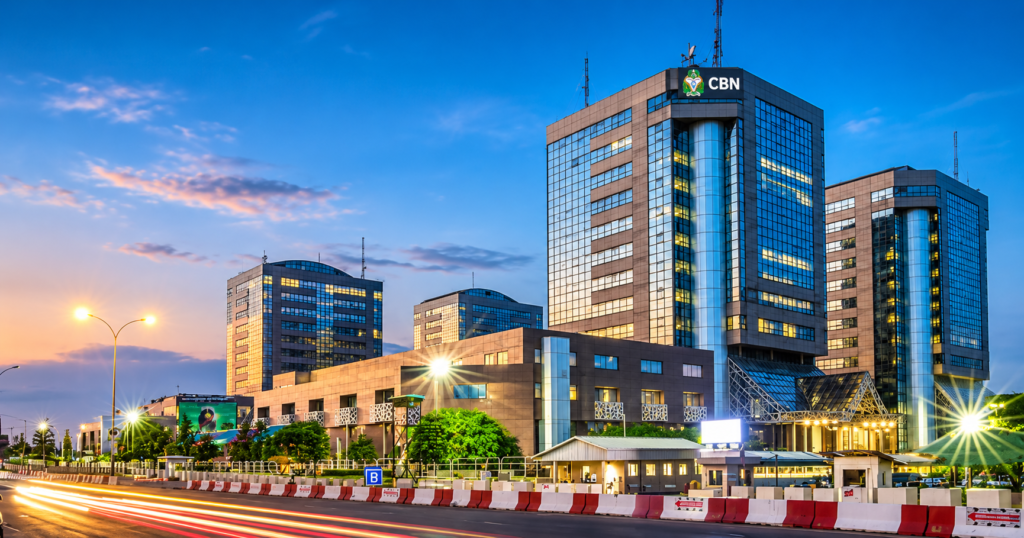
STORY 5: CBN and NNPCL Agreement — Nigeria Seeks Better Oil Revenue Management and Foreign-Exchange Inflows
The Central Bank of Nigeria and the Nigerian National Petroleum Company Limited have signed a Memorandum of Understanding aimed at strengthening cooperation between the country’s monetary and petroleum institutions.
The agreement was signed on November 18 at the CBN headquarters in Abuja by CBN Governor Olayemi Cardoso and NNPCL Group Chief Executive Officer Bayo Ojulari. It provides a more structured framework for cooperation on oil and gas revenue management, foreign-exchange operations, energy financing, payment systems and risk management. The development was reported by The Guardian.
Cardoso said the partnership would support the timely and transparent settlement of oil and gas proceeds into the Federation Account and other designated government accounts. He also highlighted the importance of predictable petroleum revenue and foreign-exchange inflows to Nigeria’s economic and monetary stability.
The agreement is significant because petroleum exports remain an important source of government revenue and foreign exchange for Nigeria. Weak revenue collection, delayed remittances or inefficiencies in the handling of export proceeds can affect public finances and the country’s external position.
The institutions also intend to strengthen cooperation on hydrocarbon asset monetisation, payment automation, cybersecurity and regulatory alignment. The framework is expected to provide a basis for attracting financing for energy projects and improving coordination between the two organisations. Further information on the agreement and the petroleum company’s activities can be found through NNPC Limited.
The partnership adds another important economic dimension to Nigeria news today, particularly regarding petroleum revenue, foreign exchange and financial stability.
However, signing an agreement does not automatically guarantee increased oil production, stronger foreign-exchange reserves or improved revenue performance. Those outcomes will depend on implementation, transparency, operational efficiency and the ability of the petroleum sector to generate and remit earnings.
The public interest will therefore lie in measurable results: whether petroleum proceeds are accounted for more transparently, whether foreign-exchange inflows improve, and whether the agreement supports stronger investment and productivity in the energy sector.
CONCLUSION
The major developments in Nigeria news today point to a common national challenge: translating government decisions, legislative approvals and institutional agreements into results that citizens can see and experience.
The proposed state police system has moved closer to constitutional approval, but its effectiveness will depend on legislation, safeguards and accountability. Political parties and INEC must also work towards an electoral environment in which transparency and public confidence are protected.
In the economy, the planned release of grains and distribution of fertiliser will need effective implementation to make food more affordable. The electricity sector must address the gap between tariffs and actual service delivery, while the CBN-NNPCL agreement must demonstrate measurable improvements in revenue management and foreign-exchange inflows.
Across all five stories, the central question remains accountability: what has been approved, what has been promised, what has actually been delivered, and who will answer for the results?
For Nigerians, these are not merely government announcements. They are decisions with direct implications for security, democracy, household finances, businesses and the country’s economic future.
About the Author