Introduction
This Africa news review from DSG Herald News examines four developments reported during the 20–21 October 2026 reporting period, each raising important questions about responsibility, institutional preparedness and the implementation of official decisions.
In the disputed Abyei region, a drone strike at Amiet Market was reported to have killed at least 153 people, although the final death toll and responsibility for the attack remain unresolved. In Nigeria, authorities confirmed a case of Ebola Bundibugyo virus disease in Abuja and reported identifying 44 contacts for monitoring. Libya’s eastern-based parliament approved a maritime memorandum with Turkey, prompting objections from Greece. Meanwhile, The Gambia Reparations Commission reported receiving more than US$2.57 million from the sale of a property associated with former president Yahya Jammeh, with the money intended for victims’ reparations.
These stories concern different countries and challenges. They do not establish a single continental trend. Their significance lies in the questions that follow each development: what can be verified, what remains uncertain, and what must happen before an announcement becomes a demonstrable outcome?
From civilian protection and public-health surveillance to diplomacy and reparations, the developments offer a closer look at the responsibilities facing governments and institutions across Africa.
Main daily Africa news report:
Story 1: Abyei drone strike: At least 153 reported killed at Amiet Market
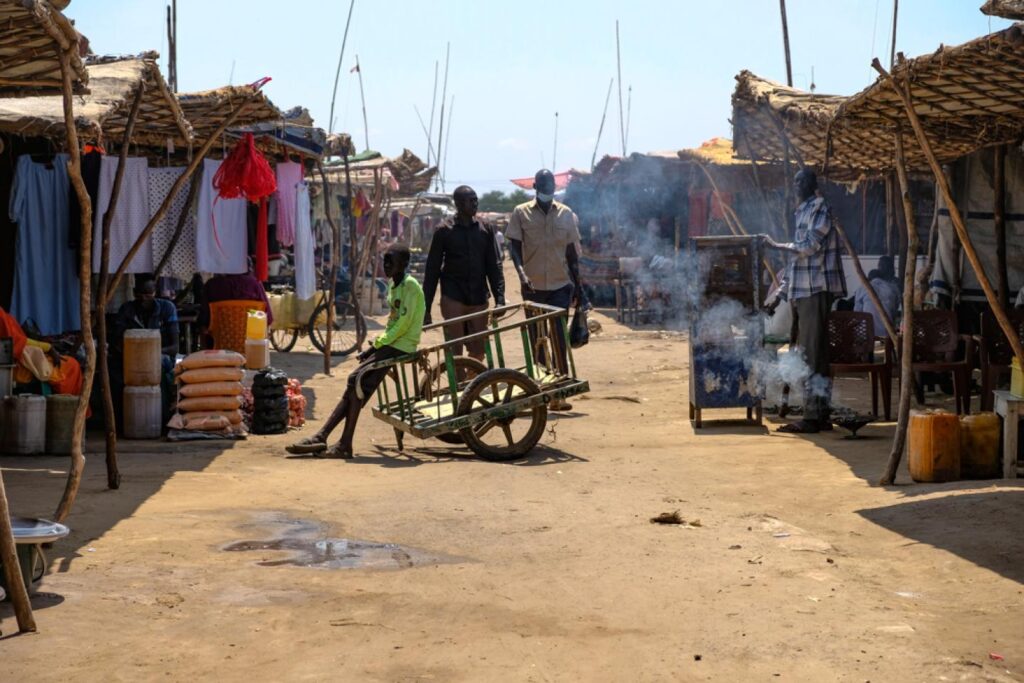
At least 153 people were reportedly killed in a drone strike at Amiet Market in the disputed Abyei region, according to a local official cited in reports published on Tuesday, 20 October 2026. The attack itself reportedly occurred on Monday, 19 October.
Subsequent reports described a rising death toll following a strike and fire affecting the market area. The reported scale of the loss of life has raised serious concerns about civilian protection. However, the final number of people killed and the circumstances surrounding the attack remain unresolved.
Abyei lies between Sudan and South Sudan, and its political status remains disputed. The area has experienced recurring insecurity. Amiet Market serves communities in and around the region, providing a place for traders and customers to meet and for people to earn a living through everyday commerce.
An attack on a market can have consequences beyond the immediate casualties. Families may lose relatives and sources of income, while traders and surrounding communities may face damaged businesses and disruption to local commercial activity. The full extent of these effects following the reported strike has not been established in the material available for this edition.
The United Nations Interim Security Force for Abyei (UNISFA) has previously reported deadly violence in the same market area. That earlier incident occurred in September and provides context for the region’s security challenges. It is important, however, to distinguish that incident from the drone strike reported on 19 October.
Responsibility for the attack remains disputed
Abyei and South Sudanese officials blamed Sudan’s military. The Associated Press, however, reported a different account from a senior Sudanese military officer, who described a strike targeting fuel tankers believed to be supplying the paramilitary Rapid Support Forces.
That account presents a claimed military rationale. It does not independently establish the precise target, the full circumstances of the attack or whether the operation complied with international humanitarian law.
The distinction matters. A stated military objective does not, by itself, establish whether sufficient precautions were taken to protect civilians or whether the harm caused was lawful. Assessing those questions requires reliable evidence about the intended target, the weapon used, the location and sequence of events, the presence of civilians and the decisions made before the strike.
Reports also cited medical treatment for wounded people at Ameth Bek Hospital, alongside assistance from humanitarian and peacekeeping personnel. However, the full number of injured people, the extent of property damage and the longer-term effect on livelihoods remain unclear.
The immediate priorities are to support affected people, establish the facts and pursue credible accountability where the evidence warrants it.
Further verified casualty updates, responses from the relevant authorities, any formal investigation and assessments from humanitarian organisations will be important in clarifying what happened and what assistance survivors need.
For now, the reported death toll is grave. Responsible reporting must nevertheless distinguish among figures provided by officials, allegations about responsibility and findings established through independent investigation.
The Abyei drone strike remains a major civilian-protection concern, but the questions surrounding the attack cannot be treated as resolved until credible evidence provides clearer answers.
Story 2: Nigeria Ebola case: One confirmed infection puts contact tracing in focus
Nigeria confirmed one case of Ebola Bundibugyo virus disease in Abuja on 20 October 2026, prompting public-health authorities to investigate possible exposures and monitor people who may have come into contact with the patient. The World Health Organization’s Regional Office for Africa published its account of the case.
According to the World Health Organization’s Regional Office for Africa, the patient is a woman with a recent travel history involving Uganda. Nigerian authorities reported that 44 contacts had been identified for monitoring. At the time of the announcement, the patient was in isolation and receiving medical care.
The reported timeline is central to the investigation. According to the WHO account, the patient’s symptoms began on 7 October. She sought medical care at a private health facility in Abuja on 11 October, and laboratory confirmation followed on 20 October.
These dates help investigators reconstruct the period during which possible exposures may have occurred and determine who needs to be contacted and monitored.
The patient’s travel history involved the Democratic Republic of the Congo and Uganda. However, the location where she acquired the infection had not been established in the reporting available for this edition. Ugandan authorities indicated that passing through their country does not prove that infection occurred there.
Travel history is relevant to an epidemiological investigation, but it is not sufficient evidence to identify the source of an infection. That question must remain open until investigators have stronger evidence.
What identifying 44 contacts means
Contact tracing is an important part of responding to a confirmed infectious disease case. It involves identifying people who may have been exposed, assessing their circumstances and monitoring them according to public-health guidance.
Identifying 44 contacts is an important initial step. It does not mean every possible contact has been reached or that monitoring is complete. Authorities must establish who may have been exposed, maintain appropriate infection-prevention measures and communicate confirmed developments clearly.
The regional context also matters. The WHO report described a wider outbreak of Ebola Bundibugyo virus disease in the Democratic Republic of the Congo. Nigeria had previously announced heightened preparedness. Confirmation of a case therefore represents a change from that earlier position.
An equally important distinction is that one confirmed case does not establish widespread transmission in Nigeria. The extent of any further exposure must be determined through surveillance, clinical assessment and contact tracing, rather than speculation.
Public communication must balance transparency with care. People need accurate information that helps them cooperate with health authorities without creating unnecessary alarm or stigmatising individuals because of their travel history. The patient’s privacy and the confidentiality of identified contacts must also be protected.
The next important updates should come from Nigeria’s public-health authorities and the World Health Organization. These should clarify how many of the 44 contacts have been reached and monitored, whether additional cases have been detected and whether investigators have identified a likely location of exposure.
Coordination with health authorities in other countries will also be important where the verified travel and exposure history requires it.
The central issue is no longer simply whether Nigeria has confirmed a case. It is whether surveillance, clinical care, contact tracing and cross-border information-sharing can establish the extent of possible exposure and prevent further transmission.
The evidence from these activities will be more informative than speculation about where the infection originated or how far it may have spread.

Story 3: Libya approves Turkey maritime deal as Greece objects
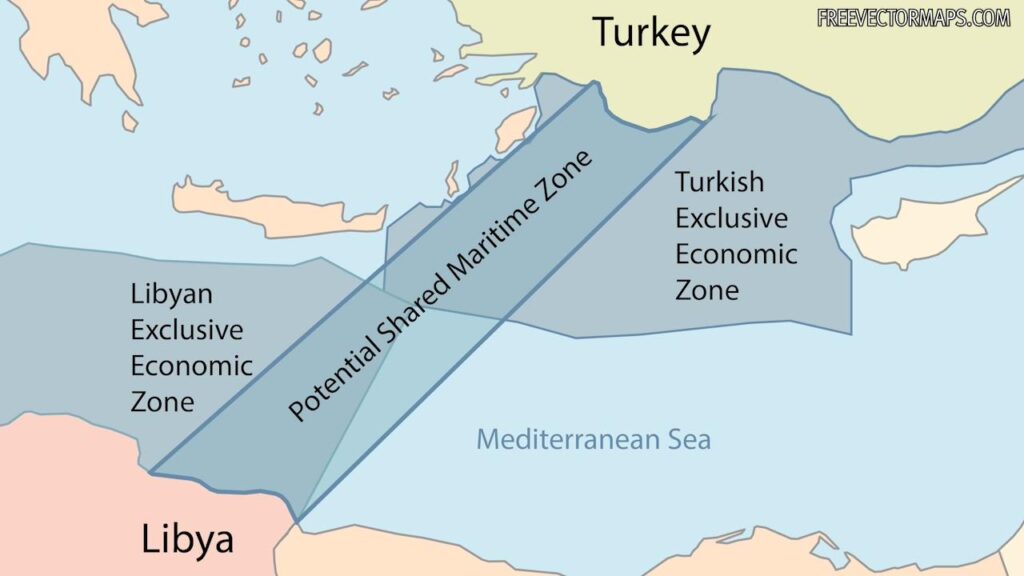
Libya’s eastern-based House of Representatives has approved a maritime memorandum with Turkey, reviving a dispute over competing maritime claims in the eastern Mediterranean, according to Reuters reporting on the parliamentary decision.
The approval was reported on 20 October 2026. The memorandum itself dates back to 2019, when it was signed by Turkey and Libya’s then Tripoli-based Government of National Accord.
The latest decision marks a change in position by Libya’s eastern parliament, which rejected the agreement in 2020, according to the reporting supplied for this edition. Its significance, however, needs to be understood in the context of Libya’s continuing political divisions.
The eastern-based House of Representatives and the authorities in western Libya have not always taken the same positions on national and international questions. Approval by the eastern parliament does not, by itself, establish that Libya’s broader political divisions have been resolved or that every relevant institution now supports the agreement.
Why the maritime memorandum matters
Maritime boundaries can affect claims to jurisdiction and potential rights to explore energy resources. This helps explain why an agreement involving Libya and Turkey has attracted attention beyond the two countries.
Greece condemned the latest approval, arguing that the agreement infringes on the maritime rights of other states and conflicts with international law. Turkey welcomed the move. Egypt and Cyprus have also been reported as opposing aspects of the arrangement because of competing maritime claims.
These are competing political and legal positions. They should not be presented as though the dispute has already been conclusively settled by a court.
Understanding the practical meaning of the parliamentary decision requires examination of the original 2019 memorandum, the precise wording of the new parliamentary decision and the legal status of earlier decisions. Independent analysis of the relevant law of the sea would also be needed to assess the agreement’s legal implications.
The vote may affect diplomatic engagement between Libya’s eastern authorities and Turkey. Its practical consequences, however, remain uncertain.
Parliamentary approval alone does not establish that new exploration activity will begin, that investment will follow or that revenue will be generated. Nor does it prove that competing maritime claims have been resolved.
For Libya, the development illustrates how divisions within national institutions can influence international relationships. For the wider eastern Mediterranean, it adds another decision to a contested diplomatic environment in which governments seek to defend their maritime interests and interpret overlapping claims differently.
The next questions are specific. What is the legal effect of the eastern parliament’s decision? How will the Tripoli-based authorities respond? Will the approval lead to any confirmed implementation steps beyond the parliamentary vote?
The answers will help determine whether the development remains primarily a political signal or produces practical changes in Libya’s relationship with Turkey and other countries in the region.
For now, the approval is consequential, but its longer-term significance will depend on the relevant legal documents, the responses of the parties concerned and evidence of what happens next.
Story 4: The Gambia reparations fund receives US$2.57 million linked to Jammeh-era victims
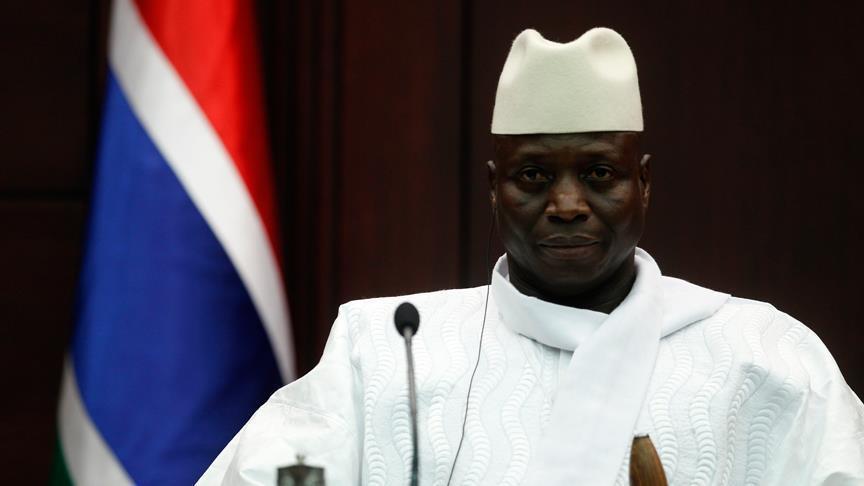
The Gambia Reparations Commission has reported receiving US$2,573,414.10 from the sale of a property in Potomac, Maryland, associated with former president Yahya Jammeh, as reported by the Associated Press. The receipt was announced on 20 October 2026, and the funds are intended to support reparations for victims of abuses committed during Jammeh’s rule.
The reported receipt is an important financial step in the reparations process. It does not, by itself, mean individual victims have received compensation.
The property was the subject of civil forfeiture proceedings in the United States. According to the Associated Press, the US Department of State secured forfeiture in 2022 after filing a complaint alleging that the property had been purchased with proceeds of corruption. Those allegations must be understood within the scope of the relevant legal proceedings rather than treated as proof of every claim concerning Jammeh’s assets.
The reported transfer follows an earlier agreement between The Gambia and the United States. But a discrepancy between the published figures requires clarification.
Why do the two reported amounts differ?
A Gambian government news-agency report published on 24 September cited US$2,507,911.73 as the amount covered by the agreement. The figure later reported as received by the Reparations Commission is US$2,573,414.10.
The difference is US$65,502.37.
The available sources do not explain why the figures differ. It would therefore be premature to assume that the difference represents fees, an accounting adjustment or any other particular transaction. An official reconciliation of the amounts is needed.
The destination of the money is another important detail. The Associated Press reported that the funds had been deposited into the Reparations Fund account at the Central Bank of The Gambia. This establishes a reported transfer into a designated fund. It does not establish that payments to eligible victims have been completed or have begun.
The next stage depends on the commission’s mandate, its eligibility rules, how funds will be allocated, the process for distributing payments and the arrangements for financial oversight.
For victims and survivors, the value of reparations is measured not only by the amount recovered but also by whether compensation reaches eligible people fairly and transparently.
A credible process requires clear eligibility criteria, accessible procedures, reliable financial records and public information about the progress of payments. Victims also need appropriate ways to understand the process and raise concerns.
The case illustrates the difference between recovering assets abroad and delivering justice at home. International cooperation can help return funds associated with legal proceedings. But accountability does not end when the money arrives. The public must still be able to establish how it is managed, who qualifies for assistance and whether the intended beneficiaries actually receive payments.
Three immediate priorities deserve attention.
First, an official explanation of the difference between the two reported amounts. Second, publication of the reparations fund’s disbursement framework and relevant financial records. Third, verifiable evidence showing whether payments to eligible victims have begun.
Until those details are available, the most accurate conclusion is that the reported receipt is an important step in the reparations process, while the delivery of compensation remains a separate question.
The headline figure matters. The ultimate measure of success will be whether the process delivers fair, transparent and verifiable support to the people it is intended to serve.
Conclusion
This Africa news review has examined four developments whose outcomes remain partly unresolved. In Abyei, the reported civilian death toll demands continued verification, clarity about responsibility and attention to the needs of survivors. In Nigeria, the confirmed Ebola Bundibugyo virus disease case places contact tracing, clinical care and public-health communication at the centre of the response.
In Libya, the eastern parliament’s approval of the maritime memorandum with Turkey has renewed diplomatic and legal questions, but the practical consequences remain uncertain. In The Gambia, the reported receipt of funds intended for victims’ reparations is a financial milestone, not proof that compensation has reached beneficiaries.
These stories do not establish a single continental trend. They demonstrate why consequential developments must be assessed on their own evidence and outcomes.
For Africa in Motion, the task is to establish what has changed, explain why it matters and continue examining the questions that remain unanswered. Verified information, transparent implementation and credible accountability will be essential to understanding how each story develops.
Africa in Motion — Reporting the Changes Shaping Africa and Its Future.
About the Author