INTRODUCTION
Africa News Today: ISWAP, Guinea-Bissau, Ebola and Nigeria’s Economy
Africa News Today examines the major political, security, public-health and economic developments shaping the continent, from the growing technological capabilities of insurgent groups to democratic uncertainty in West Africa, humanitarian challenges in Central Africa and mounting pressures on Nigerian businesses.
In Guinea-Bissau, military authorities have postponed elections until 2028, extending the country’s transition away from civilian rule. In the Democratic Republic of Congo (DRC), the Ebola outbreak is creating wider humanitarian concerns, including increased vulnerability among women and girls. Meanwhile, a new security report has highlighted how Islamic State West Africa Province (ISWAP) is adapting commercial technology for insurgency operations.
Nigeria also faces important economic questions. Delays at Lekki Deep Sea Port are reportedly trapping exporters’ funds in unshipped cargo, while movements in the foreign-exchange market and rising Treasury-bill yields are raising concerns about the cost of doing business.
Across the continent, these developments reveal the connections between political stability, institutional accountability, security, economic competitiveness and human welfare.
Here are ten major developments shaping Africa.
STORY 1: ISWAP’s Expanding Drone Capabilities Raise New Security Concerns for Nigeria
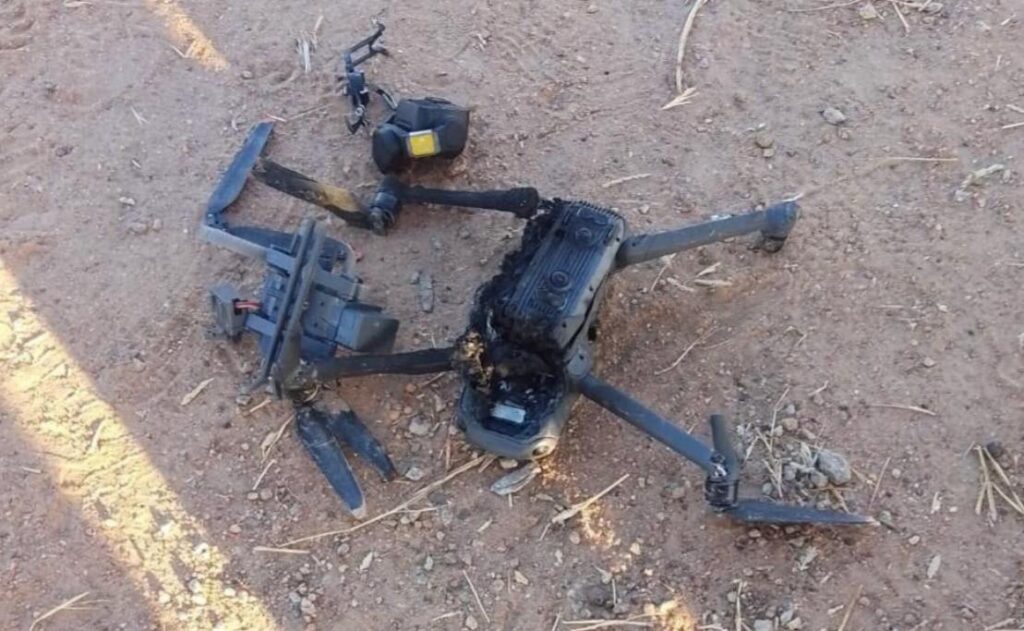
A new investigation into the operations of Islamic State West Africa Province (ISWAP) has raised concerns about the growing use of commercial technology, international supply networks and financial channels to sustain insurgency operations in the Lake Chad Basin.
The Institute for Security Studies (ISS) investigation, as reported by Africanews, examines how the armed group has adapted commercially available drones, satellite communications and other technologies for surveillance, propaganda and offensive operations.
The investigation also identifies supply and financing connections extending beyond Nigeria, including reported links involving Lagos, Kano and Dubai.
The findings point to an increasingly complex security environment in which insurgent groups are not relying exclusively on conventional weapons and battlefield tactics. Access to commercial technology and international supply networks can provide additional capabilities that complicate the work of security agencies.
For Nigeria, the implications extend beyond the military campaign in the North-East. They raise questions about intelligence gathering, border controls, financial monitoring, technology regulation and the ability of security agencies to identify the movement of equipment that may have legitimate commercial uses.
The findings also have implications for countries around Lake Chad, where security threats cross national boundaries.
Nigeria’s counterterrorism strategy must therefore consider not only the physical presence of armed groups but also the networks, financing arrangements and technologies that support their operations.
The ISS report provides an important basis for examining how insurgency is evolving and whether existing security policies are adequately responding to the changing threat.
Why it matters: Nigeria’s security challenge is increasingly technological and transnational. Understanding how armed groups acquire and adapt technology is essential to developing effective responses.
STORY 2: Guinea-Bissau Postpones Elections Until 2028, Extending Military Transition
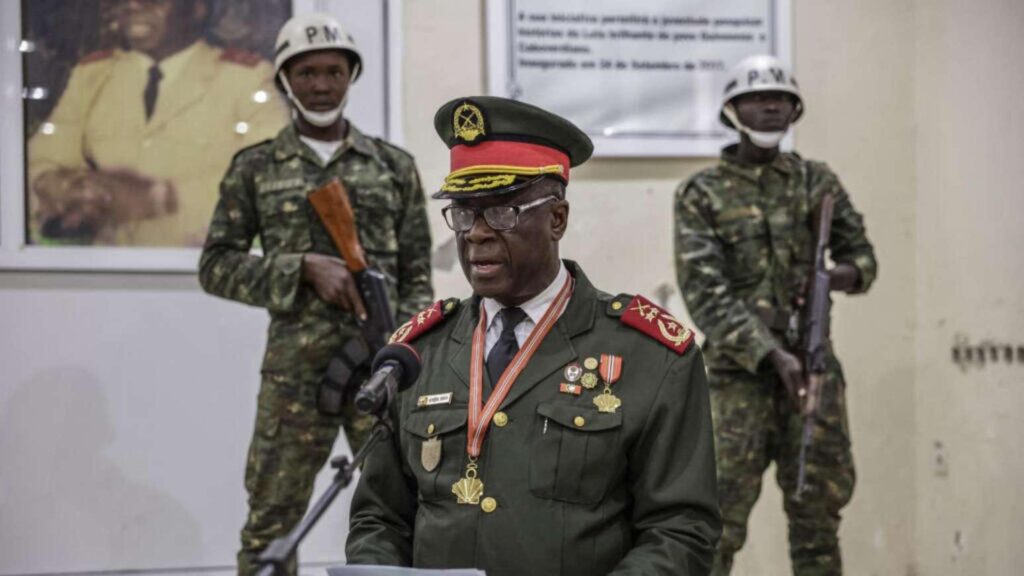
Guinea-Bissau’s military authorities have postponed presidential and parliamentary elections until 26 November 2028, extending the country’s military-led transition following the coup of November 2025.
The announcement was made by transitional President General Horta N’Tam. The authorities reportedly cited inadequate technical, material and financial conditions for organising credible elections.
According to Africanews’ report on the election postponement, the elections had previously been scheduled for December 2026. The new timetable means the military administration will remain in control for considerably longer than originally anticipated.
The development comes amid continuing concerns about democratic governance in West Africa, where military takeovers and delayed transitions have challenged the political authority of regional institutions.
The postponement raises important questions about the conditions under which the military intends to restore civilian government, the participation of political parties and the independence of electoral institutions.
For the Economic Community of West African States (ECOWAS) and the African Union, the decision presents another test of their ability to encourage constitutional governance and credible political transitions.
The military authorities’ explanation should be examined alongside the practical preparations being made for elections. A credible transition requires more than the announcement of a future voting date. It also requires transparent arrangements, independent institutions, political participation and public confidence.
Why it matters: The extension of military rule in Guinea-Bissau raises concerns about democratic accountability and the future of constitutional governance in West Africa.
STORY 3: Ebola Outbreak in DR Congo Raises New Concerns Over Women’s Safety
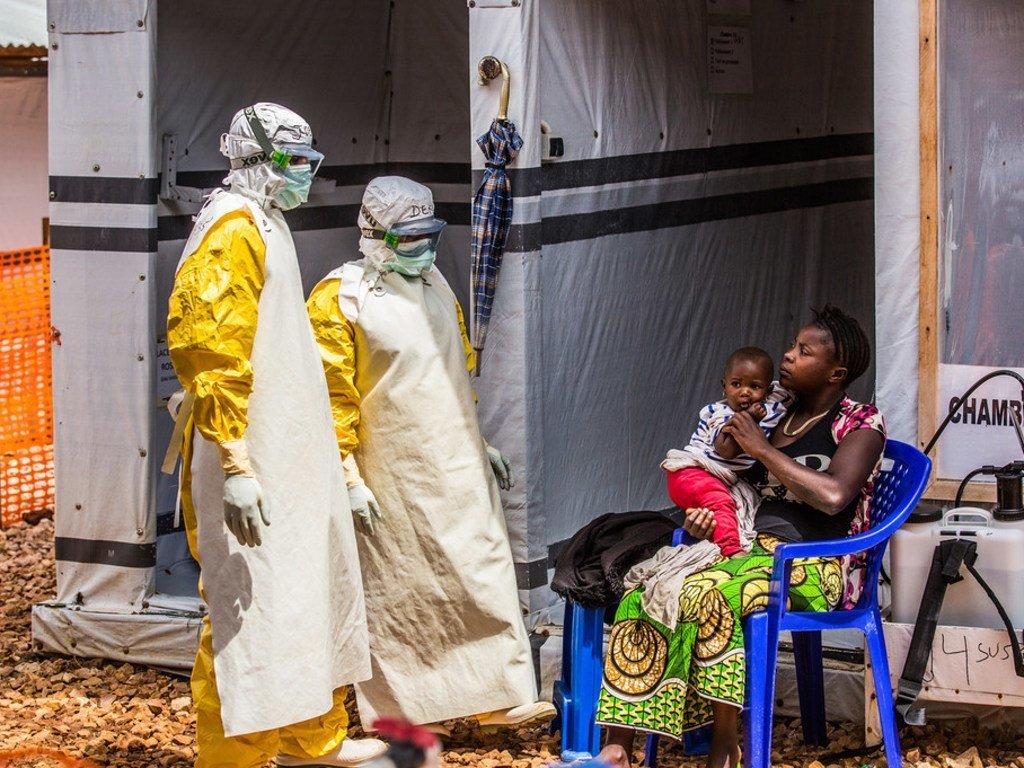
The Ebola outbreak in eastern Democratic Republic of Congo is creating humanitarian consequences beyond the immediate threat of infection, with reports highlighting increased vulnerability among women and girls.
UNICEF’s concerns, reported by Africanews, indicate that the outbreak is worsening conditions for women and girls in affected communities. Restrictions on movement, disrupted livelihoods and reduced access to healthcare are among the factors contributing to the problem.
Small-scale traders and women who depend on daily economic activities are particularly exposed when public-health emergencies disrupt markets and community movement.
Fear of infection can also discourage people from seeking medical care and other essential services, increasing the vulnerability of already disadvantaged populations.
The situation illustrates how disease outbreaks can deepen existing social and economic inequalities. Public-health emergencies do not affect everyone equally. Women, children, displaced families and people with limited access to healthcare often face additional risks.
The response to Ebola must therefore extend beyond medical treatment, testing and disease surveillance. It must also include protection services, community education, safe access to healthcare and support for affected livelihoods.
For African governments and humanitarian organisations, the experience in eastern Congo offers important lessons about integrating public-health interventions with social protection.
Why it matters: The wider effects of Ebola demonstrate why disease-control programmes must address the social and economic conditions that determine whether vulnerable communities can remain safe.
STORY 4: Kenya Court Halts US-Backed Ebola Facility Over Constitutional Concerns
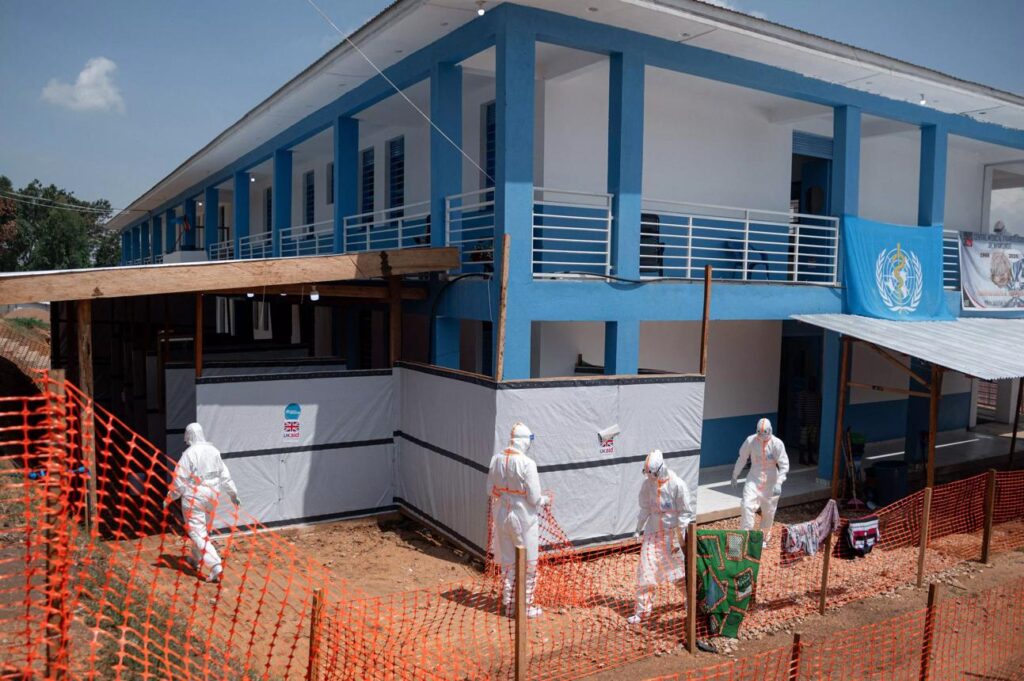
Kenya’s High Court has ruled that the government’s handling of a proposed US-backed Ebola quarantine facility violated constitutional requirements, particularly those relating to public participation and disclosure.
The facility, located at Laikipia Air Base near Nanyuki, was planned as a 50-bed centre. The court ordered a halt to further construction and operations pending the disclosure of important project documents.
These include the agreement with the United States, relevant safety assessments, approvals and patient-management protocols.
The Africanews report on the Kenyan court ruling has brought renewed attention to the relationship between international health-security partnerships and national constitutional obligations.
Foreign assistance can provide valuable resources, technical expertise and infrastructure. However, governments remain responsible for ensuring that major public projects comply with domestic laws and respect the rights of affected communities.
The case also highlights the importance of transparency in projects involving international partners, particularly when public health, security infrastructure and national sovereignty intersect.
The court’s ruling should not be interpreted as proof that the proposed facility presents an Ebola transmission risk. Its central concern, as reported, relates to constitutional compliance, public participation and disclosure.
Why it matters: The decision offers a significant example of judicial oversight of foreign-backed projects and the importance of accountability in public-health infrastructure.
STORY 5: Egypt Fuel-Truck Fire Leaves at Least 31 Dead
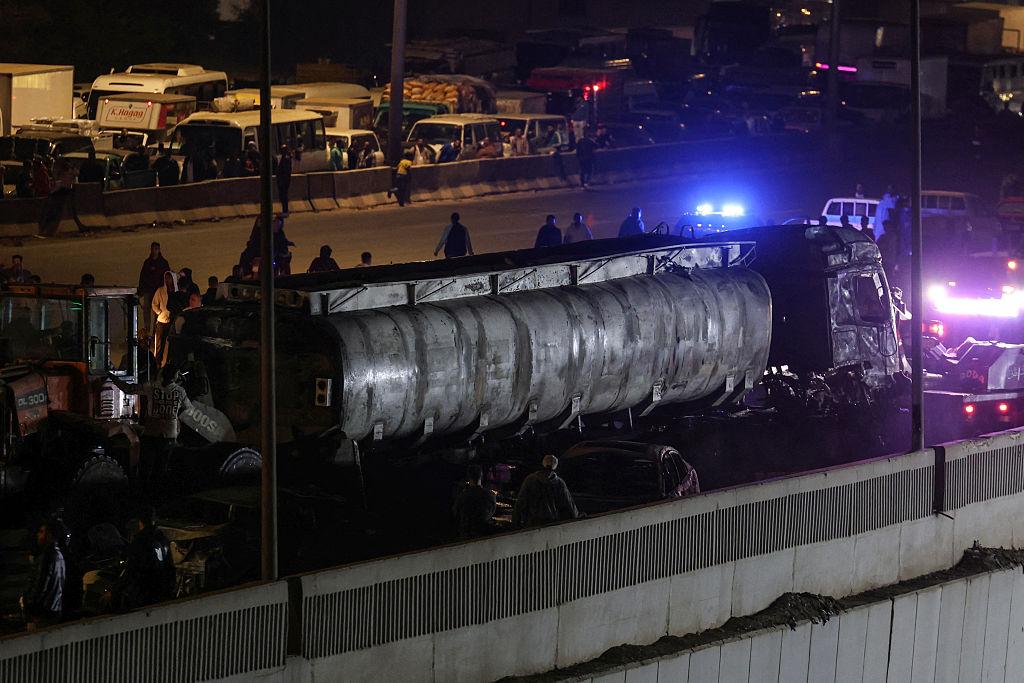
A devastating fire involving a fuel truck on Cairo’s Ring Road in Egypt has reportedly killed at least 31 people, making it one of the major road-safety tragedies highlighted in the latest African news cycle.
The Africanews report, drawing on information from Egyptian authorities and news agencies, describes the emergency response as authorities worked to manage the fire, assist injured victims and establish the circumstances surrounding the collision.
Egyptian prosecutors reportedly arrested a man suspected of causing the incident. However, the arrest should not be treated as a final determination of criminal responsibility. The investigation must establish the precise circumstances of the collision and fire.
The tragedy raises broader questions about road safety, the transportation of hazardous materials, vehicle maintenance, traffic management and emergency-response preparedness.
Fuel transportation carries particular risks because accidents involving combustible materials can rapidly develop into major fires, especially in densely populated urban environments.
For African countries, the incident provides an opportunity to examine the effectiveness of regulations governing fuel tankers and other vehicles transporting dangerous materials.
Nigeria, with its extensive road-based petroleum distribution network, has a particular interest in these questions.
The prevention of similar tragedies requires effective vehicle inspections, enforcement of safety regulations, driver training and properly equipped emergency-response services.
Why it matters: The incident highlights the human cost of road-safety failures and the need for stronger oversight of hazardous-material transportation.
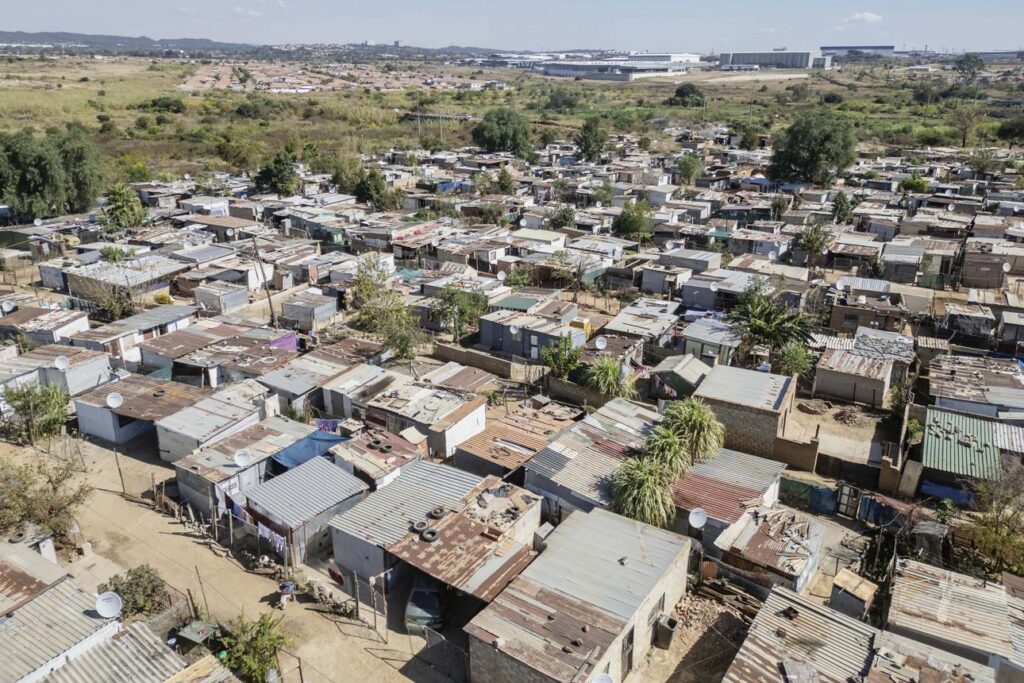
STORY 6: Extreme Heat Threatens Pregnant Women in South Africa’s Informal Settlements
Extreme heat is creating additional health risks for pregnant women living in South Africa’s informal settlements, according to recent reporting from Mamelodi.
The Africanews report on the impact of extreme heat on pregnant women highlights the difficulties faced by women living in communities where access to electricity, running water and adequate housing remains limited.
High temperatures can increase health risks during pregnancy, while poor living conditions make it more difficult for vulnerable residents to remain cool and access appropriate healthcare.
Researchers cited in the report identified an association between a 1°C increase in temperature and a 4% higher risk of premature birth. The precise scope and applicability of that finding should be considered alongside the underlying research.
The issue demonstrates how climate-related risks intersect with poverty, public health and urban inequality.
Climate change is often discussed in terms of rising temperatures, extreme weather and environmental damage. However, its consequences are also experienced inside homes, clinics, schools and workplaces.
For African governments, protecting vulnerable populations requires more than broad climate commitments. It involves improving housing, access to water, electricity, healthcare and urban infrastructure.
The experience of pregnant women in South Africa’s informal settlements illustrates why climate adaptation must include targeted public-health interventions.
Why it matters: Climate vulnerability is also a public-health and inequality issue, with potentially serious consequences for mothers, children and low-income communities.
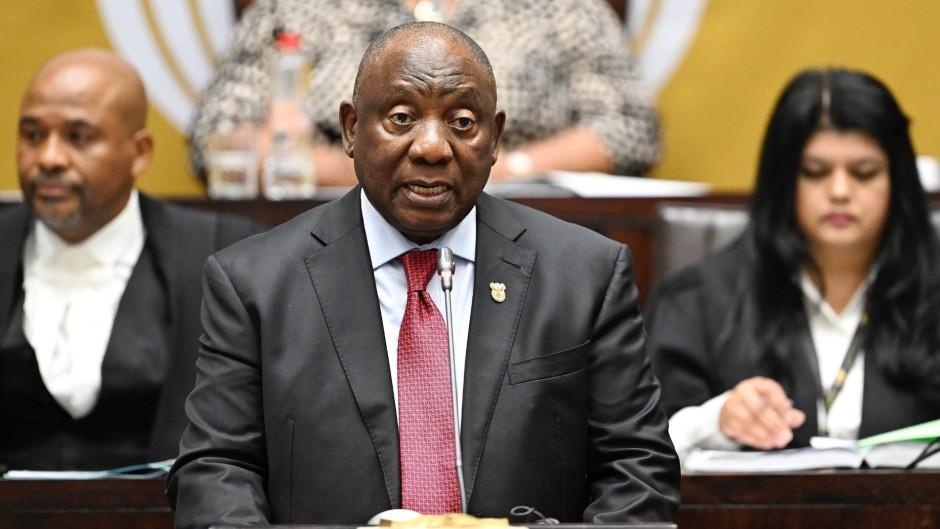
STORY 7: Ramaphosa Court Victory Keeps South Africa’s Political Accountability Debate Alive
A recent legal development involving South African President Cyril Ramaphosa and an impeachment-related report has brought renewed attention to questions of executive accountability and political oversight.
In a report published by Africanews on the court decision, the court ruled in favour of the president concerning the impeachment report, while the wider Phala Phala farm scandal remains a subject of public debate.
The development is politically significant because it touches on the relationship between the presidency, Parliament, the courts and mechanisms for investigating allegations involving senior public officials.
However, a legal victory should not automatically be interpreted as resolving every underlying allegation or political controversy.
The court’s decision and its implications must be assessed against the actual judgment and relevant parliamentary records.
South Africa’s democratic institutions have historically relied on judicial oversight, parliamentary scrutiny and public investigations as important accountability mechanisms.
The continuing debate provides an opportunity to examine how those institutions operate when allegations involve the country’s highest political office.
Why it matters: The case raises important questions about constitutional accountability, judicial independence and the limits of political power in Africa’s established democracies.
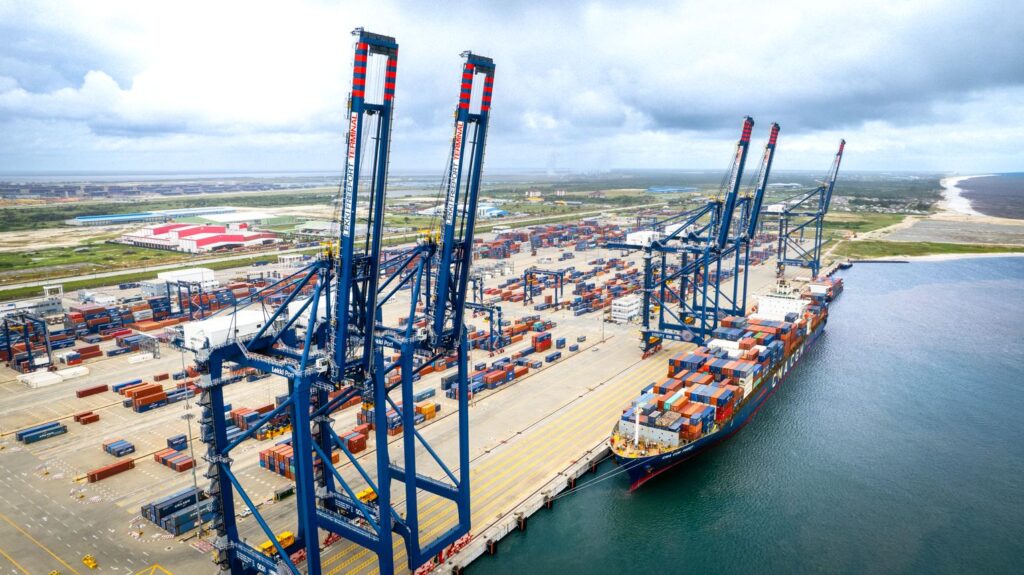
STORY 8: Lekki Port Delays Trap Exporters’ Funds in Unshipped Cargo
Exporters using Nigeria’s Lekki Deep Sea Port are reportedly facing delays that have tied up significant amounts of money in cargo awaiting shipment.
According to BusinessDay’s investigation into the Lekki Port delays, exporters say shipping lines are loading only a fraction of available export containers, leaving goods waiting at the port and increasing the financial burden on businesses.
The delays reportedly involve hundreds of millions of naira in tied-up cargo and working capital.
For exporters, time is money. When shipments are delayed, businesses may face additional storage costs, disrupted delivery schedules, reduced cash flow and the risk of missing international market opportunities.
Agricultural exporters are particularly vulnerable because some products have limited shelf lives and are sensitive to prolonged storage.
The issue raises questions about shipping-line capacity, cargo allocation, port operations, regulatory oversight and the broader efficiency of Nigeria’s maritime logistics system.
Lekki Deep Sea Port was developed as a major infrastructure investment intended to improve cargo handling and strengthen Nigeria’s position in international trade.
However, the value of port infrastructure must ultimately be measured by its operational performance and the benefits it delivers to businesses.
Nigeria’s ambition to expand non-oil exports and participate more effectively in the African Continental Free Trade Area depends partly on reliable transport and shipping services.
Why it matters: Port delays can weaken export competitiveness, increase business costs and undermine efforts to diversify Nigeria’s economy.
STORY 9: Naira Records Mixed Performance as Foreign-Exchange Market Remains Under Pressure
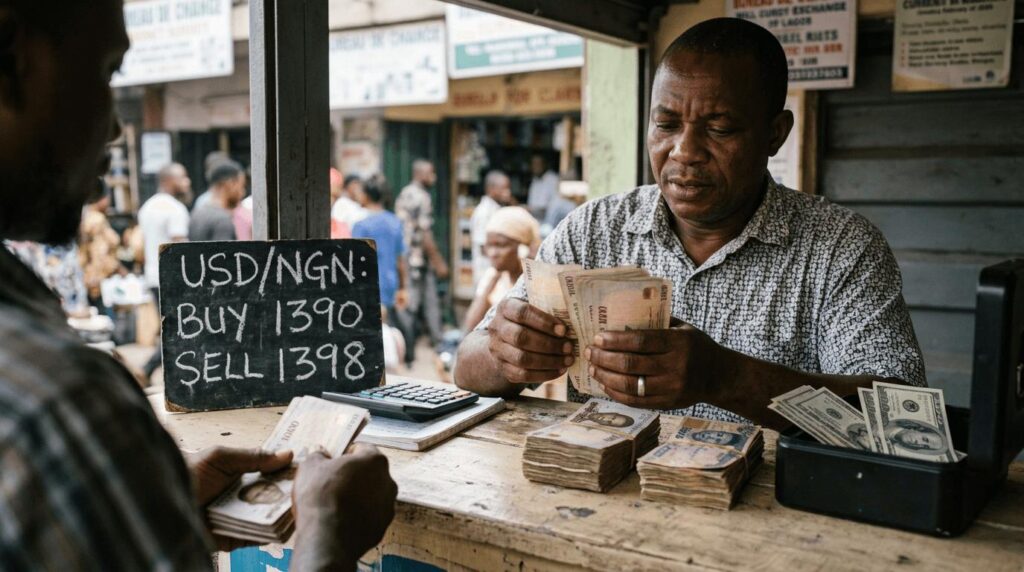
The naira recorded different movements across Nigeria’s official and parallel foreign-exchange markets, highlighting the continuing complexity of the country’s currency market.
BusinessDay reported that the naira appreciated by ₦4.36 in the official market on Thursday, while weakening by ₦2 in the parallel market.
The report also examined the possible implications of increased dollar cash allocations to licensed Bureau De Change operators under the Central Bank of Nigeria’s foreign-exchange arrangements.
The difference between the two markets remains important because exchange-rate movements influence the cost of imported goods, business operations, household expenditure and investment decisions.
An improvement in the official market does not automatically mean that all businesses and consumers are experiencing easier access to foreign currency.
The effect of increased BDC dollar supply will depend on how effectively the allocation reaches legitimate users and whether it improves liquidity and market confidence.
For businesses that depend on imported raw materials, machinery, pharmaceuticals and other essential inputs, exchange-rate stability remains a major consideration.
The Central Bank’s policy decisions will therefore need to be assessed not only by daily currency movements but also by their effect on foreign-exchange availability, inflation and business confidence.
Why it matters: The naira’s performance affects the cost of living, production costs, trade and investment. The difference between official and parallel market movements remains an important economic indicator.
STORY 10: Rising Treasury-Bill Yields Could Make Business Loans More Expensive
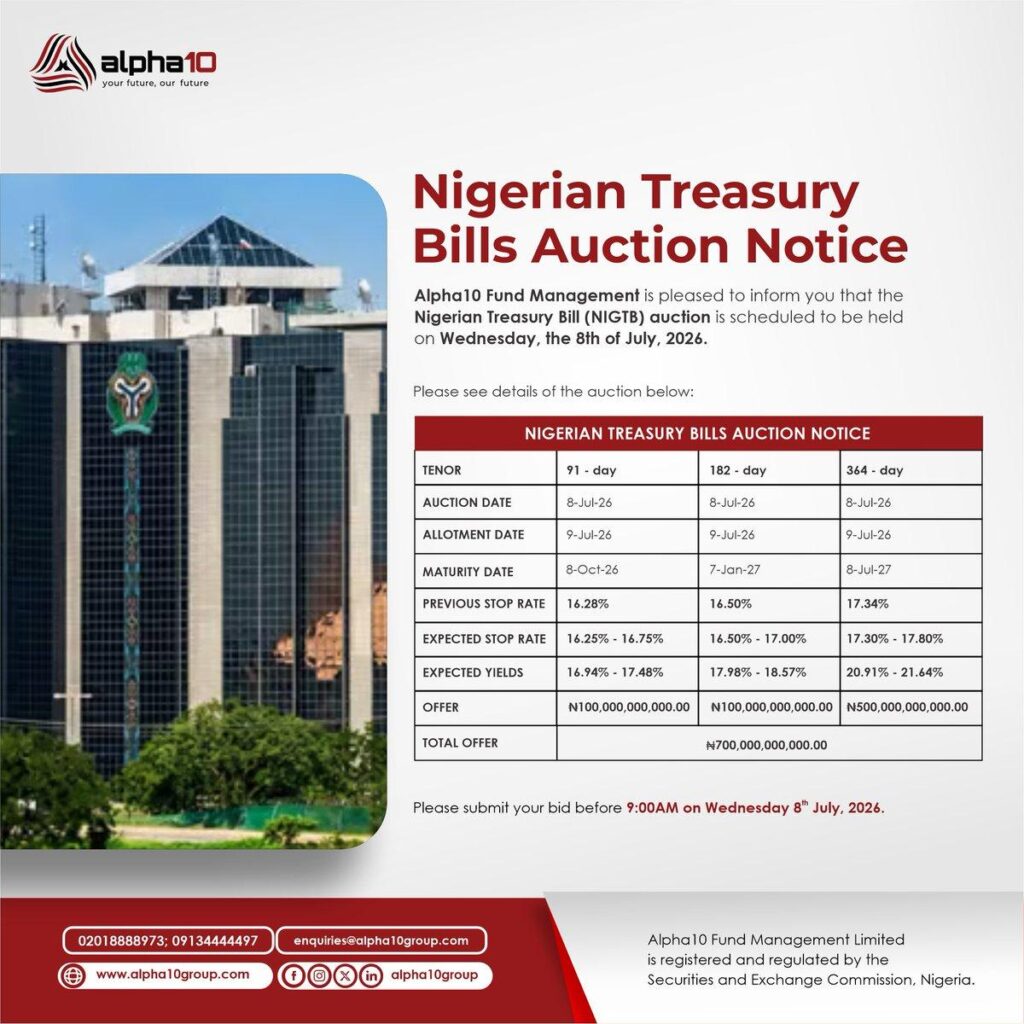
Rising yields on Nigerian Treasury bills are raising questions about the availability and cost of credit for businesses, particularly small and medium-sized enterprises.
BusinessDay reported increases in Treasury-bill yields across different maturities despite liquidity of approximately ₦6.26 trillion in the banking system.
When government securities offer attractive returns, banks and other investors may increase their preference for lending to government through these instruments rather than extending credit to businesses.
This can create pressure on private-sector borrowing, especially for companies that depend on bank financing to purchase equipment, expand production or maintain working capital.
The situation highlights the relationship between government borrowing, monetary conditions and private-sector investment.
Although Treasury bills provide an important mechanism for government financing and liquidity management, their yields can influence the wider financial market.
For Nigerian manufacturers, traders and entrepreneurs, the availability of affordable credit is essential to business expansion and job creation.
The key question is whether higher government-security returns will discourage private-sector lending or whether banks can maintain sufficient credit flows to productive businesses.
Why it matters: The cost and availability of business credit influence industrial growth, employment, investment and Nigeria’s ability to expand its productive economy.
WHAT THESE DEVELOPMENTS MEAN FOR AFRICA
The ten developments reveal several important issues shaping the continent’s political, economic and social environment.
First, political stability and democratic accountability remain major concerns. Guinea-Bissau’s election postponement illustrates the difficulties associated with military-led transitions, while South Africa’s continuing legal and political debates demonstrate the importance of institutional oversight.
Second, security threats are evolving. ISWAP’s reported use of commercial technology and international supply networks shows why counterterrorism strategies must adapt to changing operational methods.
Third, public-health emergencies have consequences that extend far beyond hospitals and treatment centres. The Ebola situation in eastern Congo and Kenya’s court ruling demonstrate the importance of protecting vulnerable communities while maintaining public accountability.
Fourth, Africa’s economic competitiveness depends on the performance of infrastructure and financial institutions. The Lekki Port delays and Nigeria’s foreign-exchange and credit conditions illustrate how operational bottlenecks and financing costs affect businesses.
Finally, climate change and human development cannot be treated as separate issues. The experience of pregnant women in South Africa’s informal settlements shows how environmental conditions can deepen existing inequalities.
These stories are different, but they share a common question: how effectively are African governments and institutions responding to the changes affecting their citizens?
CONCLUSION: AFRICA’S FUTURE WILL DEPEND ON THE QUALITY OF ITS DECISIONS
Africa’s changing political, economic and security landscape requires more than headline reporting. It demands careful examination of decisions, institutions, policies and the people affected by them.
From the Sahel to Southern Africa, from the Great Lakes region to Nigeria’s commercial centres, the continent faces challenges that require stronger institutions, effective public policy and practical cooperation.
The ability of African countries to manage these developments will influence their economic prospects, political stability, security and international standing.
For citizens, businesses and policymakers, the essential question is not simply what is happening across Africa, but what these developments mean and what should happen next.
AFRICA IN MOTION brings these questions into focus.
DSG HERALD NEWS — Reporting the Changes Shaping Africa and Its Future.
Africa’s defining stories. The forces behind the change. The continent’s place in a changing world.
About the Author