INTRODUCTION
Nigeria news today is dominated by fresh security concerns, preparations for the 2027 general elections, a deadly Lagos-Badagry Expressway bus fire and significant economic developments. From attacks in Plateau and Jigawa states to INEC’s warning over election violence and new developments in Nigeria’s banking and trade sectors, these stories highlight the major issues shaping the country on Friday, 27 November 2026.
Nigeria is facing renewed questions over public safety, political stability and institutional accountability following a series of developments reported across the country in the past 24 hours.
Fresh attacks in Plateau and Jigawa states have heightened concerns about insecurity, while a fatal commercial bus fire on the Lagos-Badagry Expressway has drawn attention to road safety and emergency response. At the same time, the Independent National Electoral Commission (INEC) has warned political parties and their supporters against violence ahead of the 2027 general elections.
Other major developments include President Bola Tinubu’s announcement of financial and housing support for families of personnel killed in a Nigerian Air Force aircraft accident, a leadership change at Keystone Bank, and renewed calls for action over Nigeria’s out-of-school children.
Here are the major stories shaping the national conversation.
STORY 1. Plateau Attack: Death Toll Rises as Security Concerns Intensify
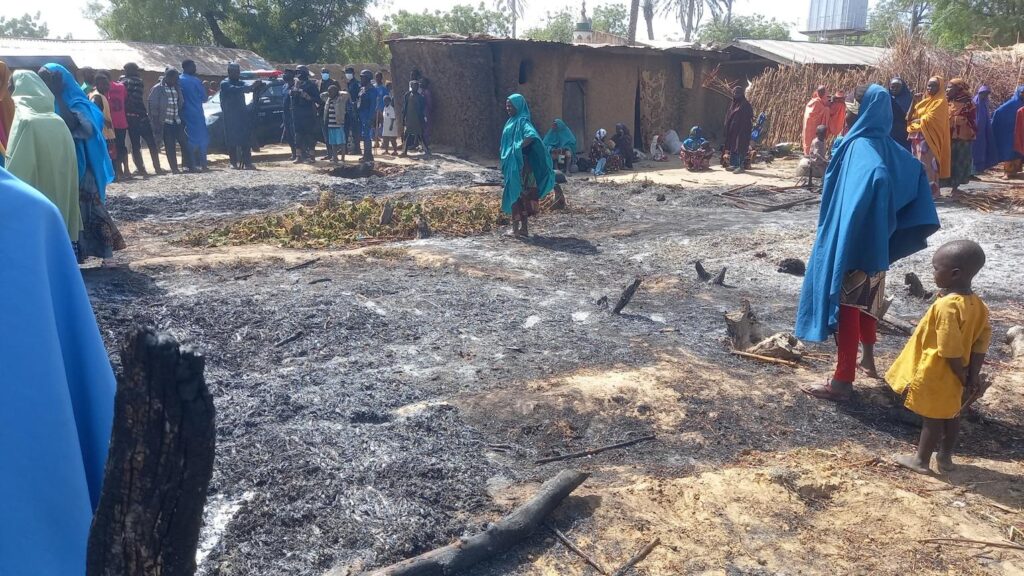
The death toll from an attack on Tafi-Gana community in Bassa Local Government Area of Plateau State has risen, with reports indicating that at least 17 people were killed in the violence.
The attack reportedly occurred on Wednesday night and continued into the early hours of Thursday. The affected settlement is a hamlet of Kyie Ihwien, near Jebbu Miango.
Reuters reported that police confirmed at least 17 deaths. However, The Guardian reported that the death toll had risen to 19, following the deaths of three people who had initially been taken to hospital.
The difference in reported figures highlights the need for a verified casualty record from the relevant authorities.
The Plateau State Government condemned the attack, while Governor Caleb Mutfwang directed security agencies to take measures to protect lives and property in the affected communities.
The incident has renewed concerns about recurring violence in parts of Plateau State, where communities have experienced prolonged insecurity.
Beyond immediate security deployments, residents need sustained protection, credible investigations and justice for victims. Authorities must also establish the circumstances surrounding the attack and identify those responsible.
STORY 2. Jigawa Attack: Five Killed, Six Injured in Gurjiya Community
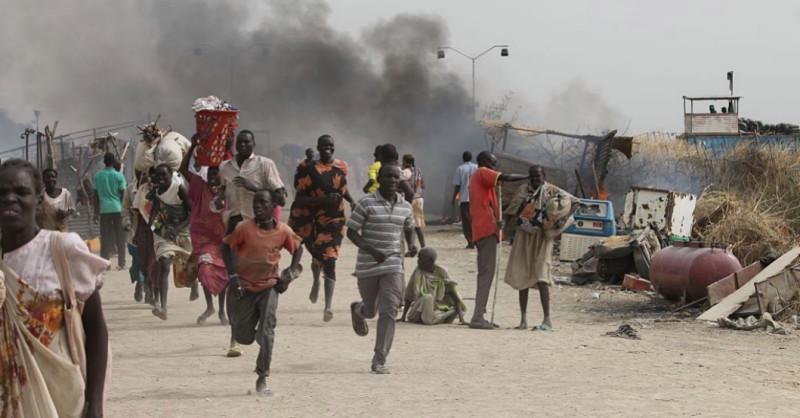
Another deadly attack has been reported in northern Nigeria, this time in Gurjiya community, Aujara District, Jahun Local Government Area of Jigawa State.
Five people were killed and six others injured when suspected attackers invaded the community around 1 a.m. on Thursday, according to the Nigeria Security and Civil Defence Corps (NSCDC).
The injured reportedly sustained wounds from machete and arrow attacks.
The Jigawa State NSCDC Command said preliminary investigations suggested that the incident might be connected to an earlier confrontation about two months ago, when suspected thieves reportedly invaded the community and one of them was killed.
The corps also referred to intelligence reports concerning the alleged mobilisation of more than 100 camel riders and other unidentified individuals. It said the information was still being verified.
In its report on the attack, Channels Television quoted the NSCDC’s account, including the reported casualties and the possible reprisal motive.
The authorities have urged residents to remain calm and avoid retaliatory violence while security agencies investigate.
The attack raises questions about early-warning systems, rural security and the ability of authorities to prevent disputes from escalating into deadly communal violence.
The investigation must establish the identities of the attackers and whether the incident was connected to the earlier confrontation.
STORY 3. INEC Warns Political Parties as Election Violence Threatens 2027 Polls
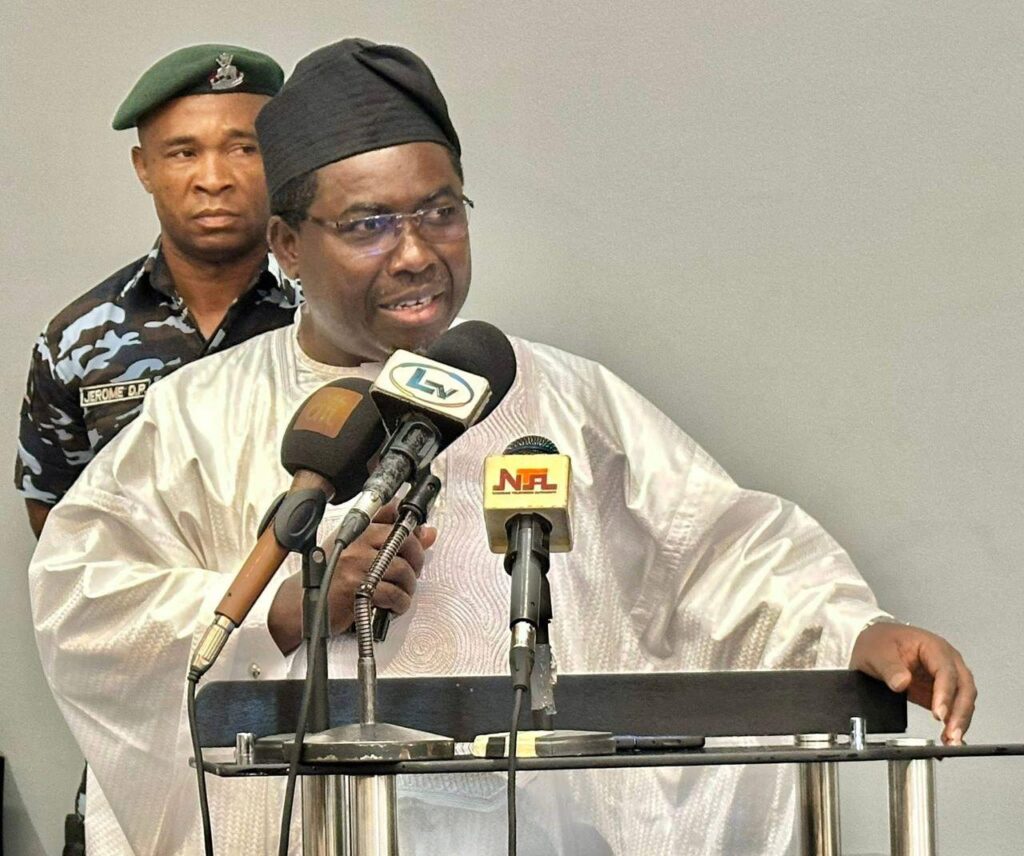
The Independent National Electoral Commission has raised concerns about increasing political violence ahead of Nigeria’s 2027 general elections.
INEC Chairman, Professor Joash Amupitan, warned that attacks, intimidation and the use of political thugs could discourage voter participation and undermine the credibility of the elections.
He identified reported incidents of political violence in nine states: Lagos, Edo, Ekiti, Enugu, Ebonyi, Delta, Cross River, Oyo and Benue.
According to reports, attacks have affected campaign convoys, town hall meetings, party offices and supporters. INEC officials and election personnel have also reportedly faced harassment and intimidation.
The commission has cautioned political parties against publicly committing to peace while their supporters or agents are allegedly involved in violence at the state and local levels.
Vanguard’s report on INEC’s warning details the nine states identified by the commission and the chairman’s concerns about intimidation and political thuggery.
The warning comes as INEC prepares for a nationwide mock exercise involving its Bimodal Voter Accreditation System (BVAS) and electronic results-upload technology.
The exercise is scheduled for Saturday, 28 November, at 17,676 selected polling units. It is intended to test the equipment, identify operational weaknesses and improve preparations for the elections. The Guardian has also reported on the planned BVAS and electronic results-upload test.
INEC’s warning is significant because credible elections depend not only on technology and voter registration but also on the freedom of citizens to participate without fear.
Security agencies and political parties will face growing pressure to demonstrate that campaign activities can take place without violence or intimidation.
STORY 4. Lagos-Badagry Expressway: Eight Die in Commercial Bus Fire
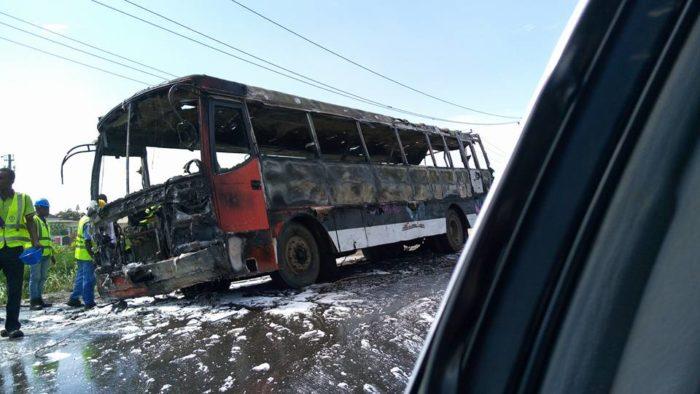
A tragic road accident on the Badagry Expressway in Lagos State has left eight people dead after a commercial Mazda bus crashed and caught fire near Checkpoint Bus Stop.
The incident occurred on Thursday morning and involved a bus with registration number LSD 73YL.
Emergency responders rescued survivors and transported injured passengers to Badagry General Hospital.
However, reports from emergency agencies differed over the number of people rescued and injured. Radio Nigeria Lagos reported eight deaths and five people rescued, while The Guardian reported eight deaths and 13 passengers with severe burn injuries.
The accounts also differ over the immediate cause of the crash. Preliminary explanations have referred to possible brake failure, speeding and reckless driving. The fire service also raised the possibility that additional petrol reportedly stored inside the vehicle may have intensified the blaze.
These explanations remain subject to investigation.
The tragedy once again highlights the dangers associated with poorly maintained commercial vehicles, unsafe driving practices and the transportation of extra fuel in passenger vehicles.
A full investigation is needed to establish the cause of the crash, reconcile the casualty figures and determine whether any safety violations contributed to the loss of lives.
STORY 5. Tinubu Approves ₦100 Million and Abuja Flats for Families of NAF Crash Victims
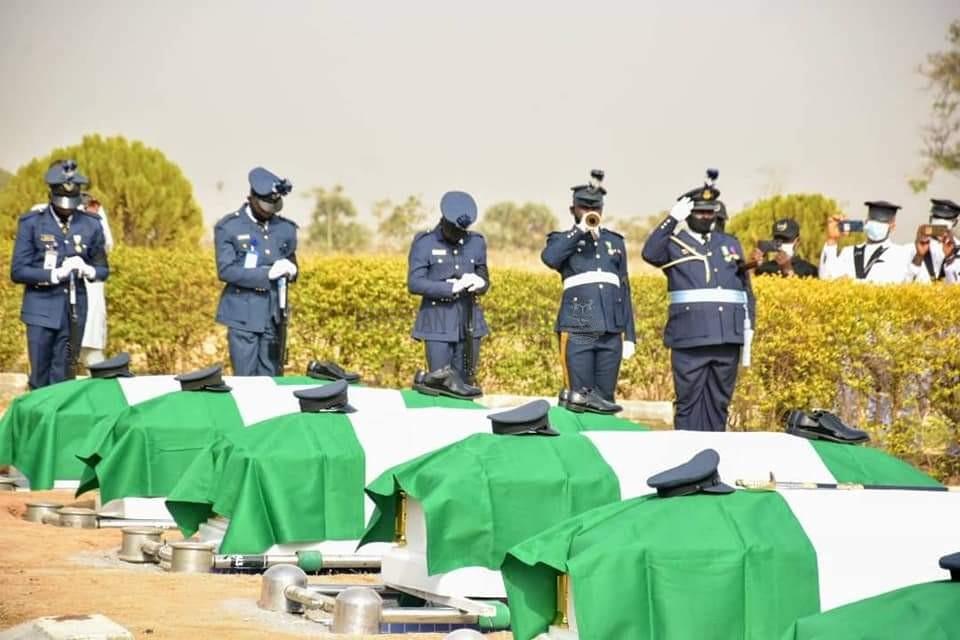
President Bola Tinubu has announced financial and housing support for the families of personnel who died in the Nigerian Air Force aircraft accident in Ondo State on 5 October 2026.
During a memorial service and wreath-laying ceremony at the National Military Cemetery in Abuja on Thursday, the President announced a three-bedroom flat for each of the 25 victims’ families at the Renewed Hope Housing Estate in Karsana, Abuja, alongside financial support of ₦100 million for each bereaved family.
The State House’s official announcement confirmed the President’s announcement and the memorial ceremony. The development was also reported by Channels Television.
The announcement was made as the country honoured the personnel who lost their lives in the NAF 931 aircraft accident.
The President described the deaths as a painful national loss and said the country had a responsibility to support the families left behind.
The intervention represents a significant commitment to the welfare of the affected families. Its implementation, however, will be an important measure of the government’s response.
The families will need clear information about eligibility, allocation procedures, timelines and the actual disbursement of the financial support.
The wider question is how the country continues to protect military personnel, strengthen operational safety and support families affected by the loss of those serving in national defence.
STORY 6. CBN Appoints Murtala Mohammed as Acting Keystone Bank CEO
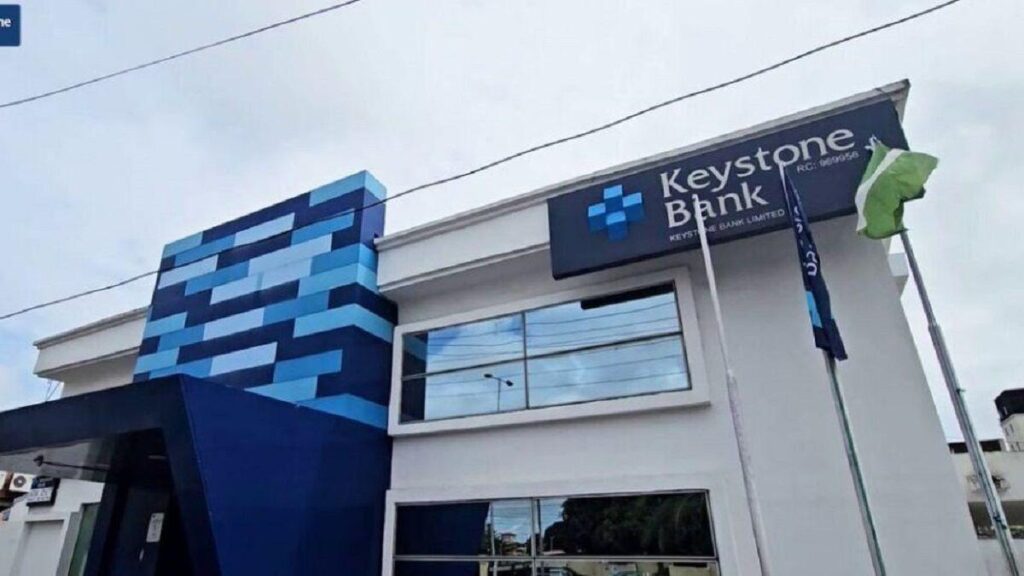
The Central Bank of Nigeria has appointed Murtala Mohammed as the Acting Managing Director and Chief Executive Officer of Keystone Bank Limited.
The appointment took effect on 26 November 2026, with Mohammed succeeding Hassan Imam.
The CBN announced the decision in a statement issued by its Director of Corporate Communications and Investor Relations, Michael Akuka.
The regulator said the appointment was made under the powers conferred on it by the Banks and Other Financial Institutions Act, 2020.
The apex bank also assured depositors and customers that Keystone Bank remained fully operational and that their funds were secure.
TheCable reported the appointment and the CBN’s explanation, while Premium Times also reported the leadership change.
However, the CBN did not provide further details about the circumstances surrounding the leadership change.
The appointment comes against the background of the bank’s regulatory history. The CBN dissolved its board and management in January 2024, and the Federal Government became its full owner in February 2025 following the forfeiture of shares by its former majority shareholder.
The immediate priority will be maintaining confidence, ensuring operational stability and providing clarity about the bank’s leadership and future direction.
STORY 7. Nigeria’s Out-of-School Children: Stakeholders Raise Alarm Over 18.3 Million Figure
Education and child welfare stakeholders have renewed calls for urgent action over the number of Nigerian children reportedly excluded from formal education.
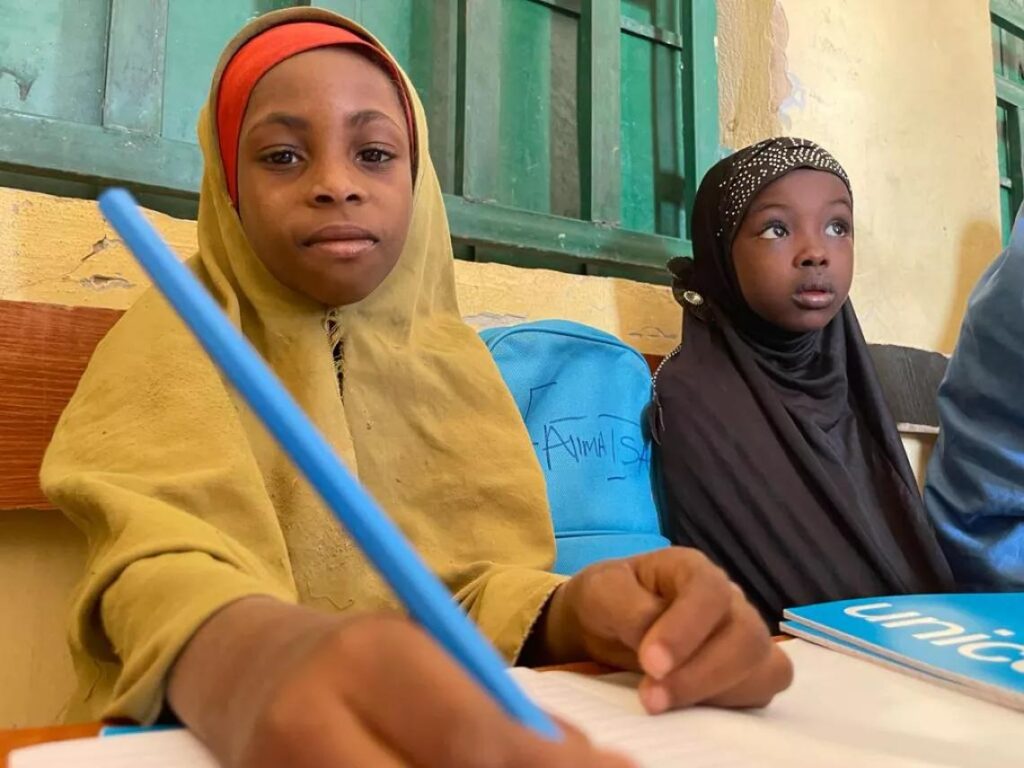
At a 2026 World Children’s Day High-Level Media Symposium in Lagos, organised by UNICEF Nigeria in partnership with the Nigerian Guild of Editors and the Diamond Awards for Media Excellence, participants highlighted the reported figure of 18.3 million out-of-school children.
The Nigerian Guild of Editors President, Eze Anaba, described the figure as alarming and called for stronger collaboration among government, media organisations, the private sector and communities.
Stakeholders identified poverty, insecurity, displacement, inadequate learning conditions and weaknesses in maternal and child healthcare as factors affecting children’s survival, development and access to education.
The discussions also emphasised the importance of the first 1,000 days of a child’s life and the need for stronger protection, healthcare, nutrition and learning opportunities.
UNICEF Nigeria’s official report on the symposium outlines the calls for collective action to improve children’s survival, protection and access to education. Vanguard also reported the 18.3 million out-of-school children figure.
The reported figure represents a major challenge for Nigeria’s education system and its long-term development.
Reducing the number of children outside school will require more than public declarations. It will require reliable data, adequate funding, safe schools, trained teachers and sustained monitoring of enrolment and attendance.
STORY 8. Nigeria’s Trade Reaches ₦41.4 Trillion as Port Cargo Activity Grows
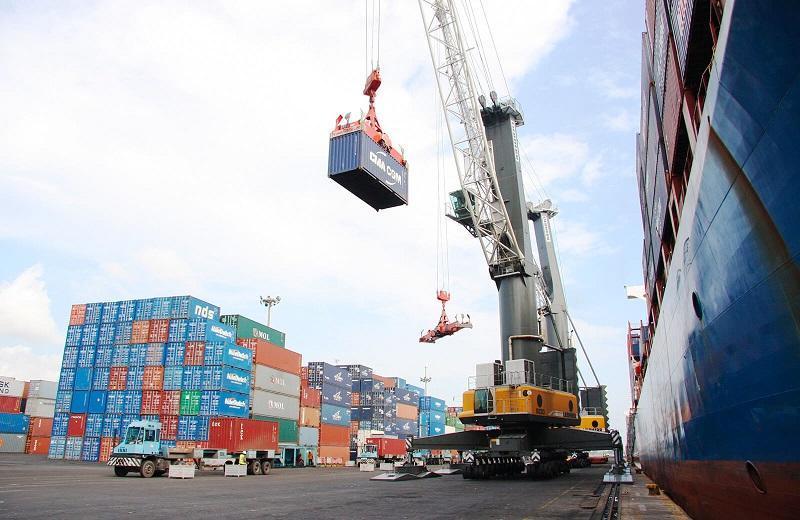
Nigeria’s merchandise trade stood at approximately ₦41.4 trillion in the second quarter of 2026, while the Nigerian Ports Authority reported significant growth in cargo activity across the country’s seaports.
The NPA said cargo throughput increased from 103.6 million metric tonnes in 2024 to 129.3 million metric tonnes in 2025, representing a 24.8 per cent increase.
For the first half of 2026, cargo throughput rose to 68.2 million metric tonnes, compared with 60.8 million metric tonnes in the corresponding period of 2025.
The figures were highlighted during a data-driven business and maritime reporting training organised in Lagos in partnership with the Premium Times Training Academy.
The NPA also pointed to the importance of port modernisation, digitalisation and improved cargo-handling systems in strengthening trade activity.
Business Post’s report on the NPA’s cargo figures and Nigeria’s merchandise trade provides further details of the reported increases. The National Bureau of Statistics is the official source for Nigeria’s merchandise trade statistics.
Nigeria’s trade figures provide an indication of economic activity, but higher trade volumes do not automatically translate into lower consumer prices or improved living standards.
The real test will be whether improved port operations reduce delays, lower logistics costs, support local production and make Nigerian exports more competitive.
THE BIGGER PICTURE: SECURITY, TRUST AND THE RESPONSIBILITY OF GOVERNMENT
The developments of the past 24 hours reveal several pressures confronting Nigeria.
The attacks in Plateau and Jigawa show the continuing vulnerability of communities to deadly violence. The Lagos bus tragedy raises difficult questions about road safety, vehicle inspections and enforcement. INEC’s warning demonstrates that electoral credibility depends on protecting citizens and political participants from intimidation.
Meanwhile, the government’s announcement of support for families of fallen Air Force personnel, the CBN’s leadership change at Keystone Bank and the renewed debate over education access all underline the importance of effective public institutions.
Nigeria’s economic and trade figures also deserve attention, but their wider significance must be measured against the experiences of businesses, workers and households.
Ultimately, public institutions must be judged not only by announcements, deployments and policy statements, but by measurable results.
The protection of lives, access to education, credible elections, transparent financial institutions and a functioning economy remain central to public confidence.
For Nigerians, the most important question is not simply what government has announced, but what has changed in people’s lives.
DSG HERALD NEWS — Stay informed. Stay ahead.
About the Author