Introduction
Africa News Today is marked by developments that test the ability of governments and institutions to protect citizens, maintain public confidence and deliver practical economic results. The Democratic Republic of the Congo is confronting an Ebola outbreak that has exceeded 12,000 confirmed cases, with armed conflict making containment more difficult. In Kenya, a court ruling has placed constitutional accountability and public participation at the centre of an Ebola preparedness project. Egypt, meanwhile, is investigating a highway fire that killed at least 31 people.
In Nigeria, the week’s developments span security, capital markets, infrastructure, foreign-exchange policy, pharmaceutical manufacturing, agriculture and financial safety. A proposed Dangote Refinery listing and the commencement of a Lagos ports-modernisation programme represent significant economic ambitions. However, questions remain about implementation, transparency and measurable benefits.
These stories are different in their causes and consequences. Together, they highlight the importance of examining not only what governments and businesses announce, but also the evidence of what those decisions achieve.
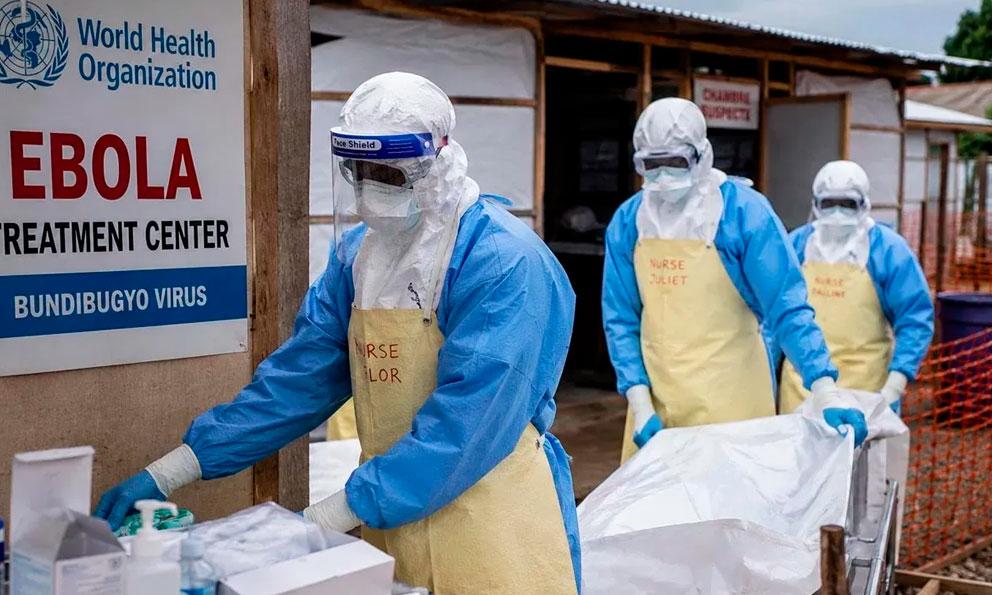
STORY 1: DR Congo Ebola Outbreak Passes 12,000 Confirmed Cases as Conflict Disrupts Containment
The Democratic Republic of the Congo is facing a major public-health emergency as its 2026 Ebola outbreak passes 12,000 confirmed cases. The latest figure available to this edition is 12,021 confirmed infections, reported by the Associated Press on Thursday, 26 November, citing the Congolese Ministry of Health.
The outbreak, caused by the Bundibugyo species of the Ebola virus, was declared in May 2026 and has spread across eight provinces.
However, the increasing number of infections is only one part of the emergency. Armed conflict, poor road networks, misinformation and restricted access to affected communities are complicating efforts to identify cases, trace contacts and maintain containment operations.
Fighting between Congolese government forces and rebel groups around Bunia in Ituri Province has reportedly disrupted response activities. Some health workers and local officials have faced dangerous conditions, including being caught in crossfire, while some responders have reportedly been evacuated.
Understanding the reported case and death figures
The outbreak statistics must be considered according to their respective reporting dates.
The European Centre for Disease Prevention and Control recorded 10,990 confirmed cases and 5,354 deaths as of 8 November. A subsequent World Health Organization report published on 20 November recorded 11,613 cases and 5,678 deaths as of 17 November. The Associated Press later reported 12,021 confirmed cases on 26 November.
These are separate reporting snapshots and should not be treated as figures collected on the same date.
Importantly, the latest material available to this edition does not establish an updated official death toll corresponding to the 12,021 cases. An estimate based on the description that nearly half of confirmed cases had died should not be presented as an official figure.
Ebola containment requires rapid case identification, treatment, contact tracing, safe burials and the confidence of local communities. When insecurity prevents health workers from reaching affected areas, these activities become more difficult.
The outbreak also has implications beyond the DRC. Regional health authorities have reason to maintain surveillance and preparedness, particularly where cross-border movement could complicate public-health responses.
The WHO has identified countries including Kenya and Nigeria as requiring attention in relation to outbreak risk. This does not mean that they are experiencing the same conditions as the DRC, or that community transmission has been established in those countries.
The immediate questions remain the latest confirmed death toll, the geographical spread of infections and whether health workers can safely resume effective containment operations.
STORY 2: Kenyan Court Stops Ebola Facility Construction Over Government’s Failure to Disclose US Agreement
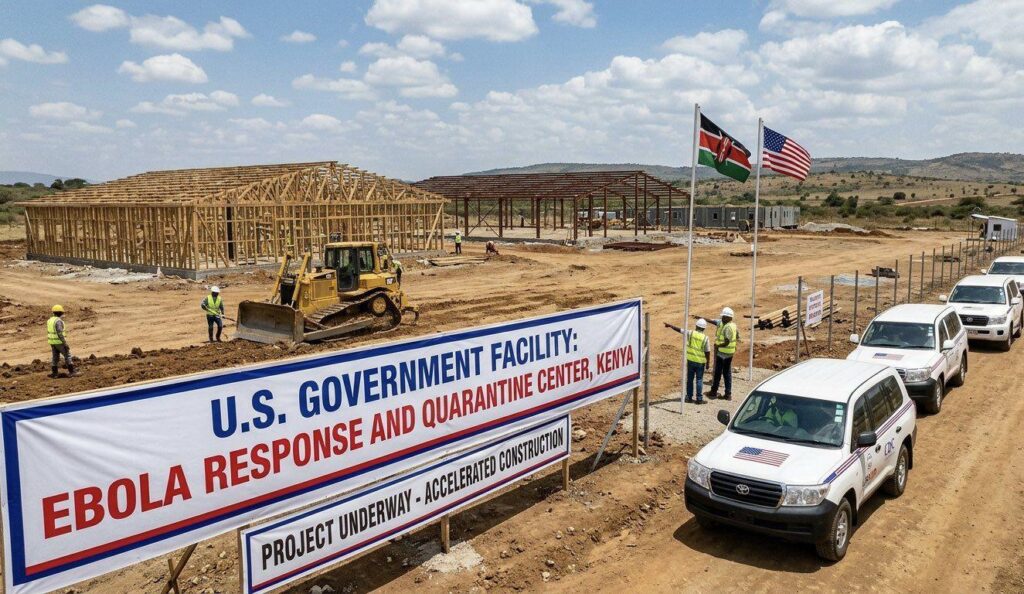
Kenya’s High Court has ordered further construction of a United States-backed Ebola quarantine facility to stop, following a ruling that the government failed to meet constitutional requirements relating to public participation and disclosure.
The proposed facility is located at Laikipia Air Base near Nanyuki and was designed to accommodate up to 50 people. It was intended to support quarantine and preparedness arrangements for people exposed to Ebola, including United States citizens.
The government’s handling of the project became the subject of a legal dispute, particularly over the failure to adequately disclose the agreement with Washington and provide the required public participation.
In its report on the court ruling, Reuters said the court found constitutional breaches and ordered construction to remain suspended until the government satisfies the requirements set out in the judgment.
Public-health preparedness and constitutional accountability
The dispute predates the latest ruling. Earlier proceedings had already resulted in a temporary suspension of construction in May. The reporting material for this edition also records that seven American aid workers who had been in the Democratic Republic of the Congo were quarantined at the facility in July.
Kenya’s Health Minister, Aden Duale, was subsequently found in contempt in connection with the failure to comply with earlier suspension orders.
The latest ruling places government disclosure and public-participation obligations at the centre of the dispute.
Emergency preparedness is necessary, particularly when countries face the possibility of infectious disease outbreaks. But the urgency of a health project does not remove a government’s responsibility to act within its constitution.
Communities living near public-health facilities have legitimate interests in understanding the agreements, risk assessments and operational arrangements behind those projects.
At the same time, concerns raised by residents should not automatically be interpreted as evidence that the facility itself would spread Ebola. The full scientific risk assessment and the terms of the agreement are needed to evaluate those questions.
Reuters also reported that Kenya’s Ebola tally by mid-November included two deaths and seven other cases, with the other seven patients having recovered. No new case had been reported since 19 October.
The government’s immediate responsibility is to comply with the court’s requirements. The complete judgment and any subsequent government response will help establish what must happen before construction can resume.
The wider lesson is that effective health preparedness requires more than buildings and equipment. It also requires transparency, lawful decision-making and public confidence.
STORY 3: Egypt Tanker Fire Kills 31 and Injures 21 as Authorities Investigate Highway Disaster
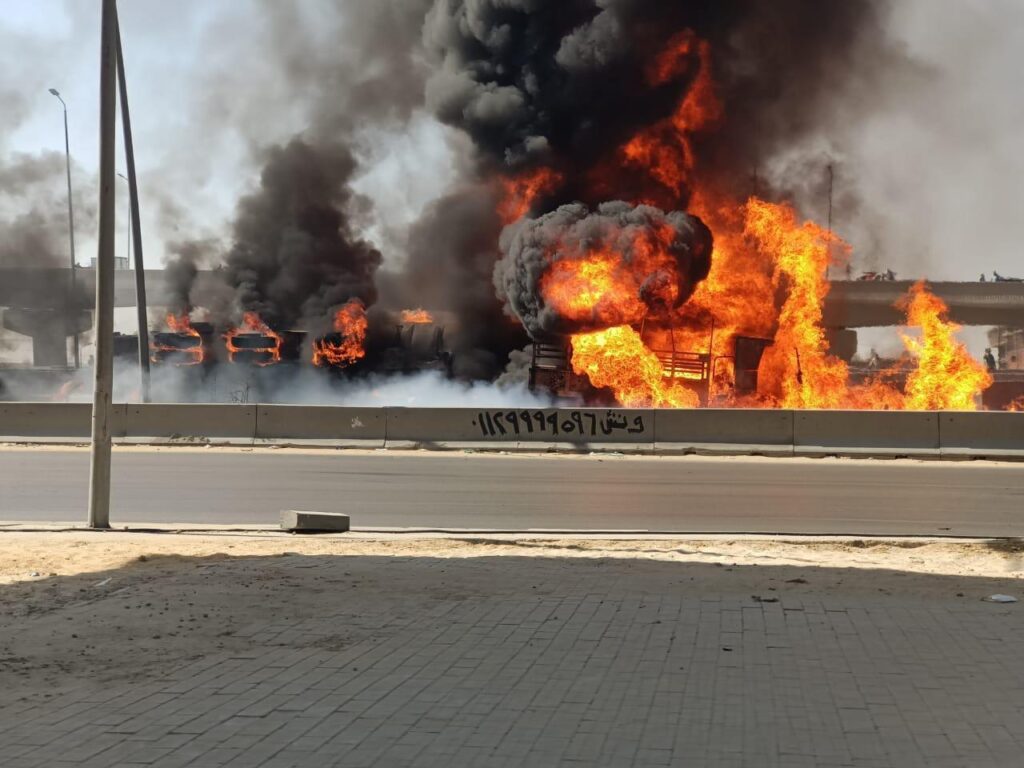
At least 31 people have been killed and 21 others injured after a vehicle carrying petroleum products overturned and caught fire on Cairo’s Ring Road in Egypt.
The incident occurred on Wednesday, 25 November, in the Al-Warraq district of Giza, on a major road serving the Greater Cairo area. The fire spread to other vehicles, turning the incident into a major highway disaster.
Preliminary estimates cited in Reuters’ report on the disaster indicated that about 27 vehicles, including cars and motorcycles, were affected.
Egypt’s Health Ministry said 39 ambulances were deployed to respond to the emergency. Authorities also ordered DNA testing to identify victims whose bodies could not initially be identified.
Investigation and unanswered safety questions
The immediate priorities are the treatment of injured people, the identification of victims and support for affected families.
However, important questions remain about how the disaster happened.
The information available to this edition does not establish why the vehicle overturned, the precise petroleum product it was carrying, whether it was roadworthy or whether all applicable hazardous-goods transport requirements were followed.
Those questions must be answered through the investigation.
The wider road-safety situation in Egypt provides additional context. According to figures released by the country’s state statistics agency, CAPMAS, and reported by Ahram Online, road deaths increased by 10.8 per cent in 2025, reaching 5,829, compared with 5,260 in 2024.
These figures point to road safety as a significant national concern, but they do not establish the cause of this particular disaster.
Investigators will need to establish the sequence of events, identify the vehicle operator and determine whether any safety requirements were breached. Until those findings are available, responsibility should not be assigned to any individual, company or public authority without evidence.
STORY 4: Nigeria’s Security Crisis — OpenWatch Reports More Than 100 Deaths in One Week
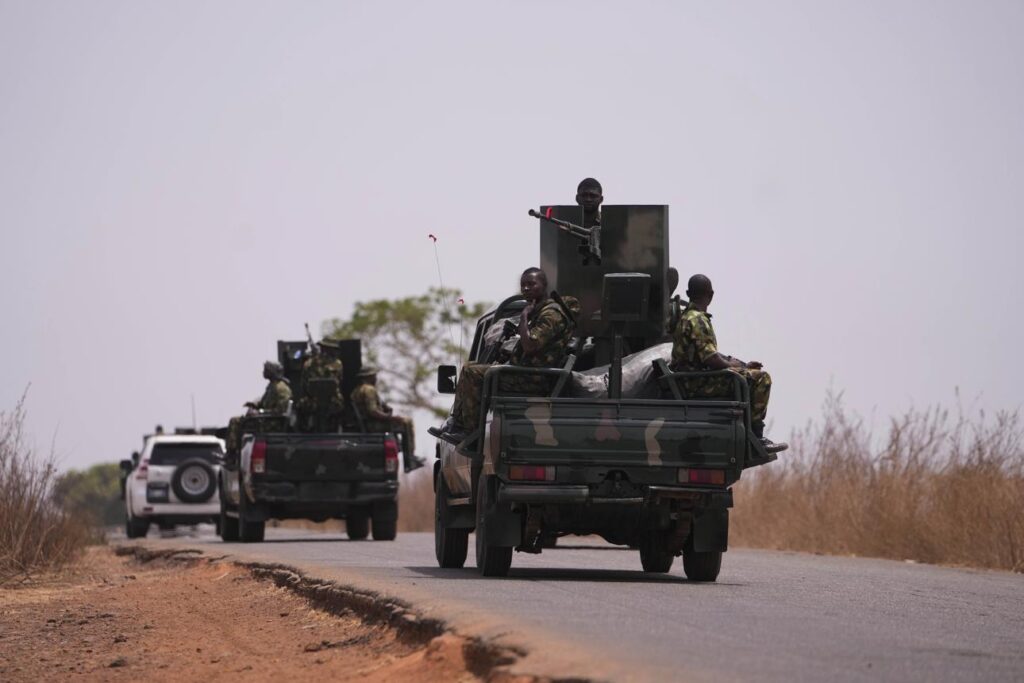
A weekly security assessment has recorded more than 100 reported deaths and more than 100 security incidents across Nigeria between 16 and 22 November 2026.
The latest OpenWatch weekly security report displayed 103 incidents and 105 reported deaths across 31 states. It also recorded 16 kidnapping incidents.
However, an earlier report published by BusinessDay on 25 November gave a slightly different account: 102 incidents and 101 deaths for the same seven-day period, according to its report on Nigeria’s weekly security figures.
The difference is important. It may reflect an updated dataset, corrections or different reporting snapshots. It should not be interpreted as evidence that violence suddenly increased between the two publication dates.
What the weekly security figures show
OpenWatch identified Plateau and Zamfara as the states with the highest number of recorded incidents in its weekly breakdown, with seven incidents each. Borno had the highest reported death count in the displayed state-level data.
The tracker classified incidents under categories including kidnapping, murder, terrorism and communal violence.
However, these figures require proper attribution. OpenWatch is a monitoring source that draws on news and official reports. Its figures are not an official national death register. The totals depend on which incidents are identified, the sources used, how events are classified and whether subsequent corrections are made.
The discrepancy between the two published totals therefore needs to be reconciled using a dated copy of the underlying dataset.
Beyond the figures, the consequences of insecurity are felt in everyday life. Violence and kidnapping can disrupt farming, education, trade, travel and access to essential services. Communities may experience severe disruption even when the number of recorded incidents in their locations is relatively small.
The central question for the authorities is whether security operations are reducing the risks faced by civilians.
That assessment requires more than national totals. It requires reliable incident records, comparisons with police and state-level information, and evidence from affected communities.
Nigeria’s security situation remains an important test of public protection.
STORY 5: Dangote Refinery Listing Could Reshape Nigeria’s Capital Market as December Trading Approaches
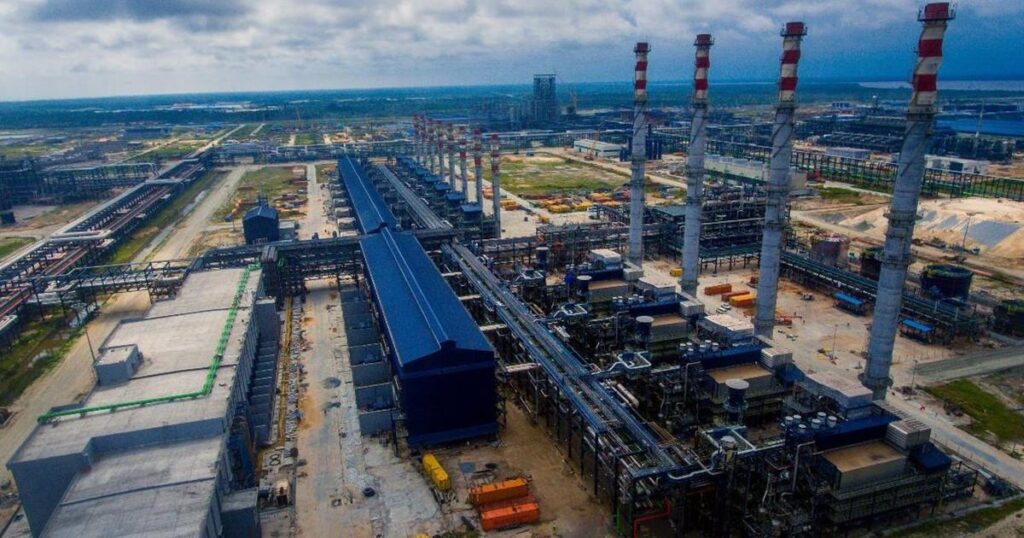
Nigeria’s capital market is approaching a potentially significant development, with trading in Dangote Petroleum Refinery and Petrochemicals expected to begin on the Nigerian Exchange on 1 December 2026.
Dangote Group Vice-President for Oil and Gas Devakumar Edwin disclosed the proposed trading date in an interview with Reuters, according to Reuters’ report on the refinery’s planned listing.
BusinessDay placed the company’s estimated valuation at approximately US$48 billion. That valuation remains an estimate and should not be confused with a confirmed market capitalisation.
The listing follows a public share offering that received regulatory approval and opened in September.
The Nigerian Exchange Group confirmed that the offer comprised 4.1 billion ordinary shares priced at ₦525 each. The minimum subscription was ten shares, costing ₦5,250, as stated in the Nigerian Exchange Group’s announcement of the public offer.
The Securities and Exchange Commission approved the public offer and emphasised the importance of using authorised channels and relying on approved offer documentation.
What the listing means for investors
There is an important distinction between the offer price and the reported company valuation.
The 4.1 billion shares and the ₦525 price describe the public offer. They do not, by themselves, establish the refinery’s final market value. That value will depend on the company’s share structure, final listing arrangements and the market price once trading begins.
A listing of this scale could increase the visibility of Nigeria’s capital market and provide investors with an opportunity to participate in a major industrial enterprise. It could also demonstrate the capacity of the Nigerian Exchange to accommodate a large corporate listing.
However, one major transaction cannot, on its own, establish that Nigeria has overtaken Johannesburg as Africa’s leading equity market. That comparison would require broader evidence, including market size, liquidity, the number of listed companies and sustained investor activity.
For ordinary investors, the important considerations go beyond the headline valuation. They include the company’s financial performance, business risks, governance arrangements, the proportion of shares available to the public and how the proceeds of the offer will be used.
A major listing can widen investment opportunities. But it also places responsibilities on the company, the exchange and regulators to maintain transparency and protect investors.
The next reported milestone is 1 December. The trading date and final listing arrangements should be checked against official Nigerian Exchange announcements.
STORY 6: Nigeria Begins ₦1.45 Trillion Lagos Ports Modernisation to Reduce Trade Costs
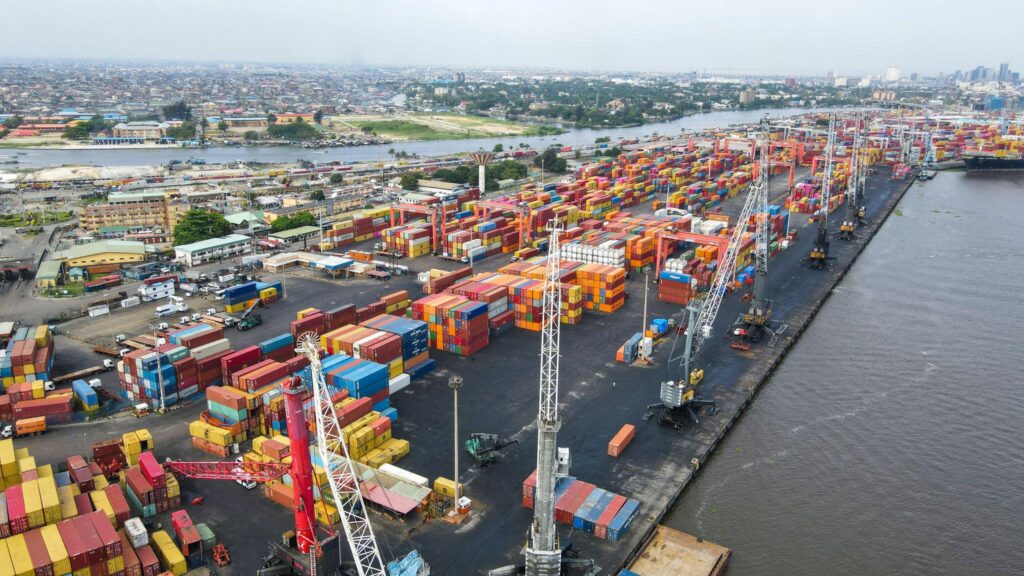
The Federal Government has begun a major modernisation programme covering the Lagos Port Complex in Apapa and Tin Can Island Port.
The groundbreaking ceremony took place on 25 November, moving the project from announcement towards implementation.
The programme has been reported at approximately ₦1.45 trillion, with some reports giving a sterling equivalent of about £746 million. The Federal Ministry of Finance has separately described it as a one-billion-dollar ports-modernisation project in its official announcement.
These figures may represent different currency presentations of the same programme. However, the financing documents are needed to establish the approved project cost, funding structure and financial obligations.
What the ports project is expected to deliver
The government’s stated objectives include addressing infrastructure deficits, improving port operations, reducing logistics costs and strengthening Nigeria’s trade competitiveness.
Apapa and Tin Can Island are central to the country’s maritime trade. Their operations affect importers, exporters, manufacturers, freight operators and consumers.
When goods take longer to clear major ports, businesses may face higher transport and storage costs. Those costs can eventually affect production expenses and the prices paid by consumers.
The project is also associated with a projection of at least 20,000 direct and indirect jobs. That figure is an employment projection, not a confirmed number of jobs already created, as also stated in Channels Television’s report on the project launch.
The actual outcome will depend on the scale of construction, the contractors involved, the implementation schedule and the period over which employment is measured.
The real test begins after the groundbreaking ceremony. A successful project must demonstrate measurable improvements in cargo handling, vessel turnaround times, truck movement, cargo clearance and the cost of moving goods through the ports.
There are also questions about the financing structure, procurement arrangements, construction timetable and repayment obligations.
Businesses will want to know how port operations will be maintained during construction and whether the work will cause additional disruption before improvements become visible.
More efficient Lagos ports could also have commercial relevance for West African trade. But the extent of any regional benefit will depend on actual improvements in port access, customs processes, cargo handling and connections to inland transport networks.
For now, the project represents a major infrastructure commitment. Its success will be judged by delivery, transparency and measurable results.
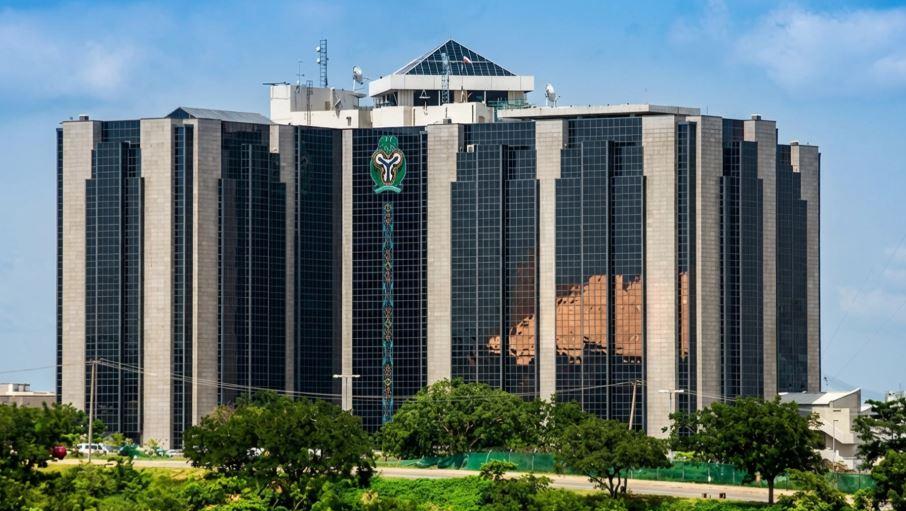
STORY 7: CBN Reportedly Raises BDC Dollar Purchase Limit to $1 Million and Eases Physical-Cash Restrictions
The Central Bank of Nigeria has reportedly authorised commercial banks to sell up to US$1 million in physical foreign currency each week to approved Bureau de Change operators.
The reported adjustment also eases restrictions on the proportion of approved purchases that can be supplied in cash. The new arrangement was reported to have taken effect on 25 November.
According to TheCable’s report on the policy change, the previous weekly purchase ceiling was US$150,000. Under the earlier physical-cash arrangement, access was limited to 25 per cent of an approved allocation.
The reported new policy allows eligible Bureau de Change operators to receive up to 100 per cent of their approved purchases in physical dollar notes.
What the reported policy change means
The stated purpose is to improve the availability of physical foreign currency through regulated retail channels.
This could matter to individuals and businesses that require physical dollars, including travellers and customers whose needs cannot be met through electronic transfers alone.
However, there is an important distinction between increasing access to physical cash for approved operators and increasing Nigeria’s overall supply of foreign exchange.
The reported adjustment changes the terms under which eligible Bureau de Change operators can access physical currency. It does not, by itself, establish that more foreign exchange has entered the Nigerian economy.
The actual impact will depend on how much currency commercial banks supply, the level of customer demand, the number of eligible operators and how effectively the rules are enforced.
The Central Bank’s July 2026 operational guidance provides information about the earlier framework for Bureau de Change access through authorised dealer banks. But the original November directive has not been independently examined in the material available to this edition.
That document is necessary to confirm the exact limits, eligibility conditions and effective date.
The policy also raises questions about monitoring and compliance. Greater access to physical currency must operate within safeguards against diversion, regulatory breaches and market abuse.
Ultimately, customers will judge the policy by whether legitimate access improves and whether additional supplies reach the regulated retail market. The next step is to examine the original Central Bank instruction and confirm implementation with authorised dealer banks.
STORY 8: ₦24 Billion in Pharmaceutical Tax Waivers — Why Are Medicines Still Expensive in Nigeria?
The Federal Government reportedly approved more than ₦24 billion in tax waivers for 75 pharmaceutical manufacturers between January 2025 and June 2026.
The incentives were intended to support local production and strengthen Nigeria’s pharmaceutical manufacturing capacity.
However, a BusinessDay investigation into pharmaceutical tax incentives questions whether the support has translated into stronger domestic production or meaningful relief for medicine buyers.
The investigation refers to a November 2026 healthcare value-chain assessment by the Federal Ministry of Health and Social Welfare. According to the reported figures, locally manufactured products account for about 20 per cent of the market, while imported products account for the remaining 80 per cent.
The full ministry assessment is needed to establish the precise market definition, product categories and methodology behind those figures.
Measuring the impact of pharmaceutical incentives
The issue matters because access to affordable medicines has direct consequences for households.
When a country depends heavily on imported medicines and medical products, exchange-rate movements, international supply chains and the cost of imported raw materials can influence prices and availability.
A stronger domestic pharmaceutical industry could reduce some of these vulnerabilities, create jobs and build technical capacity. But that requires manufacturers to produce reliable, competitive products that meet appropriate quality standards.
The evidence available to this edition does not establish that the tax waivers themselves caused medicine prices to remain high. Nor does it confirm that all 75 manufacturers received and used the full value of the reported incentives.
An approved tax waiver is a policy intervention. It is not proof of increased factory output or lower prices.
To measure the public benefit, authorities would need to compare the value of incentives granted and used with changes in production, investment, employment, product availability and medicine prices.
Other factors must also be examined, including foreign-exchange costs, raw materials, electricity, transport and distribution.
The immediate concern remains the cost of medicines for patients and families. But the supplied evidence does not include a specific patient case or a price survey of essential medicines. Those details require further reporting.
The important question is straightforward: what measurable public benefit has followed the reported ₦24 billion in support?
The full Ministry of Health assessment, official tax-waiver records and production data from manufacturers will be essential to answering it.

STORY 9: Nigeria and France Report Three Agribusiness Partnerships on Crop Protection, Baking and Training
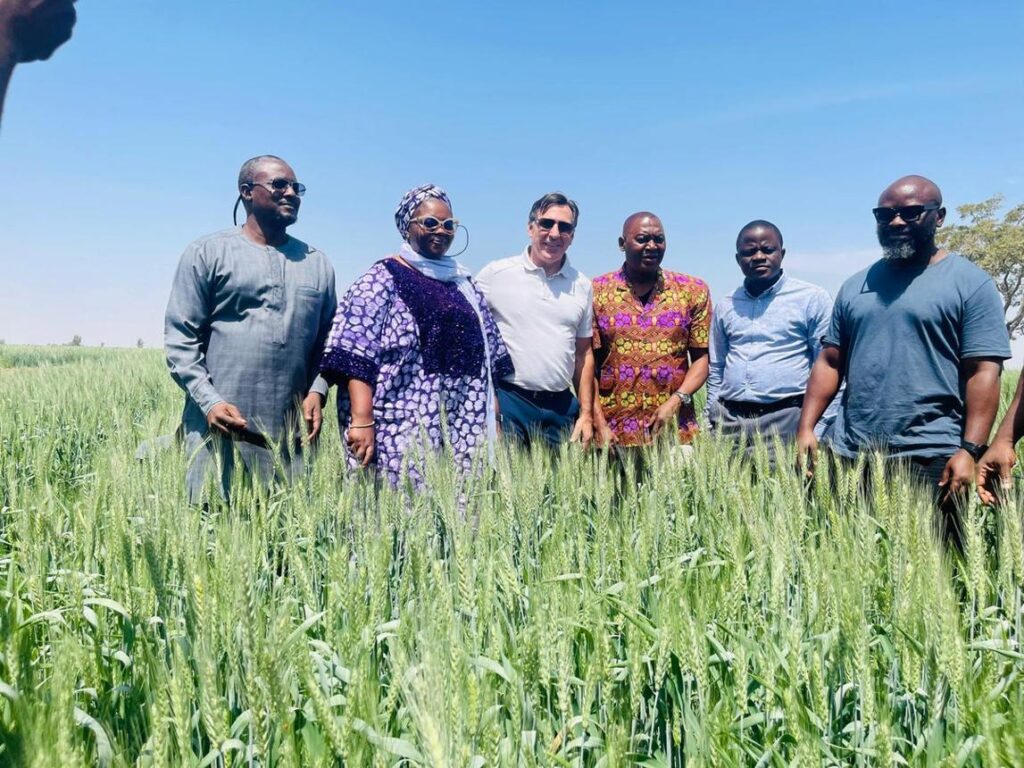
Nigeria and France have reported three agribusiness cooperation agreements covering crop protection, baking-industry development and professional training.
The partnerships involve Nigerian organisations, French companies and institutions, and the Federal Ministry of Agriculture and Food Security.
The first agreement brings together French company M2i, the Tomatoes and Orchard Producers Association of Nigeria, and the Federal Ministry of Agriculture and Food Security. Its focus is crop protection and pest-management solutions.
The second partnership involves Lesaffre Nigeria and the Association of Master Bakers and Caterers of Nigeria. It is focused on baking quality and technical skills.
The third links JR Farms Group Nigeria with France’s UniLaSalle, with an emphasis on advanced training for Nigerian agribusiness entrepreneurs.
The agreements were also reported by BusinessDay in its coverage of the three France-Nigeria agribusiness deals.
What the partnerships could mean for agriculture
The agreements were reported in connection with French Week 2026 and the France-Nigeria Agri-Business Summit.
However, the publication of reports on 25 November does not establish that all three agreements were signed on that exact date. Their precise signing dates need to be confirmed from the original memoranda of understanding.
The areas covered by the partnerships have practical implications for agriculture and food production.
Effective crop protection can help farmers manage pests and reduce losses. Technical development in baking can support food processing, product quality and professional skills. Agribusiness training can also strengthen the capacity of entrepreneurs involved in agricultural production and related businesses.
But an agreement is not the same as an outcome.
The available information does not establish the total financial commitments, the number of farmers or entrepreneurs expected to participate, the communities that will benefit or the implementation timetable. It also does not establish whether the arrangements are binding contracts or frameworks for future cooperation.
For farmers, the important question is whether crop-protection solutions will be affordable and accessible. For bakers and food businesses, it is whether technical support and training will be practical and available. For agribusiness entrepreneurs, it is whether the training will lead to useful skills, business opportunities or improved production capacity.
The signed agreements, funding commitments, implementation plans and training schedules will be needed to assess the real value of these partnerships.
The cooperation could contribute to technical exchange between Nigeria and France. Its wider significance for African agriculture will depend on whether the initiatives deliver demonstrable results and whether successful approaches can be expanded.
STORY 10: Nigeria’s Manufacturing Ambition Faces a ₦1.4 Trillion Electricity Cost Burden
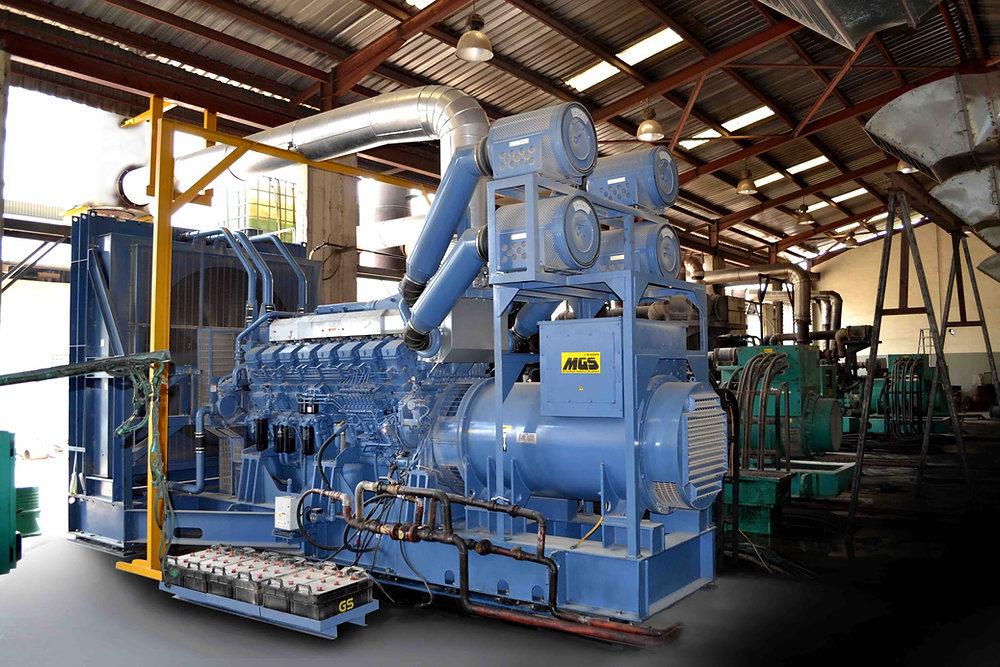
Nigeria’s manufacturers reportedly spent ₦1.35 trillion on alternative power in 2025. The figure is commonly rounded to ₦1.4 trillion.
The estimate was attributed to Oluchi Odimuko, an official of the Manufacturers Association of Nigeria, in a BusinessDay report published on 5 June 2026.
The same report cited alternative-power expenditure of ₦1.11 trillion in 2024, representing a reported year-on-year increase of 21.6 per cent.
The cost of unreliable electricity
The figures illustrate the financial burden placed on manufacturers that depend on generators and other alternative sources when grid electricity is unreliable or insufficient for production.
Electricity is a basic requirement for industrial operations. When factories have to spend heavily to generate their own power, production costs can rise. That can weaken their ability to compete with imported goods or supply export markets.
However, the methodology behind the ₦1.35 trillion estimate requires further examination.
The information available to this edition does not establish how many manufacturers were surveyed, whether the figure represents the entire sector or a sample, or how the expenditure was divided among diesel, gas and other power sources. The original Manufacturers Association survey or presentation would help clarify those details.
There is also an important date qualification: the original BusinessDay report was published in June 2026, not during the current 24-hour reporting period.
The figure is therefore presented as background evidence of a continuing structural problem, not as a new development on 26 November.
The wider economic implications may include higher operating costs, pressure on factory output, prices and investment decisions. But the supplied evidence does not quantify current job losses, production reductions or the precise share of manufacturing costs attributable to electricity.
Updated industry and electricity-sector data will be needed to establish the present scale of the burden.
STORY 11: Inside Nigeria’s Voice-Phishing Fraud — How Criminals Use Phone Calls to Target Bank Customers
A BusinessDay investigation published on 25 November has examined how fraudsters use telephone calls to impersonate bank officials, fintech customer-service representatives and other trusted contacts in attempts to obtain confidential financial information.
The method is commonly known as voice phishing, or vishing.
Unlike an attack that directly targets a bank’s computer systems, this method relies on manipulating the customer.
A caller may claim that an account has been compromised, that an unusual transaction has taken place or that urgent verification is required. By creating fear and a sense of immediate danger, the fraudster attempts to persuade the customer to disclose information that could be used to access a financial account.
How the reported scam works
The BusinessDay investigation describes the experience of a Lagos market trader who received a call from someone claiming to represent Access Bank.
The caller allegedly presented a false account-security problem and sought sensitive banking information. The trader became suspicious and independently checked her banking application.
The case illustrates how an apparently ordinary phone call can become a route to financial fraud.
Customers should verify unexpected banking requests through independently confirmed channels. They should not rely on a telephone number or contact details supplied by the caller.
Most importantly, passwords, personal identification numbers and one-time verification codes should never be disclosed to someone simply because that person claims to represent a bank.
The scale of the problem remains unquantified in the information available to this edition.
The investigation does not establish a national victim total, the value of money lost, the number of successful attacks or whether incidents have increased in November. It should therefore be understood as an investigation into a documented fraud method, not proof of a measured nationwide surge.
The issue has implications for banks, fintech operators, telecommunications companies and law-enforcement agencies.
Customers need accessible ways to report suspicious calls, secure their accounts and seek help quickly if they disclose sensitive information or lose money. Banks and regulators also need to explain how suspicious transactions can be flagged, frozen and investigated.
Verified figures from banks, the Central Bank of Nigeria, the police and relevant financial-crime agencies will be needed to establish the scale of the problem.

STORY 12: Nigeria’s Foreign Reserves Fall to $54.36 Billion After Losing About $900 Million From October Peak
Nigeria’s gross foreign reserves reportedly fell to US$54.358 billion on 23 November, down from a reported peak of US$55.26 billion on 27 October.
The decline from that reported peak is approximately US$900 million. The figures were reported by BusinessDay.
The Central Bank of Nigeria’s November monetary-policy communique had earlier reported gross reserves of US$54.02 billion as of 17 November. The figure and import-cover assessment are contained in the Central Bank’s November 2026 Monetary Policy Communique.
These figures have different reference dates and should not be treated as though they describe the same day’s position.
What the reserve movement means
Foreign reserves are important because they provide an indication of a country’s external financial resources. They are relevant to external payments, investor confidence and the country’s capacity to manage foreign-exchange pressures.
However, gross reserves should not be interpreted as money that is entirely available for immediate intervention in the retail currency market.
The Central Bank’s communique said reserves as of 17 November were sufficient for 10.26 months of imports of goods and services. That import-cover figure is an institutional assessment based on its own reference date and methodology. It should be kept separate from the later reserve figure reported for 23 November.
BusinessDay attributed some of the recent pressure to increased foreign-exchange demand ahead of the year-end import cycle. That is a reported explanation, not a complete and independently established account of the decline.
The information available to this edition does not quantify how much of the movement resulted from external debt payments, Central Bank intervention, import demand or other transactions.
It is also important not to draw conclusions beyond what the figures establish. A fall from the October peak does not, by itself, prove that Nigeria is facing a foreign-exchange crisis or that the naira must depreciate.
The significance of the movement depends on how long the decline continues, the sources of foreign-exchange inflows and outflows, the portion of reserves that is readily usable and the amount of foreign exchange supplied to the market.
Businesses that depend on imported machinery, raw materials and essential goods may be affected by foreign-exchange availability and currency movements. Consumers may also experience indirect effects through the prices of imported products.
But the evidence available does not establish a specific consumer-price effect caused by this particular reserve decline.
The next useful evidence will come from further Central Bank reserve figures, foreign-exchange market data and a clearer explanation of the transactions behind the movement.
For now, the figures show a reduction from the reported October peak. They do not, on their own, establish the cause or the full economic consequences.

The Bigger Picture: Accountability and Delivery Across African Institutions
The developments examined in this edition reveal several different tests facing African institutions and economies.
In the Democratic Republic of the Congo, the urgent challenge is controlling a major Ebola outbreak while insecurity makes it harder for health workers to reach affected communities.
In Kenya, the issue is different. The High Court’s ruling demonstrates that emergency preparedness must operate within constitutional safeguards, transparency and public participation.
Egypt faces the immediate task of establishing how a deadly highway fire occurred, identifying victims and determining whether safety requirements were breached.
In Nigeria, the stories raise questions about public protection and economic delivery.
The weekly security figures highlight the need for reliable information and effective protection of civilians. The proposed Dangote Refinery listing and Lagos ports-modernisation project represent major investment ambitions, but their significance will ultimately depend on transparency, implementation and measurable results.
The reported foreign-exchange policy adjustment, pharmaceutical incentives and France-Nigeria agribusiness partnerships also require evidence of practical outcomes.
Behind the manufacturing electricity figures is a continuing question about the cost of doing business in Nigeria. The voice-phishing investigation reminds us that economic and financial protection also extends to individuals using digital banking services.
These developments do not point to one common cause or a single continental outcome. They concern different countries, institutions and responsibilities.
But they reinforce an important principle: announcements, policies and commitments must be assessed against what they actually deliver.
Can health workers reach vulnerable communities? Are governments accountable to the people they serve? Are infrastructure projects improving trade? Are industrial incentives strengthening local production? Are citizens and businesses becoming better protected?
Those are the questions that deserve continued attention.
Africa’s future will be shaped not only by the decisions its institutions announce, but by the evidence of what those decisions achieve.
Africa in Motion is DSG Herald News’ programme reporting the changes shaping Africa and its future.
Stay informed. Stay ahead.
About the Author