A three-year-old boy once inherited the throne of Uganda’s historic Tooro Kingdom. Thirty-one years later, King Oyo Nyimba Kabamba Iguru Rukidi IV has died at the age of 34, bringing to an end one of the most unusual royal journeys in modern Africa.
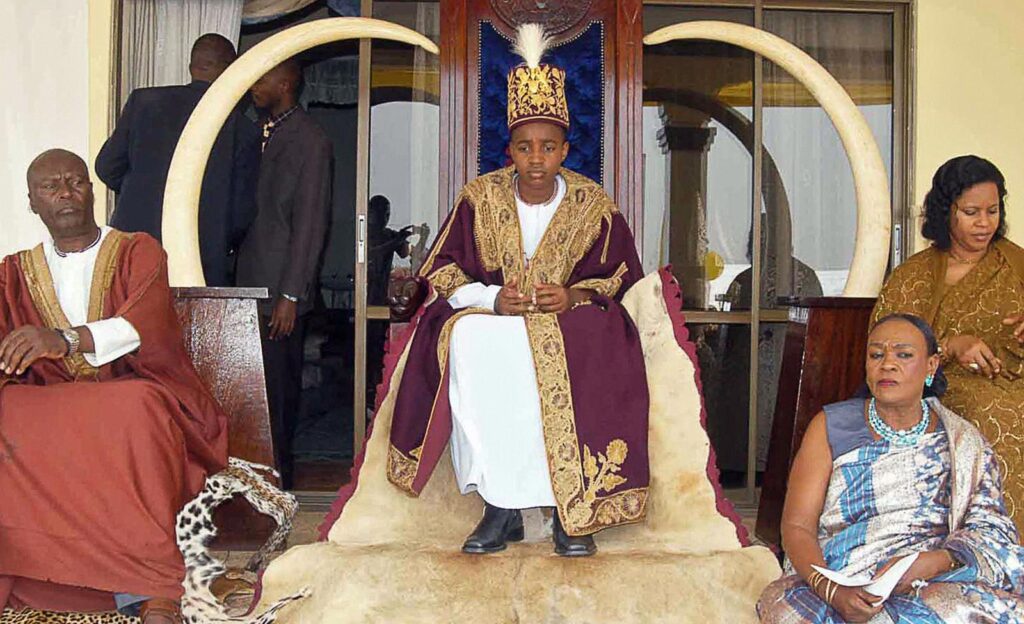
King Oyo died at about 10 p.m. local time on Thursday, August 27, according to Calvin Armstrong Rwomiire Akiiki, the prime minister of the Tooro Kingdom, who announced the death. The cause was not disclosed. A Ugandan government minister had earlier said the king was receiving treatment in the United States.
Oyo became king on September 12, 1995, following the death of his father, Rukirabasaija Patrick David Matthew Kaboyo Olimi III. At only three years old, he became the world’s youngest reigning monarch, beginning a reign that would continue through childhood, adolescence and adulthood.
His death is therefore more than the passing of a traditional ruler. It closes a remarkable chapter in the history of a king who spent virtually his entire life associated with the Tooro crown.
A Three-Year-Old Became King
King Oyo’s story began with an extraordinary responsibility being placed on a child.
On September 12, 1995, he was crowned king following the death of his father. At three years old, he was far too young to understand the political, historical and cultural significance attached to the position he had inherited.
Yet the crown remained his.
The circumstances surrounding his accession made Oyo internationally notable. He became the world’s youngest reigning monarch, a distinction that brought attention to both the young king and the Tooro Kingdom in western Uganda.
Tooro is a traditional kingdom located in western Uganda, near the border with the Democratic Republic of Congo. Like other traditional monarchies that survived within Uganda’s modern political system, it operates in a country that is constitutionally a republic and whose national leadership is determined through elected institutions.
That distinction is important to understanding King Oyo’s role.
He was not Uganda’s political head of state. The authority of the country’s traditional monarchies is largely symbolic in political terms. Their continuing importance lies instead in their cultural and social influence and in the historical identities they represent.
For Oyo, that meant growing up with a public identity that was inseparable from the heritage of Tooro.
His childhood was therefore unlike that of most children. While his peers were growing up outside public office, Oyo was growing into a position that had been passed down through generations.
The supplied report does not provide detailed information about the arrangements surrounding his childhood administration of the kingdom, nor does it detail the specific responsibilities he assumed at different stages of his youth. Those details remain outside the available account.
What is clear is that the three-year-old who inherited the crown in 1995 eventually became an adult king who continued to occupy the throne until his death.
From Child Monarch to Adult King
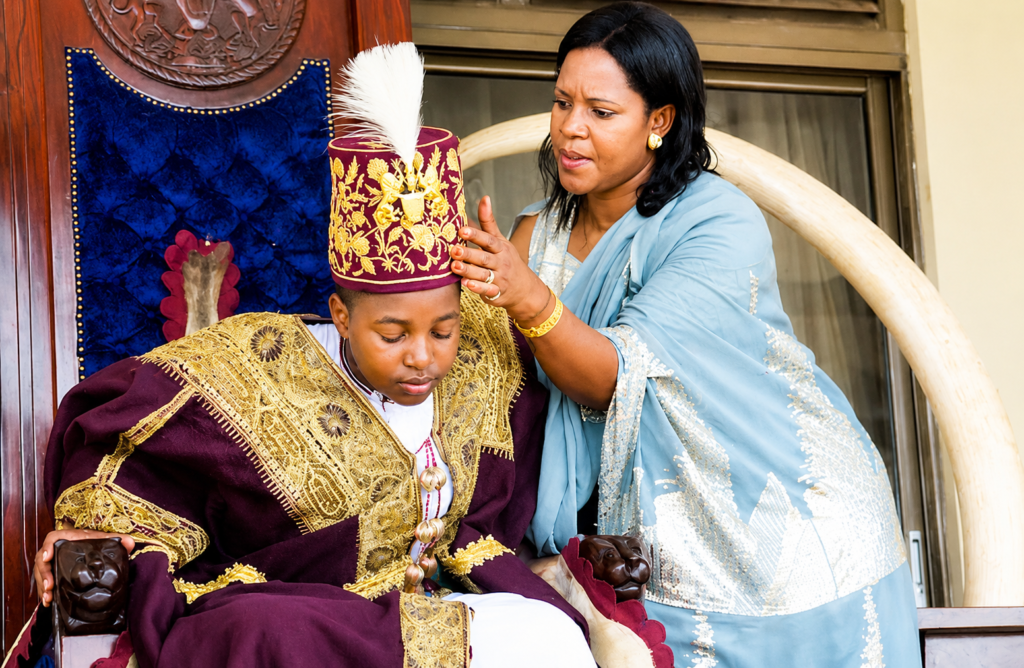
The most striking feature of King Oyo’s life was not simply that he became king at three. It was that he grew up while remaining king.
For three decades, his name remained connected to the Tooro monarchy.
The passage of time transformed the meaning of his story. What began as the extraordinary image of a small child becoming a king eventually became the story of a young African monarch growing into adulthood while carrying an inherited institution into a new generation.
By April this year, Tooro’s prime minister was describing Oyo in terms that emphasised his youth as an asset rather than a weakness.
“Our King is not distant from the realities of his people,” the prime minister said in a birthday message, describing Oyo as part of his generation and as someone who was “growing, learning, and leading.”
The message also presented his youth as a source of energy, fresh perspective and courage to imagine a different future for Tooro.
That description is significant because it captures the changing public image of King Oyo.
The child monarch had become a young adult ruler.
His age, which initially made him famous, eventually became part of the argument for his relevance. A king who had been born into a traditional institution was himself a member of the generation experiencing contemporary Uganda.
That created a distinctive bridge between an old institution and a younger population.
The supplied report does not establish specific policies, programmes or political initiatives personally undertaken by Oyo, so claims about particular achievements should be treated cautiously. What can be established from the available material is the continuing emphasis placed by Tooro’s leadership on his connection to his generation and his symbolic role within the kingdom.
That distinction matters.
Traditional monarchies can survive not simply because of historical titles but because communities continue to attach cultural meaning to them. In Oyo’s case, his extraordinary personal history gave the Tooro crown a particularly visible human face.
He was not simply a king who had inherited a title decades earlier.
He was the child king many people had watched grow up.
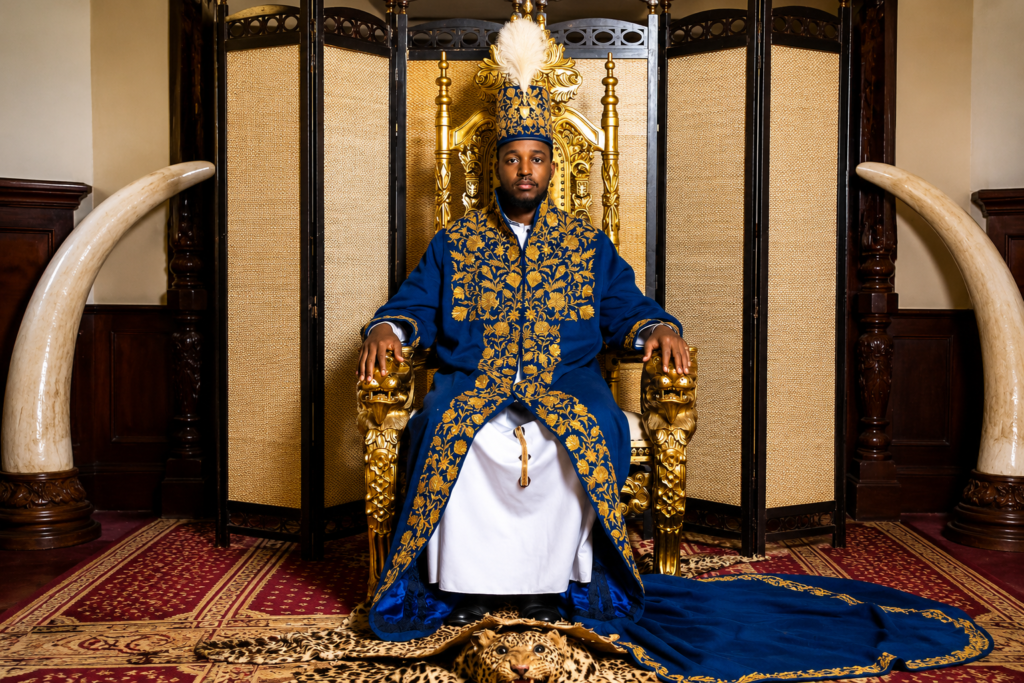
Why King Oyo Mattered Beyond the Palace
The continued existence of Uganda’s traditional kingdoms illustrates an important feature of the country’s history.
Uganda is a republic with an elected head of state, yet several traditional monarchies continue to exist within the country. Their political authority is largely symbolic, but their cultural and social influence remains significant.
The Tooro Kingdom is one of those institutions.
That makes King Oyo’s death relevant beyond the royal household.
For many people, traditional kings represent more than formal authority. They can embody historical identity, cultural continuity and a sense of belonging connected to communities whose institutions predate the modern state.
The distinction between political power and cultural influence is therefore central to understanding the significance of Oyo’s reign.
His position did not give him the constitutional authority of Uganda’s elected government. But the crown still carried social meaning.
That helps explain why his death generated widespread mourning and extensive coverage across Uganda.
It also helps explain why Oyo’s youth mattered.
A traditional institution can appear distant from a younger population if it is represented entirely through an older generation. Oyo presented a different image. He was himself young, and his entire adult life unfolded within a modern Uganda very different from the country in which previous generations of Tooro rulers operated.
The April birthday message from Tooro’s prime minister captured this generational dimension by describing Oyo as part of his generation and as someone growing, learning and leading.
His story consequently became a meeting point between tradition and modernity.
The significance of that relationship extends beyond Uganda.
Across Africa, traditional institutions continue to exist alongside modern republican governments. Their constitutional and political roles vary, but their cultural relevance can persist even when they no longer exercise formal governmental authority.
King Oyo’s life provides a particularly striking example of that phenomenon because his own biography compressed the passage of generations into a single reign.
He inherited an old institution as a three-year-old.
He reached adulthood while still occupying the same throne.
And he died while still young by ordinary standards.
That continuity made his personal story inseparable from the modern history of the Tooro crown.
His Final Days and Death
King Oyo’s death was announced late on Thursday by Tooro’s prime minister, Calvin Armstrong Rwomiire Akiiki.
Akiiki said the king died at approximately 10 p.m. local time.
No cause of death was given in the announcement.
Shortly before the death was announced, Ugandan government minister Balaam Barugahara said the king was receiving treatment in the United States.
The available report does not provide details about the illness for which he was receiving treatment, the nature of the treatment or the circumstances surrounding his final hours.
Those details remain unclear.
It is therefore important to separate what has been confirmed from what has not.
What has been confirmed is that King Oyo died at 34, that the announcement came from the prime minister of his kingdom and that no cause of death was disclosed in that announcement.
Speculation about the circumstances of his death should not be presented as fact until the family, kingdom authorities or another authoritative source provides further information.
His death nevertheless produced an immediate emotional response across Uganda.
Among those mourning was Bobi Wine, the Ugandan musician-turned-politician and opposition leader, who described the news as devastating and offered a prayer for the king.
The reaction reflects the broader public significance attached to Oyo’s death.
He had been a familiar figure in Uganda for most of his life. For many Ugandans, his reign was not simply something recorded in history books. It unfolded in public view.
The child who became king in 1995 had grown into a 34-year-old monarch before his death.
That unusual continuity is part of what makes the news particularly striking.
What Happens to the Tooro Crown Now?
King Oyo’s death ends his personal reign, but it does not mean the end of the Tooro monarchy.
The kingdom’s prime minister said Oyo had left an heir and that the continuity of the crown was assured.
That statement provides an important immediate indication about what comes next.
The succession process itself was not detailed in the supplied report, so specific claims about the identity, age, timing or coronation arrangements of the next monarch should not be assumed without further official confirmation.
What is clear is that the Tooro institution is expected to continue.
That continuity matters because Oyo’s story has always been closely connected to the survival of the institution he inherited.
When he became king in 1995, attention naturally focused on the extraordinary spectacle of a three-year-old occupying a throne.
Over time, however, the focus shifted.
Oyo became an adult.
The child king became the reigning king of Tooro.
And the institution continued to exist alongside Uganda’s republican political system.
His death therefore presents another transition: from a monarch whose childhood made the Tooro Kingdom internationally unusual to a succession that will determine how the institution moves into its next generation.
The challenge for any traditional institution is not simply to preserve a title. It is to remain meaningful to the people whose cultural identity it represents.
Oyo’s April birthday message offered one indication of how his leadership was being framed near the end of his life: not as an institution detached from contemporary society, but as something capable of growing, learning and responding to the realities of a younger generation.
Whether that vision continues under the next king will become part of the Tooro Kingdom’s next chapter.
Remembering King Oyo
King Oyo Nyimba’s life began with a crown that most people would spend decades merely observing from a distance.
He received it at three.
He carried it through childhood.
He entered adulthood with it.
And he died at 34 still associated with the same throne.
That makes the length and nature of his reign central to his legacy.
The world first noticed Oyo because he was extraordinarily young. But the more enduring story may be what happened afterward.
He did not remain permanently frozen in the image of the child king.
He grew older while the institution around him remained.
By the time of his final birthday in April, his kingdom’s leadership was presenting him as a young ruler connected to the realities of his generation.
That evolution gave his story a significance beyond the novelty of his childhood coronation.
His death now leaves Tooro with the task of carrying the institution forward without the monarch who had become its most recognisable modern face.
For Uganda, it also marks the passing of a ruler whose entire public life was intertwined with the continuing presence of traditional kingdoms within a modern republic.
And for those who watched his story unfold, the numbers tell an extraordinary tale: three years old when he became king, 31 years on the throne, and only 34 when his life came to an end.
King Oyo Nyimba’s reign began with the image of a child wearing a crown.
It ends with the memory of a young king who grew up carrying it.
Recommended Coverage
- Uganda School Bus Crash: Travel Restrictions Follow Deadly Incident — This provides additional context on recent developments in Uganda and broadens DSG Herald News’ coverage of the country. Uganda School Bus Crash: Travel Restrictions Follow Deadly Incident
- Uganda Media Shutdown Raises Fresh Press Freedom Concerns — A related report examining another major development in Uganda’s contemporary political and social environment. Uganda Media Shutdown Raises Fresh Press Freedom Concerns
- Ebola Outbreak Nears 900 Cases in DRC and Uganda — Relevant background for readers following wider developments affecting Uganda and the surrounding region. Ebola Outbreak Nears 900 Cases in DRC and Uganda
- Museveni Succession Plan Raises Questions About Uganda’s Future — This provides a broader look at leadership, succession and political continuity in Uganda. Museveni Succession Plan Raises Questions About Uganda’s Future
About the Author