INTRODUCTION
Nigeria news today highlights renewed attention to public spending, national security, electoral integrity, infrastructure development, education, transportation and social welfare.
Between 11 November and the morning of 12 November 2026, the Federal Government announced new funding initiatives, President Bola Tinubu approved financial rewards for the victorious Flamingos, the police outlined plans to tackle digital misinformation ahead of the 2027 elections, and the World Bank approved additional financing for climate resilience.
Other developments included the Federal Government’s reported improvement in pension funding, the Senate’s passage of an education amendment bill, the arrival of additional coaches for Lagos’ Red Line rail service and a serious fire involving a compressed natural gas-powered commercial bus.
These developments raise important questions about the relationship between government announcements and actual public outcomes. Funding commitments must translate into measurable results, infrastructure must become operational, and institutional reforms must produce improvements that Nigerians can experience.
This edition of Nigeria Daily News Review examines 12 developments across five major areas, explaining what has happened, what the available evidence establishes and what Nigerians should watch next.
STORY 1 — NATIONAL SECURITY, PUBLIC SAFETY AND DIGITAL INFORMATION
Police move against phone farms and AI-generated election misinformation
The Nigeria Police Force has announced operations targeting facilities allegedly used to manipulate online conversations ahead of the 2027 general elections.
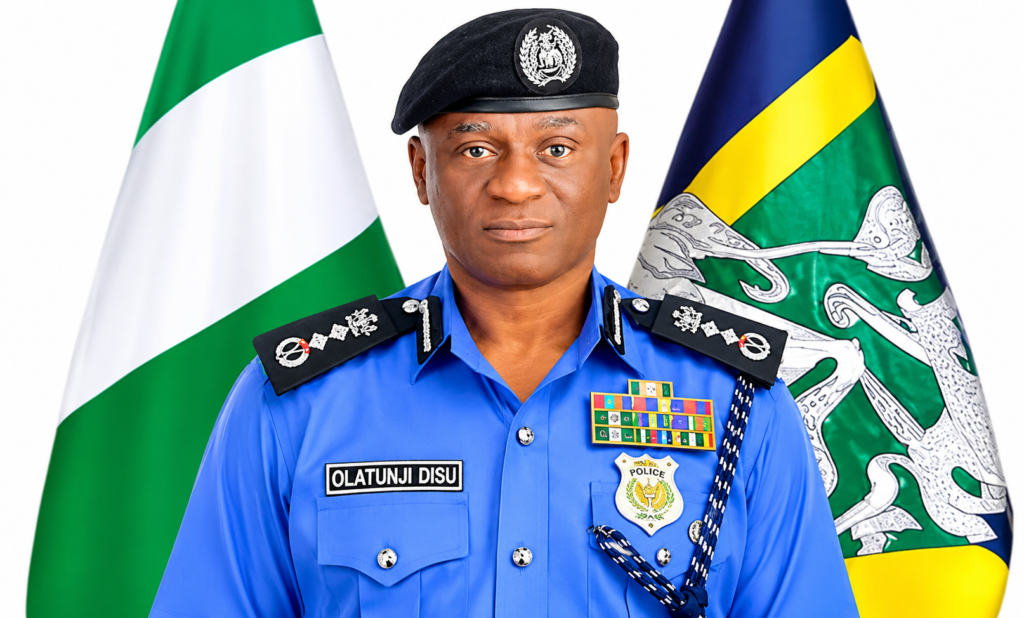
Assistant Commissioner of Police Bashir Abdullahi disclosed the development during a webinar organised by the PUNCH Media Foundation on artificial intelligence, misinformation and Nigeria’s electoral process. He represented Inspector-General of Police Olatunji Disu.
According to the police representative, investigators had uncovered and raided facilities described as phone farms. Such facilities allegedly use large numbers of mobile phones and automated accounts to create artificial online engagement and influence public opinion.
The police also reported the arrest of a suspect accused of circulating false information about a political candidate from southern Nigeria in an attempt to influence voter behaviour and discredit the individual.
The wider concern is the growing capacity of coordinated digital operations to manipulate public discussion through fake accounts, fabricated videos, voice cloning and other forms of misleading content.
The police say they are strengthening cyber-intelligence and digital forensic operations to identify individuals and networks involved in malicious information campaigns.
The challenge, however, will be ensuring that enforcement is based on credible evidence and that measures against misinformation do not become instruments for suppressing legitimate criticism, journalism or political disagreement.
As the 2027 elections approach, the ability of security agencies to distinguish deliberate manipulation from lawful political expression will be an important test of institutional accountability.
Police warn against fake news and fabricated digital content
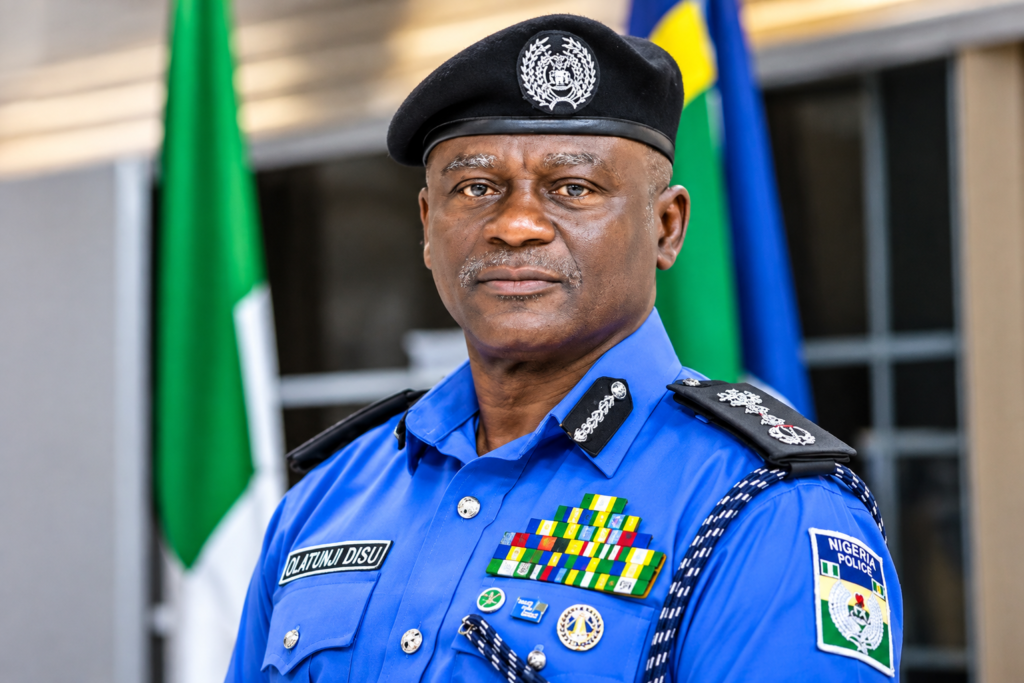
In a related development, Inspector-General of Police Olatunji Disu has warned that individuals responsible for spreading fabricated videos, misleading notices and other digital content capable of causing public panic or insecurity could face prosecution.
Speaking at the annual conference and awards ceremony of the Crime Correspondents Association of Nigeria, Disu said the Nigeria Police Force had strengthened its cybercrime monitoring and digital forensic capabilities.
He said the National Cybercrime Centre monitors online platforms for false and inciting content, with cybercrime operations extended to police criminal investigation departments across the country.
The warning comes amid increasing concerns about the use of artificial intelligence to produce convincing but false audio, images and videos.
While the spread of fabricated content can undermine public confidence and worsen insecurity, the enforcement process must respect constitutional protections, including freedom of expression and the right to a fair hearing.
The key question is whether the police can tackle harmful digital manipulation transparently while protecting legitimate public debate.
CNG bus fire on Lagos-Ibadan Expressway leaves one passenger seriously injured
A compressed natural gas-powered commercial bus caught fire at Berger Bus Stop on the Lagos-bound section of the Lagos-Ibadan Expressway, leaving one passenger with severe burn injuries.
The incident involved a commercial Hiace bus carrying 18 occupants, including the driver, from the Mowe-Ibafo axis towards Lagos.
The Lagos State Traffic Management Authority said its personnel rescued 17 occupants, including the driver. The injured passenger was taken to the Lagos State Trauma and Emergency Centre at Toll Gate for medical attention.
The Lagos State Fire and Rescue Service deployed personnel to extinguish the fire, while officers of the Ojodu Police Division helped secure the scene.
LASTMA General Manager Olalekan Bakare-Oki commended the emergency response and urged commercial transport operators, particularly those using CNG-powered vehicles, to prioritise professional inspections, safety compliance and maintenance of gas storage and delivery systems.
The incident has renewed attention on the safety of alternative-fuel transportation in Nigeria. CNG is being promoted as an alternative to conventional petrol and diesel, but public confidence depends on proper vehicle conversion, certified equipment, maintenance and effective enforcement of safety standards.
The available reports establish that a fire occurred and that emergency responders rescued 17 people. They do not, by themselves, establish the precise technical cause of the incident. Any final determination will require an appropriate investigation.

STORY 2 — 2027 ELECTIONS, GOVERNMENT BORROWING AND PUBLIC ACCOUNTABILITY
Tinubu seeks House of Representatives approval for ₦10.79 trillion external borrowing plan
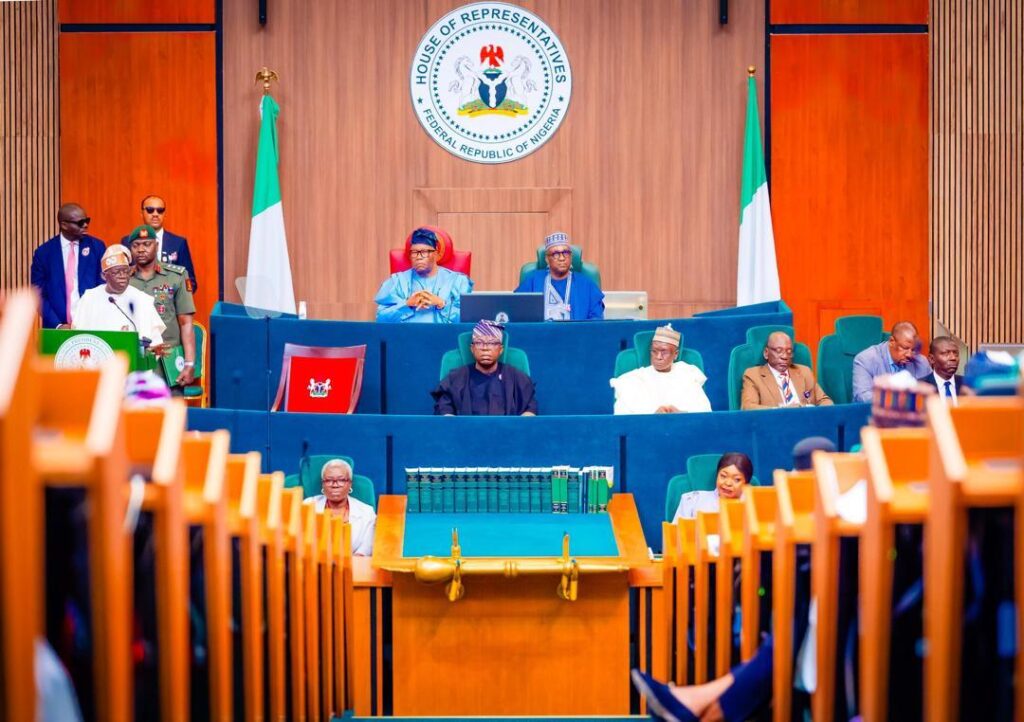
President Bola Tinubu has written to the House of Representatives seeking approval for the Federal Government’s ₦10.79 trillion external borrowing component under the 2026 Appropriation Act.
The request, equivalent to approximately $7.71 billion at the budget exchange rate of ₦1,400 to the dollar, was communicated to the House through a presidential letter read during plenary by Speaker Tajudeen Abbas.
The President said the proposed borrowing would help finance the Federal Government’s budget deficit and support projects contained in the 2026 budget.
The request forms part of a wider borrowing programme of approximately ₦29.22 trillion already provided for in the appropriation framework. The external component is separate from the domestic borrowing provision.
The President cited the need to finance capital projects and sustain the administration’s economic programme. The proposed sources include Eurobond issuance, concessional and commercial loans, multilateral and bilateral financing, and other external financing arrangements.
The House referred the request to its relevant committees for further legislative consideration.
The development places public debt management and legislative oversight back at the centre of Nigeria’s economic debate.
The critical issue is not simply the amount the government intends to borrow, but the cost of the loans, their repayment terms, the projects they will finance and the measurable benefits Nigerians will receive.
It is important to distinguish a request for legislative approval from the actual approval and eventual disbursement of the funds.
STORY 3 — INFRASTRUCTURE, TRANSPORTATION AND ENERGY POLICY
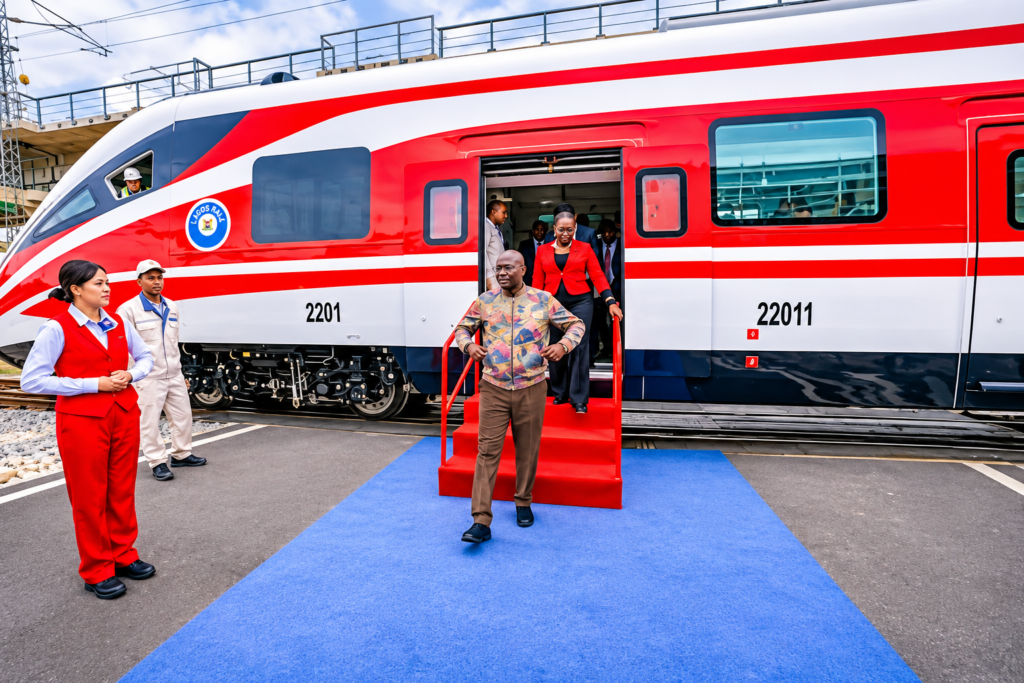
Lagos receives 24 new Red Line train coaches ahead of expanded operations
The Lagos State Government has commenced the offloading of three additional train sets comprising 24 coaches for the Lagos Rail Mass Transit Red Line.
Governor Babajide Sanwo-Olu announced the development, describing the additional trains as part of efforts to increase passenger capacity and improve service frequency along the Oyingbo-Agbado corridor.
Each train set consists of eight coaches and is expected to accommodate up to 2,000 passengers per trip, according to the governor.
The state government said the additional trains were procured with support from the Federal Government and expressed the expectation that they would begin carrying passengers before the end of 2026.
The Lagos Metropolitan Area Transport Authority has previously indicated plans to increase daily Red Line services from nine to 24 following the arrival of additional trains.
The development could improve commuting options for residents travelling between Lagos and neighbouring Ogun State, particularly along a corridor affected by heavy road traffic.
However, the arrival and offloading of train coaches should not be confused with their commencement of commercial operations. Safety checks, technical preparations, service scheduling and operational readiness remain important steps before commuters can benefit.
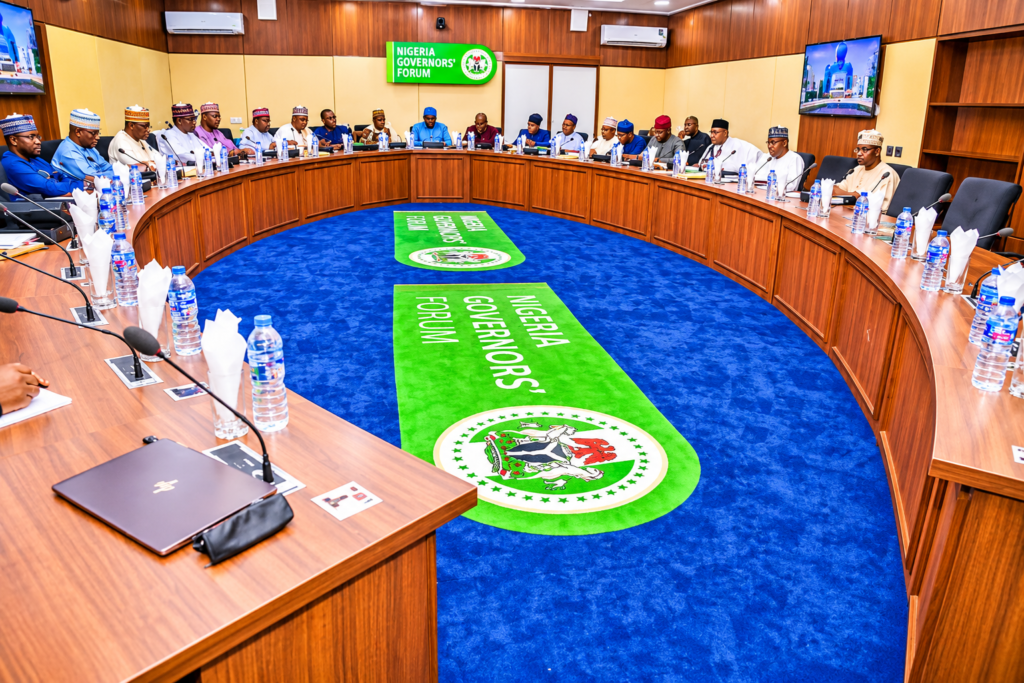
Governors’ Forum works on uniform electricity tariff methodology
The Nigeria Governors’ Forum has disclosed that it is developing a uniform electricity tariff methodology to guide pricing across states.
The development follows the decentralisation of electricity regulation, which has given states greater responsibility in establishing and managing electricity markets within their jurisdictions.
Speaking at the Lagos Energy Summit, the Forum’s representative, Chijioke Chukwu, said the proposed methodology was intended to help states address inconsistencies and navigate the technical challenges associated with determining electricity tariffs.
The move comes as states continue to develop regulatory arrangements and determine how electricity markets should operate under the decentralised framework.
A common methodology could provide guidance and improve consistency in tariff determination. However, a uniform methodology does not necessarily mean that every state will charge the same electricity tariff.
Differences in generation sources, distribution costs, infrastructure, customer categories and market arrangements may still affect the final prices paid by consumers.
The central question is whether the proposed framework will support transparent pricing, protect consumers and encourage investment in electricity supply.
STORY 4 — ECONOMIC RESILIENCE, PUBLIC FINANCE AND SOCIAL PROTECTION
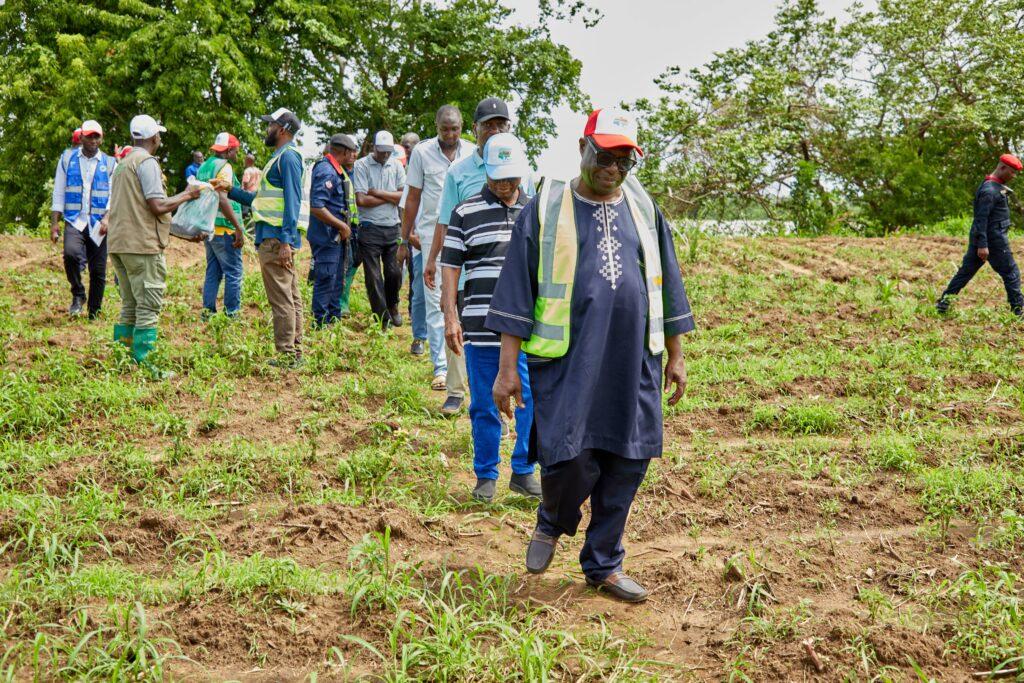
World Bank approves $500 million financing for Nigeria’s flood resilience programme
The World Bank has approved $500 million in additional financing for Nigeria to strengthen climate resilience, tackle flooding, restore degraded agricultural land and improve rural livelihoods.
The funding is linked to the Agro-Climatic Resilience in Semi-Arid Landscapes Project, which is designed to support vulnerable communities across 19 northern states and the Federal Capital Territory.
According to the report, the programme is expected to support the restoration of approximately 1.4 million hectares of land and benefit about 6.6 million people by 2031.
The financing is also expected to support watershed rehabilitation, erosion control, improved water management and more sustainable use of natural resources.
Flooding has repeatedly damaged homes, roads, agricultural land and public infrastructure across Nigeria. In rural communities, climate-related disasters can also worsen food insecurity and increase competition over land and water resources.
The proposed intervention therefore combines disaster resilience with agricultural productivity and environmental restoration.
However, the approval of financing does not mean that all the funds have already been disbursed or that the projected benefits have been achieved.
Implementation, transparent procurement, community participation and effective monitoring will determine whether the programme delivers meaningful improvements.
Federal Government clears pension backlog and funds accrued rights until 2029
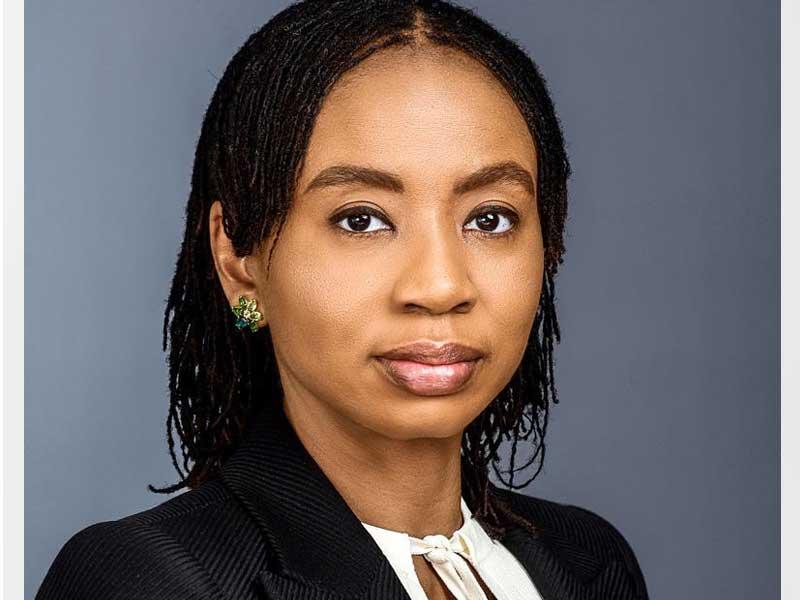
PenCom Director-General Omolola Oloworaran announced the development at the 2026 Pension Correspondents Association of Nigeria Conference in Abuja.
Represented by the commission’s Head of Corporate Communications, Ibrahim Buwai, she said accrued pension rights for enrolled federal workers who have not yet retired had been funded up to December 2029.
The commission also said retirement benefits were now being processed within a maximum of 48 hours from retirement.
The announcement represents an important development in the administration of federal workers’ retirement obligations. A funding surplus could improve confidence among enrolled employees approaching retirement.
However, the announcement concerns accrued pension rights for enrolled federal employees. It should not be interpreted as confirmation that every pensioner in Nigeria, including state and private-sector retirees, has received all outstanding benefits.
The commission’s claims about payment timelines and funding improvements will need to be assessed through sustained implementation and the experience of beneficiaries.
EFCC appeals judgement over $912,550 linked to former Warri refinery managing director
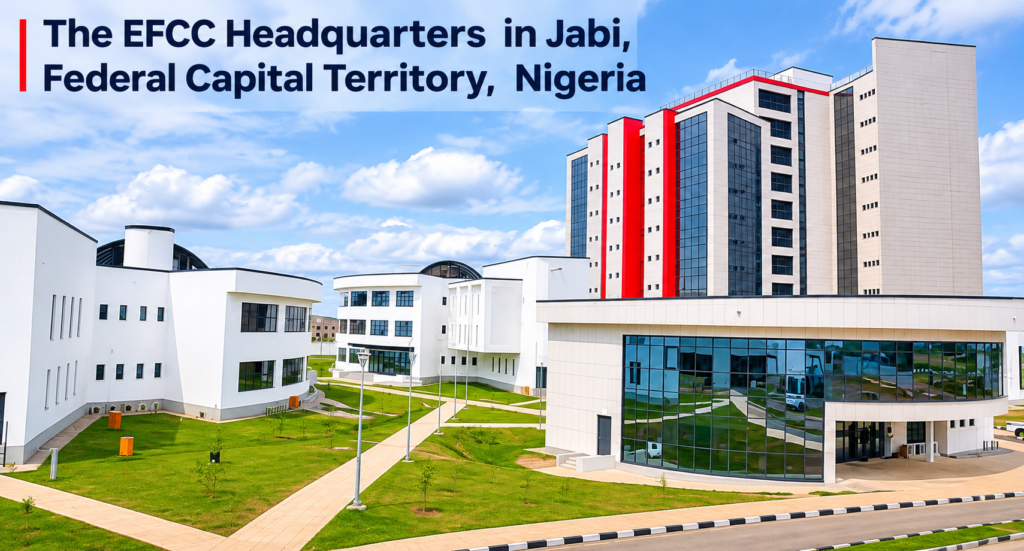
The Economic and Financial Crimes Commission has appealed a Federal High Court judgement that dismissed its asset-forfeiture case involving $912,550 linked to Jimoh Olasunkanmi Yisawu, a former managing director of the Warri Refining and Petrochemical Company.
The appeal followed a ruling by Justice James Omotosho, who dismissed the commission’s application for final forfeiture and lifted the interim forfeiture order on the funds.
The EFCC said it had filed a notice of appeal at the Court of Appeal in Abuja, arguing that the trial court failed to properly evaluate evidence presented in support of its case.
The commission alleged that the former refinery executive transferred $912,550 to bureau de change operators between 2021 and 2025 for conversion into naira.
The former official’s connection to the funds and the allegations remain matters for legal determination. The trial court’s decision did not grant the EFCC the final forfeiture it sought, and the appeal means the dispute is continuing through the judicial process.
The case highlights the importance of accountability in the management of public institutions, but also the need for anti-corruption agencies to establish their claims through evidence and due process.
STORY 5 — EDUCATION, DIGITAL SKILLS AND NATIONAL DEVELOPMENT
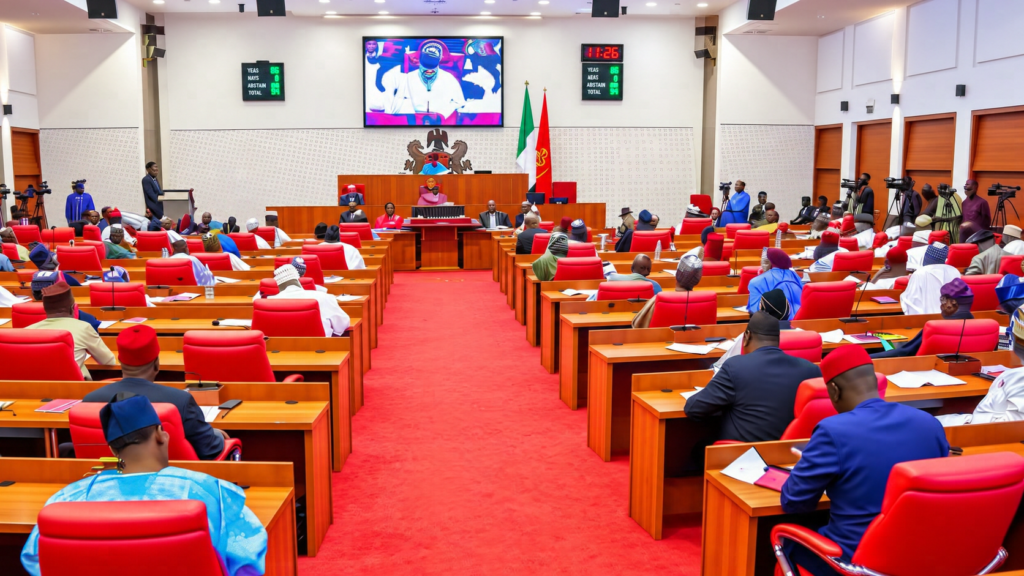
Senate passes bill to amend senior secondary education law
The Senate has passed the National Senior Secondary Education Commission Act Amendment Bill 2026, seeking to strengthen the administration, regulation and coordination of senior secondary education in Nigeria.
The bill, identified as SB 1075, was passed after the upper chamber considered and adopted the report of its Committee on Education, Basic and Secondary.
The legislation seeks to amend the 2023 Act establishing the National Senior Secondary Education Commission.
The proposed changes are intended to strengthen the institutional framework governing senior secondary education and improve coordination within the sector.
The Senate’s action represents an important legislative step, but passage by one chamber does not automatically mean that a bill has become law. The remaining legislative and constitutional processes, including any required concurrence and presidential assent, must be completed.
The outcome will matter to public schools, education administrators, teachers, parents and students, particularly where funding, infrastructure and standards are concerned.
Federal Government opens 3MTT Delivery Network with about ₦4 billion in funding
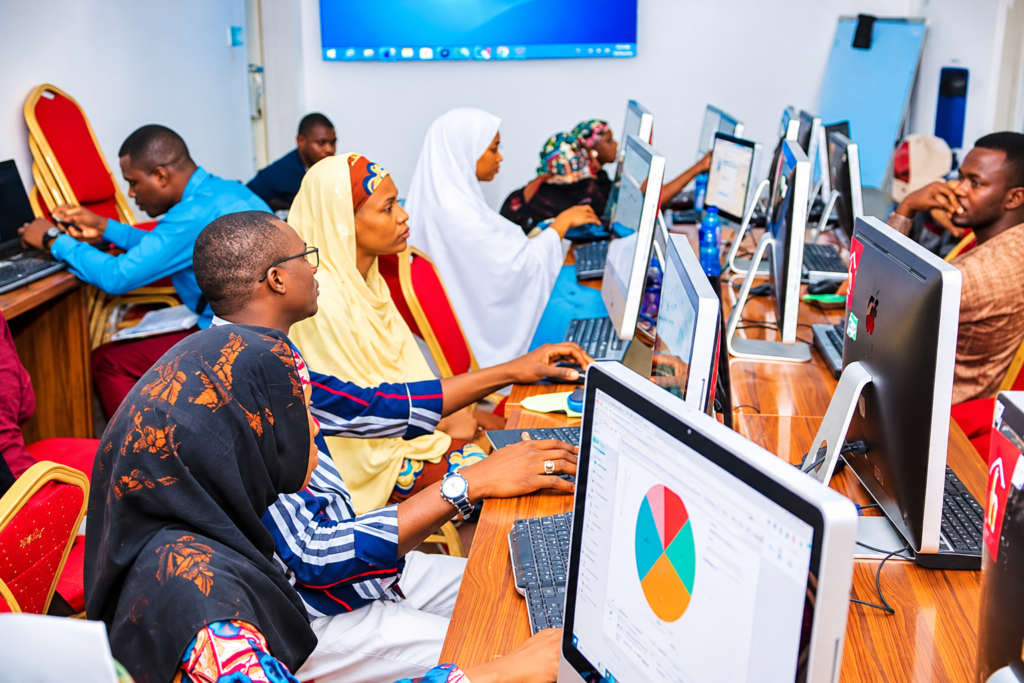
The Federal Government has opened applications for organisations and individual experts to join the Delivery Network of its 3 Million Technical Talent programme.
The Ministry of Communications, Innovation and Digital Economy said approximately ₦4 billion had been earmarked to support verified outcomes under Cohorts 5 and 6.
The programme is designed to connect digital and technical skills training with employment, freelance work and business opportunities.
The new delivery structure provides for different categories of partners, including organisations and experts that train participants and those selected to receive funding based on verified outcomes.
The Federal Government said the initiative is intended to move beyond simply increasing training numbers and strengthen the connection between skills development and actual economic opportunities.
The ministry reported that more than 1.8 million Nigerians had registered on the 3MTT platform and that 179,000 fellows had been trained across four cohorts and the DeepTech programme.
Applications for Cohort 5 funding are scheduled to close on 30 November 2026.
The programme’s success will ultimately depend on the quality of training, access to opportunities, employer participation and the ability of participants to secure and sustain jobs or businesses.
Government selects 50,000 young people in South-West for digital skills training
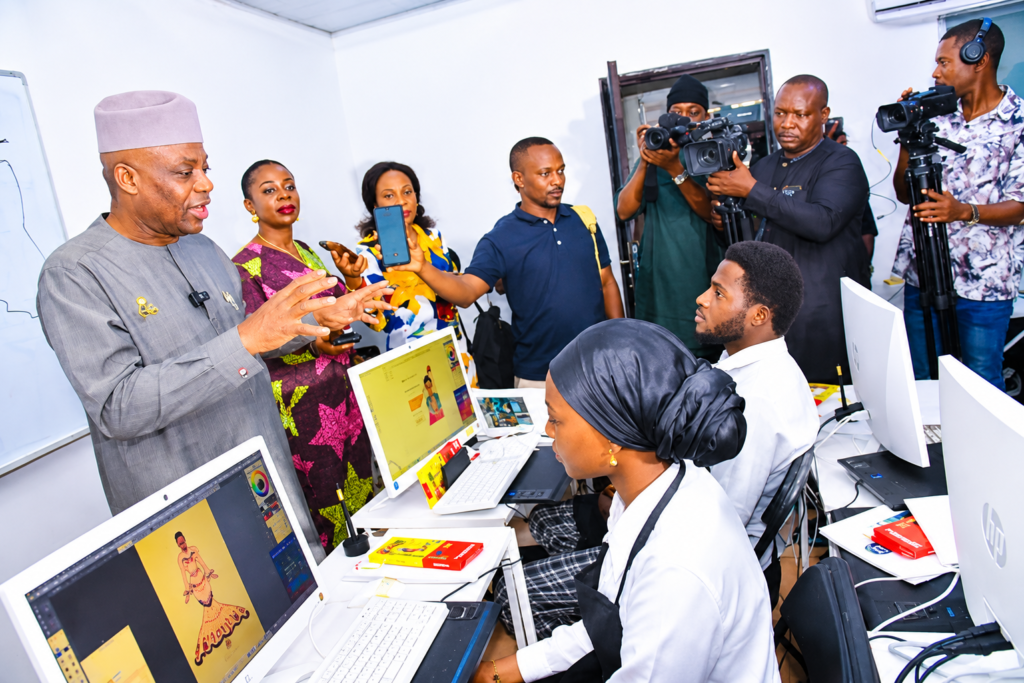
The Federal Government has mobilised and selected 50,000 young Nigerians across the South-West for digital skills training under the Investment in Digital and Creative Enterprises programme.
The initiative is designed to equip participants with practical skills in digital services, creative industries and business process outsourcing.
The selected participants are drawn from Lagos, Ogun, Oyo, Osun, Ondo and Ekiti states. Training is scheduled to begin on 18 November 2026.
The programme forms part of a wider target to reach 300,000 young Nigerians through the iDICE Skills Training-to-Jobs initiative.
The government expects the training to improve access to employment opportunities in Nigeria and international markets, including remote work and digital services.
The announcement is significant because youth unemployment and the shortage of market-ready technical skills remain important development challenges.
However, the selection of 50,000 participants should not be confused with the successful completion of training or the creation of 50,000 jobs. The actual impact will depend on the quality of instruction, access to equipment, industry partnerships and the ability of participants to secure sustainable economic opportunities.
CONCLUSION
The latest Nigeria news today reflects a country confronting several interconnected challenges: public safety, electoral credibility, debt management, infrastructure delivery, climate resilience, education and social protection.
The Federal Government’s request for approval of ₦10.79 trillion in external borrowing raises questions about debt sustainability and the value of public investment. The World Bank’s $500 million flood-resilience financing presents an opportunity to strengthen vulnerable communities, but implementation will determine its real impact.
Developments in pension funding and digital skills training point to efforts to improve social protection and expand economic opportunities. Meanwhile, the Senate’s education legislation and the police’s response to digital misinformation highlight the growing importance of institutional capacity and accountability.
The arrival of additional Red Line coaches offers practical infrastructure development for Lagos commuters, while the CNG bus fire demonstrates why safety standards must keep pace with changes in transportation technology.
Across these stories, one issue remains central: the difference between what institutions announce and what citizens ultimately experience.
For Nigerians, the most important measure of progress will not be the number of policies introduced or funds approved, but whether those decisions produce safer communities, reliable services, stronger institutions and better opportunities.
DSG HERALD NEWS — Bringing Nigerian Affairs into Focus Through Power, Policy and People.
About the Author