Tinubu Poverty Programme: How Nigerians Could Benefit from New Healthcare, Education Initiatives
Millions of Nigerians Could Feel the Impact of Tinubu’s New Poverty Programme
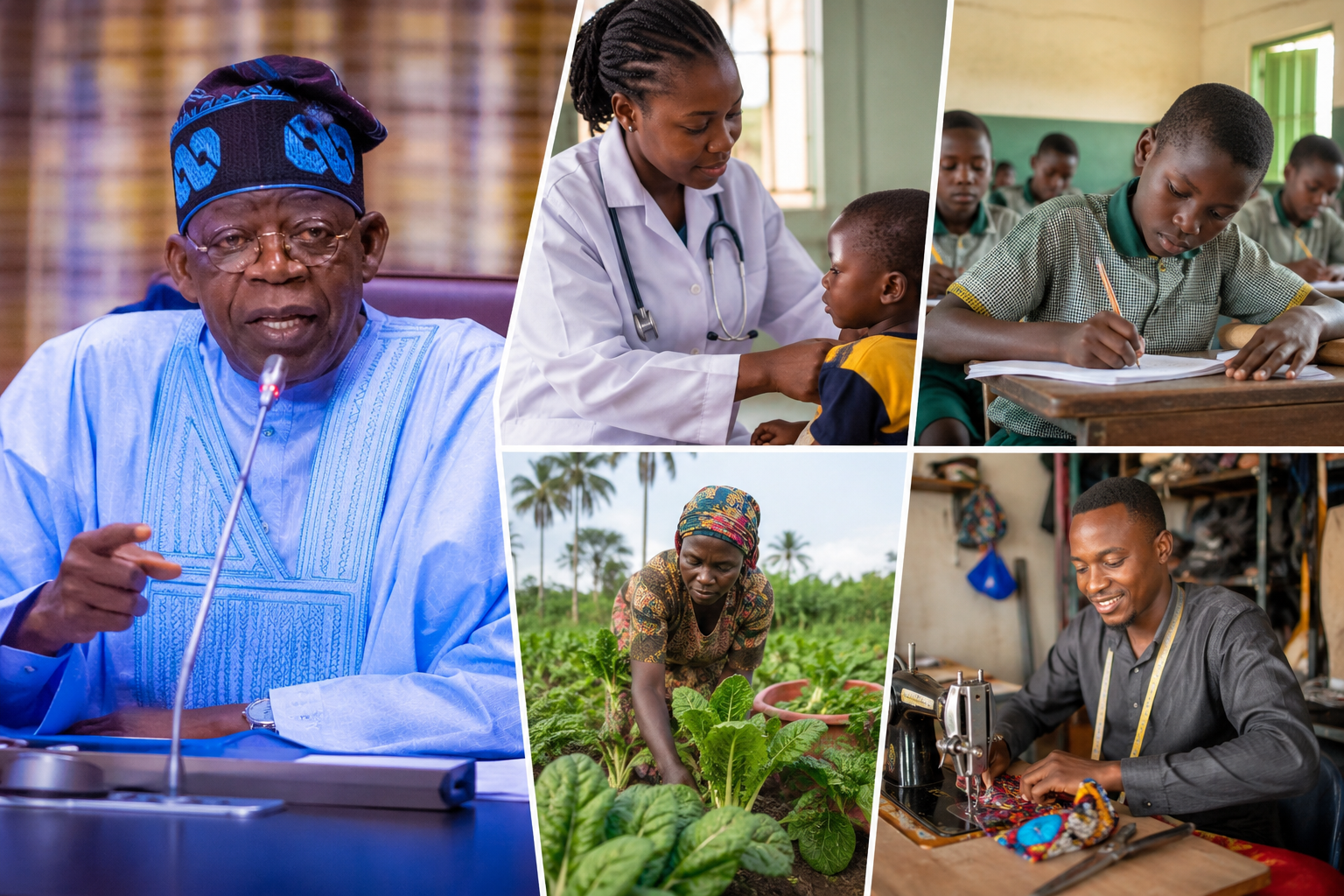
Nigeria has embarked on another ambitious effort to tackle poverty, strengthen public services and improve the lives of vulnerable citizens with the launch of a $3.05 billion package of social intervention and human capital development programmes under President Bola Tinubu’s administration.
Unveiled in Abuja on Thursday on behalf of the President, the coordinated initiatives combine investments in agriculture, healthcare, education, community resilience and support for internally displaced persons (IDPs). The Federal Government says the programmes represent the next phase of the Renewed Hope Agenda, designed to ensure that recent economic reforms translate into tangible improvements for ordinary Nigerians.
Rather than introducing isolated projects, the government says it is implementing a unified national strategy that brings together federal, state and local governments, with significant financial support from the World Bank. The objective is not only to reduce poverty but also to strengthen institutions, improve service delivery and build long-term resilience across communities.
For millions of Nigerians facing rising living costs, unemployment and pressure on public services, the key question is no longer whether new programmes have been announced. Instead, attention is shifting to how these initiatives will affect daily life, who stands to benefit and whether implementation will deliver meaningful results.
A Shift from Economic Reform to Household Impact
Since assuming office, President Tinubu’s administration has pursued wide-ranging economic reforms intended to stabilise public finances and improve long-term growth.
At the launch ceremony, the President said encouraging economic indicators should ultimately benefit households rather than remain visible only in government statistics.
According to the President, the latest interventions are designed to bridge that gap by directing investment towards sectors that directly influence living standards, including healthcare, education, agriculture and social protection.
“This is not just a set of programmes; these are promises kept,” the President said during the launch.
He described the initiatives as practical steps towards fulfilling commitments made under the Renewed Hope Agenda to protect vulnerable Nigerians, empower communities and strengthen the country’s human capital.
That emphasis marks an important policy shift—from focusing primarily on macroeconomic reform to expanding investments intended to produce visible improvements at the grassroots level.
Understanding the Three Major Programmes
Although five individual components were unveiled, they fall under three major programme groups that together account for the $3.05 billion investment package.
They are:
- NG-CARES Additional Financing
- SOLID Programme
- HOPE Programme, comprising:
- HOPE-Gov
- HOPE Primary Healthcare (PHC)
- HOPE-Education
Each programme targets a different aspect of poverty reduction while complementing the others.
Government officials stressed that the initiatives should not be viewed as separate projects but as parts of one coordinated national strategy for improving livelihoods and strengthening communities.
NG-CARES: Supporting Farmers, Small Businesses and Local Communities
The largest immediate funding allocation announced under the Tinubu poverty programme is the Nigeria Community Action for Resilience and Economic Stimulus Additional Financing (NG-CARES).
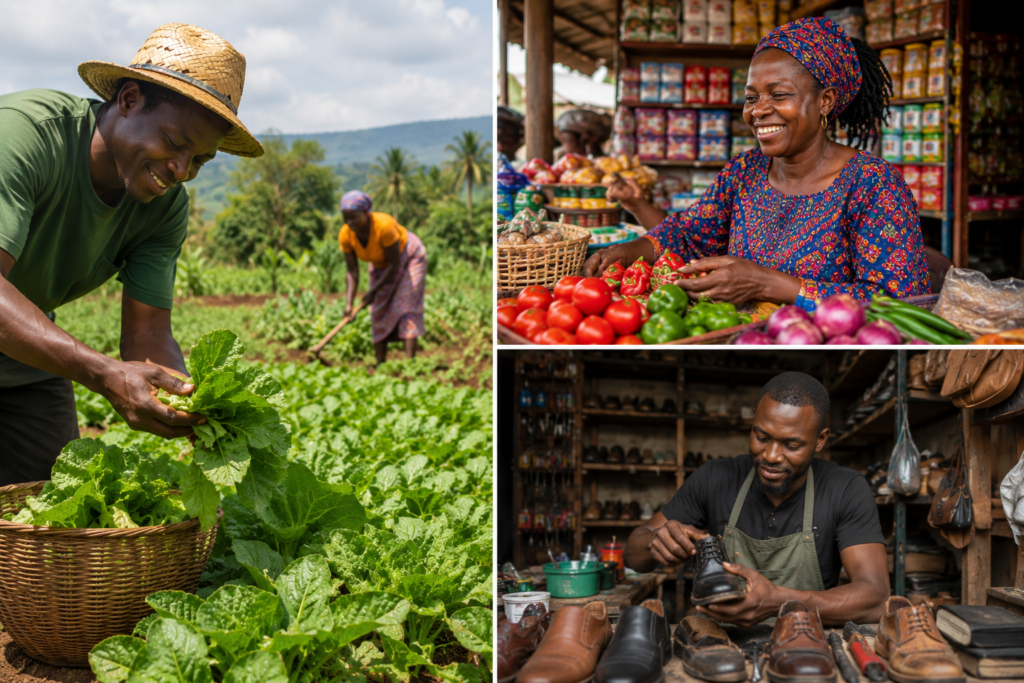
The programme will receive approximately $1.25 billion in financing, with additional World Bank support intended to expand existing interventions. According to the source material, this package includes both new financing and the continuation of the earlier NG-CARES programme.
The initiative focuses on:
- Supporting smallholder farmers
- Assisting micro, small and medium-sized enterprises (MSMEs)
- Improving food security
- Strengthening community resilience
- Expanding livelihood opportunities
- Enhancing social protection systems
Government officials say these investments are intended to help communities recover from economic shocks while improving long-term productivity.
The programme also builds on previous NG-CARES implementation between 2021 and 2025, which officials said reached 17.6 million beneficiaries, including farmers, households and small businesses affected by the COVID-19 pandemic and other socio-economic disruptions.
Rather than starting from scratch, the new financing seeks to deepen those interventions and extend support to additional vulnerable communities.
Why Farmers and Small Businesses Matter
Agriculture remains one of Nigeria’s largest employers, while micro and small businesses form the backbone of economic activity in many communities.
When farmers struggle with production costs or small enterprises lack access to capital, the effects extend far beyond individual businesses. Food prices, household incomes, employment opportunities and local economic activity can all be affected.
By directing substantial funding towards these sectors, the government aims to:
- improve agricultural productivity;
- strengthen local businesses;
- create employment opportunities;
- increase household incomes; and
- improve resilience against future economic shocks.
If effectively implemented, these measures could contribute to broader economic stability while supporting communities that often experience the greatest financial pressures.
Community Resilience Beyond Emergency Relief
One notable feature of NG-CARES is its emphasis on community resilience rather than temporary assistance.
Instead of focusing solely on emergency support, the programme aims to strengthen communities so they can better withstand future economic disruptions.
Officials say this includes investments that help communities recover faster from financial shocks while creating stronger local institutions capable of delivering long-term development outcomes.
This reflects a broader international development approach in which governments increasingly combine social protection with economic empowerment rather than treating them as separate policy areas.
SOLID Programme: Moving Beyond Humanitarian Assistance
The second major pillar of the Tinubu poverty programme focuses on one of Nigeria’s most vulnerable populations—internally displaced persons (IDPs) and the communities hosting them.
Known as the Solutions for Internally Displaced and Host Communities (SOLID) programme, the initiative has been allocated $300 million in World Bank support.
According to the Federal Government, the programme seeks to move beyond emergency humanitarian assistance by helping displaced families rebuild sustainable livelihoods.
Its objectives include:
- restoring livelihoods;
- strengthening community resilience;
- improving access to essential social services;
- supporting local infrastructure; and
- encouraging long-term development rather than prolonged dependency on humanitarian aid.
Officials say the programme recognises that host communities also require support because they often experience increased pressure on schools, healthcare facilities and other public services when accommodating displaced populations.
HOPE Programme: Investing in Nigeria’s Future Through People
While the NG-CARES and SOLID initiatives focus on livelihoods, food security and vulnerable communities, the Human Capital Opportunities for Prosperity and Equity (HOPE) programme represents the Federal Government’s largest direct investment in strengthening the country’s human capital.
Valued at $1.5 billion, the HOPE package is designed to improve governance, expand access to quality healthcare and strengthen foundational education across Nigeria. Government officials say these three pillars are essential for long-term economic growth because healthier, better-educated citizens are more productive and better equipped to contribute to national development.
Rather than operating as a single project, the HOPE package consists of three interconnected components:
- HOPE-Gov, which focuses on improving governance and public sector accountability.
- HOPE Primary Healthcare (PHC), aimed at expanding access to quality healthcare services.
- HOPE-Education, which seeks to improve learning outcomes, teacher development and education governance.
Officials described the three components as complementary, arguing that stronger institutions are needed to deliver effective education and healthcare services while ensuring public resources are managed efficiently.
Strengthening Primary Healthcare
Healthcare forms one of the most significant elements of the Tinubu poverty programme.
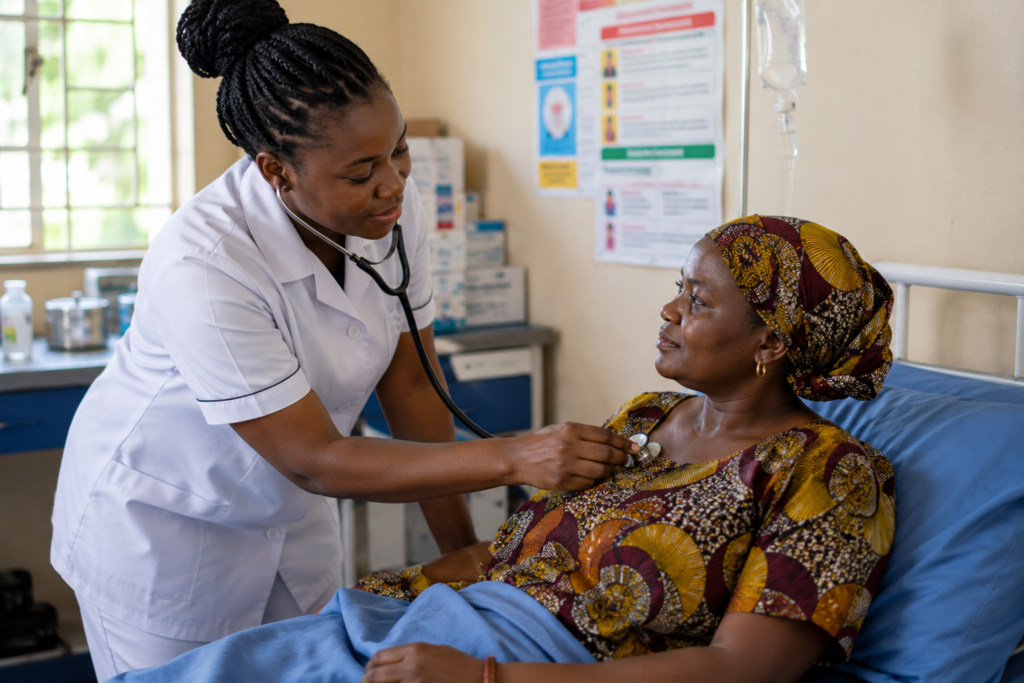
According to Coordinating Minister of Health and Social Welfare, Prof Muhammad Pate, reforms already introduced by the Federal Government are producing measurable improvements in service delivery, and the HOPE Primary Healthcare component is intended to build on those gains.
The minister said the programme aims to improve access to quality healthcare for around 40 million Nigerians while reducing maternal and under-five mortality and strengthening primary healthcare systems across the 36 states and the Federal Capital Territory.
He explained that the programme is intended to ensure that essential healthcare services become more accessible to families, particularly those living in rural and underserved communities.
According to the government, this means expanding access to services such as:
- maternal healthcare;
- childhood immunisation;
- malaria treatment;
- hypertension management;
- routine primary healthcare services; and
- emergency medical support.
Rather than requiring patients to travel long distances for basic treatment, the goal is to strengthen local primary healthcare facilities capable of providing essential services closer to where people live.
Progress Already Reported in the Health Sector
During the programme launch, government officials highlighted several achievements they say demonstrate ongoing progress in healthcare reform.
According to Prof Pate:
- More than 3,000 primary healthcare centres have been revitalised over the past three years.
- Hundreds of additional health facility projects are underway.
- Tens of thousands of frontline health workers have received retraining.
- Quarterly visits to primary healthcare centres have increased significantly compared with 2023.
- Emergency medical transport services have benefited thousands of women and newborns.
These figures were presented as evidence that recent reforms have begun improving access to healthcare services and that the new funding is intended to accelerate that progress.
Education: Preparing the Next Generation
Education represents another major pillar of the HOPE programme.
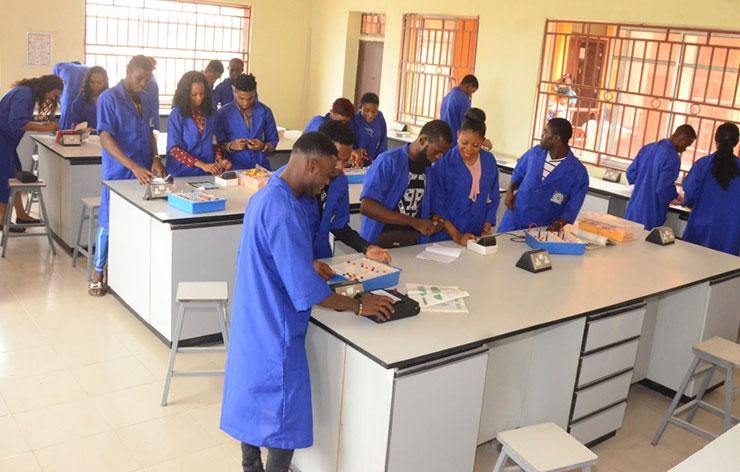
According to Minister of Education Dr Maruf Alausa, the education component—supported by World Bank financing and the Global Partnership for Education—aims to improve learning outcomes for nearly 30 million Nigerian children.
The programme is expected to support:
- approximately 500,000 teachers;
- tens of thousands of public schools;
- improvements in foundational literacy and numeracy;
- stronger teacher development;
- better education governance; and
- expanded monitoring systems to improve accountability.
Officials believe these investments will strengthen learning outcomes while helping prepare Nigerian students with the skills required in an increasingly competitive global economy.
Education experts have long argued that sustained investment in teachers, school infrastructure and learning quality is essential for improving educational outcomes, particularly at the foundational level where literacy and numeracy skills are developed.
The Federal Government says the HOPE programme seeks to address those priorities through coordinated reforms rather than isolated interventions.
Governance: The Foundation of Effective Service Delivery
The third component of the HOPE package focuses on governance.
Although governance reforms often receive less public attention than healthcare or education projects, officials argue they are essential for ensuring that public investments deliver measurable results.
Government representatives say stronger governance systems should help improve:
- accountability;
- transparency;
- financial management;
- public sector efficiency; and
- service delivery at state and local government levels.
By strengthening institutions responsible for implementing healthcare and education programmes, policymakers hope to improve the overall effectiveness of government spending.
Why World Bank Support Matters
A significant portion of the financing announced under the Tinubu poverty programme comes through World Bank support, reflecting continued collaboration between Nigeria and international development partners.
According to the Federal Government, external financing is considered necessary because, although recent macroeconomic reforms have created additional fiscal space, domestic resources alone are insufficient to meet the scale of investment required in the short term.
Budget and Economic Planning Minister Abubakar Bagudu said additional support would help cushion the effects of economic shocks while expanding investments in poverty reduction, healthcare, education and community resilience.
World Bank Country Director for Nigeria Matthew Verghis also welcomed the collaboration, describing the programmes as evidence of the importance of investing in people and expressing confidence that the partnership could improve the lives of millions of Nigerians.
The government’s approach illustrates how international development financing is increasingly being linked to measurable outcomes in health, education, governance and social protection rather than standalone infrastructure projects.
Why These Programmes Matter Beyond the Funding
Although the headline figure—$3.05 billion—has attracted widespread attention, development experts often argue that the effectiveness of such programmes depends less on the size of the investment than on how efficiently it is implemented.
For many Nigerians, the success of the Tinubu poverty programme will ultimately be judged by practical outcomes such as:
- easier access to healthcare;
- better learning conditions in public schools;
- stronger support for farmers and small businesses;
- improved opportunities for displaced families; and
- greater resilience against future economic shocks.
The government’s emphasis on integrating these sectors into a single national strategy reflects an understanding that poverty reduction requires coordinated action across multiple areas rather than isolated interventions.
Implementation Will Determine Success
While the Federal Government has presented the new initiatives as a coordinated strategy for reducing poverty and improving human capital, officials also acknowledge that successful implementation will be the defining factor.
President Bola Tinubu stressed that delivery, transparency and accountability must guide every stage of execution. He called on federal ministries, state governments, local government authorities, development partners and implementing agencies to work together to ensure the programmes produce measurable improvements in the lives of Nigerians rather than remaining policy announcements.
For development programmes of this scale, implementation typically involves multiple institutions, procurement processes, monitoring systems and collaboration across different levels of government. That complexity makes transparency and effective oversight essential to maintaining public confidence.
Key Challenges to Watch
Although the announcement has been welcomed as a significant investment in social development, several issues are likely to influence the programmes’ long-term impact.
1. Transparency and Accountability
With billions of dollars allocated across multiple sectors, Nigerians are expected to closely monitor how funds are distributed and spent.
Regular public reporting, independent monitoring and measurable performance indicators will be important in demonstrating progress.
2. Coordination Across Government
The programmes require cooperation between:
- Federal Government
- State Governments
- Local Government Authorities
- Development partners
- Implementing agencies
Differences in administrative capacity across states could affect the speed and consistency of implementation.
3. Reaching Intended Beneficiaries
Officials say the programmes target:
- Smallholder farmers
- Micro, small and medium-sized enterprises
- Internally displaced persons
- Host communities
- Schoolchildren
- Teachers
- Vulnerable households
Ensuring that these groups receive the intended support will be critical to achieving the programmes’ objectives.
4. Sustaining Long-Term Results
Beyond the initial funding, long-term success will depend on maintaining reforms, strengthening institutions and ensuring continued investment in healthcare, education and community development.
What Nigerians Should Expect Next
The launch marks the beginning rather than the completion of the government’s latest poverty reduction strategy.
In the coming months, attention is expected to focus on:
- Implementation guidelines;
- State-level participation;
- Roll-out schedules;
- Project monitoring;
- Distribution of programme benefits; and
- Public reporting on progress.
For citizens, the most meaningful indicators will likely include improvements in access to healthcare, stronger support for farmers and small businesses, better learning environments in public schools and enhanced assistance for vulnerable communities.
Why This Matters
Nigeria continues to face significant development challenges, including poverty, unemployment, inflationary pressures and unequal access to quality public services.
The Federal Government argues that economic stability alone is insufficient unless it produces tangible improvements in the daily lives of citizens. By combining investments in livelihoods, healthcare, education and governance, the Tinubu poverty programme seeks to address several of these issues simultaneously.
If effectively implemented, the initiatives could strengthen community resilience, improve public services and contribute to long-term economic development. If implementation falls short, however, expectations created by the announcement may prove difficult to meet.
Ultimately, the programme’s legacy will depend not on the size of the financial commitment but on whether millions of Nigerians experience measurable improvements in their quality of life.
Conclusion
The launch of the $3.05 billion Tinubu poverty programme represents one of the Federal Government’s most comprehensive social investment initiatives under the Renewed Hope Agenda.
By integrating the NG-CARES, SOLID and HOPE programmes into a single national framework, the administration aims to reduce poverty, strengthen healthcare and education, support farmers and small businesses, improve the welfare of internally displaced persons and build stronger institutions capable of sustaining long-term development.
Whether these ambitions are realised will depend on transparent implementation, effective collaboration across all levels of government and continuous monitoring of results. For now, Nigerians will be watching closely to see whether the promised investments translate into better schools, improved healthcare services, stronger livelihoods and more resilient communities.
Recommended Coverage
Nigeria’s Economy: The Tinubu Administration – Progress or Crisis?
Understand the broader economic reforms shaping President Tinubu’s policies and why the government believes programmes like the new poverty initiative are necessary.
Explore the opportunities, challenges and debates surrounding Nigeria’s economic direction.
Tinubu’s $516m Loan Seeks Senate Approval
Find out how the Federal Government plans to finance major development projects and why external funding remains central to its economic strategy.
See how this proposed loan complements the newly launched poverty reduction programmes.
FAAC Allocation Hits ₦2.257 Trillion in April
Discover how record federal revenue allocations are being shared across Nigeria and what they mean for states implementing development programmes.
Learn why stronger public finances are expected to support healthcare, education and poverty reduction initiatives.
About the Author