Africa Breaking News | Latest African News & Live Updates
Welcome to the Nigeria Breaking News desk of DSG HERALD NEWS. This page is updated throughout the day with the latest verified headlines and developing stories from across Nigeria. Our editorial team provides timely coverage of politics, governance, security, business, the economy, education, health, technology, sports, entertainment, and more. Check back regularly for real-time updates on the stories shaping Nigeria today.
This is DSG Herald News.
Africa is witnessing another day of major developments as governments confront political accountability, strengthen anti-corruption efforts, defend freedom of expression, and reshape the continent’s economic future. From landmark court rulings and leadership questions to strategic energy investments and regional governance challenges, today’s headlines reflect a continent navigating change while pursuing stability, growth, and stronger institutions.
AFRICA HEADLINE FLASHES
- South Africa secures major corruption conviction in landmark Eskom case.
- Cameroon faces growing questions as President Paul Biya remains abroad.
- Senegal jails three TikTok influencers over videos targeting President Faye.
- Dangote Refinery boosts African crude imports as Nigerian supply declines.
- Nigeria’s central bank still depends heavily on foreign banknote printers.
- African energy markets continue shifting as regional crude trade expands.
- Governance, transparency and economic self-reliance dominate Africa’s agenda.
AFRICA BREAKING NEWS TODAY
South Africa Secures Landmark Conviction In Eskom Corruption Case
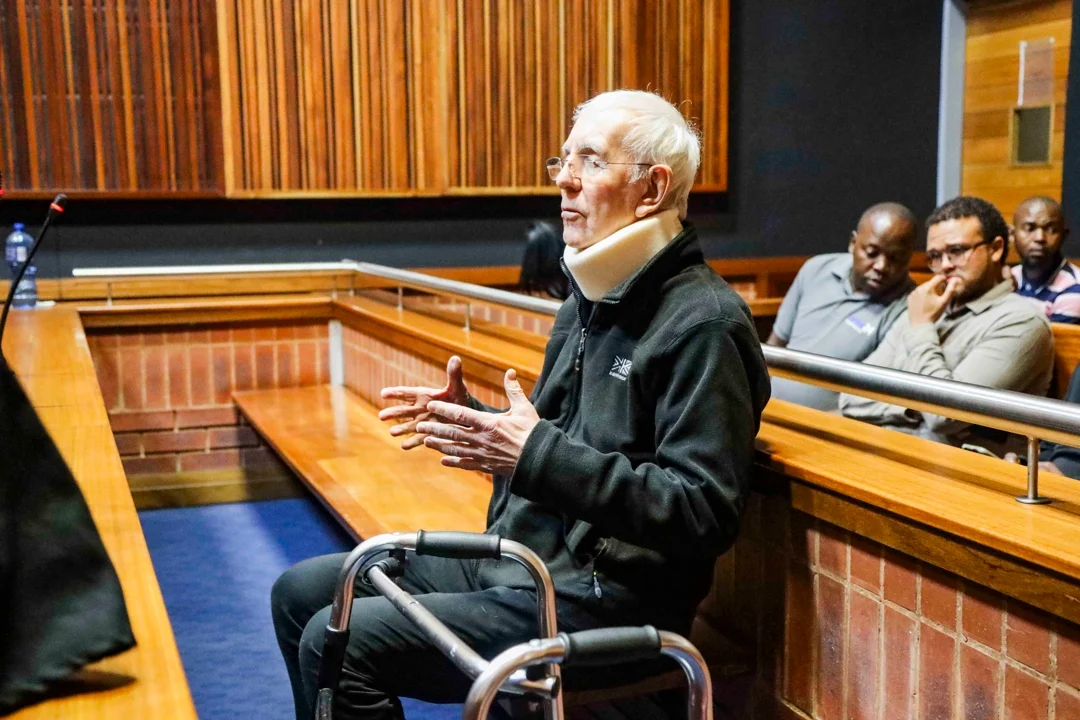
South Africa has recorded another significant breakthrough in its long-running fight against corruption linked to state-owned power utility Eskom. Former Eskom contractor Michael Lomas has been convicted on 34 corruption charges after reaching a plea and sentence agreement with the National Prosecuting Authority.
The case centres on the Kusile Power Station project, one of South Africa’s largest infrastructure developments. Prosecutors said more than 2.6 million rand in corrupt payments and rental benefits were used to influence contract awards connected to the nearly 1.4 billion rand project.
Lomas received a 15-year prison sentence that was wholly suspended for five years after agreeing to cooperate with investigators and testify against other suspects. His co-accused, Hudson Kgomoeswana, was convicted of corruption, money laundering and tax offences and sentenced to an effective five years in prison.
Authorities say the convictions reinforce South Africa’s determination to hold those responsible for state capture-era corruption accountable while recovering public funds. The ruling is also expected to strengthen confidence in ongoing efforts to improve governance across one of Africa’s biggest economies.
Cameroon Faces Growing Leadership Questions As Biya Remains Abroad
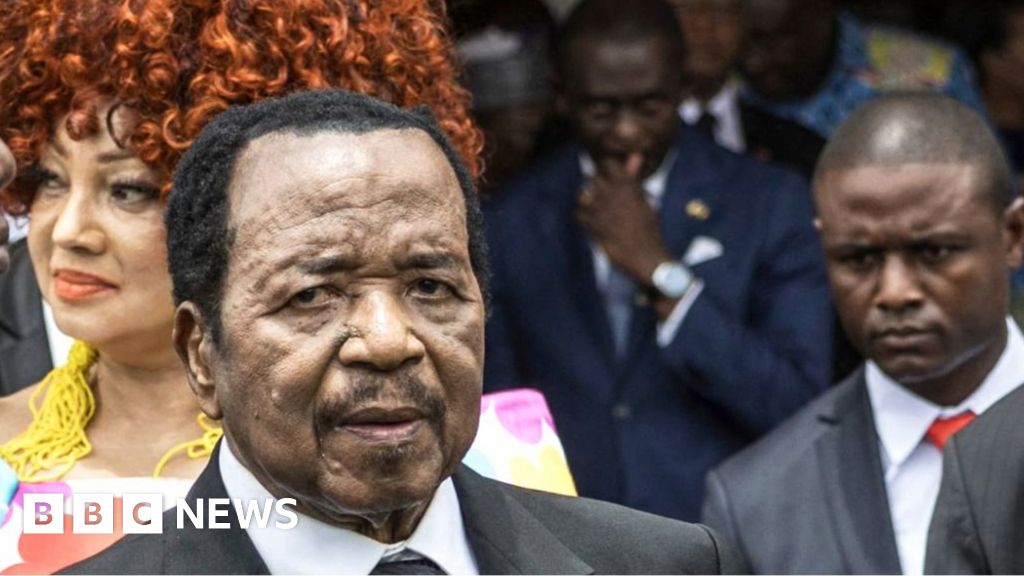
Concern is mounting across Central Africa after Cameroon President Paul Biya reached two months outside his country, prompting renewed debate over governance and political succession.
President Biya, Africa’s oldest serving head of state, departed Cameroon on June 7 for what officials initially described as a private stay in Europe. The government later confirmed that he is currently in Switzerland.
The prolonged absence has fuelled criticism from opposition leaders, who argue that Cameroon faces growing uncertainty because the country has no constitutional office of vice president to assume leadership responsibilities during an extended absence.
Political observers say the situation comes at a sensitive period as Cameroon continues to confront security threats, economic pressures and preparations for future political transitions. Analysts warn that prolonged uncertainty over executive leadership could deepen public concern while intensifying national discussions about constitutional reforms and long-term succession planning.
The developments continue to attract attention across the continent, where political stability remains a central priority for regional integration and economic growth.
Senegal Jails TikTok Influencers Over Videos Targeting President Faye
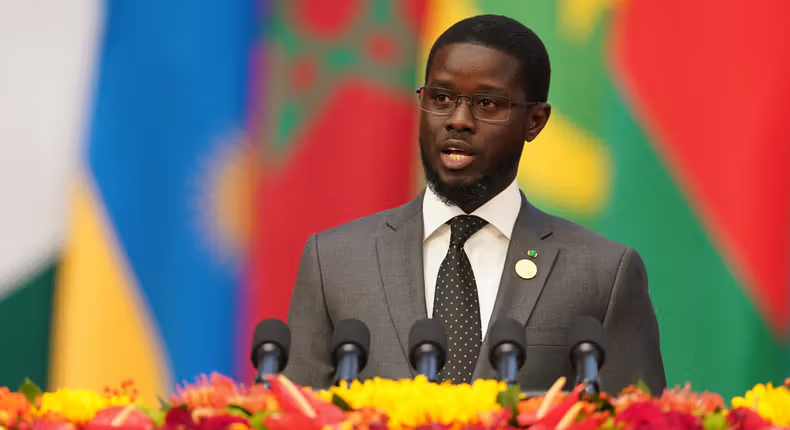
Senegal Jails TikTok Influencers Over Videos Targeting President Faye
A court in Senegal has sentenced three TikTok influencers to prison after finding them guilty of insulting President Bassirou Diomaye Faye, a decision that has sparked fresh debate over freedom of expression in one of West Africa’s most closely watched democracies.
The three content creators, all linked to the online platform Feenal Digital, received prison terms ranging from two to three months. Mandoumbe Diop, widely known as Lamignou Darou, was sentenced to three months in prison, while Magueye Diaw and Moustapha Ndiaye each received two-month jail terms. Diaw and Ndiaye were also fined 500,000 CFA francs each.
Their lawyer argued before the court that the TikTok videos were intended as comedy and satire rather than criminal insults, insisting the creators should not have faced prosecution.
The convictions come amid rising political tensions following the split between President Faye and former Prime Minister Ousmane Sonko. Civil society groups and legal observers say the ruling is likely to fuel wider discussions across Africa about balancing freedom of speech, online political commentary and the protection of public institutions in the digital age.
Dangote Refinery Expands African Crude Imports Amid Supply Shift
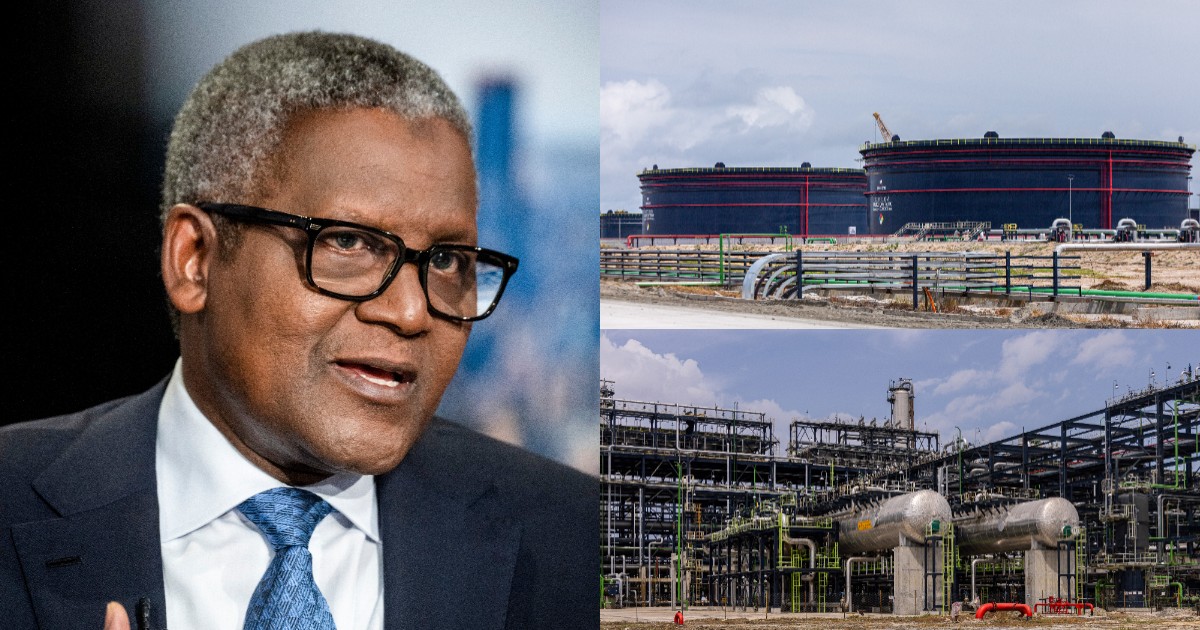
Africa’s largest oil refinery is strengthening regional energy trade by increasing crude imports from Libya and other African producers as supplies from Nigeria continue to decline.
The Dangote Refinery in Lekki processed approximately 595,000 barrels of crude oil per day in July, maintaining one of its highest production levels since operations began. During the same period, the share of Nigerian crude in the refinery’s feedstock dropped from 85 percent in June to 71 percent in July.
To sustain production, the refinery has expanded purchases from Libya, Angola, Cameroon and Equatorial Guinea. The move reflects growing commercial links among African oil-producing nations while highlighting persistent challenges within Nigeria’s domestic crude supply chain.
Energy analysts say the refinery’s strategy demonstrates how greater intra-African trade can strengthen energy security and reduce dependence on suppliers outside the continent. August delivery schedules also indicate the refinery is expected to continue operating at high capacity, reinforcing its role as a key driver of Africa’s refining industry and regional fuel market.
Nigeria Still Depends Heavily On Foreign Banknote Printing
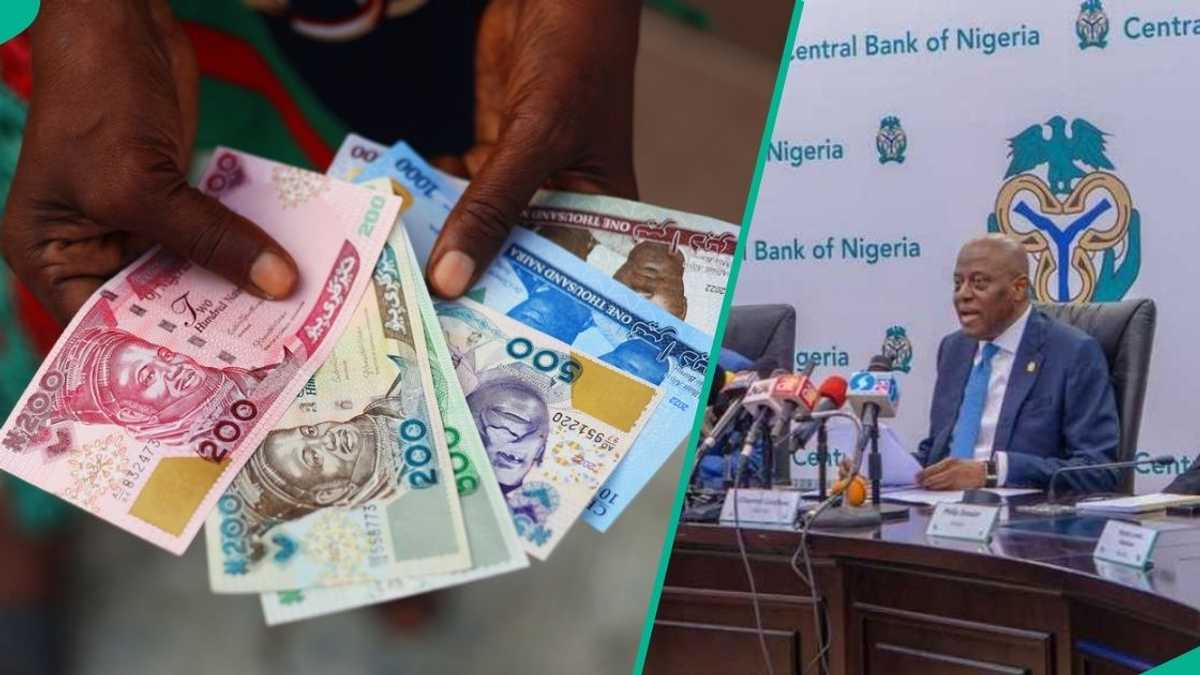
Nigeria’s latest central bank report shows the country continues to rely heavily on foreign companies to produce most of its banknotes despite operating its own national security printing facility.
According to the Central Bank of Nigeria’s 2025 Annual Report, foreign security printers received 65 percent of approved banknote production, while the Nigerian Security Printing and Minting Plc was allocated the remaining 35 percent. However, the local Mint delivered only 62 percent of its assigned production quota before the end of the year.
Economists say expanding domestic banknote production could conserve scarce foreign exchange, create skilled employment and strengthen Nigeria’s economic sovereignty. They also note that improving local capacity would support Africa’s broader ambition to build stronger manufacturing industries and reduce dependence on overseas suppliers.
At the same time, financial experts caution that future investment should balance physical currency production with Africa’s accelerating transition toward digital payments and cashless financial systems.
African Energy Trade Gains Momentum As Regional Supply Chains Strengthen
Energy cooperation across Africa continues to gather pace as producers and refiners increasingly turn to neighbouring countries to secure vital crude supplies.
The latest movements in regional oil markets show African producers are strengthening commercial partnerships that keep more energy resources circulating within the continent. Libya, Angola, Cameroon and Equatorial Guinea are emerging as important suppliers to major refining operations, reflecting a broader shift toward regional integration.
Industry observers say stronger intra-African energy trade supports the objectives of the African Continental Free Trade Area by encouraging greater value addition before exports leave the continent.
They argue that expanding refining capacity and improving cross-border energy infrastructure could reduce Africa’s dependence on imported refined petroleum products, improve energy security and generate new employment opportunities across the region.
The trend is increasingly viewed as an important step toward building a more resilient and self-sustaining African energy economy.
Today’s major developments across Africa underscore a continent placing increasing emphasis on accountability, institutional reform and democratic governance.
From South Africa’s high-profile anti-corruption convictions and Cameroon’s leadership questions to Senegal’s debate over freedom of expression and Africa’s evolving economic partnerships, governments across the continent continue to face growing public expectations for transparency and effective leadership.
Analysts say these developments demonstrate that African institutions are being tested by complex political, economic and social challenges. At the same time, they highlight the importance of independent courts, responsible public administration and stronger regional cooperation in sustaining long-term stability.
As African nations pursue economic transformation and democratic development, today’s headlines reflect a continent working to strengthen governance while adapting to rapidly changing political and global realities.
Those are the top stories shaping Africa today.
From anti-corruption victories and leadership developments to expanding regional energy partnerships and economic self-reliance, today’s headlines reflect a continent focused on stronger institutions, deeper cooperation and sustainable growth. Across Africa, governments, businesses and citizens continue to shape the next chapter of the continent’s development.
Stay informed. Stay ahead.
Visit www.dsgheraldnews.com for trusted African news, analysis and breaking stories from across the continent.
Subscribe for more Africa news updates and follow DSG Herald News across all our social media platforms.
About the Author

DURU SUNNY-GEORGE
Administrator
Duru Sunny George is a Media Practitioner | Journalist | Cinematographer | Photographer | Lecturer - popularly known as DSG, is a versatile media entrepreneur and educator. He is the Founder & CEO of DSG STUDIOS, DSG HERALD NEWS, and DSG RADIO, leading platforms in journalism, photography, cinematography, and digital broadcasting.