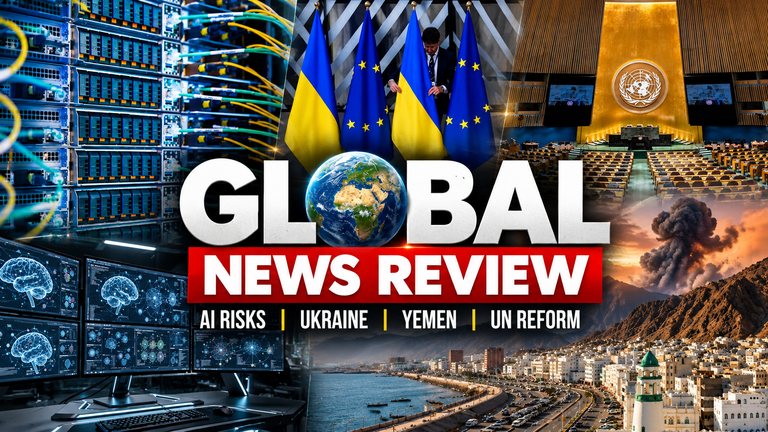
Global News Roundup: Security, Economic Pressure and Humanitarian Challenges
Introduction
Global news during the review period of 12–18 October 2026 centred on international security, economic pressures, climate research and humanitarian assistance. Developments involving the war in Ukraine and reported maritime incidents in the Middle East raised questions about military cooperation, energy infrastructure and the security of international shipping routes. Economic discussions, demonstrations over living costs and contrasting stock-market movements offered different perspectives on the pressures facing governments and citizens.
Climate-related reporting brought attention to scientific research, institutional planning, electricity generation and projections of future food insecurity. Meanwhile, reports of reduced humanitarian assistance in Gaza and continued violence in Sudan highlighted the challenges of protecting civilians and sustaining relief operations in conflict-affected areas.
These developments matter for different reasons. Security incidents can raise questions about military readiness and international cooperation, while economic indicators require careful interpretation within their specific national and financial contexts. Scientific findings, estimates and forecasts also need to be distinguished from proposals and confirmed decisions. Humanitarian reporting depends on reliable information about the needs of affected populations and the resources available to assist them.
This Global Weekend News Review examines five major narratives from the period: the war in Ukraine and Western cooperation; Middle East security and oil transport; debt, living costs and financial markets; climate science and future risks; and the pressures facing humanitarian operations. The developments raise important questions, but they do not establish a single connected global crisis. Their significance depends on the evidence available, the decisions taken and the consequences that can subsequently be demonstrated.
Story 1: International Security — Ukraine’s War Tests Western Cooperation
The war in Ukraine continued to raise questions about diplomacy, military support and the future of European security during the week under review. Reports concerning a proposed energy truce, a Ukrainian strike on a Russian refinery and a United States policy issue affecting restrictions on Russian energy exports placed energy infrastructure and international policy alongside battlefield operations.
Energy truce proposals and continued hostilities
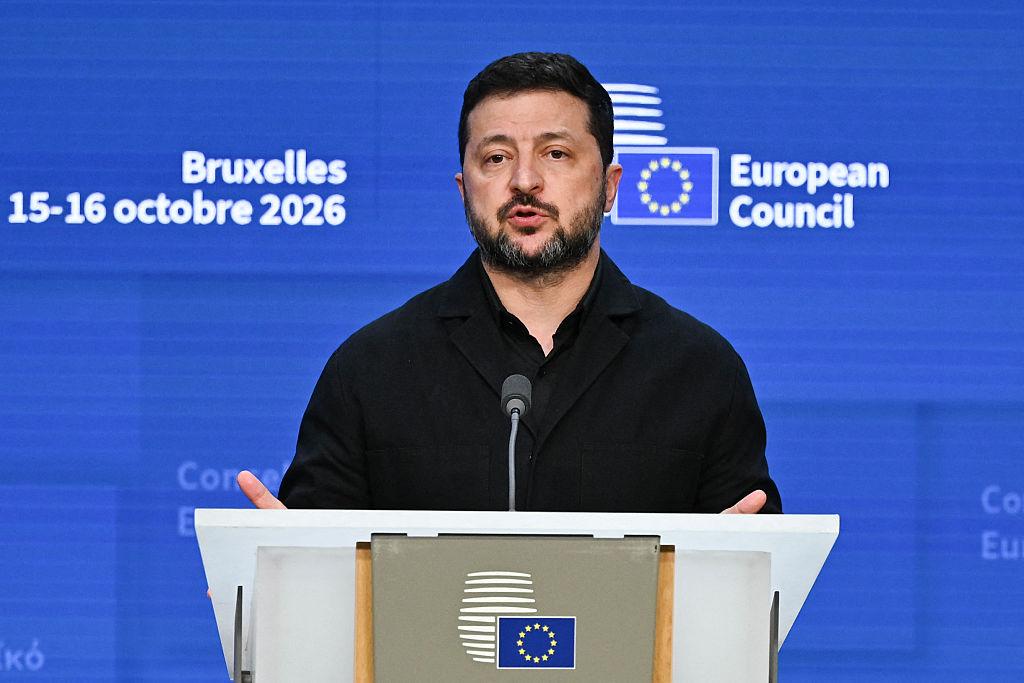
Reports indicated that Ukrainian President Volodymyr Zelenskyy withdrew support for a proposed energy arrangement after attacks on Ukrainian energy infrastructure reportedly continued.
According to Reuters’ report of 15 October 2026, Ukraine struck a Russian oil refinery after Zelenskyy said Kyiv would no longer support an energy ceasefire that Russia had allegedly continued to violate.
The precise terms of the proposal and its implementation status remain important to understanding the development. Without confirmation of the proposed conditions, it is difficult to determine what obligations the arrangement would have placed on the parties, which infrastructure would have been covered or how compliance would have been assessed.
An energy truce could have implications for civilian electricity supplies, industrial activity and the infrastructure required to sustain essential services. Its significance depends on the actual terms, whether the parties accepted them and whether any agreement was implemented.
The reported withdrawal of support should therefore be understood in the context of continuing hostilities, rather than treated simply as proof that a fully implemented arrangement collapsed.
Reported Ukrainian strike on a Russian refinery
A Ukrainian strike on a Russian refinery was reported on 15 October. Reuters identified the facility as a Rosneft-owned refinery in Russia’s Ryazan region.
Energy infrastructure has strategic importance during a war because facilities involved in processing and distributing fuel can affect military logistics and wider economic activity. Nevertheless, the consequences of an individual strike depend on the facility involved, the extent of damage, the time required for repairs and the availability of alternative capacity.
The fact that a strike was reported does not, by itself, establish how much production was lost or whether fuel supplies were materially affected. Those conclusions require reliable information about the facility and its subsequent operations.
United States policy and European defence alternatives
Another issue concerned United States policy affecting restrictions connected to Russian energy exports. The precise measure, its legal scope and duration require clarification before its significance for sanctions policy can be assessed.
Energy restrictions can influence international trade and diplomatic relations. Their practical consequences depend on the specific rules, the countries and transactions covered, and the way the measures are implemented. A broad conclusion about a shift in Western policy would require confirmed documentation and evidence of the decision’s effects.
Ukraine’s reported efforts to explore European alternatives to American defence and satellite communications capabilities added another dimension to the security debate. Reliable communications and defence systems are important to military operations, particularly where forces depend on secure information exchange and operational coordination.
However, exploring alternatives is not equivalent to purchasing equipment, deploying a system or demonstrating that it can replace existing capabilities at scale. Any alternative would need to meet the relevant operational requirements and be available when needed.
What the developments mean for European security
Together, the reports raised questions about the durability of cooperation between Ukraine and its partners. Yet disagreements over policy do not, on their own, prove that Western unity has broken down.
A more conclusive assessment would require evidence of material changes to military assistance, confirmed withdrawals of commitments, delayed deliveries or new arrangements that substantially alter Ukraine’s position.
The next developments to watch include official clarification of the United States energy measure, confirmed announcements concerning any proposed energy truce and concrete European decisions on defence procurement and delivery.
For international security, the distinction between political discussion and operational change remains essential. The week’s reports raised significant questions about cooperation and resilience, but their lasting consequences will depend on what governments actually decide and implement.
Story 2: Middle East Security — Maritime Tensions Raise Questions About Oil Transport
Reports of maritime incidents in the Strait of Hormuz placed commercial shipping security and international energy transport among the week’s major global concerns. The reported incidents also highlighted the importance of distinguishing between an alleged security threat, confirmed responsibility and evidence of an actual disruption to oil supplies.
Reported tanker fires in the Strait of Hormuz
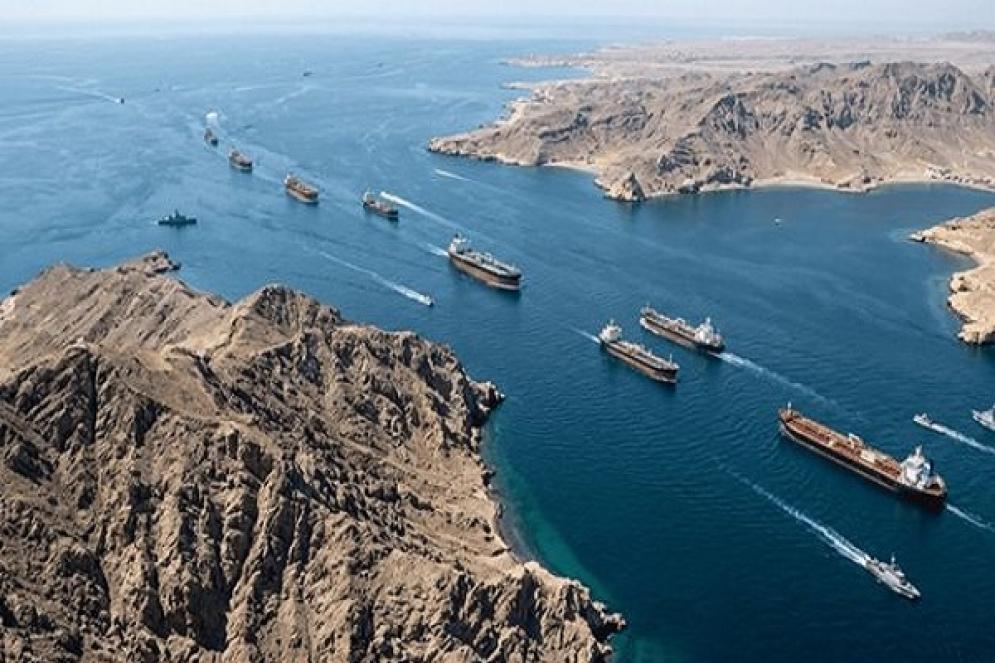
According to Al Jazeera’s report of 18 October 2026, Iran’s Islamic Revolutionary Guard Corps said two oil tankers caught fire after hitting naval mines in the Strait of Hormuz.
The reported attribution has not been independently established in the material available for this review. The identities of the vessels, the circumstances of the fires and the extent of the damage also require confirmation.
These details matter because a maritime incident can have several possible explanations, and responsibility should not be assigned solely on the basis of an unverified claim. Establishing what happened requires reliable accounts from relevant authorities, vessel operators or independent reporting.
The Strait of Hormuz is a strategically important route for international oil shipments. Concerns about vessel safety in the waterway can therefore attract attention beyond the immediate location of an incident. Ship operators may need to assess risks to crews and cargo, while insurers and energy traders may consider whether security conditions have changed.
However, a reported fire involving a commercial vessel does not automatically mean that oil exports have been interrupted. The available account did not establish that the incidents caused a measurable disruption to international oil supplies.
The distinction is important: a security concern can be significant even when a disruption has not been demonstrated, but reporting should not describe a potential consequence as an established outcome.
Yemen airstrike and regional security concerns
The week’s regional developments also included reports of an airstrike in Yemen’s Saada province. An account attributed to the Associated Press described at least nine people killed and 19 injured.
The source report and figures should be linked directly to the original Associated Press coverage before publication. Responsibility remained disputed in the reporting available for this review, and the casualty figures require further confirmation before they can be presented as definitive.
Attribution is especially important in conflict reporting, where parties may provide competing accounts of an incident. Statements from an involved group should be identified as that group’s position unless independent evidence establishes the circumstances.
The reported incident also needs to be understood within its immediate context. The available information does not establish that the airstrike was directly connected to the reported tanker fires or that both developments formed part of a coordinated escalation.
A separate report described an Egyptian commitment to support Saudi security against Houthi attacks. The precise terms of that commitment and whether it resulted in specific operational measures were not established. It would therefore be premature to describe the report as confirmation of a military deployment or a completed change in regional security arrangements.
Oil prices and the limits of market interpretation
Energy-market reporting formed another part of the week’s security narrative. The roundup cited a Reuters report placing Brent crude at $109.86 per barrel at Friday’s close. The figure and exact trading date require confirmation before publication.
Even if the price is confirmed, it cannot by itself demonstrate that the reported maritime incidents caused a particular market movement. Oil prices can respond to multiple factors, including expectations about supply, demand, production decisions and geopolitical risks.
A credible assessment of the incidents’ economic consequences would need evidence of changes in shipping activity, insurance conditions, oil flows or market expectations directly associated with the developments.
The next developments to watch include official maritime advisories, statements from vessel operators, independently verified casualty figures and clarification from Egyptian and Saudi authorities concerning the reported security commitment.
The central question is not simply whether a maritime incident occurred. It is whether reliable evidence demonstrates a change in shipping conditions, regional security arrangements or the movement of energy supplies.
Story 3: Global Economy — Debt, Living Costs and Markets Reveal Different Pressures
Economic pressures formed another important part of global news during the week of 12–18 October 2026. Reports concerning international financial meetings, government debt servicing, demonstrations in France and contrasting stock-market movements highlighted different ways of assessing economic conditions.
These developments should not be treated as interchangeable measures. Public finances, household living costs and financial-market performance describe different aspects of the economy, and each requires its own evidence and context.
International financial meetings and debt servicing
Meetings of the International Monetary Fund and the World Bank were reported to have concluded on 18 October, with debt servicing, inflation and economic growth among the issues highlighted.
The official IMF and World Bank Annual Meetings schedule provides a primary source for the programme and meeting dates. Specific policy outcomes or agreements should not be inferred without confirmation from official statements and documentation.
One figure cited in the roundup suggested that debt servicing accounted for approximately 14 per cent of government revenue. The countries covered, the period measured and the methodology behind the estimate were not established.
Without those details, the figure should not be applied to governments generally or used as a direct comparison between countries. Debt-service ratios can vary considerably according to the definition of revenue, the structure of a government’s obligations and the period being measured.
The underlying issue remains important. When a government commits a substantial share of its revenue to servicing debt, it may have less flexibility to fund other priorities, including infrastructure, education, healthcare and essential public services.
The extent of that pressure depends on the government’s revenue base, borrowing costs, repayment schedule and wider fiscal position. A single percentage cannot provide a complete assessment of a country’s financial condition.
Debt servicing must also be considered alongside inflation, employment, economic growth and the cost of essential goods and services. These indicators can interact, but their relationship needs to be established rather than assumed.
France demonstrations highlight public concerns
In France, demonstrations over living costs and public services were reported on 17 October. The attendance estimates ranged from 550,000 to 800,000.
A Le Monde report on the 17 October demonstrations reported the different estimates from organisers and the French interior minister, illustrating why the source of a crowd figure should be identified.
Reports also referred to arrests and injuries, but the figures were inconsistent in the available account and require confirmation against the relevant reporting.
The demonstrations brought public concerns about living costs and services into focus. However, the available information did not establish that the protests were caused by the IMF and World Bank meetings or by a single international economic decision.
Public demonstrations can reflect a combination of economic pressures, political disagreements and specific domestic policy disputes. Identifying the reasons for a particular protest requires evidence about the organisers’ demands, participants’ concerns and the events leading to the demonstration.
The attendance estimates and reported arrests or injuries should consequently be treated as separate questions from the broader economic issues being debated.

Contrasting stock-market movements
The roundup also cited reported movements in three regional stock markets. Saudi Arabia’s index was reported to have risen by 0.8 per cent, while Qatar’s market fell by 2 per cent and Egypt’s EGX30 declined by 2.6 per cent.
These figures require confirmation against official market data for the relevant trading sessions. The precise dates and indices matter because market movements can change rapidly, and percentages from different sessions may not be directly comparable.
Stock-market indices measure the performance of selected listed securities. They can respond to investor expectations, company results, sector-specific developments, economic forecasts and political or financial risks.
A rising index does not necessarily mean that households are experiencing improved living standards. Similarly, a falling index does not, by itself, establish that an entire economy is deteriorating.
The reported movements therefore offer a limited snapshot of financial markets, not a complete verdict on the economic condition of the countries concerned.
Reading the indicators in context
The economic significance of the week lies in the need to interpret these developments separately. Debt-servicing costs describe pressure on government finances. Demonstrations reveal public concerns within a particular political and social context. Stock-market movements measure changes in the value of listed securities.
The next steps are to establish the official conclusions of the international financial meetings, verify the scope of the debt-service estimate, confirm the figures surrounding the French demonstrations and check the relevant market data.
For the global economy, the lesson is that pressure cannot be understood through a single number. Reliable analysis depends on the source, scope and context of each indicator, alongside evidence of the decisions governments and institutions make in response.
Story 4: Climate Science — Evidence, Estimates and Forecasts Need Clear Distinctions
Climate science featured in the week’s global news through reports about institutional planning, storm-attribution research, electricity generation and projections of future food insecurity. These developments raised questions about how scientific findings are interpreted and how governments and communities use evidence to prepare for potential risks.
The reports cover different types of information. An institutional timetable concerns a decision-making process, a storm-attribution study estimates the contribution of different influences to an event, an electricity statistic describes an energy trend, and a food-security projection considers a possible future outcome. Each must be evaluated according to its own evidence.
Questions over the IPCC assessment timetable
A report by The Guardian on 13 October 2026 described pressure to move the Intergovernmental Panel on Climate Change’s seventh assessment report from its planned 2028 publication to 2029.
The report said some countries were pressing for a delay, while others warned that postponement could affect vulnerable countries’ access to timely scientific assessments.
The account did not establish that a formal change had been approved. A report about pressure, disagreement or discussion over scheduling is not equivalent to an official decision.
The distinction matters because the IPCC’s assessment process informs international discussions about climate risks, scientific evidence and policy options. A change in timetable could affect when an assessment becomes available, but its implications should not be overstated before the institution’s position is confirmed.
Official announcements and relevant institutional documents are needed to establish whether a revised timetable has been adopted and what reasoning, if any, has been formally stated.
Storm-attribution research and Hurricane Polo
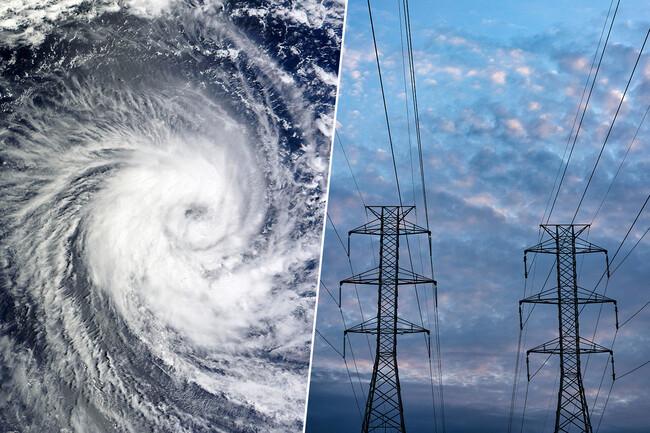
An Associated Press report on a climate-attribution study discussed the contributions of human-caused warming and El Niño to the intensity of Hurricane Polo.
The study estimated that climate change added approximately six miles per hour to the storm’s peak winds, while El Niño contributed about five miles per hour. These figures should be interpreted in the context of the study’s methodology, uncertainty ranges and publication status.
Storm-attribution research examines how different influences may contribute to a particular weather event. Its findings depend on the methods used, the data available and the assumptions underlying the analysis.
The reported estimates should not be interpreted as proof that either factor alone explains every characteristic of the storm. Nor should figures from a specific study be generalised to all storms without supporting evidence.
The original research is essential to understanding precisely what was measured, how the contributions were calculated and what limitations the researchers identified.
Low-carbon electricity and energy transitions
The roundup also cited The Washington Post as reporting that low-carbon sources generated 43 per cent of global electricity in 2025.
The figure needs to be checked against the original energy assessment. The definition of low-carbon sources, the data used and the treatment of different generation technologies all matter to interpreting the percentage.
A global electricity share can help describe the composition of electricity generation, but it does not automatically reveal the position of every country or the full state of the wider energy system. Electricity generation is also distinct from total energy consumption, which includes uses such as transport, heating and industrial processes.
Understanding the figure therefore requires attention to its scope and the categories included in the calculation.
Food insecurity projections and artificial intelligence
A separate projection, attributed to the Financial Times, suggested that 274 million people across 45 countries could face food insecurity by 2027.
This is a forecast, not a confirmed count of people who will experience food insecurity. Its significance depends on the assumptions, time frame and methodology behind the projection, as well as the institution responsible for producing it.
Food insecurity can be affected by several conditions, including conflict, economic pressures, access to food and disruptions to livelihoods. The reported projection should not be used to assign a particular cause to the entire estimate unless the underlying analysis supports that conclusion.
The week’s climate-related discussion also raised the growing role of artificial intelligence in weather forecasting and risk assessment. Such systems may assist planning, but their value depends on reliable data, demonstrated performance and a clear understanding of their limitations.
The available account did not provide specific performance results that would justify a broad conclusion about the accuracy of any particular AI forecasting system.
The next developments to watch include official IPCC announcements, the original storm-attribution study, the source behind the electricity figure and identification of the institution responsible for the food-security projection.
For climate science, the central issue is not simply the amount of information available. It is whether findings, estimates, proposals and forecasts are interpreted according to what the evidence can actually establish.
Story 5: Humanitarian Assistance — Conflict and Funding Shortages Challenge Relief Operations
The humanitarian dimension of the week’s global news centred on the resources required to support civilians affected by conflict. Reports concerning assistance in Gaza and violence in Sudan raised questions about the ability of humanitarian organisations to respond to needs while operating under funding and security constraints.
Although both developments concern civilian welfare, Gaza and Sudan face different circumstances. The incidents should be examined individually rather than treated as evidence of one coordinated crisis.
Reported reduction in World Food Programme assistance in Gaza
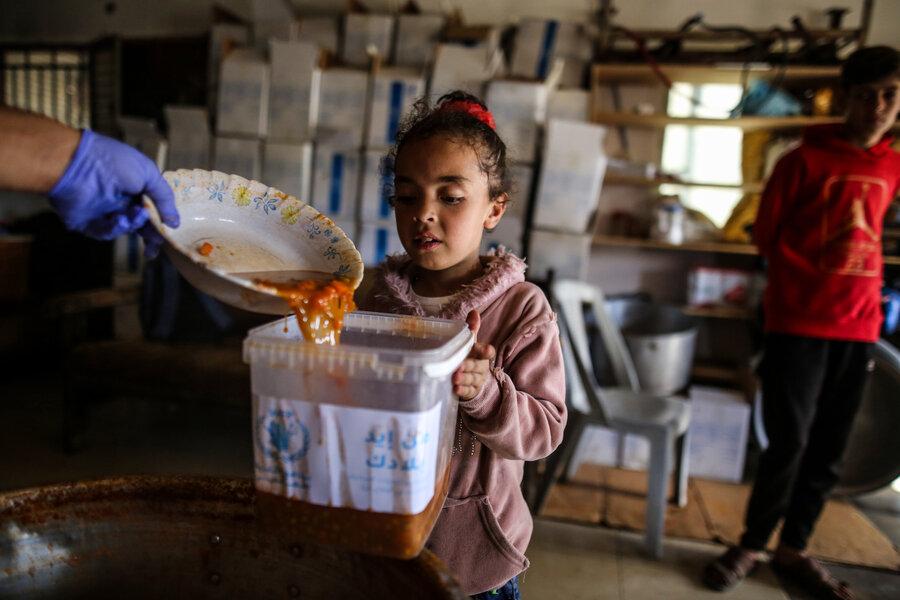
On 19 October, the World Food Programme announced significant reductions in food assistance in Gaza because of funding shortages. According to Reuters’ report on the WFP cuts, the number of people receiving monthly assistance was expected to fall from 1.6 million to 1.1 million.
The report also described reductions in food rations and cash assistance for families, alongside fewer hot meals being distributed each day.
The announcement came after the 12–18 October review period. It is therefore a subsequent development that provides an update to the humanitarian funding issue, rather than an event that should be described as occurring within the original reporting week.
The figures show the reported scale of the reduction, but the exact number of people affected and the types of assistance involved should continue to be attributed to the WFP and its reporting.
A reduction in a programme does not automatically mean that every affected person has lost all food assistance. The specific programme, eligibility arrangements and alternative sources of support matter when assessing the practical consequences.
Nevertheless, changes to humanitarian programmes can create additional difficulties for households already facing severe constraints. Families may depend on assistance to obtain essential supplies, while humanitarian organisations must assess needs against the resources and access available to them.
Funding, supplies, logistics and security conditions can all affect an agency’s ability to maintain assistance. A reduction in support can therefore be consequential even when it does not amount to a complete suspension of a programme.
The reported funding shortage also needs to be distinguished from a broader explanation of international financial pressures. The available reporting does not establish that wider international debt pressures directly caused the reduction. That connection would require separate evidence about funding decisions, budget allocations and operational circumstances.
Civilian safety concerns in Sudan
In Sudan, reports described continued violence, including a reported drone strike on a market in South Darfur. The available account did not establish a consistent, independently verified casualty figure or confirm responsibility for the attack.
Those details require further reporting before a definitive account can be published. In conflict situations, casualty figures may change as information emerges, while responsibility for an attack may be disputed or remain unknown.
The reported incident nevertheless raises concerns about civilian safety in areas affected by conflict. Violence in and around civilian markets can threaten lives, disrupt livelihoods and make it harder for people to obtain essential goods.
The scale of the consequences in this particular case, however, must be established through reliable reporting rather than inferred from the incident alone.
Humanitarian assessments can help clarify civilian needs, the accessibility of affected areas and the availability of assistance. Such assessments are particularly important where insecurity limits access or makes independent verification difficult.
Sustaining humanitarian operations
The reports from Gaza and Sudan illustrate different challenges associated with protecting civilians and maintaining humanitarian operations during conflict. Their relevance within the same narrative is the shared question of how assistance can reach people in need under difficult conditions, not proof that the events have the same cause or require identical responses.
The next developments to watch include operational updates from the World Food Programme concerning Gaza, confirmation of what assistance remains available and any funding commitments affecting delivery. In Sudan, independently verified reporting and humanitarian assessments are needed to clarify the South Darfur incident, civilian needs and access to assistance.
The available account did not establish a confirmed timetable for restoring the reported Gaza assistance or a date for a peace agreement in Sudan. Those uncertainties should remain explicit rather than being replaced by predictions.
The humanitarian question is whether agencies and their partners can provide sufficient support while conflict continues and resources remain constrained. Reliable answers require verified information about needs, funding, assistance and access. Without those details, reporting risks overstating either the scale of a reduction or the extent of the response available to affected communities.
Conclusion: Evidence and Decisions Will Shape What Comes Next
The global news developments covered in this review highlighted the importance of security, economic resilience, scientific evidence and humanitarian capacity. From the war in Ukraine and reported maritime incidents in the Middle East to debt-servicing concerns, climate research and humanitarian assistance, the five narratives presented different challenges for governments, institutions and affected populations.
International security depends not only on political commitments but also on decisions that can be confirmed and implemented. In the economic sphere, debt figures, public demonstrations and stock-market movements each offer a different perspective on the pressures facing governments and citizens. Climate reporting similarly requires distinctions between observed trends, scientific estimates, institutional proposals and forecasts.
In humanitarian operations, reliable information about funding, access and the assistance available is essential to understanding the needs of civilians affected by conflict.
These developments do not establish a single global crisis or demonstrate that every event shares a common cause. Their broader significance lies in the decisions they raise and the evidence needed to assess their consequences.
The next developments to watch include confirmed changes to international policy, independently verified security incidents, official economic data, original scientific findings and credible updates on humanitarian assistance.
For readers following global news, the priority is to distinguish what has been established from what remains uncertain. That approach provides a stronger basis for understanding events, evaluating their significance and recognising which developments may represent lasting change.
Recommended Articles from DSG Herald News
Explore more in-depth reporting on the major developments shaping Nigeria, Africa and the wider world in these related editions of the DSG HERALD NEWS Weekend News Roundup.
1. Nigeria Weekend News Roundup: Economy, Security and Politics
Read our review of Nigeria’s major developments from 4–10 October 2026, covering economic expectations, security challenges, the reported military aviation disaster, preparations for the 2027 general elections and public-sector accountability.
2. Africa News Roundup: Security Tensions, Flooding and Debt Pressures
Explore the developments shaping Africa during the week of 4–10 October 2026, including regional security concerns, anti-migrant violence in South Africa, a reported Ebola case in Kenya, flooding in Senegal and economic financing challenges.
3. Global News Roundup: Security Risks, Financial Pressure and Institutional Resilience
Examine the international developments of 4–10 October 2026, including Middle East security concerns, global financial pressures, major reported AI financing plans, Germany’s support for Ukraine and severe weather threats across the Americas.
Stay informed with DSG HERALD NEWS for comprehensive reporting and context on the stories shaping Nigeria, Africa and the world.
About the Author