
INTRODUCTION
Nigeria’s major developments during the week of Sunday, 4 October, to Saturday, 10 October 2026, raised a fundamental question about the relationship between government announcements and measurable results. Economic indicators and investment plans offered reasons to watch for improvement, but the pressure on households remained central. Meanwhile, security incidents, a reported military aviation disaster, electoral preparations and a dispute involving public-sector workers brought the performance of public institutions into focus.
This Nigeria Weekend News Roundup examines five connected themes: the challenge of translating economic activity into practical relief; security risks on highways and in military operations; questions arising from a reported aircraft crash; the credibility of preparations for the 2027 general elections; and the test of government performance in labour relations, administrative reform and budget delivery.
The week’s economic reporting included a World Bank growth projection and figures associated with business performance and investment commitments. Yet the implications for ordinary Nigerians depend on whether opportunities translate into jobs, more reliable energy and stronger purchasing power.
Security reporting, meanwhile, highlighted a reported release of abducted travellers in Imo State and an attack on a military base in Borno State. A separate report of a fatal Nigerian Air Force aircraft crash raised questions that can only be answered through verified information and a credible investigation.
On the political front, reported voter-registration figures and court proceedings connected to party-primary disputes placed institutional procedures under scrutiny. Labour tensions in the Federal Capital Territory and announcements concerning administrative reform and unfinished projects added another dimension to the question of accountability.
These developments were not necessarily connected events. Their common significance lies in the need to distinguish projections from outcomes, allegations from established facts, and policy announcements from implementation. Together, they offer a snapshot of the issues Nigerians will continue to watch as the new week begins.
NARRATIVE 1: NIGERIAN ECONOMY — RECOVERY EXPECTATIONS MEET THE COST-OF-LIVING TEST
Nigeria’s economic outlook during the week presented two sides of the same story: indicators suggesting potential improvement and continuing questions about how widely the benefits will be felt. Economic growth projections, business performance figures and investment announcements featured in the reporting, but household purchasing power remained an essential measure of whether progress would translate into practical gains.
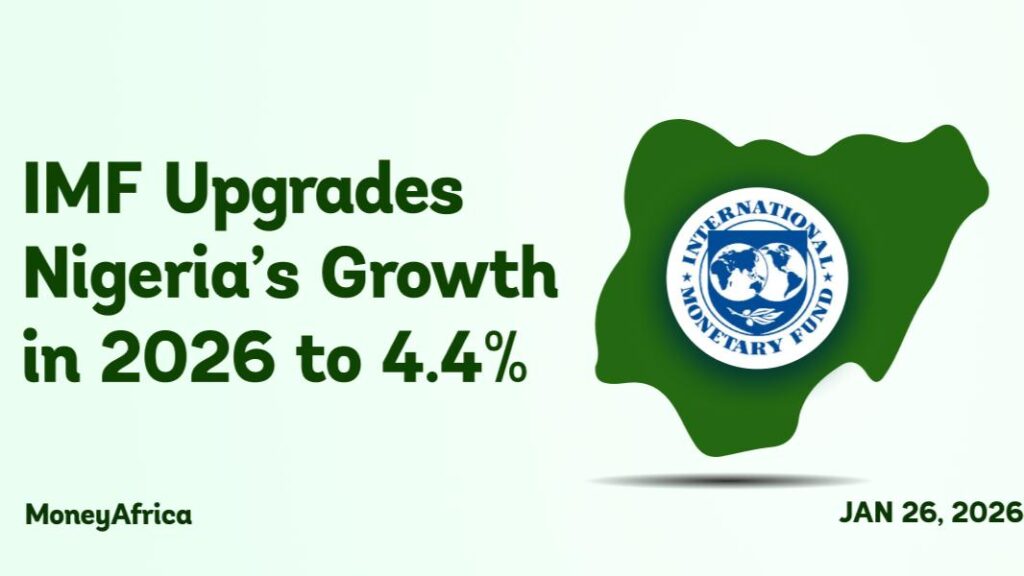
The World Bank’s reported projection pointed to average annual economic growth of 4.4 per cent through 2028. Separately, the Nigerian Economic Summit Group’s business performance index reportedly reached 117.8 points in September.
Both figures offer indicators for assessing the economic environment. However, they measure different things and should not be treated as direct evidence that living standards have improved. A growth projection describes an expected economic trajectory rather than a guaranteed outcome. A business performance index can indicate conditions affecting businesses, but it does not automatically establish whether household incomes are keeping pace with expenses.
For Nigerians dealing with transport costs, energy expenses and the cost of operating businesses, the more immediate question is whether economic activity is becoming easier to sustain.
Fuel prices remain central to the household experience
NNPC Limited reportedly extended a temporary petrol discount of ₦66 per litre at its retail stations through 31 October 2026. If available as reported, the measure offers a specific form of price relief to consumers able to access it.
Its practical significance, however, depends on the terms and availability of the discount. The announcement alone does not establish the extent of savings received by motorists, transport operators or businesses, nor does it demonstrate that broader living costs have fallen.
The week’s reporting also referred to a proposed nationwide petrol price cap of approximately ₦1,350 per litre. The available source material does not establish that the proposed cap became an implemented national policy.
That distinction is important when assessing economic announcements. A proposal may signal an intended direction, but its practical consequences depend on whether it is formally adopted, how it is implemented and whether the public can verify its operation.
The status of the proposed cap therefore remains an issue to clarify, alongside the duration and availability of the reported retail discount.
Investment plans point to longer-term ambitions
Beyond immediate fuel prices, the Dangote Refinery’s planned share sale reportedly included a target of ten million retail investors. The proposal points to an ambition to broaden retail participation in the company’s ownership. However, a target for investors is not the same as evidence that the target has been achieved.
Gas infrastructure reporting also cited ₦671 billion in final investment decisions across 31 projects, with a combined investment value of ₦1.6 trillion.
These figures indicate the scale of reported investment commitments. They should not be interpreted as proof that every project has been completed, that all the stated funds have been deployed or that the benefits are already reaching consumers.
The distinction between commitments and outcomes is central to evaluating the wider Nigerian economy. Investment plans may create opportunities, but their eventual public value depends on implementation and results.
For businesses, traders, commuters and transport operators, the questions are practical: will operating costs become more manageable? Will energy become more reliable? Will economic activity support jobs and stronger purchasing power?
The available figures do not settle those questions. They establish areas in which progress can be monitored.
What to watch next
The next developments include clarification of the proposed petrol price cap, continued monitoring of the reported retail discount and evidence of progress on the announced investment projects.
The economic outlook may offer opportunities, but the extent of the benefits remains an open question. Growth projections, business indicators and investment announcements become more meaningful when they can be linked to measurable changes in economic activity and people’s circumstances.
That same distinction between a reported development and a demonstrated outcome is important in another area of national concern: security. While the economy is judged partly by what people can afford, the ability to travel and work safely remains a basic requirement for families and businesses.
NARRATIVE 2: NIGERIA SECURITY — KIDNAPPING CONCERNS AND AN ATTACK ON A MILITARY BASE
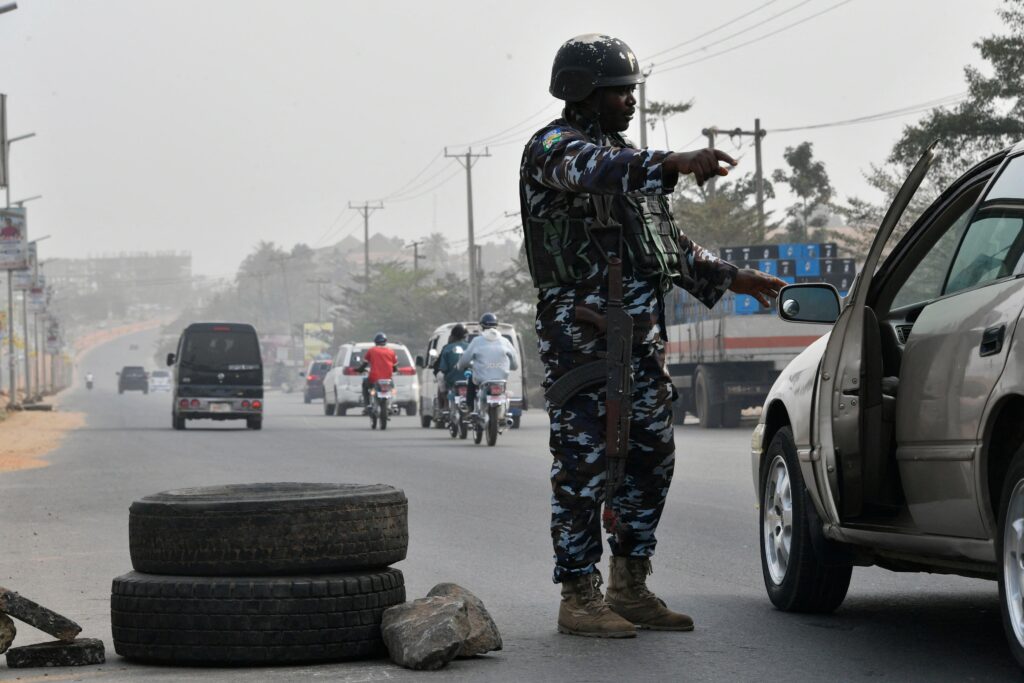
Two separate security developments highlighted different risks facing Nigeria during the week. In the southeast, reports concerned the release of travellers abducted along the Owerri–Onitsha road. In the northeast, reporting by the Associated Press described an attack by Islamic State West Africa Province (ISWAP) on a military base in Kukawa, Borno State.
The incidents occurred in different locations and involved different circumstances. The available material does not establish a connection between them. Considered separately, however, they raise questions about civilian protection, military safety, the verification of casualty figures and the information made available after security operations.
Reported release of abducted travellers in Imo State
In Imo State, 20 prospective National Youth Service Corps members and another individual were reportedly released after being abducted while travelling along the Owerri–Onitsha road.
The reported release took place on 7 October. For those freed and their families, the development represented an important change in their immediate circumstances. Yet the available account leaves questions about how the release was secured and whether the people responsible for the abduction have been identified or arrested.
The reporting also contained conflicting accounts concerning an alleged ransom payment.
Imo State Commissioner of Police Audu Bosso reportedly said he was not aware that ransom had been paid. A family member, however, reportedly alleged that ₦6 million had been paid in connection with a victim’s release.
The available information does not independently resolve the disagreement. The alleged payment should therefore remain attributed to the family member rather than being presented as an established fact.
This distinction matters because accounts of ransom payments can affect public understanding of how kidnappings are resolved and how security agencies respond. Without independently established details, it would be premature to draw conclusions about the circumstances of the release.
The next developments to watch include verified information about the investigation, any confirmed arrests and evidence that clarifies the conflicting accounts.
The release of abducted travellers is significant, but it does not by itself establish whether the underlying security threat has been addressed.
Reported ISWAP attack in Borno State
In a separate development, the Associated Press reported an attack by ISWAP on a Nigerian military base in Kukawa, Borno State.
The report said at least ten soldiers were killed, citing a senior military officer. It also said the attack was repelled with air support.
The casualty figure and operational details should be understood in the context of the source’s reporting unless further authoritative confirmation becomes available. The available material does not provide a final independently established account of the incident.
The report nevertheless places military-base security and the protection of personnel at the centre of the week’s security coverage. Establishing what happened requires reliable information about the attack, the reported casualties and the circumstances under which the base responded.
It is equally important not to treat the reported attack in Borno as evidence of a direct relationship with the abduction in Imo. The two incidents are separate developments in the source material, and no connection has been established.
The wider questions behind the reports
The incidents highlight different dimensions of Nigeria’s security challenge. In the Imo case, attention centres on the protection of road users, the recovery of abducted people and the investigation of the reported kidnapping. In Borno, the focus includes the circumstances of an attack on a military installation and the verification of reported military losses.
For families affected by kidnapping, the release of loved ones is an important development, but questions about prevention and accountability remain. For military personnel and their families, accurate information about attacks and casualties is essential to understanding the consequences of security operations.
The next steps include verified updates on the Borno incident, developments in the Imo investigation, any confirmed arrests and clarification of the disputed ransom account.
The wider lesson is that security reporting must distinguish what has been reported from what has been independently established. Reliable information is necessary not only for public understanding but also for assessing what further action may be required.
Questions about safety and accountability also emerged in a separate report concerning a military aircraft crash in Ondo State, where the circumstances of the reported disaster remained unresolved in the supplied material.
NARRATIVE 3: MILITARY AVIATION DISASTER — SAFETY AND ACCOUNTABILITY AFTER A REPORTED CRASH
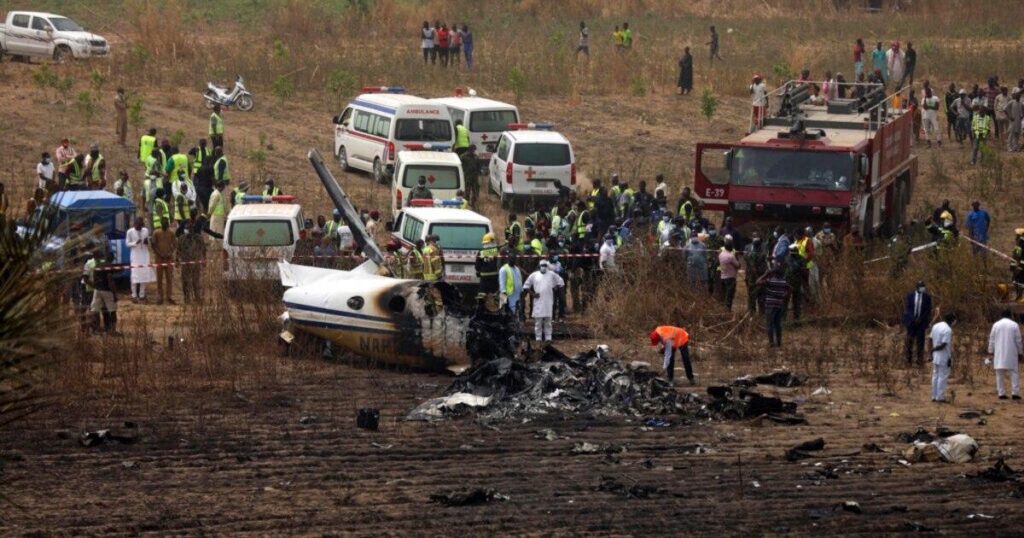
A reported Nigerian Air Force aircraft crash near Igbokoda in Ondo State raised urgent questions about the circumstances of the accident, the reported loss of life and the investigation expected to establish what happened.
The supplied reports identified the aircraft as an ATR-42 and said it was travelling from Benin City towards Lagos. Air traffic controllers were reportedly unable to maintain contact before the crash.
The reports said all 25 people aboard died, comprising 20 passengers and five crew members. President Bola Tinubu was also reported to have declared three days of national mourning and directed a full investigation.
These details require confirmation through authoritative sources before being presented as established facts in a published report. The source material does not provide a final investigative conclusion.
The cause remains unestablished
The central unanswered question is what caused the reported crash.
The supplied information does not establish whether maintenance, weather, technical malfunction, operational procedures or another factor contributed to the accident. Those are potential areas for investigators to examine, not explanations that can be asserted without supporting evidence.
This distinction is especially important following a reported mass-fatality event. In the immediate aftermath of an accident, public attention naturally turns to the cause and to whether the tragedy could have been prevented. But an explanation requires evidence.
A credible investigation must establish the sequence of events, examine the available technical and operational information and determine whether any corrective measures are necessary. Until verified findings are available, assigning a cause would risk presenting speculation as fact.
The next step is therefore to establish the final casualty information, identify the authority responsible for the investigation and obtain any verified interim findings or safety recommendations.
The supplied material does not identify a final investigative conclusion or provide evidence that establishes the cause of the reported accident.
Why the investigation matters
The reported loss of 25 lives, if confirmed, would represent a devastating event for the families, colleagues and communities affected. Reporting should recognise that human consequence without introducing unsupported details about the people involved or the circumstances of their deaths.
Beyond the immediate loss, the investigation is important because its findings may clarify what happened and whether changes are needed. That is why the distinction between a confirmed finding and a possible explanation must be maintained throughout the reporting process.
The report of a presidential directive for a full investigation, if confirmed, would establish an official step in the response. It would not, by itself, establish the outcome of the investigation or demonstrate that the cause had been determined.
Similarly, a declaration of national mourning would be a separate response to the reported loss of life, not evidence about the technical circumstances of the crash.
The public needs clear information about the progress and conclusions of the investigation. Families affected by the tragedy deserve accurate, sensitive reporting that does not compound their loss with rumours or unsubstantiated claims.
What happens next
The key developments to watch are authoritative confirmation of the aircraft and casualty details, identification of the investigating authority and the publication of verified findings or safety recommendations when available.
The purpose of the investigation is not simply to assign blame. It is to establish the facts and determine whether any action is necessary in response to what those facts reveal.
Until that process produces evidence, the cause of the reported crash remains unresolved in the source material. Responsible reporting must preserve that uncertainty.
The demand for reliable evidence extends beyond aviation and security. It is also central to the institutions responsible for preparing Nigeria’s next general elections, where reported voter-registration figures and court proceedings have brought electoral procedures into focus.
NARRATIVE 4: 2027 ELECTIONS NIGERIA — VOTER REGISTRATION AND THE TEST OF CREDIBILITY
Preparations for Nigeria’s 2027 general elections are bringing renewed attention to the institutions and procedures that will shape the electoral process. During the week under review, reporting focused on the size of the national voter register and a separate court development concerning alleged offences connected to party-primary results.
These developments concern different aspects of electoral preparedness. One involves voter records and registration; the other concerns the handling of alleged offences through the courts. Neither should be treated as conclusive evidence about the overall credibility of the forthcoming elections.
Reported voter register exceeds 103 million
The Independent National Electoral Commission, INEC, reportedly disclosed that the national voter register had exceeded 103 million following three phases of Continuous Voter Registration and a biometric cleanup.
The supplied reporting attributed 10,772,421 new registrants to those three phases.
If confirmed, the figures would indicate the reported scale of the electoral register ahead of the next general elections. However, the total number of registered voters does not establish how many people will cast ballots in 2027. Nor does the total, on its own, settle questions about the accuracy of every record.
The exact figure and the methodology behind the reported biometric cleanup should be confirmed through official INEC information. That confirmation is important because the interpretation of registration figures depends on understanding what the figures measure and how they were compiled.
For voters, registration records are a fundamental part of electoral participation. Reliable records help establish who is registered, while accurate information about registration procedures helps the public understand the process.
The available source material does not provide enough information to assess the accuracy of every record or to draw a conclusion about future voter turnout.
The figures should therefore be treated as reported registration information pending confirmation, rather than as a complete assessment of electoral readiness.
Reported court action concerning party-primary results
A separate development brought political and legal disputes into focus.
According to the supplied reporting, a court in Abuja issued bench warrants concerning alleged offences connected to All Progressives Congress primary results. The individuals named included former Imo State Governor Rochas Okorocha and former senator Ifeanyi Araraume.
The reported allegations included conspiracy, forgery and the use of false documents. However, the precise legal status of the proceedings and the current position of the reported warrants require confirmation through court records.
It is essential to distinguish an allegation from a finding of guilt. A bench warrant is not a conviction, and the reported court action does not, by itself, establish wrongdoing by the named individuals.
The available material also does not establish a direct connection between these proceedings and the reported national voter-register figures. They should be treated as separate developments within the broader subject of electoral preparedness.
Accurate reporting requires clarity about the specific action taken by a court, the nature of the allegations and the status of the proceedings. Any responses from the individuals concerned or their representatives would also need to be reported accurately if confirmed.

Why institutional credibility matters
Voter registration and the handling of political disputes are distinct processes, but both depend on reliable procedures and clear information.
For citizens, confidence in elections is shaped partly by whether registration arrangements are transparent and whether electoral records are maintained accurately. For parties and candidates, confidence also depends on the lawful handling of disputes and the application of due process.
A large voter register does not automatically establish that an election will be credible. Equally, a reported court proceeding does not establish that the wider electoral system has failed.
The significance of the week’s reporting lies in the questions it raises, not in conclusions that the available evidence does not support.
The next developments to watch include official updates from INEC, confirmed electoral deadlines, verification of the reported warrants and any responses from the named individuals or their representatives.
The credibility of Nigeria’s 2027 elections cannot be determined by a single week’s registration figures or court report. It will depend on how the relevant institutions perform their responsibilities as the electoral process continues.
That broader question of institutional performance also runs through the country’s labour relations, administrative reform efforts and management of public projects.
NARRATIVE 5: NIGERIAN ECONOMY AND GOVERNANCE — LABOUR DISPUTES, REFORM AND BUDGET DELIVERY
The performance of government institutions is tested not only by announcements but by whether decisions translate into functioning services and completed commitments. During the week of 4–10 October, reporting on a teachers’ strike in the Federal Capital Territory, proposed administrative reforms and unfinished public projects placed that question at the centre of public accountability.
The developments have different immediate causes. Together, however, they raise questions about how public institutions manage disputes, implement policy and demonstrate what has been achieved.
Teachers’ strike puts public services under pressure
The union’s reported demands included objections to a vacancy requirement for promotions, consideration of eligible candidates for 2025 promotions and the withdrawal of certain redeployment and demotion letters.
On 9 October, FCT Minister Nyesom Wike reportedly described the strike as political and threatened to apply the no-work, no-pay policy.
These are reported positions from the parties involved. The available material does not establish whether the dispute has been resolved, whether negotiations have produced an agreement or what the current level of disruption to schools and other services may be.
The status of the strike therefore requires confirmation before any update is published as current.
For teachers, the dispute concerns employment conditions and career progression. For students and families, prolonged industrial action may disrupt education. However, the actual scale of any disruption must be established through verified information rather than assumed from the declaration of a strike alone.
The next significant developments would include a confirmed update on negotiations, any settlement and whether affected services have resumed.
A clear account of the dispute requires reporting both the union’s stated demands and the government’s response, while distinguishing attributed statements from established outcomes.

Administrative reform must be measured by implementation
A second development concerned the direction of federal administrative reform.
Finance Minister Taiwo Oyedele announced an approach intended to reduce overlapping requirements, unnecessary fees and bureaucratic delays across federal ministries, departments and agencies.
The stated objective is to make government processes more efficient for businesses and other users. Reducing unnecessary procedures and delays could be important to organisations and individuals who must complete administrative processes, but the announcement alone does not demonstrate that such changes have already taken place.
The central question is implementation.
Evidence of progress would include measurable reductions in processing times, unnecessary requirements or costs. Clear information about which procedures have changed and how those changes are being applied would help establish whether the announced direction is producing results.
The source material does not supply such implementation figures. It therefore supports describing the announcement and its stated objective, but not claiming that the reform has already achieved its intended benefits.
The next stage to watch is whether the proposed direction becomes observable changes in how the relevant ministries, departments and agencies operate.
For businesses and other users of public services, the practical value of reform lies in the experience of dealing with government, not simply in the language of an announcement.
Unfinished projects and the budget question
The third development concerned public spending and unfinished projects.
Punch reportedly reported a plan to move outstanding projects from the 2026 budget into the 2027 budget. The stated direction was to address the practice of running multiple budgets simultaneously.
However, the available material does not identify the complete list of projects involved, their total financial value or their final treatment in the budget process.
Those omissions matter when assessing the implications of the reported plan. Without the project list and associated financial information, it is not possible to establish the full scale of the proposed changes or determine how individual commitments will be handled.
Communities waiting for infrastructure need clear information about the status of the projects intended to serve them. Contractors and other participants in project delivery also need clarity about outstanding commitments and the applicable approvals.
The source material does not establish that the reported plan had completed the necessary budget process. It should therefore be described as a reported proposal or plan, not as a confirmed final budget decision.
The next developments to watch include official documentation identifying the affected projects, the outstanding commitments and any approvals required to change their budget treatment.
The common test: measurable results
The teachers’ dispute, administrative reform announcement and reported budget proposal are separate matters. Yet each raises the same broad question about government performance: what has changed, and what evidence demonstrates the change?
In the labour dispute, the relevant evidence would include a verified update on negotiations, any settlement and the resumption of affected services.
For administrative reform, the test would be measurable implementation, including changes to procedures, processing times or unnecessary costs.
For unfinished projects, the public needs documentation showing which projects are affected, what commitments remain and how the relevant budget decisions are being handled.
These developments cannot be assessed solely through statements of intention. Their significance depends on verifiable actions and outcomes.
The week’s reporting therefore leaves several questions open. The current status of the teachers’ strike needs confirmation. The implementation of the announced administrative reforms requires evidence. The details and final treatment of the reported budget proposal also remain to be established.
Taken together, these issues reinforce a wider theme across the Nigeria Weekend News Roundup: public confidence depends on the ability of institutions to explain decisions, resolve disputes, provide reliable information and demonstrate results.
CONCLUSION
The week of 4–10 October 2026 brought Nigeria’s economic expectations, security challenges, aviation safety concerns, electoral preparations and public-service disputes into focus. The five narratives examined in this Nigeria Weekend News Roundup were different in their immediate circumstances, but each highlighted the importance of distinguishing reported developments from established outcomes.
Economic projections and investment commitments provide indicators to monitor, yet their value depends on whether they translate into practical benefits. Security reporting requires verified information about incidents, casualties and investigations. The reported aircraft crash demands clarity about the facts and the findings of the investigation, without speculation about its cause.
Preparations for the 2027 elections require reliable registration information and accurate reporting of legal proceedings. Labour relations, administrative reform and budget decisions require equally clear evidence of what has been resolved, implemented or approved.
Several matters remain open in the supplied reporting, including the status of the proposed petrol price cap, disputed details surrounding the reported abduction, the findings of the aviation investigation, confirmation of electoral figures and the current position of the teachers’ strike.
The next developments will matter most when they clarify these uncertainties and demonstrate what has changed. For Nigeria, the central test is not simply what is announced, projected or proposed, but what can be verified and measured in practice.
Recommended Articles from DSG Herald News
For more context, analysis and background on the major issues shaping Nigeria, Africa and the world, explore these related reports from DSG Herald News:
- Africa News Weekend Roundup: September 28 – October 4, 2026 — Explore the major developments shaping Africa’s political, economic, security and social landscape.
- Nigeria News Roundup: Reforms, Security and Energy — Read more about the policies, security challenges and energy-sector developments influencing Nigeria’s future.
- Global News Roundup: War, Energy, AI and the Economy — Understand the international events and emerging trends reshaping global politics, technology, energy and economic affairs.
- Nigerians Hate Tinubu? What the Data Really Shows — Examine the debate surrounding President Bola Ahmed Tinubu’s administration and what available evidence reveals about public opinion.
Stay informed with DSG Herald News for in-depth reporting, credible analysis and perspectives on the stories that matter across Nigeria, Africa and the world.
About the Author