Kenya Mental Health Gains From Free Grooming Therapy
Simple Haircuts, Bigger Impact: How Grooming Is Helping Restore Dignity in Kenya’s Mental Health Care
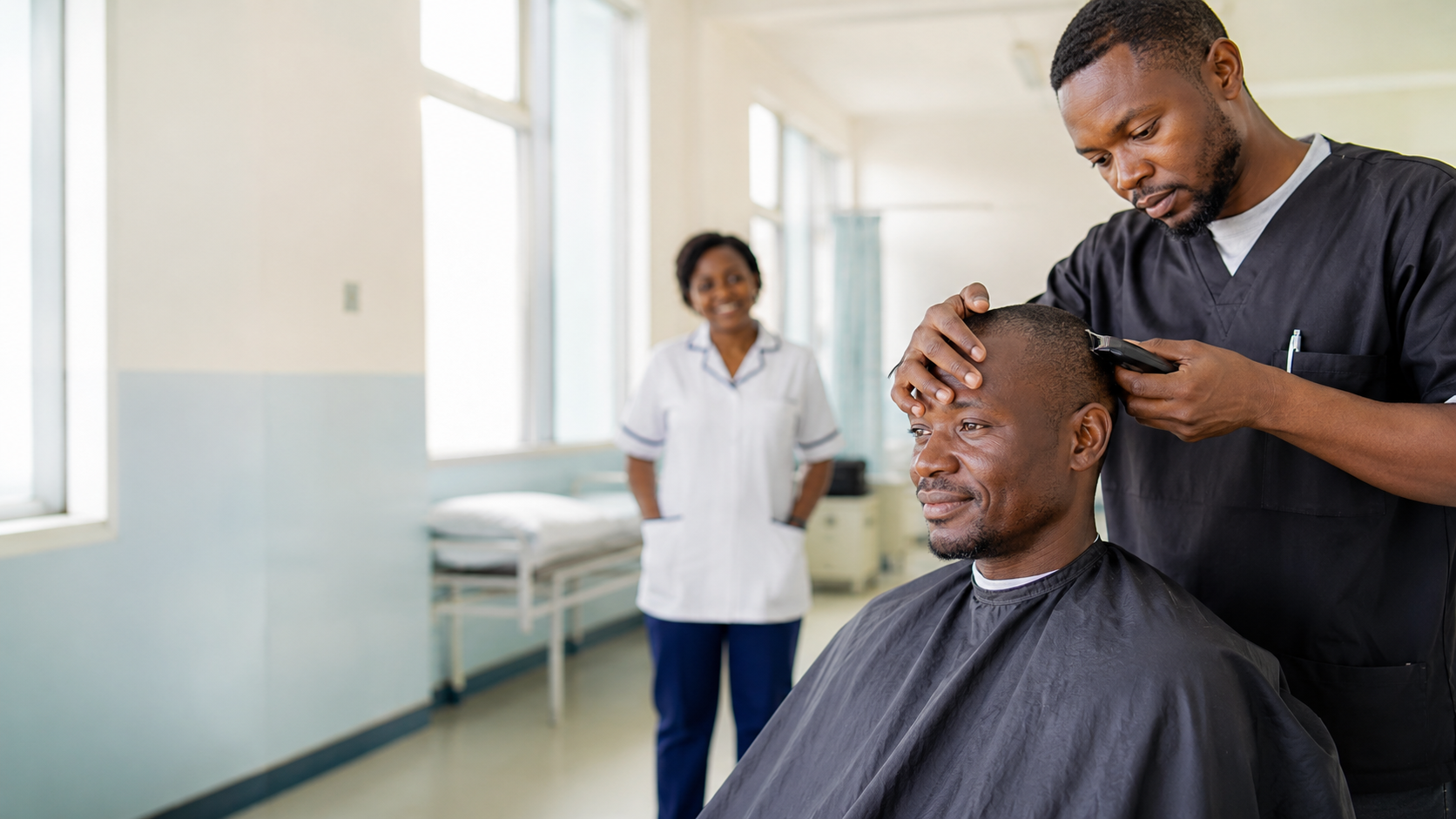
NAIROBI, Kenya — Kenya mental health professionals are embracing an unconventional yet increasingly recognised form of patient support as Mathari National Teaching and Referral Hospital introduces free monthly grooming sessions for male psychiatric patients. The initiative, organised in partnership with the community-based organisation Uniquely Gifted, seeks to restore dignity, improve self-esteem and reduce self-neglect among patients undergoing long-term psychiatric treatment. Rather than replacing conventional medical care, the programme complements it by addressing emotional and psychological needs that are often overlooked during recovery.
Across modern healthcare systems, mental health experts are placing greater emphasis on holistic treatment approaches that recognise recovery extends beyond medication and clinical intervention. At Kenya’s largest psychiatric referral hospital, a barber’s chair has become more than a place for a haircut—it has become a symbol of hope, renewed confidence and human connection.
Why Kenya Mental Health Care Is Looking Beyond Medication
Mental illness often affects far more than a person’s emotional wellbeing. It can also influence motivation, daily routines and the ability to maintain personal hygiene.
Healthcare professionals say one of the earliest visible indicators of severe psychological distress is a noticeable decline in personal grooming. Individuals battling depression, severe anxiety or other psychiatric conditions may gradually lose interest in caring for themselves, sometimes without even recognising the change.
For patients admitted to psychiatric facilities for several months, this challenge can become even more pronounced. Extended hospital stays may leave patients feeling disconnected from their appearance and identity, reinforcing feelings of isolation.
The monthly grooming programme at Mathari Hospital attempts to bridge that gap through a remarkably simple intervention.
Volunteer barbers provide free haircuts for male patients, helping them regain a sense of normality while creating opportunities for conversation, interaction and renewed self-worth.
Hospital staff believe that these small moments contribute positively to the overall recovery process by encouraging patients to reconnect with themselves and with those around them.
How Personal Grooming Supports Mental Health Recovery
Although a haircut may appear routine, psychiatric nurses involved in patient care say its effects often extend well beyond physical appearance.
Patients who receive grooming services frequently experience:
- Improved confidence
- Greater willingness to socialise
- Increased motivation to care for themselves
- A renewed sense of dignity
- Better engagement with daily routines
Healthcare workers observe that sitting in a barber’s chair also introduces a different social environment from the hospital ward.
Instead of feeling defined solely by their illness, patients interact naturally with volunteers, exchange conversations and enjoy an experience familiar to everyday life outside the hospital.
These interactions help reduce feelings of institutional isolation while reinforcing that recovery is about rebuilding lives—not simply treating symptoms.
Mental health specialists increasingly acknowledge that psychological healing often depends on restoring a person’s identity alongside clinical treatment.
A Programme Inspired by Lived Experience
The initiative is organised by Uniquely Gifted, a community-based organisation founded by Sheila Lugaliki, whose own experience as a psychiatric patient inspired the project.
During her admission to a psychiatric ward, Lugaliki witnessed long-term patients spending months without basic grooming. Many appeared forgotten, neglected and disconnected from everyday life.
Rather than allowing that experience to become a painful memory, she transformed it into a mission.
After leaving hospital, she returned—not as a patient—but as a volunteer determined to improve the lives of those still receiving treatment.
Her organisation now coordinates the free monthly barber visits at Mathari Hospital, addressing a practical need that traditional psychiatric care does not always prioritise.
The initiative demonstrates how individuals with lived experience can become powerful advocates for improving healthcare services and supporting others facing similar challenges.
Human Dignity as Part of Healing
Mental health professionals have long argued that recovery should be measured not only by symptom reduction but also by improvements in quality of life.
Feeling clean, confident and respected can influence how patients view themselves and how they engage with treatment.
For someone living with severe mental illness, a fresh haircut may represent:
- A return to personal identity.
- Evidence that someone genuinely cares.
- Motivation to participate in therapy.
- Increased optimism about recovery.
These emotional benefits cannot replace psychiatric medication or professional counselling, but healthcare workers believe they can strengthen the overall treatment process.
The programme therefore reflects a growing understanding that compassionate care often includes practical acts that restore dignity alongside clinical support.
Kenya’s Wider Mental Health Challenge
Mental health is only one of several public health concerns facing the region. Our report on theEbola outbreak in East Africaexplores another challenge testing healthcare systems across neighbouring countries.
The grooming initiative arrives amid broader conversations surrounding mental health across Kenya, particularly following activities marking Men’s Mental Health Awareness Month.
Mental health professionals note that depression, anxiety and substance use disorders remain significant public health concerns.
Men often face additional barriers to seeking help because of longstanding cultural expectations that encourage emotional restraint and self-reliance.
As a result, many delay treatment until symptoms become severe enough to require professional intervention.
According to Kenyan government data referenced in the original report, up to 40 percent of inpatients across health facilities experience underlying mental health conditions.
These figures highlight the importance of developing healthcare models that address emotional wellbeing as well as medical treatment.
Holistic Care Is Gaining Global Recognition
Around the world, hospitals are increasingly exploring complementary therapies designed to support conventional mental healthcare.
These approaches may include:
- Art therapy
- Music therapy
- Physical exercise programmes
- Gardening activities
- Peer-support groups
- Occupational therapy
The grooming initiative at Mathari Hospital joins this broader movement by recognising that recovery involves rebuilding confidence, routine and personal identity.
Although each intervention differs, they share a common objective: helping patients regain independence and reconnect with everyday life.
For healthcare providers working with limited resources, relatively low-cost programmes such as volunteer grooming services may offer meaningful benefits without requiring significant financial investment.
Lessons for African Healthcare Systems
The Kenyan initiative also reflects wider efforts to strengthen healthcare across the continent. Read our analysis on Africa’s health system challenges to understand how different countries are responding to major public health pressures.
Across Africa, governments continue expanding access to mental health services while facing shortages of specialist professionals and treatment facilities.
Community partnerships similar to the one developed at Mathari Hospital could provide additional support for patients during long-term recovery.
Volunteer-led programmes involving barbers, hairdressers, artists, musicians and peer mentors may help address aspects of recovery that medical treatment alone cannot fully achieve.
While each country’s healthcare system operates differently, the Kenyan experience illustrates how community participation can complement professional psychiatric care without replacing it.
Could Similar Initiatives Benefit Nigeria?
Nigeria faces many of the same mental health challenges experienced elsewhere on the continent, including stigma, limited specialist services and delayed treatment.
Although this initiative is specific to Kenya, its underlying principle—restoring dignity through compassionate care—may encourage conversations among healthcare providers throughout Africa.
A Small Gesture With Lasting Meaning
The free grooming programme at Mathari National Teaching and Referral Hospital demonstrates that recovery from mental illness is not solely measured through prescriptions, clinical assessments or hospital discharge dates.
Sometimes progress begins with something much simpler: helping someone feel seen, respected and valued again.
By combining professional psychiatric treatment with compassionate community support, the initiative reminds healthcare providers that dignity itself can become part of the healing process.
As conversations about mental health continue to evolve across Kenya and the wider African continent, programmes like this may encourage hospitals to consider how small acts of care can produce meaningful improvements in recovery, confidence and overall wellbeing.
The Science Behind Grooming and Mental Health Recovery
Mental health specialists increasingly recognise that recovery is influenced by more than medication and psychotherapy. Everyday routines—including bathing, dressing and grooming—can help individuals regain structure and a sense of control over their lives.
One of the common symptoms associated with several mental health conditions is self-neglect. People experiencing severe depression, psychosis or prolonged psychiatric illness may lose motivation to maintain their appearance or perform daily self-care activities. For long-term hospital patients, this can become more pronounced as institutional routines replace personal choice.
Healthcare workers at Mathari National Teaching and Referral Hospital believe the monthly grooming programme helps reverse some of these effects. A fresh haircut not only improves physical appearance but can also encourage patients to see themselves differently, restoring confidence and reinforcing their identity beyond their illness.
Psychiatric nurses involved in patient care note that many patients respond positively after grooming sessions, becoming more willing to interact with others and participate in everyday activities. While these observations are not presented as a substitute for clinical treatment, they illustrate how non-medical interventions can complement conventional psychiatric care.
Breaking the Isolation of Psychiatric Care
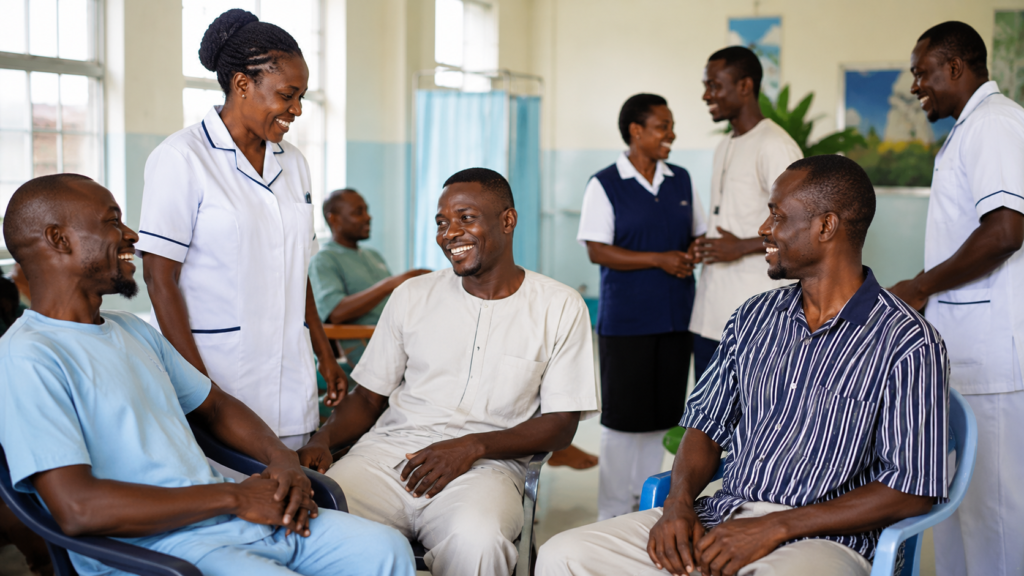
Hospitalisation for mental illness can often be an isolating experience, particularly for patients receiving treatment over several months. Clinical routines, medication schedules and limited social interaction may leave some individuals feeling disconnected from the outside world.
The barber programme introduces a different atmosphere into the hospital setting.
Rather than another clinical appointment, patients experience an activity familiar to everyday life. Conversations with volunteer barbers create moments of normalcy, allowing patients to engage socially in a relaxed environment. Healthcare workers say these interactions help humanise the hospital experience and remind patients that they are valued members of society.
The excitement generated each month when the volunteers arrive also reflects the emotional importance of seemingly ordinary experiences that many people outside hospital settings often take for granted.
Lived Experience Driving Community Change
The initiative stands out because it was inspired not by policy, but by personal experience.
Sheila Lugaliki, founder of the community-based organisation Uniquely Gifted, understands the challenges faced by psychiatric patients because she once experienced them herself. During her own admission to a psychiatric ward, she observed fellow patients going months without haircuts or other basic grooming, leaving many feeling forgotten and invisible.
Instead of moving on after her recovery, she chose to return with a practical solution.
Her decision to organise free monthly grooming sessions demonstrates how former patients can play an important role in improving healthcare services. Individuals with lived experience often identify unmet needs that may not be immediately visible within traditional healthcare systems, making their contributions valuable in designing more compassionate patient-centred programmes.
Men’s Mental Health Remains a Growing Concern
The programme has also attracted attention because it coincides with broader discussions surrounding men’s mental health in Kenya.
Mental health professionals have repeatedly warned that many men delay seeking treatment due to social and cultural expectations that encourage emotional resilience and discourage open conversations about psychological struggles. As a result, conditions such as depression, anxiety and substance use disorders may remain untreated until they become more severe.
According to the source material, Kenyan government data indicates that up to 40% of inpatients across health facilities experience underlying mental health conditions. While the grooming initiative is modest in scale, supporters believe it contributes to a wider conversation about reducing stigma and encouraging more holistic approaches to mental healthcare.
A Model That Could Inspire Other African Hospitals
Across Africa, healthcare systems continue to explore innovative ways of improving patient care despite resource constraints. While each country’s mental health system faces unique challenges, programmes like the one at Mathari Hospital demonstrate that meaningful improvements do not always require expensive technology or major infrastructure projects.
Volunteer-driven initiatives centred on dignity, social connection and emotional wellbeing could be adapted in other healthcare settings, provided they complement professional medical care and respect patient privacy and consent.
For policymakers, healthcare workers and community organisations, the Kenyan experience offers an example of how partnerships between hospitals and civil society can strengthen mental health services. It also reinforces an important message: effective psychiatric care involves treating the whole person, recognising that recovery is supported not only by medicine, but also by compassion, respect and human connection.
Frequently Asked Questions About Kenya’s Mental Health Grooming Initiative
Why are free haircuts being offered to psychiatric patients in Kenya?
The free grooming sessions are designed to complement psychiatric treatment by helping patients regain confidence, restore personal dignity and reduce self-neglect. Healthcare workers believe these improvements can positively influence emotional wellbeing and encourage greater engagement in the recovery process.
Where is the programme taking place?
The initiative is being implemented at Mathari National Teaching and Referral Hospital in Nairobi, Kenya’s largest psychiatric referral facility. Volunteer barbers visit the hospital every month to provide free haircuts for male patients receiving treatment.
Who started the grooming programme?
The programme is organised by Uniquely Gifted, a community-based organisation founded by Sheila Lugaliki. After previously receiving treatment in a psychiatric ward herself, Lugaliki returned as a volunteer to help address the lack of basic grooming services she had witnessed among long-term patients.
Does grooming replace medical treatment for mental illness?
No. The initiative is intended to support—not replace—professional psychiatric care. Patients continue to receive medical treatment, while the grooming sessions provide additional emotional, social and psychological support that healthcare workers believe contributes to overall wellbeing.
Why is personal grooming important in mental health recovery?
Mental health professionals say self-neglect is often one of the visible signs of severe mental distress. Restoring personal appearance through simple activities such as haircuts can improve confidence, encourage social interaction and help patients reconnect with their sense of identity during recovery.
Key Takeaways
- Mathari National Teaching and Referral Hospital has introduced free monthly barber services for male psychiatric patients.
- The programme aims to improve dignity, confidence and self-esteem during mental health recovery.
- Community organisation Uniquely Gifted, founded by former psychiatric patient Sheila Lugaliki, coordinates the initiative.
- Healthcare workers say personal grooming helps reduce self-neglect and promotes social interaction.
- The project complements traditional psychiatric treatment rather than replacing it.
- The initiative has also renewed conversations about men’s mental health and holistic approaches to healthcare in Kenya.
Looking Ahead
While the long-term impact of the programme has yet to be formally evaluated, it has already highlighted the growing importance of compassionate, patient-centred care in mental health services. As healthcare systems across Africa continue to seek innovative and cost-effective ways to improve treatment outcomes, initiatives that combine professional medical care with community support may become increasingly valuable.
The experience at Mathari National Teaching and Referral Hospital suggests that recovery is not defined solely by clinical progress. It is also shaped by restoring confidence, rebuilding social connections and ensuring that patients are treated with dignity throughout their journey. Although a haircut cannot cure mental illness, it can represent a meaningful step toward helping individuals feel recognised, respected and hopeful about their future.
Recommended Coverage
Africa’s Health Systems Face New Challenges
From infectious disease outbreaks to mental health care, African healthcare systems continue to evolve under growing pressure. Explore how countries across the continent are responding to today’s biggest public health issues.
Congo Ebola Outbreak Highlights Africa’s Health System Struggles
Ebola Outbreak Spreads Across DRC and Uganda
Bundibugyo Ebola Outbreak Triggers Nigeria Alert
About the Author