Jigawa Boat Accident Leaves Eight Dead as Search Continues for Nine Missing
Eight Confirmed Dead After Boat Capsizes in Ringim
The Jigawa boat accident has once again drawn attention to the dangers of water transportation in northern Nigeria after a wooden passenger boat capsized in Ringim Local Government Area, leaving at least eight people dead and nine others missing.
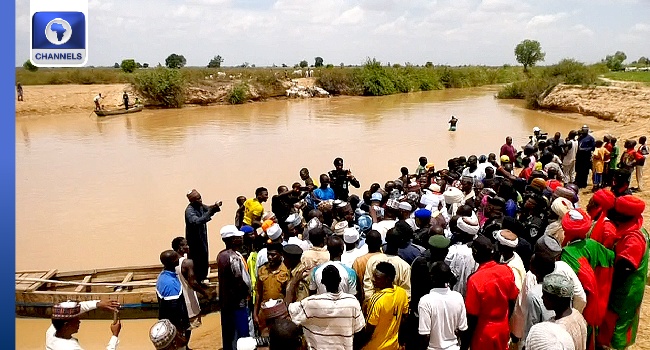
According to the Jigawa State Police Command, the incident occurred on Sunday at Malamawar-Yan Dutse, where a wooden boat carrying approximately 40 passengers overturned while crossing a local waterway. Most of those onboard were reported to be female farmers and labourers travelling for their daily activities.
Emergency responders have rescued 23 passengers alive, while search teams continue combing the river for those still unaccounted for. The latest casualty figures were confirmed by the Police Public Relations Officer, SP Shi’isu Adam, who said the rescue operation remains active. As reported by The Punch, authorities have pledged to continue searching until every missing passenger is accounted for.
While rescue efforts remain the immediate priority, the tragedy has also revived concerns over the persistent pattern of fatal boat accidents across Nigeria’s riverine communities, particularly during the rainy season.
Rescue Teams Continue Search Operation
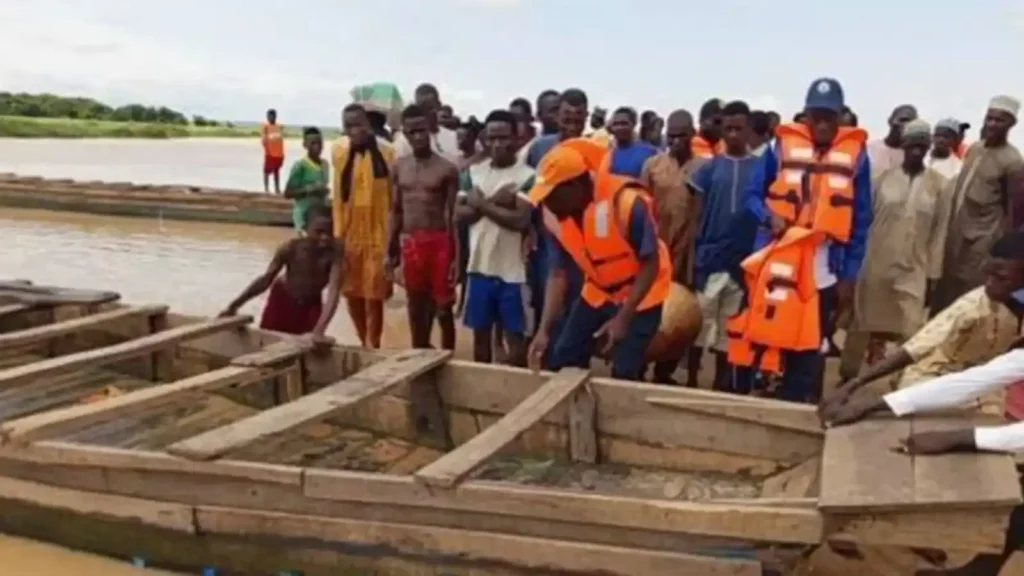
Search and rescue efforts have involved local divers, emergency responders and security personnel working together along the affected waterway.
Police spokesman SP Shi’isu Adam said emergency teams responded immediately after receiving reports of the accident.
“At the moment, we have successfully rescued 23 victims alive. Unfortunately, we have also recovered eight corpses from the river.”
Authorities confirmed that everyone rescued alive received medical attention before being discharged to reunite with their families.
The police also assured residents that the operation would continue until the remaining nine missing passengers are located.
Officials have appealed to nearby communities to provide any information that may assist rescue teams working along adjoining waterways and riverbanks.
Why the Jigawa Boat Accident Matters Beyond Today’s Casualty Figures
Although tragic, the Jigawa boat accident is not an isolated incident.
Across many rural communities in northern Nigeria, rivers remain an essential transportation route connecting farms, markets and neighbouring villages. For thousands of residents, especially farmers and labourers, boats provide one of the fastest and sometimes only means of crossing waterways.
This dependence on water transport means that any safety lapse can quickly become a life-threatening emergency.
The latest incident therefore represents more than a local tragedy. It highlights continuing questions about the safety standards governing rural water transportation and whether existing regulations are being effectively enforced.
Recurring Boat Accidents Continue to Challenge Northern Nigeria
Boat accidents have repeatedly claimed lives across several northern states during the rainy season.
While each incident has unique circumstances, officials frequently identify several common contributing factors, including:
- Passenger overloading.
- Failure to wear life jackets.
- Strong water currents.
- Use of ageing wooden boats.
- Limited enforcement of water transport safety regulations.
The police have once again urged boat operators to avoid overloading vessels and to ensure every passenger wears a life jacket before departure.
Safety experts have long argued that these simple precautions could significantly reduce fatalities when accidents occur.
Rainy Season Increases Waterway Risks
Heavy seasonal rainfall often transforms normally calm waterways into faster-moving channels with stronger currents and reduced visibility.
Communities that depend heavily on river crossings therefore face increased risks during this period.
For many rural residents, however, suspending boat travel is rarely practical. Farmers must reach their fields, traders need access to markets and labourers depend on daily movement between communities.
This economic reality often results in continued travel despite worsening weather conditions, increasing the importance of strict adherence to safety measures rather than relying solely on favourable weather.
Improving Boat Safety Requires More Than Emergency Response
While emergency responders deserve recognition for their swift efforts following the Jigawa boat accident, experts and policymakers have consistently argued that preventing such disasters is more effective than responding to them.
The latest tragedy underscores the importance of strengthening safety measures before boats leave the shore. Rural waterways remain an essential transport network for many communities, making preventive action critical rather than optional.
Authorities have repeatedly advised boat operators to avoid overloading vessels and ensure that passengers wear life jackets. However, enforcement remains a challenge in many remote communities where river transport is largely informal.
Greater collaboration between government agencies, community leaders, boat operators and residents could improve compliance with existing safety guidelines and reduce preventable loss of life.
The Human Cost Behind the Numbers
Although casualty figures often dominate headlines, every number represents families and communities facing painful loss and uncertainty.
The passengers aboard the ill-fated wooden boat were reportedly farmers and labourers travelling for their daily activities. For many rural households, such journeys are part of everyday life rather than exceptional events.
The accident therefore extends beyond immediate fatalities. Families may lose breadwinners, children may lose caregivers and communities may experience lasting social and economic disruption.
For those still waiting for news about missing relatives, the ongoing rescue operation remains a period of anxiety and hope.
Rescue Operations Continue as Families Await Answers
According to the Jigawa State Police Command, search teams remain committed to locating the remaining missing passengers.
Police spokesperson SP Shi’isu Adam said rescue personnel would continue searching adjoining waterways and nearby communities.
Authorities have appealed to residents living close to the river to provide any information that could assist ongoing recovery efforts.
At the time of reporting, eight deaths had been confirmed, 23 passengers had been rescued alive and nine people remained missing.
Officials have not released additional information regarding the identities of the victims.
A Reminder of the Importance of Water Transport Safety
The Jigawa boat accident serves as another reminder that water transportation safety remains a national concern requiring sustained attention.
While investigations into individual accidents may identify immediate causes, long-term improvement depends on broader investment in safer boats, stronger regulatory enforcement, public awareness campaigns and improved emergency preparedness.
Simple precautions—including avoiding overloaded boats, ensuring passengers wear properly fitted life jackets and monitoring weather conditions before travel—can significantly reduce the risk of tragedy.
Communities that depend on waterways for transportation should also continue promoting safety education among operators and passengers alike.
Looking Ahead
As rescue operations continue in Ringim Local Government Area, attention is likely to remain focused on locating the remaining missing passengers and supporting affected families.
Beyond the immediate emergency, the tragedy may also renew discussions about strengthening water transport safety across Nigeria’s riverine communities.
Whether through improved regulation, increased public awareness or better safety infrastructure, preventing future accidents will require consistent action from authorities, transport operators and local communities working together.
For now, the priority remains the ongoing search operation and ensuring that every possible effort is made to account for those still missing.
Conclusion
The Jigawa boat accident is more than another tragic headline. It highlights the continuing risks faced by communities that depend on waterways for their livelihoods and daily transportation.
While rescue teams continue their difficult work, the incident reinforces an important lesson: improving water transport safety is essential to preventing similar tragedies in the future. Ensuring compliance with basic safety measures such as avoiding overloaded boats and wearing life jackets could save countless lives in the years ahead.
Recommended Coverage
Oyo School Rescue: Security Forces Corner Kidnappers
Another major emergency response story showing how security agencies worked to protect lives during a developing crisis. Discover how the operation unfolded and the lessons it offers for public safety across Nigeria.
Uganda School Bus Crash Prompts School Trip Ban
A tragic transport accident in East Africa has sparked major safety reforms. Read how authorities responded and what Nigeria can learn about preventing similar disasters.
Rivers Church Flood Exposes Drainage Crisis
Extreme weather continues to threaten lives and infrastructure across Nigeria. Explore how environmental risks are increasing the need for stronger disaster preparedness and public safety measures.
About the Author