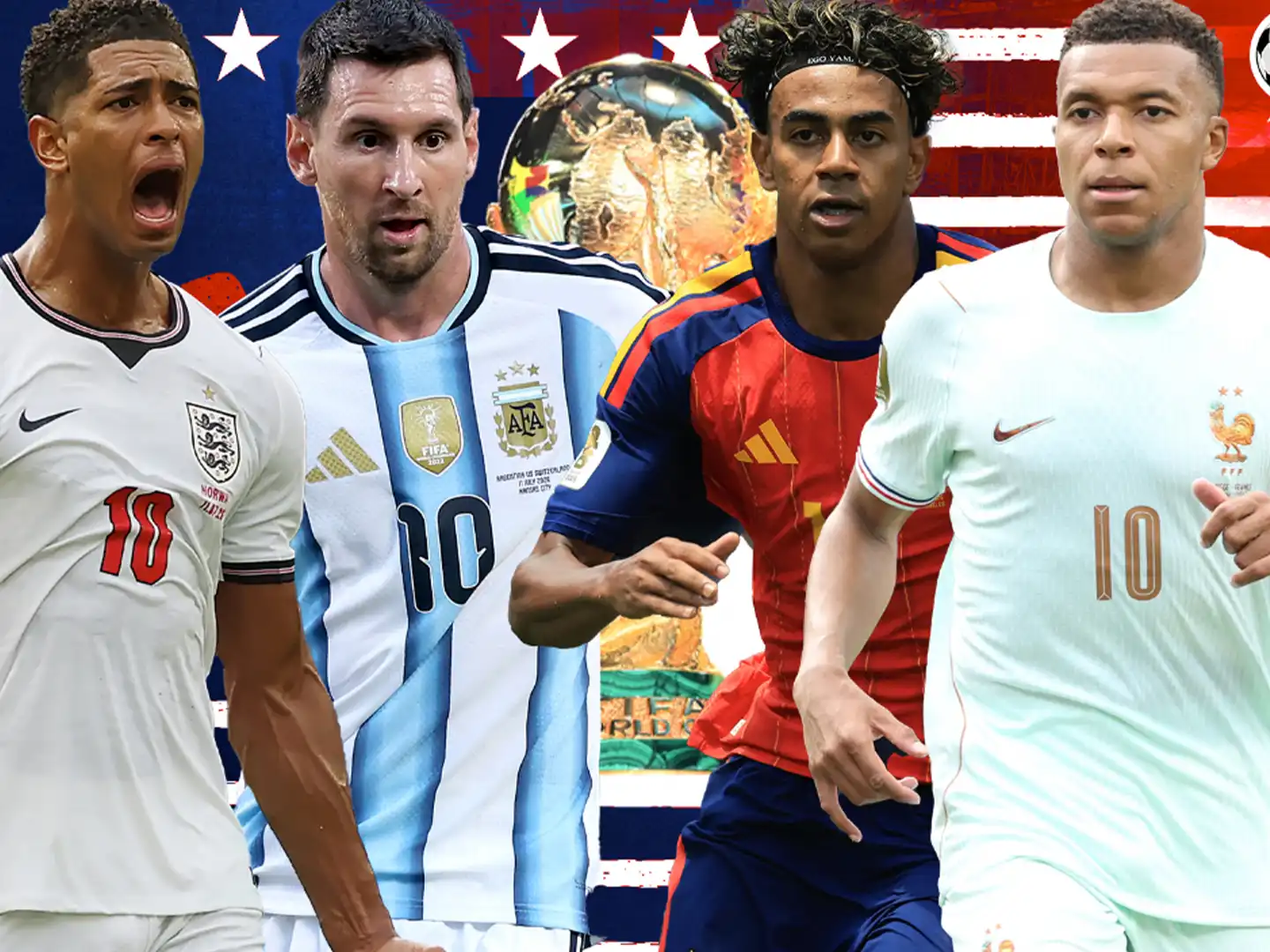
2026 World Cup Quarterfinals: France Lead Final Four Race
France has become the first nation to secure a place in the semi-finals of the 2026 FIFA World Cup quarter-finals, defeating Morocco 2–0 as one of the tournament’s most unpredictable knockout stages continues to reshape the race for football’s biggest prize. While Kylian Mbappé once again delivered on the biggest stage, the remaining quarter-final fixtures promise more drama, with former champions and emerging contenders battling for the last three semi-final places.
Unlike many recent World Cups dominated by a handful of traditional powers, the 2026 edition has produced a blend of expected excellence and remarkable surprises. France remain one of the favourites, Argentina continue their title defence, Spain have quietly built one of the tournament’s strongest defensive records, and Norway have emerged as the competition’s breakout story.
As the tournament enters its decisive phase, the narrative has shifted beyond individual match results. It has become a story about changing power dynamics in international football, tactical evolution and the arrival of new challengers capable of unsettling the sport’s established hierarchy.
France Set the Standard in the Quarter-Finals
France wasted little time demonstrating why they remain among the strongest teams left in the tournament.
Les Bleus defeated Morocco 2–0 in Boston to become the first side to qualify for the semi-finals, extending their impressive run through the knockout rounds. Kylian Mbappé opened the scoring with his eighth goal of the tournament before Ousmane Dembélé added another after the break to seal victory.
Mbappé’s latest goal also moved him level with Lionel Messi in the race for the tournament’s Golden Boot, adding another subplot to an already captivating World Cup.
For France, however, the individual accolades remain secondary. Their immediate objective is reclaiming football’s biggest prize after falling just short in previous editions of the tournament.
The victory also underlined France’s remarkable consistency on the world stage. Over the past decade, they have regularly progressed deep into major international tournaments, combining experienced leaders with one of Europe’s strongest generations of emerging talent.
The Remaining Quarter-Final Battles
While France have already secured one semi-final place, attention now turns to the remaining three fixtures that will complete the final four.
Spain face Belgium in what many observers consider the most tactically balanced contest of the round.
Spain enter the match carrying extraordinary defensive momentum after keeping clean sheets throughout their first five matches of the tournament—a feat not achieved at a FIFA World Cup since Italy accomplished it in 1990.
Belgium, meanwhile, have impressed with their attacking efficiency, including a convincing victory over the United States that ended the hopes of one of the tournament’s co-hosts.
Another compelling encounter will see Norway meet England.
England continue to rely on tournament experience and squad depth, but Norway have quickly become one of the competition’s most talked-about teams after producing a series of fearless performances.
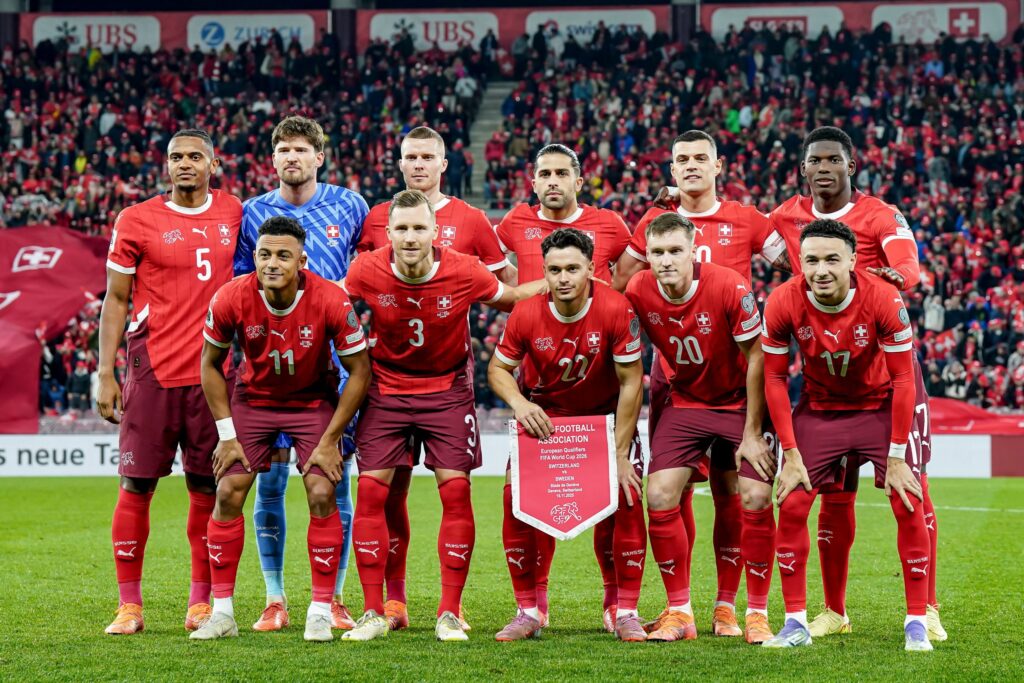
The final quarter-final pits defending champions Argentina against Switzerland.
Argentina survived a dramatic Round of 16 encounter against Egypt before advancing, while Switzerland secured their place by overcoming Colombia in a tense penalty shootout.
With only three places remaining in the semi-finals, every mistake from this point forward could prove decisive.
Norway’s Historic Rise Signals a New Era
Among the biggest stories of the 2026 World Cup Quarterfinals is Norway’s remarkable journey.
For decades, Norway have struggled to establish themselves among football’s elite despite producing world-class talent. This year, however, they have transformed potential into results.
Led by prolific striker Erling Haaland, Norway reached the FIFA World Cup quarter-finals for the first time in their history after eliminating five-time champions Brazil with a memorable 2–1 victory. Haaland has already scored seven goals in the tournament, making him one of the leading contenders for the Golden Boot.
Their success reflects years of investment in youth development, coaching standards and player development across European club football.
Instead of relying solely on individual brilliance, Norway have combined disciplined defending, quick transitions and clinical finishing to trouble some of the world’s strongest teams.
Their progress also demonstrates how the competitive gap between traditional football powers and emerging nations continues to narrow.
Should Norway overcome England, it would rank among the greatest achievements in the country’s football history.
Spain’s Defensive Masterclass
While France have impressed with their attacking firepower and Norway have captured global attention through fearless football, Spain have quietly built their campaign on defensive excellence.
The Spanish side entered the quarter-finals without conceding a single goal in five matches, becoming the first team to achieve that feat at a World Cup since Italy in 1990.
Modern football increasingly rewards teams capable of controlling possession while limiting opponents’ opportunities, and Spain have excelled in both areas.
Their disciplined defensive structure has allowed them to dictate the rhythm of matches, frustrate attacking opponents and minimise unnecessary risks.
However, Belgium present a very different challenge.
Known for their pace on the counterattack and ability to punish defensive mistakes, Belgium will force Spain to balance defensive caution with attacking ambition.
For football analysts, the encounter represents a fascinating tactical battle between two contrasting styles of play.
A Tournament Full of Unpredictable Twists
Perhaps the defining feature of the 2026 FIFA World Cup has been its unpredictability.
Several pre-tournament expectations have already been overturned.
One of the most striking developments was the elimination of all three co-host nations before the quarter-finals—a first in World Cup history.
Mexico were edged out by England in a thrilling 3–2 contest, the United States suffered a heavy defeat to Belgium, while Canada were comfortably beaten by Morocco.
The simultaneous exits of the tournament hosts underline the increasingly competitive nature of international football.
Home advantage has traditionally offered teams a psychological boost through familiar conditions and passionate home support.
This year, however, quality, tactical discipline and consistency have outweighed those traditional advantages.
Argentina’s difficult passage to the quarter-finals further highlights the fine margins separating victory and defeat.
The defending champions were pushed to the limit before staging a dramatic comeback to defeat Egypt 3–2, while Switzerland earned their place through a tense penalty shootout victory over Colombia.
These results reinforce an important lesson: no team, regardless of reputation or history, can afford complacency.
Beyond the Pitch: Football’s Global Entertainment Power
The World Cup has always been more than a sporting competition.
It has evolved into one of the world’s largest entertainment and commercial events, attracting billions of viewers across television, streaming platforms and social media.
That global appeal will reach another milestone when the tournament stages its first-ever FIFA World Cup Final halftime show.
According to tournament organisers, international music stars including Burna Boy, Justin Bieber, BTS, Madonna and Shakira are scheduled to perform during the final at MetLife Stadium on 19 July.
The announcement reflects FIFA’s growing ambition to position the World Cup not only as the pinnacle of international football but also as a global entertainment spectacle capable of competing with other major sporting events for worldwide audiences.
Meanwhile, Adidas has unveiled the “Trionda Final” match ball, featuring design elements inspired by the host cities staging the tournament’s closing matches.
Together, these developments illustrate how modern football extends far beyond the ninety minutes played on the pitch, encompassing culture, technology, branding and international entertainment.
What the Semi-Final Race Could Look Like
With France already through, the remaining quarter-final ties will determine who completes the final four and who remains on course for the FIFA World Cup trophy.
Should Spain overcome Belgium, football fans could be treated to a mouth-watering semi-final between two of Europe’s most technically gifted teams. France’s attacking flair would come up against Spain’s disciplined defensive structure in what promises to be a tactical chess match.
If Belgium advance instead, their pace in transition and physical style would present France with an entirely different challenge.
On the other side of the bracket, England, Norway, Argentina and Switzerland all have realistic ambitions of reaching the final.
England possess tournament experience and squad depth, but Norway’s confidence continues to grow with every victory.
Argentina remain dangerous because of their experience in high-pressure knockout matches, while Switzerland have repeatedly shown they can frustrate more fancied opponents.
The outcome of these matches will shape not only the semi-finals but also determine whether the 2026 FIFA World Cup concludes with another clash between established giants or ushers in a new footballing power.
Why the 2026 World Cup Quarterfinals Matter
The 2026 World Cup Quarterfinals have demonstrated why the FIFA World Cup remains the most compelling competition in international football.
This year’s tournament has produced a blend of elite quality, historic breakthroughs and unexpected exits that have challenged many pre-tournament predictions. France have reaffirmed their status as one of football’s modern powerhouses, Norway have inspired supporters with an unprecedented run, Spain have showcased defensive excellence, and Argentina continue to prove why defending champions can never be underestimated.
The elimination of all three co-host nations before the quarter-finals also serves as a reminder that home advantage alone is no guarantee of success. Instead, tactical organisation, squad depth, mental resilience and consistency have emerged as the defining qualities of the teams still standing.
Beyond the action on the pitch, FIFA’s introduction of a Super Bowl-style halftime show and the unveiling of a new official match ball highlight the tournament’s growing commercial and cultural influence. Football is no longer just a sporting spectacle; it has become a global entertainment event that attracts audiences far beyond traditional fans.
Looking Ahead
As the competition moves closer to the semi-finals, every remaining match carries enormous significance. A single moment of brilliance—or a costly mistake—could determine which nation lifts the trophy in New Jersey.
For France, the focus now shifts to preparing for a formidable semi-final opponent after becoming the first team to book a place in the last four. The remaining contenders know that there is little margin for error as the race for football’s biggest prize intensifies.
Regardless of who ultimately reaches the final, the 2026 FIFA World Cup has already delivered unforgettable moments, historic achievements and compelling storylines that will be remembered long after the tournament concludes. With traditional powerhouses and emerging challengers still in contention, the closing stages promise more drama, excitement and world-class football.
Recommended Coverage
2026 FIFA World Cup: Messi, Mbappé Rewrite History
You can also explore how Lionel Messi and Kylian Mbappé have rewritten World Cup history with record-breaking performances that continue to shape the tournament. Discover the milestones behind football’s biggest rivalry.
Norway vs Brazil Tactical Masterclass World Cup
You can also read our in-depth tactical analysis of Norway’s stunning victory over Brazil and how Erling Haaland inspired one of the biggest upsets of the 2026 FIFA World Cup.
FIFA Disciplinary Controversy
You can also find out why FIFA’s disciplinary decisions have sparked intense debate during the tournament and how they could influence the remaining knockout matches and the race to the final.
About the Author