Introduction
Africa’s political, judicial, security and economic developments continue to raise important questions about institutional responsibility and public accountability. In this Africa in Motion Africa news review for 20 October 2026, five stories from Kenya, Mali, the Democratic Republic of the Congo and South Africa illustrate the importance of examining evidence, understanding consequences and distinguishing established facts from unresolved allegations.
In Kenya, a court convicted preacher Paul Nthenge Mackenzie and 28 co-defendants on 191 murder counts connected to the Shakahola tragedy. In Mali, a Human Rights Watch report renewed concerns about civilian protection during counterinsurgency operations, while differences between reported casualty figures highlighted the need for careful verification.
The Democratic Republic of the Congo faced questions over international funding for its Ebola response after a verification exercise traced only a fraction of the amount donors reportedly disbursed. Meanwhile, South Africa’s judicial inquiry into apartheid-era prosecutions continued to examine questions about historical accountability, as stronger tax receipts raised expectations ahead of the country’s medium-term budget statement.
Although these developments concern different national circumstances, they share a common public-interest requirement: decisions, allegations and financial claims must be examined against reliable evidence. The consequences for affected communities, the responsibilities of public institutions and the questions still awaiting answers remain central to understanding the stories.
Story 1. Kenya Shakahola verdict marks a major judicial turning point
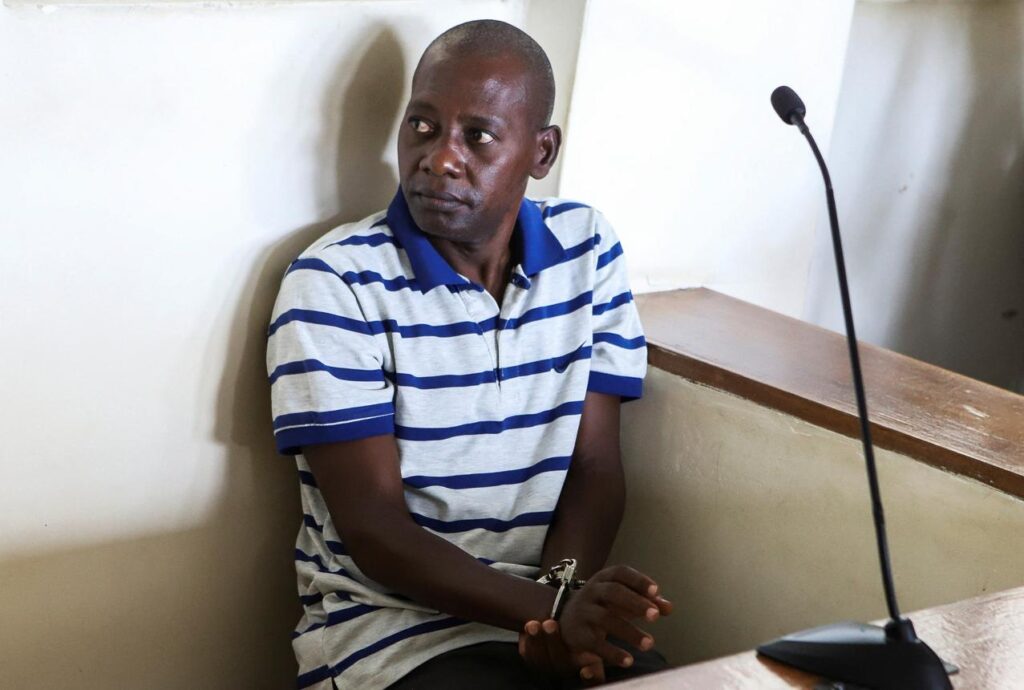
A Kenyan court’s conviction of preacher Paul Nthenge Mackenzie and 28 co-defendants on 191 murder counts marked a significant development in the Shakahola case, one of the country’s most disturbing criminal investigations in recent years. Reuters has reported on the case and its legal developments.
The verdict was delivered on 19 October 2026. The 191 murder counts covered the deaths of 190 children and one adult. The case arose from activities associated with Mackenzie’s Good News International Church in Kilifi County.
The Shakahola tragedy attracted international attention in 2023, when investigators uncovered mass graves in Shakahola Forest. More than 400 bodies were eventually exhumed during the wider investigation. Associated Press has also covered the Shakahola tragedy and its aftermath.
However, the number of bodies found during the wider investigation must be distinguished from the 191 murder counts covered by the verdict. They describe different aspects of the case and should not be treated as interchangeable figures.
The proceedings have raised serious questions about extreme fasting practices, coercion and the criminal responsibility of the defendants. They have also renewed scrutiny of how earlier warnings involving Mackenzie were handled.
The central issue is not religious belief itself. It is whether particular conduct amounted to criminal activity, whether the defendants were legally responsible for the deaths covered by the charges and whether the relevant authorities responded effectively when concerns first emerged.
This distinction is important when reporting cases involving religious organisations. Allegations against specific individuals should not be generalised to lawful religious activity or used to stigmatise entire communities.
What happens next in the Shakahola case?
Reports available to the newsroom indicated that a mitigation hearing was scheduled for 30 October, with sentencing expected on 6 November. These dates require confirmation through official court records. Reuters also reported that Mackenzie planned to appeal. Updates can be checked through the Kenya Judiciary and the Kenya Law legal information database.
The next stages will help clarify the court’s reasoning and the legal consequences for the convicted defendants. Any appeal proceedings will also be relevant to the eventual legal outcome.
For families affected by the tragedy, the proceedings are part of a longer effort to establish responsibility and obtain answers. The wider investigation may also provide lessons for child protection, law enforcement and the handling of warnings about potentially dangerous practices. The Kenya National Commission on Human Rights provides further information on human rights and accountability.
The verdict represents a major judicial milestone, but it does not resolve every question raised by the wider tragedy.
The Kenya Shakahola verdict therefore matters both for the criminal proceedings themselves and for the broader public-interest questions surrounding prevention, institutional response and accountability.
Story 2. Mali civilian protection concerns raised by new human-rights report
A Human Rights Watch report published on 19 October alleged that Malian armed forces and their Russian-linked allies in the Africa Corps were responsible for civilian deaths and other abuses during counterinsurgency operations.
The report also documented serious abuses attributed to Islamist and separatist armed groups. Its findings and allegations require careful attribution: they are not final judicial determinations, and responsibility for individual incidents must be established through credible investigations.
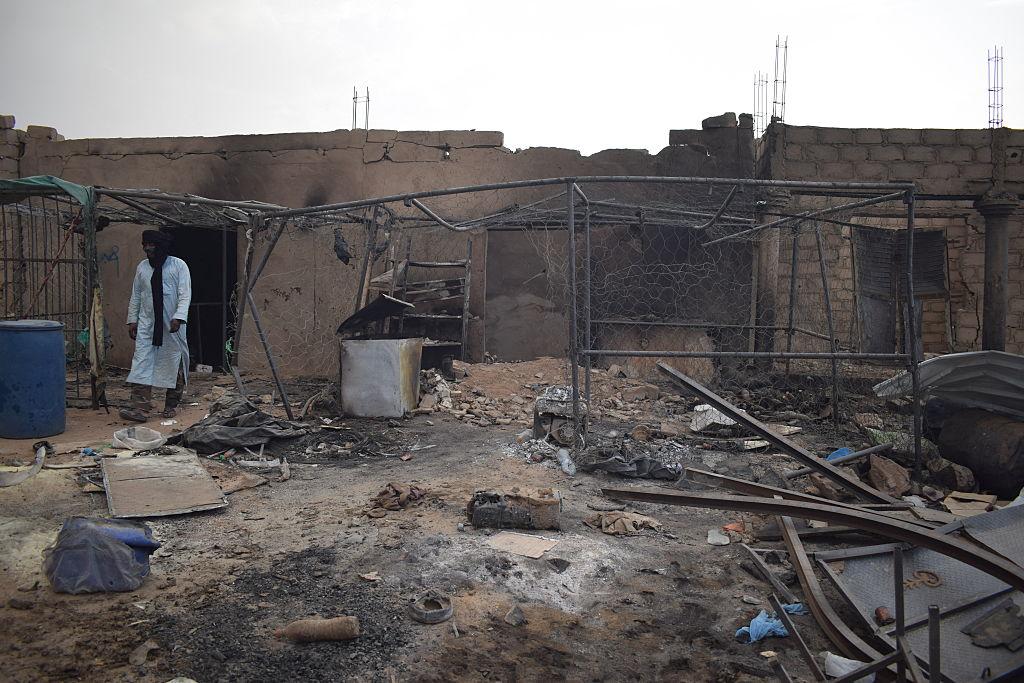
The report described several incidents that occurred before the current edition’s reporting window. Among them was an apparent drone strike that damaged a health facility in Talahandak on 29 July.
It also reported that a strike at a cattle market in Tombonkore on 19 August killed six civilians and injured at least 20 people. Another incident concerned the reported killing of five girls by Malian soldiers in the Ségou region on 12 July.
Human Rights Watch said its researchers interviewed 30 people between 30 July and 20 September, including 16 witnesses to abuses, and examined photographic and video material.
The report’s publication brought renewed attention to civilian protection in Mali, where security operations against armed groups have taken place amid a continuing conflict. Reuters provides additional reporting on security developments in the region.
The organisation also documented abuses attributed to armed groups, including reported torture and executions of captured Malian soldiers. A balanced assessment must therefore examine credible evidence concerning violations by all parties rather than assuming that responsibility lies exclusively with one side.
Conflicting figures require further verification
An important qualification concerns the reported number of airstrikes and civilian deaths.
Human Rights Watch cited Armed Conflict Location & Event Data (ACLED) figures of 49 airstrikes and 89 civilian deaths attributed to Malian forces and Africa Corps between April and August 2026. Earlier newsroom records cited 47 strikes and 94 deaths.
The two sets of figures differ. The underlying dataset, event definitions and reporting cut-offs must be checked before the numbers can be reconciled. They should not be combined or presented as one definitive total without that verification.
Human Rights Watch said it had requested a response from Mali’s defence minister but had not received one by the time of publication. The absence of a response does not establish the allegations as true.
The organisation called on the African Union Peace and Security Council to scrutinise civilian protection and press for independent investigations. This was a recommendation from Human Rights Watch, not confirmation that the African Union had adopted the recommendation.
The wider significance of the report lies in the need for credible investigations, transparent findings and practical measures to protect civilians. Such efforts are important for communities affected by violence, including people who depend on health facilities and local markets for essential services.
The next question is whether the reported evidence will lead to investigations capable of establishing responsibility and identifying measures to prevent further abuses. Until then, the allegations, the conflicting statistics and any official responses must be handled with care.
Story 3. DRC Ebola response funding raises questions about financial accountability
The Democratic Republic of the Congo is facing questions over the accounting of international funding intended to support its Ebola response. Africa CDC raised concerns about the funding.
Africa Centres for Disease Control and Prevention Director-General Jean Kaseya said donors had reported disbursing US$962 million to implementing partners. However, a verification exercise could trace only slightly more than US$200 million through the organisations that participated. Reuters reported on the funding concerns.
Africa CDC raised the concern publicly following a meeting in Kinshasa on 14 October.
The difference between the reported disbursements and the amount traced in the exercise is substantial. However, the figures do not, by themselves, prove that money was stolen, lost or deliberately misused.
The distinction matters because the verification exercise covered only participating organisations. Africa CDC indicated that fewer than 30 per cent of the organisations concerned took part. Africanews reported on the verification exercise.
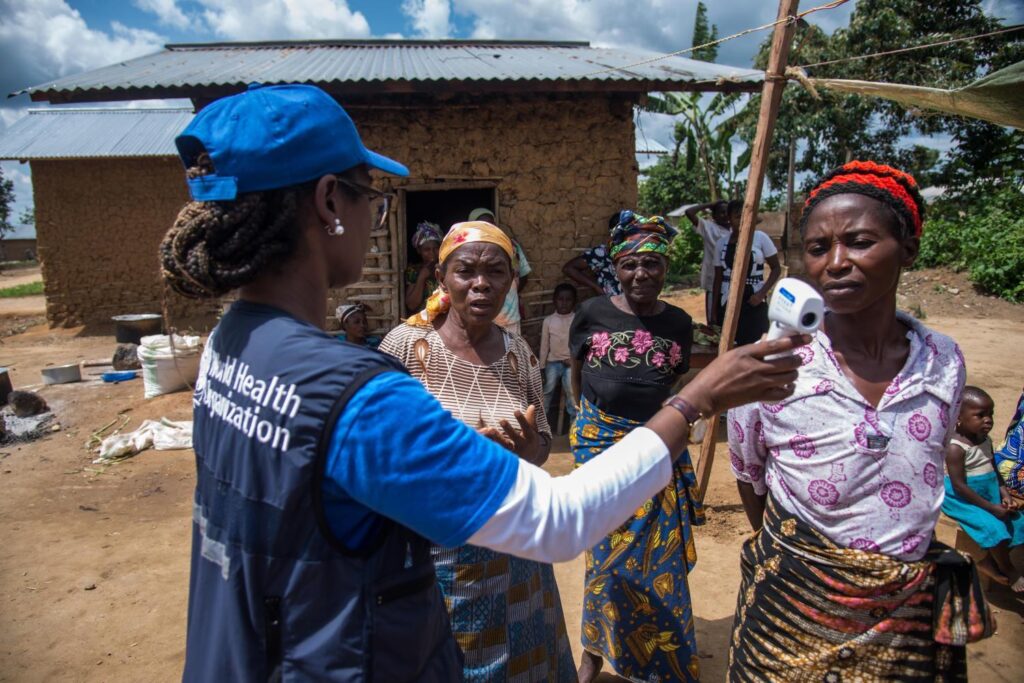
The funds were reportedly paid directly to implementing partners rather than to the Congolese government. Establishing their destination and use therefore requires records from the relevant recipients and organisations. The World Health Organization provides additional information on international public-health response efforts.
What does the funding discrepancy mean?
A complete reconciliation would need to examine recipient-level financial records, expenditure statements, outstanding balances and independent audit findings where available. Organisations that did not participate in the verification exercise would also need to provide supporting information.
The objective would be to establish what amounts were received, how the money was spent, which activities it supported and whether any balances remain unaccounted for.
The distinction between an accounting gap and proven wrongdoing is essential. Funds that could not be traced through a limited exercise cannot automatically be classified as stolen or missing. Further documentation is needed to establish their status.
The issue nevertheless raises a legitimate question about financial oversight in emergency public-health programmes.
Ebola-response funding is intended to support activities such as disease surveillance, treatment, prevention, logistics and engagement with affected communities. The available information does not establish that any particular health service failed because of the funding discrepancy. It does, however, show why transparent financial reporting is important to assessing how resources are used.
Emergency programmes involve multiple organisations and funding arrangements. Without reliable records and participation in verification exercises, donors and the public may struggle to determine whether reported disbursements translated into documented activities and results.
The next steps should include fuller participation by implementing organisations, disclosure of relevant financial records and any independently documented audit or reconciliation.
The unresolved funding question is therefore not simply how much money was disbursed, but what the money supported and how its use can be demonstrated.
For the Democratic Republic of the Congo and its international partners, accountability requires both transparency and evidential discipline. The discrepancy warrants further examination, but any conclusion of theft or misappropriation must be supported by evidence. Essential public-health activities must also continue.
Story 4. South Africa’s Mbeki inquiry revisits apartheid-era prosecutions
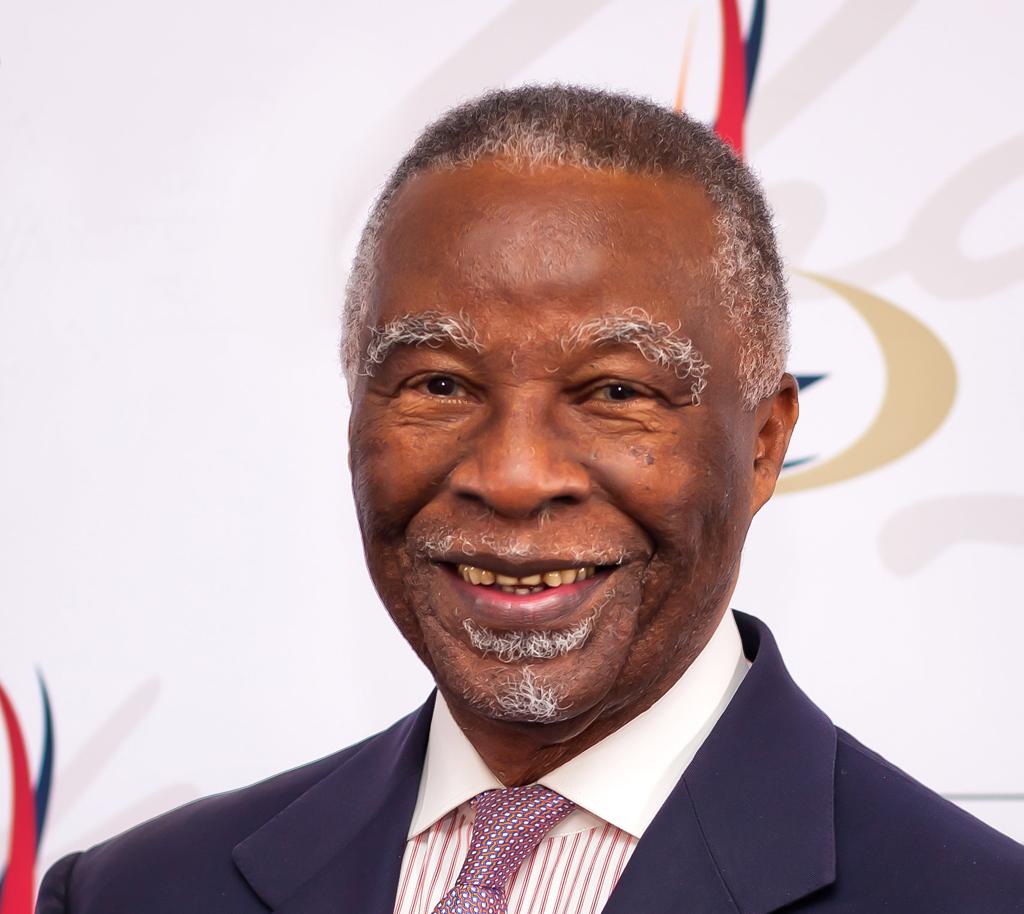
Former South African president Thabo Mbeki testified before a judicial inquiry in Johannesburg on 19 October, denying that he directed or authorised the suppression of investigations or prosecutions involving apartheid-era crimes. Associated Press reporting
Mbeki, who served as president from 1999 to 2008, also denied making secret arrangements to protect former security officials from prosecution.
The inquiry followed complaints from victims’ families and survivors concerning the limited number of prosecutions arising from cases referred by South Africa’s Truth and Reconciliation Commission.
According to Associated Press reporting, the commission referred approximately 300 cases for further action, but only a small number resulted in successful prosecutions. The official Truth and Reconciliation Commission report provides historical background.
The figures have renewed attention on how the cases were handled and why so many referrals did not result in successful prosecutions.
What is the inquiry examining?
Mbeki acknowledged meeting former military and police officers. He argued that the meetings were intended to encourage participation in the truth process rather than to secure protection from prosecution.
The inquiry is examining whether political decisions influenced the handling of individual cases and whether official records can explain why so many referrals did not progress to successful prosecutions. The TRC Cases Inquiry website
Mbeki’s denial forms part of the inquiry record, but it is not a final finding. Equally, the allegations under examination should not be treated as proven simply because the inquiry is investigating them.
Relevant evidence may include case files, prosecution records, official correspondence and testimony from officials involved in the decisions. These materials will be important to determining what happened and why particular cases did not proceed. South African Department of Justice
Further testimony was expected, including from former president Jacob Zuma, although the precise schedule requires confirmation through official inquiry notices.
For victims’ families and survivors, the issue concerns whether cases were properly investigated, why some did not proceed and who was responsible for decisions that affected the pursuit of justice.
The inquiry’s eventual findings may clarify aspects of the historical record and the institutional handling of apartheid-era cases. Its conclusions, however, should not be anticipated before the evidence has been examined.
The significance of the inquiry lies in its potential to clarify disputed decisions and establish a more complete account of how the prosecution process was handled. A credible process must distinguish allegations, testimony, documentary evidence and final findings.
Story 5. South Africa budget outlook shaped by stronger tax receipts
South Africa budget outlook shaped by stronger tax receipts
South Africa was preparing for its 2026 Medium-Term Budget Policy Statement amid expectations that stronger tax receipts could improve the government’s fiscal outlook.
Reuters reported on 19 October that corporate tax receipts had risen by 22.8 per cent during the first five months of the relevant fiscal period. Value-added tax had increased by 9.1 per cent, while personal income tax was up by 8.4 per cent.
These figures raised expectations that government revenue could perform better than previously anticipated.
Financial institutions cited by Reuters forecast a revenue improvement of around 40 billion rand to more than 50 billion rand. Analysts also expected the budget deficit could narrow to between 3.3 and 3.6 per cent of gross domestic product, compared with a previously cited target of 3.7 per cent.
These were pre-budget forecasts, not confirmed government figures.
Higher tax revenue does not automatically mean economic recovery
Stronger tax receipts can give a government more room to manage public spending and borrowing. But an improvement in revenue collection does not automatically demonstrate that the wider economy has recovered or that public debt pressures have been resolved.
Reuters cited an International Monetary Fund growth projection of about one per cent for the year. That projection illustrates the difference between stronger revenue receipts and broad-based economic growth.
The durability of the revenue improvement is therefore important. So is the government’s plan for using any additional fiscal space.
The questions include whether stronger revenue will support public services and investment, help manage borrowing, or improve the government’s ability to maintain a sustainable fiscal position.
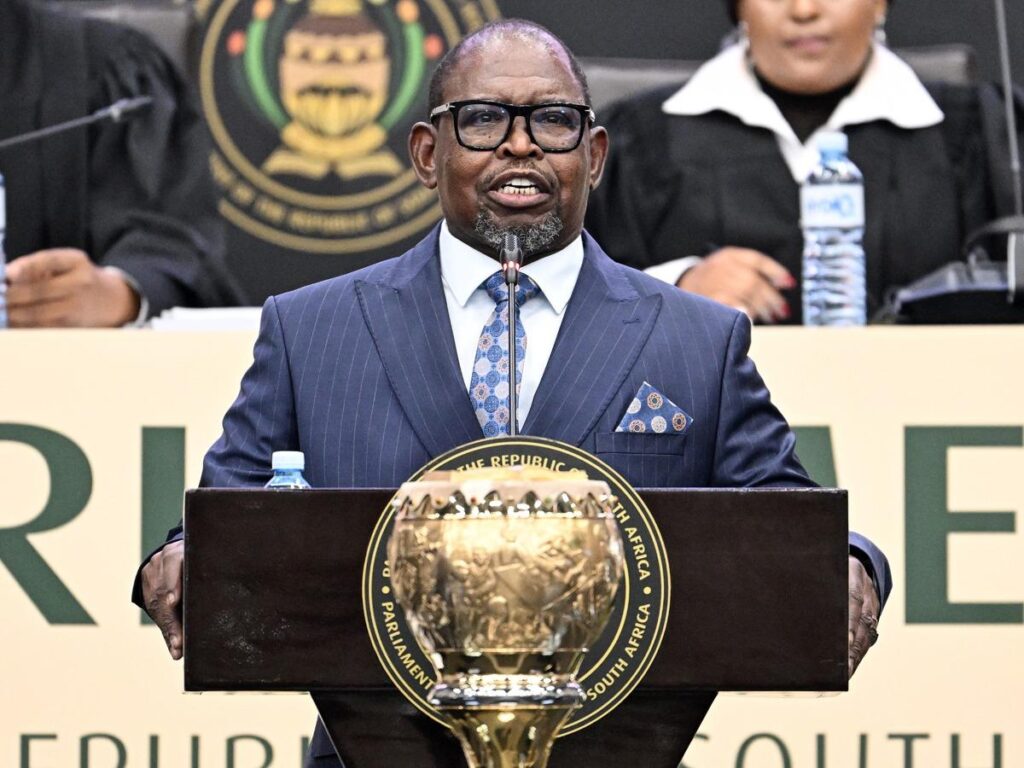
Finance Minister Enoch Godongwana was scheduled to present the Medium-Term Budget Policy Statement at 2 p.m. on 21 October. That event fell after the reporting cut-off for this edition. Consequently, the official statement’s eventual figures and policy decisions are not included in this report.
The official statement will be needed to determine whether the anticipated revenue improvement is confirmed, revised or offset by other fiscal pressures.
For South Africans, the important issue is not simply whether the projected deficit becomes smaller. It is whether the government can turn a stronger revenue outlook into a credible and sustainable fiscal plan while economic growth remains weak.
The pre-budget figures provide a reason to watch the statement closely, but the final assessment must be based on the official projections and policy decisions.
Conclusion: Evidence and accountability remain central
The five developments reviewed in this Africa news review for 20 October 2026 concern different national circumstances, but each highlights the importance of evidence, institutional responsibility and clear answers.
In Kenya, the Shakahola verdict established a significant judicial outcome, while further proceedings remain relevant to the wider legal process. In Mali, allegations of abuses and conflicting casualty figures require careful verification and credible investigation. In the Democratic Republic of the Congo, the Ebola-response funding discrepancy remains an unresolved accounting question, not proof of theft.
In South Africa, a judicial inquiry continues to examine questions surrounding apartheid-era prosecutions, while the country’s fiscal outlook awaits confirmation through its official budget statement.
The next developments to watch include the Kenyan court’s sentencing and any appeal filings, investigations arising from the Mali report, further reconciliation of Ebola-response funds, additional evidence before South Africa’s inquiry and the official medium-term budget figures.
Understanding Africa’s changing political, economic and social landscape requires more than repeating headlines. It means establishing what is known, distinguishing it from what remains disputed and following the institutions responsible for providing answers.
About the Author