Introduction
Africa news today reflects five distinct developments testing public institutions in different parts of the continent: a major Ebola outbreak in the Democratic Republic of the Congo (DRC), a new political-military coalition linked in reporting to the conflict in eastern Congo, flooding in Libya’s capital, unrest in Mauritius following a police shooting, and the spread of foot-and-mouth disease to a second region of Namibia.
In this 14 October 2026 edition of Africa in Motion, DSG HERALD NEWS examines what has happened, why each development matters and which questions remain unresolved.
The DRC’s public-health emergency highlights the importance of maintaining essential healthcare while controlling an infectious disease. Separately, the announcement of the Front for the Refoundation of the Nation raises questions about the organisation of opposition forces and the future of the conflict in eastern Congo.
In Libya, flooding has disrupted roads and exposed electrical hazards, while conflicting reports have left the casualty total uncertain. In Mauritius, an investigation into a police shooting is central to establishing responsibility after protests and unrest. Namibia’s veterinary authorities, meanwhile, face the challenge of containing an animal disease while limiting the economic consequences for farmers and meat traders.
These stories do not represent one common continental crisis. They demonstrate how public health, security, emergency response, accountability and livelihoods depend on effective institutions and reliable information.
STORY 1: DRC Ebola outbreak passes 9,000 confirmed cases as healthcare concerns deepen
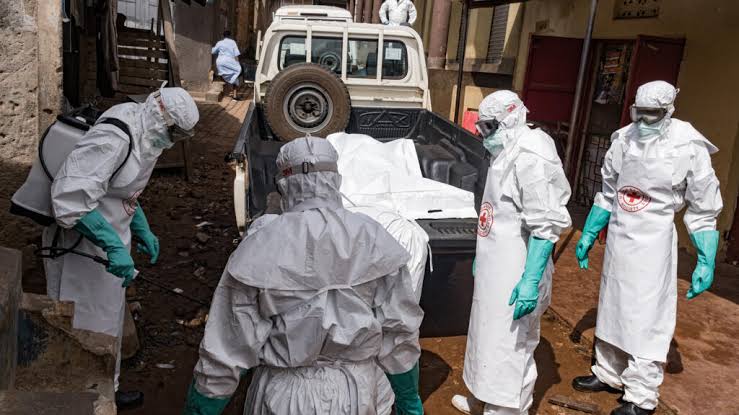
The Democratic Republic of the Congo’s Ebola outbreak has passed 9,000 confirmed cases, with cumulative figures reported on 13 October 2026 standing at 9,066 cases and 4,381 deaths.
The outbreak is caused by the Bundibugyo virus and has affected 65 health zones across seven provinces, according to the newsroom material for this edition. Read the Associated Press report on the outbreak.
The figures represent cumulative totals, not the number of people newly infected or killed in a single day. An earlier World Health Organization update, published on 8 October and covering data through 6 October, recorded 8,728 confirmed cases and 4,205 deaths. The two sets of figures have different reporting cutoffs and should not be compared as if they covered identical periods.
The impact extends beyond Ebola treatment
The outbreak is also placing pressure on routine healthcare.
A Reuters report published on 14 October raised concerns that fear of infection, misinformation and distrust were discouraging some families from seeking medical attention. It cited a reported 70 per cent increase in maternal deaths in Ituri province between May and July, alongside a sharp decline in measles vaccination in Mongbwalu.
These figures indicate a possible wider disruption to healthcare, but the underlying datasets and comparison periods require further examination before more detailed conclusions can be drawn.
The concern is that an infectious disease emergency can affect people who do not have the virus. When families avoid health facilities, they may also miss maternal care, childhood immunisation and treatment for other illnesses.
The effectiveness of the response therefore depends not only on identifying cases and providing treatment, but also on maintaining essential services and communicating clearly with affected communities.
Cross-border surveillance remains important
The outbreak has also raised a regional public-health concern. The World Health Organization reported an imported case in Kenya involving a person who had travelled from the DRC through Uganda. The patient died, and contact tracing and other response measures were initiated.
This development underlines the importance of surveillance, information-sharing and coordination across borders. It does not establish that neighbouring countries face identical levels of risk.
The priorities remain case detection, treatment, community engagement and continued access to essential healthcare. Updated epidemiological data and public confidence in health services will be important measures of the response.
STORY 2: Joseph Kabila’s FRN coalition raises questions about eastern DRC’s political future
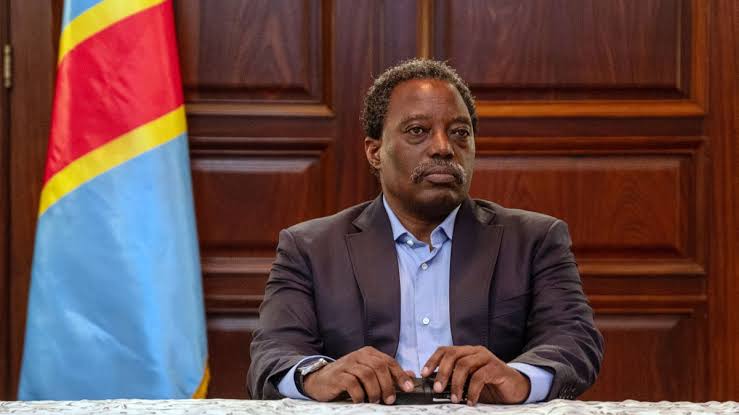
Former Democratic Republic of the Congo president Joseph Kabila has announced a new political-military front opposing the government of President Félix Tshisekedi, according to Associated Press reporting.
The Front for the Refoundation of the Nation, known as the FRN, was announced in Goma on 12 October. Reports published the following day described it as a coalition bringing together figures associated with the AFC-M23 movement. Corneille Nangaa, a senior figure associated with the earlier coalition, was identified among its leaders.
Goma has been under M23 control since January 2025, according to the reporting cited in the newsroom material.
The announcement places a former head of state at the centre of a new opposition structure linked in reporting to an established armed movement. Its significance will depend on whether the new arrangement changes political coordination, participation in peace negotiations or the organisation of armed groups.
What is known about the new coalition?
An adviser to the coalition said it intended to unite resistance forces and would use force if necessary. This is an attributed statement of intent, not evidence that the FRN has gained territory, recruited additional fighters or established effective command over every group it claims to represent.
The formal relationship between the FRN, the Alliance Fleuve Congo (AFC) and M23 also remains unresolved in the available material.
Some reports described the FRN as succeeding or dissolving the AFC-M23 coalition. Other accounts presented it as including the AFC-M23 movement. Establishing the relationship will require clarity from founding documents and direct statements by the organisations involved.
What could change next?
The implications could be significant if the new structure changes who participates in peace negotiations, how opposition demands are organised or how armed units operate.
However, the available information does not establish that the announcement has already altered battlefield conditions or produced a new outcome in peace negotiations.
The conflict also has a regional dimension, including international reporting and diplomacy concerning M23’s relationship with Rwanda. Claims about those relationships require careful attribution and assessment alongside official positions and independent investigations.
The next developments to watch are the FRN’s command structure, the relationship among its members, the Congolese government’s response and any verified changes in conflict conditions or negotiations.
For now, the announcement marks a political development whose practical consequences remain uncertain.
STORY 3: Tripoli flooding disrupts roads as casualty reports conflict
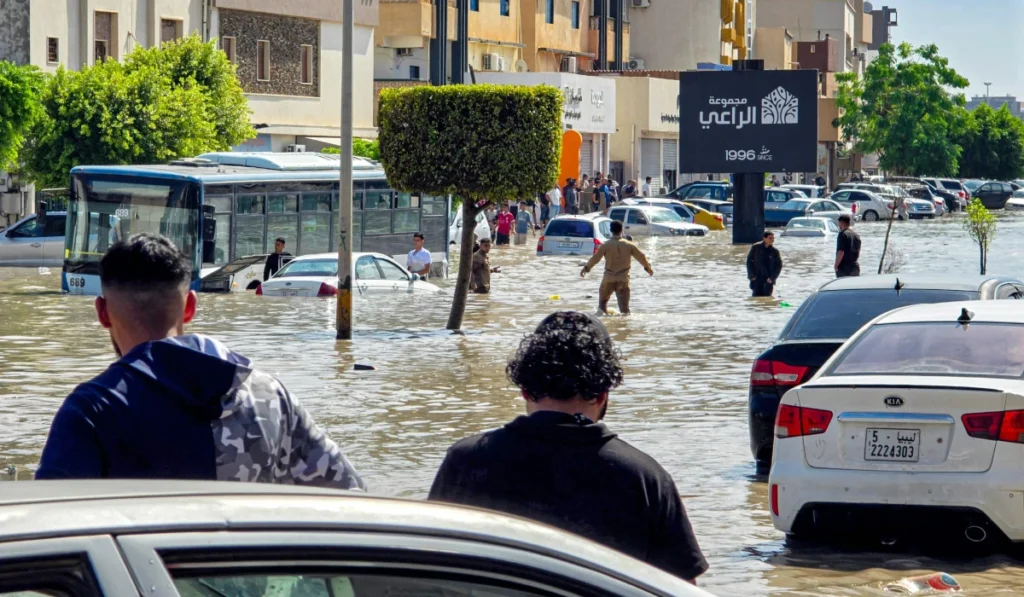
Heavy rainfall flooded parts of Tripoli, Libya, on 13 October, submerging vehicles, disrupting roads and prompting emergency drainage operations across parts of the capital.
The flooding exposed electrical hazards as well. Jumhouria Bank announced that one of its employees had died from electrocution while entering the bank’s headquarters, where floodwater had submerged utility boxes.
Authorities ordered drainage and clean-up operations. Security forces closed part of the city’s ring road, while the General Electricity Company cut power in some districts as a precaution after water entered electricity facilities.
Conflicting reports leave the death toll unresolved
The casualty total remains unclear in the material reviewed for this edition.
Reuters reported two deaths, including the bank employee and a second man whose body was recovered from a submerged vehicle. A separate report published by Gulf News on 14 October said at least three people had died.
The available information does not establish a definitive official total. The figures should therefore remain attributed to their respective reports rather than being combined into a single confirmed count.
The flooding followed a warning from Libya’s National Meteorological Centre about heavy rain across northern Libya on the evening of 12 October. Emergency crews were subsequently reported pumping water and clearing mud and debris from major roads.
There were also reports of water entering corridors at the central hospital. The full effect on hospital operations, however, has not been established in the material reviewed.
Urban resilience and emergency preparedness
The flooding has renewed questions about drainage and preparedness in the Libyan capital. Local authorities reportedly carry out routine drainage clearance before the rainy season, yet streets in Tripoli regularly flood during heavy downpours.
That background makes infrastructure resilience a legitimate concern, but it does not prove what caused this particular flood or establish that a specific maintenance failure was responsible.
A fuller assessment would require official rainfall measurements, a clear record of affected districts, information about power interruptions and a review of drainage performance.
The immediate priorities are to confirm casualties, secure electrical facilities, restore essential services safely and assess the damage. An authoritative casualty update and a clearer account of the city’s losses remain important outstanding developments.
STORY 4: Mauritius investigates police shooting as unrest prompts curfew
Mauritius imposed an overnight curfew after protests and unrest followed the shooting of 27-year-old Elodie Thomas, who was seriously wounded by a bullet reportedly fired by a police officer in Camp-Levieux on 9 October.
Prime Minister Navin Ramgoolam announced the curfew on 13 October. Reports said it was scheduled to run from 8:30 p.m. until 6 a.m. in affected areas, including Port Louis and other population centres.
The unrest included reports of road blockages and burning tyres, while some schools were closed. The shooting itself occurred before the reporting window for this edition; the curfew and developments in the investigation were the more recent developments.
Independent investigation seeks evidence
On 13 October, the Independent Police Complaints Commission (IPCC) took charge of the case, according to local reporting by Le Mauricien. The commission was reported to be seeking evidence including police station logbooks, records relating to the service weapon and surveillance footage.
Such evidence could help investigators establish the sequence of events and the actions of the officers involved.
A further report published on 14 October said Director of Public Prosecutions Rashid Ahmine would continue consultations with police and the IPCC. He said that if the investigation did not make sufficient progress, his office would consider seeking a judicial inquiry.
The report also said that a provisional charge of attempted murder against police sergeant Gautam Singh Taukoor had been considered. This is not a finding of guilt. The circumstances of the shooting, the legal status of those involved and any criminal responsibility must be established through the appropriate investigative and judicial processes.
Accountability and public order
The case raises questions about the use of police force, independent oversight and the state’s response to public unrest.
Investigators must establish what happened during the shooting and whether the officers involved acted lawfully. Authorities must also respond to public-order concerns while protecting legal rights and ensuring that restrictions on movement are justified, proportionate and time-limited.
Some local reporting connected wider tensions to water-supply problems and other public grievances. The available material does not establish that all protests had the same motivation or that water shortages alone caused the unrest.
The next important developments are the IPCC’s findings, any further decisions by the Director of Public Prosecutions and any formal court proceedings. These steps will help establish the facts and clarify the legal consequences, while the government’s handling of public order will need to be assessed against verified evidence.
STORY 5: Namibia foot-and-mouth disease outbreak puts farmers and meat trade under pressure
Namibia is tightening veterinary controls after foot-and-mouth disease was confirmed in a second region, increasing pressure on authorities to contain the highly contagious livestock disease.
The first outbreak was confirmed on 23 September at a commercial farm in the Karasburg veterinary district of the southern //Kharas Region. The disease was subsequently confirmed at Kalala Island in the Zambezi Region.
Veterinary officials investigated the suspected Zambezi outbreak on 5 October after observing clinical signs in 20 cattle. Twelve samples were collected the following day, and all tested positive at the Central Veterinary Laboratory in Windhoek on 7 October.
What Namibia’s outbreak figures show
A status summary dated 14 October from Namibia’s Foot-and-Mouth Disease Support Fund, attributed to the Directorate of Veterinary Services, recorded the following figures:
- //Kharas: 18 positive farms and 131 positive animals, with 63,011 animals inspected.
- Zambezi: One outbreak site and 12 positive samples, with 6,226 cattle examined.
These figures measure different things. The 12 positive samples reported in Zambezi must not be mistaken for a confirmed total of 12 infected animals.
The distinction matters because surveillance figures, positive samples, infected animals and affected farms are different measures. Accurate interpretation is essential when assessing the scale of an outbreak and the response required.
Vaccination and movement restrictions
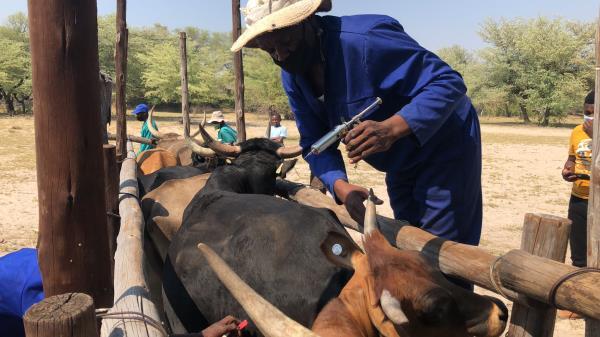
Authorities have introduced emergency vaccination, surveillance, veterinary checkpoints and movement restrictions.
In Zambezi, the reported controls prohibit the movement of cloven-hoofed animals and their raw products. Auctions, informal markets and local abattoirs have also been closed under the reported measures. The 14 October update additionally reported compulsory vaccination in the southern Karasburg district.
The measures are intended to limit further spread. Their overall effectiveness cannot yet be assessed from the available figures, and the evidence does not establish that the Zambezi outbreak spread directly from //Kharas.
What the EU restrictions mean for meat exports
The outbreak has trade implications. The European Union temporarily suspended entry of specified fresh meat and certain processed meat products from Namibia’s previously authorised foot-and-mouth-disease-free export zone, as detailed in the EU’s official statement and implementing regulation.
This is not a blanket ban on all Namibian meat imports. Certain products that receive prescribed risk-mitigating treatment may remain eligible, and transitional provisions may apply to qualifying consignments certified before the first outbreak.
The precise products affected and any applicable eligibility conditions should be checked against the relevant official trade and veterinary notices.
The consequences extend to local livelihoods. Reporting from Windhoek’s Single Quarter meat market described a vendor facing closures during a period that would normally be important for sales. However, the full scale of losses to farmers, traders and other businesses remains uncertain.
Namibia now faces a difficult balance: movement restrictions and trade controls can impose immediate costs, but containing animal disease is also essential to protecting herds and preserving market access. Clear veterinary notices, compliance with restrictions, effective vaccination and surveillance, and regular updates for farmers and traders will be central to the response.
The eventual economic cost will depend on how far the disease spreads, how effectively the controls work and when affected trade arrangements can be reviewed.
Conclusion: Institutional responses will determine what happens next
The five developments in this edition of Africa in Motion reflect different national circumstances, but each has consequences beyond the initial event.
In the Democratic Republic of the Congo, the Ebola outbreak tests the ability to protect patients while maintaining essential healthcare. Separately, the emergence of the FRN raises questions about political authority, conflict and the prospects for peace in the east.
In Libya, flooding highlights the importance of emergency preparedness, safe infrastructure and reliable casualty information. In Mauritius, the investigation into a police shooting will be central to establishing responsibility and sustaining public confidence. In Namibia, veterinary controls must limit disease while helping farmers and businesses navigate the economic consequences.
These developments do not constitute one common continental crisis. They show how institutions are tested in different ways and why verified information matters when the consequences involve lives, livelihoods and public trust.
The next indicators to watch are updated Ebola data, verified changes in conflict conditions, an authoritative casualty total for Tripoli, progress in the Mauritius investigation and the results of Namibia’s veterinary controls.
For readers following Africa news today, announcements are only part of the story. The outcomes that protect people, preserve essential services and establish accountability matter just as much.
Africa in Motion will continue examining the changes shaping Africa and its future.
Recommended Articles
1.Africa News Weekend Roundup: September 28 – October 4, 2026
Explore the major political, economic and security developments shaping Africa.
2.Nigeria News Roundup: Reforms, Security and Energy
Read more about the policies, security challenges and energy developments affecting Nigeria.
3.Global News Roundup: War, Energy, AI and the Economy
Understand the international developments influencing economic policy, technology and global affairs.
4.Nigerians Hate Tinubu? What the Data Really Shows
Examine public opinion, political narratives and the evidence behind claims about Nigerians’ views of President Bola Tinubu.
About the Author



