INTRODUCTION
Africa Daily News Review examines five major developments shaping the continent, highlighting growing concerns over water security, healthcare delivery, public-sector accountability, children’s welfare and democratic governance.
From South African cities tightening water restrictions amid drought concerns to a tragic healthcare emergency in Malawi, protests by hospital workers in Kenya, efforts to protect children’s services from budget pressures and The Gambia’s approaching presidential election, these stories reveal the political, economic and social challenges confronting African countries.
In Kenya, demonstrations by health workers at the country’s largest referral hospital have drawn attention to delayed salaries and disputed statutory deductions. At the same time, the government and UNICEF are preparing proposals to protect children’s services as rising public debt and declining development assistance place pressure on public spending.
Meanwhile, The Gambia is approaching a presidential election shaped by unemployment, rising living costs, unreliable public services and unresolved questions about justice and democratic reform.
These developments illustrate five important African stories that deserve attention beyond their immediate national boundaries.
STORY 1: South African Cities Tighten Water Restrictions as El Niño Threatens Drought
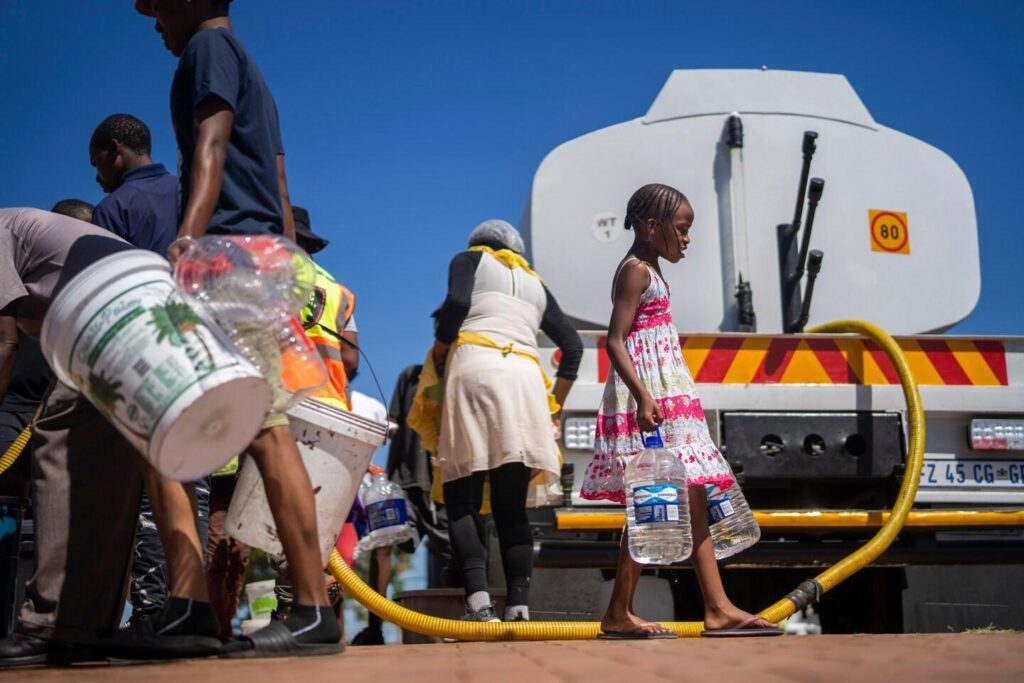
Major cities across South Africa are introducing tighter water-use restrictions as concerns grow over the possibility of worsening drought conditions associated with a strengthening El Niño phenomenon.
Authorities have introduced Level 2 water restrictions across Gauteng Province, including Johannesburg and the Tshwane Metropolitan Municipality, which encompasses Pretoria, South Africa’s administrative capital.
The measures are intended to reduce consumption, protect reservoirs and ease pressure on water supply systems already facing significant demand.
Johannesburg’s municipal government estimates that daily water consumption needs to be reduced by approximately 200 million litres to stabilise supplies. The city is therefore seeking to limit non-essential water use and discourage activities that place additional pressure on municipal resources.
Cape Town is also preparing to introduce Level 1 water restrictions from December 1, with a target of reducing consumption by 10 per cent.
Under the country’s water restriction framework, Level 1 measures primarily target non-essential outdoor water use. Level 2 restrictions are more stringent, prohibiting the use of municipal tap water for irrigating gardens and public green spaces. Higher charges may also apply to households exceeding their allocated consumption limits.
The restrictions come as South Africa’s weather authorities warn that the current El Niño event could rank among the strongest on record. Forecasts point towards below-average rainfall and above-average temperatures during the coming summer months.
Ferrial Adam, executive director of WaterCAN, a Johannesburg-based community action network focused on water quality and related issues, has highlighted the combined pressure of climate conditions and ageing infrastructure on the country’s water systems.
The concern extends beyond household water consumption. Prolonged dry conditions and extreme heat could affect agricultural production, potentially increasing food prices from March 2027 and creating additional food security challenges across southern Africa.
The developments are particularly significant because water shortages can affect several sectors simultaneously, including agriculture, manufacturing, tourism, energy production and public health.
South Africa’s experience also highlights the importance of long-term investment in water infrastructure, reservoir management, maintenance and responsible consumption.
For African countries, the warning is clear: climate-related risks become more damaging when infrastructure and public institutions are already under pressure.
The wider African question
South Africa’s water restrictions raise an important question for governments across the continent: are African cities adequately preparing for increasingly unpredictable weather conditions?
Nigeria, for example, faces its own water management challenges, including inadequate urban water infrastructure, pressure on public utilities and the vulnerability of rural communities to changing rainfall patterns.
The challenge is not simply to respond when reservoirs become depleted. Governments must invest in water storage, distribution networks, conservation, agricultural irrigation and climate-resilient infrastructure before emergencies become unavoidable.
The South African restrictions demonstrate why water security must be treated as a national development priority rather than an occasional environmental concern.
The full report on the restrictions and the climate threat is available in Africanews’ coverage of South African cities tightening water restrictions as El Niño threatens drought.
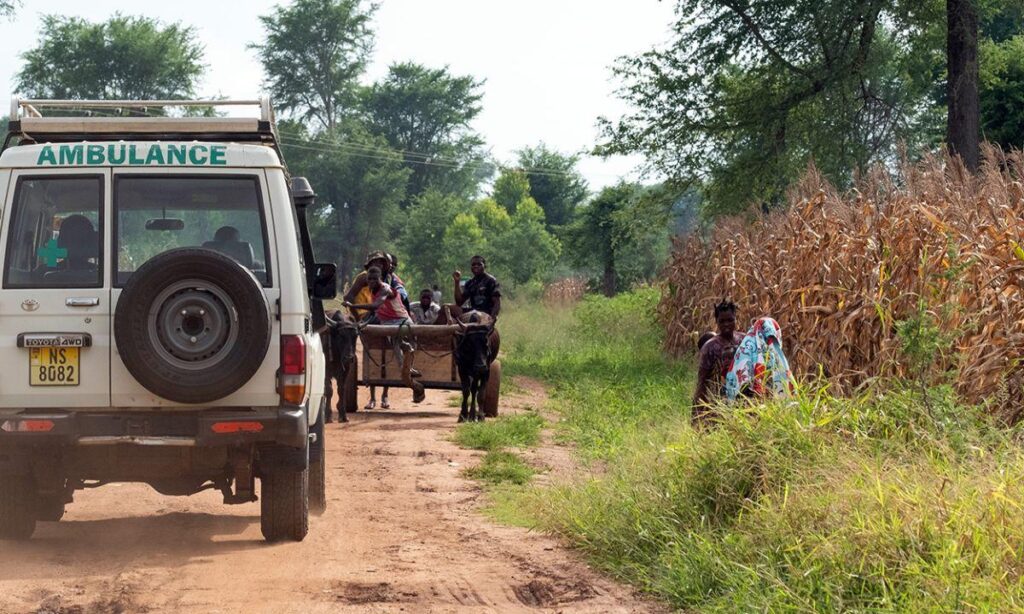
STORY 2: Malawi Mother and Baby Die as Fuel Shortage Leaves Hospital Ambulances Grounded
A tragic incident in Malawi has raised serious questions about emergency healthcare access after a woman and her baby reportedly died when hospital ambulances could not transfer her to another medical facility because of a fuel shortage.
The incident occurred at Mponela Rural Hospital in Dowa District, where the facility’s two working ambulances were reportedly unable to operate because they had no fuel.
According to Nyasa Times’ report on the deaths of a mother and baby after ambulances were left grounded by a fuel shortage, the woman had initially been referred from Dzoole Health Centre. After giving birth, the baby was stillborn, and the mother’s condition subsequently deteriorated.
Medical personnel recommended that she be transferred urgently to Dowa District Hospital for further treatment. However, the transfer could not take place because the available ambulances were without fuel.
Hospital staff reportedly attempted to stabilise her condition, but both the mother and baby died.
Mponela Rural Hospital In-Charge Owen Chipewa confirmed the incident and acknowledged the difficulties fuel shortages were creating for emergency medical services.
Health rights activist George Jobe described the situation as worrying and called on the government to prioritise fuel supplies for hospitals.
The incident highlights a fundamental problem in healthcare delivery: medical facilities cannot provide effective emergency care when essential transport and operational resources are unavailable.
Emergency referrals are often critical in situations involving complicated childbirth, severe bleeding, pregnancy-related emergencies and newborn complications. In such circumstances, delays in transferring patients can significantly reduce their chances of survival.
Ambulances are therefore not merely transportation vehicles. They are an essential part of the emergency healthcare system.
A hospital may have medical personnel, basic equipment and the capacity to stabilise patients, but when specialist treatment is available only at another facility, a functioning ambulance can become the difference between timely treatment and a potentially fatal delay.
A wider African healthcare challenge
The Malawi tragedy reflects a wider concern about the reliability of healthcare infrastructure across Africa.
Many rural communities depend on primary health centres that have limited diagnostic equipment, medical personnel and specialist services. Patients requiring advanced treatment are often referred to district or regional hospitals.
That system can only work effectively when referral arrangements are supported by reliable transport, fuel, communication systems and adequately funded emergency services.
For Nigeria, the incident raises important questions about ambulance availability, rural emergency response, maternal healthcare and the financial management of public hospitals.
A pregnant woman experiencing complications should not face avoidable delays because an ambulance cannot be fuelled. Governments must ensure that emergency facilities have reliable operating budgets and clear arrangements for maintaining essential services.
The Malawi case also demonstrates why healthcare performance should not be measured only by the number of hospitals constructed or the number of patients registered under health insurance programmes. The ability to respond when a patient needs urgent treatment is equally important.
The central issue is accountability. When a public hospital cannot move a critically ill patient because it lacks fuel, the question must extend beyond the immediate incident to the systems responsible for funding, supplying and supervising emergency services.
The deaths of the mother and baby should therefore prompt a serious examination of emergency referral arrangements and the availability of essential resources in Malawi’s rural healthcare system.
STORY 3: Kenya Hospital Workers Down Tools Over Delayed Salaries and Unremitted Deductions
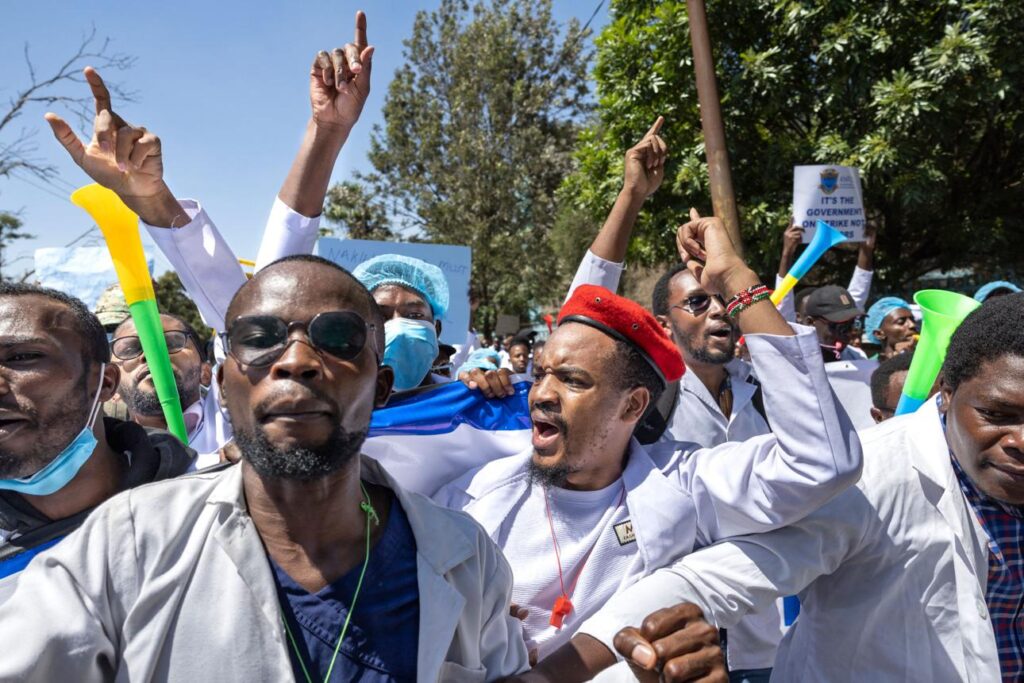
Healthcare delivery at Kenyatta National Hospital in Nairobi has come under pressure following protests by health workers over delayed salaries, partial payments and unresolved welfare concerns.
The workers staged demonstrations outside the hospital, accusing management of failing to remit money deducted from their salaries for pension contributions, insurance premiums and loan repayments.
The dispute has reportedly resulted in industrial action, with employees downing their tools to demand urgent intervention by the hospital administration.
According to Capital FM’s report on the Kenyatta National Hospital workers’ protest over delayed salaries, the workers allege that deductions made from their payslips have not been forwarded to the relevant statutory bodies, financial institutions and third-party lenders.
The Kenya Medical Practitioners, Pharmacists and Dentists Union has issued a 72-hour ultimatum to the hospital management to address the grievances.
KMPDU Nairobi Branch Secretary Maureen Wanjiru accused the institution of withholding doctors’ salaries and failing to remit statutory deductions for between five and six months.
She said the situation had left affected medical professionals struggling to meet their financial obligations.
The union also warned that doctors could join their colleagues in solidarity from December 1 if the dispute remained unresolved.
The development places the hospital’s management under pressure to respond to the allegations and restore confidence among its workforce.
Kenyatta National Hospital is one of Kenya’s most important referral healthcare institutions. Disruptions to its operations could therefore have consequences for patients who depend on it for specialist treatment and other essential medical services.
The connection between workers’ welfare and healthcare delivery
The dispute highlights an important relationship between the welfare of healthcare professionals and the quality of public healthcare services.
Doctors, nurses, pharmacists and other medical personnel are expected to provide essential services under demanding conditions. However, delayed salaries and unresolved financial obligations can undermine morale, create workplace tensions and affect the stability of healthcare institutions.
The issue of statutory deductions is particularly serious. Employees generally expect money deducted from their earnings for pensions, insurance and loan repayments to be transferred to the appropriate institutions.
Where such transfers are delayed or disputed, workers can face financial difficulties beyond the immediate problem of receiving their salaries.
The allegations at Kenyatta National Hospital therefore require a clear response from management, including an explanation of the disputed deductions, outstanding payments and steps being taken to resolve the matter.
For African governments, the situation illustrates why healthcare investment must extend beyond hospital buildings, medical equipment and medicine procurement.
A functioning health system also requires reliable staff remuneration, transparent financial administration, adequate working conditions and effective mechanisms for resolving labour disputes.
Nigeria faces similar questions about the welfare of medical professionals, industrial disputes in public hospitals and the need to maintain uninterrupted healthcare services.
The Kenyan development offers a reminder that public hospitals depend not only on medical infrastructure but also on the people who operate them.
What happens next?
The immediate focus will be on whether Kenyatta National Hospital management addresses the union’s demands within the 72-hour period.
The possibility of wider industrial action from December 1 could create additional pressure on the institution and the Kenyan healthcare system.
Patients and their families will also be watching closely, as prolonged disruption could affect access to essential services.
STORY 4: Kenya and UNICEF Push to Protect Children’s Services as Public Debt and Aid Cuts Pressure Government Spending
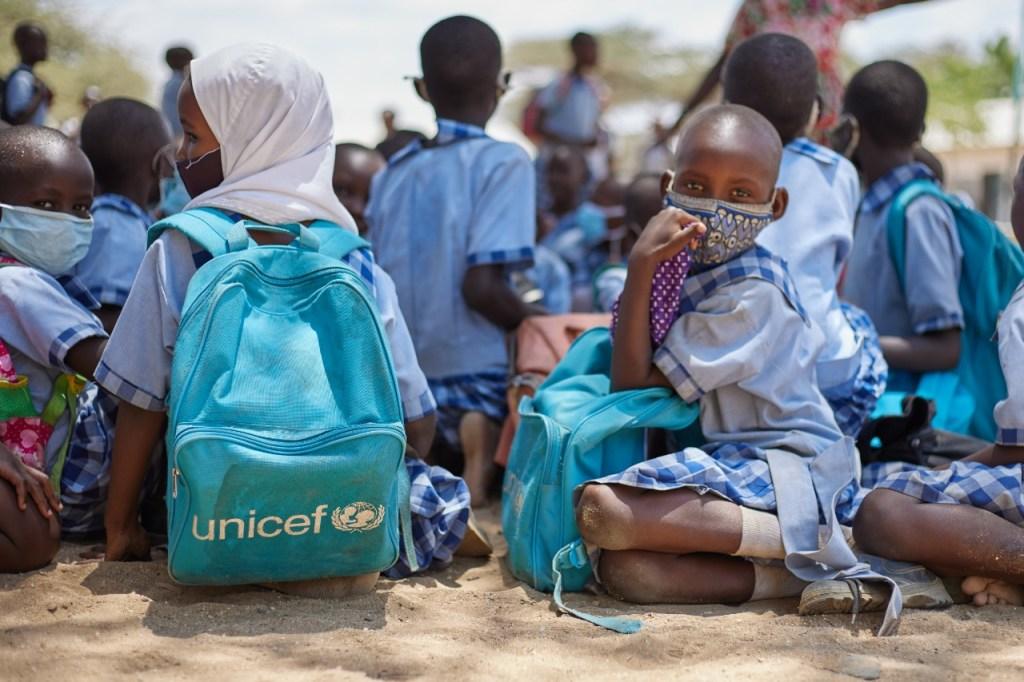
Kenya’s National Treasury and the State Department for Children Services are preparing to introduce proposals aimed at protecting public funding for children’s services amid rising government debt and declining development assistance.
The initiative is being developed with technical support from UNICEF Kenya and is expected to inform the country’s 2027 Budget Policy Statement and the 2027/28 national budget.
The proposed measures are contained in a report titled The Invisible Toll: Rising Debt, Shrinking Aid and Kenya’s Children.
The report examines how growing fiscal pressure and reductions in development assistance could affect essential services for children.
Among the proposed interventions are more predictable releases of government funds, reliable social assistance programmes and protected financing for services considered critical to children’s welfare.
The issue is particularly important because children account for more than two in every five people in Kenya.
The research also estimates that approximately half of the country’s children experience overlapping monetary and multidimensional poverty.
The assessment draws on national data and interviews conducted in eight counties: Busia, Embu, Garissa, Homa Bay, Kilifi, Mandera, Nairobi and Turkana.
The findings are expected to contribute to discussions about how Kenya can maintain essential social services while managing competing demands on government resources.
The proposed approach recognises that public debt management should not be considered only in terms of borrowing costs, repayment obligations and fiscal deficits. It must also consider the effect of government financial decisions on vulnerable populations.
Why protecting children’s funding matters
Children depend heavily on public investment in education, healthcare, nutrition, sanitation, social protection and other essential services.
When governments face financial pressure, these programmes can become vulnerable to delayed funding, reduced allocations or interruptions in implementation.
Such disruptions can have long-term consequences.
Reduced access to education can affect learning outcomes and future employment opportunities. Inadequate healthcare can increase preventable illnesses, while weak social protection can deepen poverty among vulnerable households.
The challenge becomes more complicated when development assistance declines at the same time that public debt obligations increase.
Governments may then face difficult choices about which programmes to prioritise and how to distribute limited resources.
Kenya’s proposed framework seeks to ensure that children are not disproportionately affected by these pressures.
For Nigeria and other African countries, the debate has wider significance. Many governments are managing high public expenditure demands while attempting to maintain essential social programmes.
Nigeria’s economic reforms, debt-management decisions and budget priorities also raise questions about how government spending can protect education, healthcare, nutrition and social protection for children.
The Kenyan initiative provides an opportunity to examine whether African governments can develop stronger budget safeguards for vulnerable populations.
From policy commitments to actual delivery
The success of the proposed measures will depend on implementation.
Protecting children’s services requires more than identifying important programmes in a policy document. Governments must ensure that approved allocations are released on time, institutions receive adequate resources and spending produces measurable improvements.
Transparency is also essential. Citizens should be able to determine how much is budgeted for children’s services, how much is released and what results are achieved.
The proposed report therefore raises a significant public policy question: can governments manage their debt and economic pressures without sacrificing the welfare and future opportunities of their children?
Further details of the initiative and the proposed budget protections are available in Capital FM’s coverage of the Treasury and UNICEF plan to protect children’s funding amid debt pressure.
STORY 5: The Gambia Heads Towards Presidential Election Amid Unemployment, Economic Hardship and Unfinished Justice Reforms
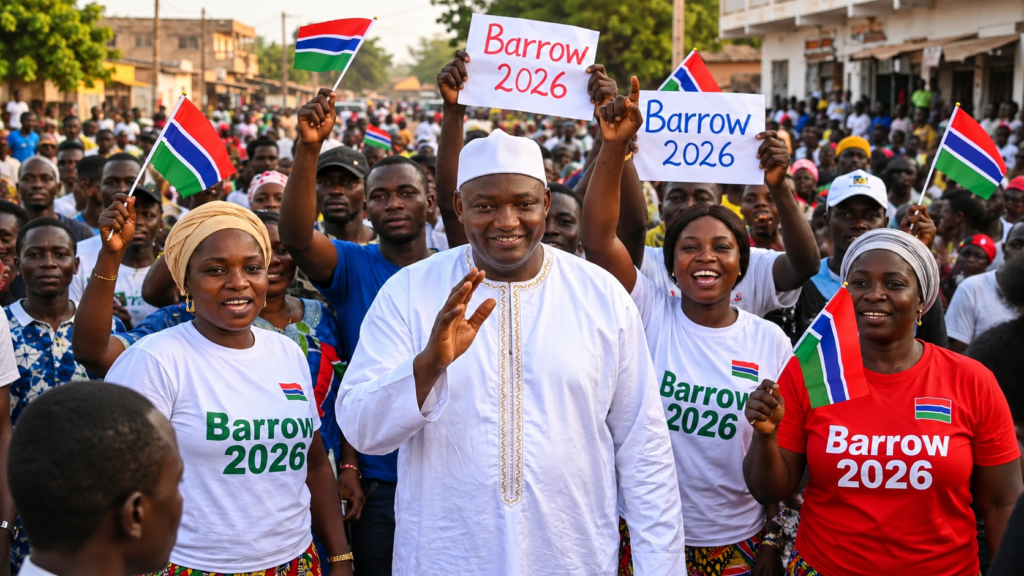
As The Gambia prepares for its December 5 presidential election, voters are confronting a range of economic, social and political concerns that will test the country’s democratic transition.
Nearly a decade after former president Yahya Jammeh left office, unemployment, rising living costs, unreliable public services and delayed justice remain major issues shaping public debate.
The forthcoming election is therefore about more than choosing the country’s next leader. It is also an assessment of whether the political transition that began in 2017 has delivered the improvements many Gambians expected.
President Adama Barrow is seeking a third term in office and is among eight candidates contesting the election, according to the Independent Electoral Commission.
His main challenger, Ousainou Darboe of the United Democratic Party, has pledged to reintroduce the 2020 draft constitution within his first 100 days in office if elected.
Other candidates include Talib Ahmed Bensouda, former mayor of Kanifing Municipality, and independent candidate Almameh Gibba. Former Vice President Isatou Touray is also seeking to become the country’s first female president.
Unemployment and the cost of living dominate public concerns
For many Gambians, economic conditions are central to the election.
The 2025 Gambia Labour Force Survey puts overall unemployment at 8.3 per cent, compared with 7.6 per cent in 2022–23. Among people aged 15 to 35, unemployment stands at 11.5 per cent.
The survey also found that 41.3 per cent of young people in that age group were neither employed nor participating in education or training.
These figures highlight the pressure facing young people entering the labour market.
For graduates, the difficulty of securing employment can create frustration, particularly when employers demand previous work experience that job seekers have had little opportunity to acquire.
The consequences can extend beyond unemployment itself.
Limited economic opportunities can increase pressure on families, encourage irregular migration and weaken confidence in the ability of public institutions to deliver meaningful change.
The experience of young Gambians considering dangerous journeys to Europe illustrates the human cost of limited opportunities at home.
The election is therefore taking place against a backdrop of demands for employment creation, reliable electricity, affordable healthcare and improved public services.
The unfinished question of justice
Another major issue is the pace of accountability for abuses committed during Jammeh’s rule.
The departure of the former president in 2017 raised expectations that victims would receive justice and that institutions responsible for abuses would be held accountable.
However, many survivors and families continue to demand fuller implementation of the recommendations made by the Truth, Reconciliation and Reparations Commission.
According to the Gambia Centre for Victims of Human Rights Violations, fewer than 25 per cent of the commission’s 263 recommendations had been fully implemented, its national coordinator Kebba Jome told Al Jazeera.
The issue remains deeply personal for victims and their families.
Among those still seeking justice are the children of opposition activist Ebrima Solo Sandeng, who died in state custody in April 2016 after being tortured, according to the Truth, Reconciliation and Reparations Commission.
The expected establishment of a special tribunal to prosecute alleged crimes committed during Jammeh’s rule is another important part of the accountability debate.
The next administration will face pressure to move the process forward and demonstrate that political change can produce meaningful institutional reform.
Constitutional reform and the democratic transition
The debate also includes the future of constitutional reform.
The 2020 draft constitution proposed, among other changes, a two-term limit for presidents. However, it failed to secure the required two-thirds majority in the National Assembly in September 2020.
Disagreements included whether Barrow’s first term should count towards the proposed presidential limit.
The failure to adopt the constitution left an important part of the post-Jammeh reform agenda unresolved.
Darboe has promised to reintroduce the draft constitution if elected, while Barrow has said he would revisit constitutional reform if returned to office.
Other candidates have also presented proposals addressing institutional reform, public debt, security, healthcare, education and the delivery of essential services.
Ultimately, voters will have to assess the credibility of these commitments and whether the candidates can translate their promises into practical improvements.
Why the election matters beyond The Gambia
The Gambia’s election carries significance for the wider African democratic experience.
Across the continent, political transitions have often generated expectations of improved governance, institutional accountability and economic opportunity.
However, changing political leadership does not automatically guarantee that these expectations will be met.
The Gambian experience demonstrates the importance of constitutional reform, credible elections, independent institutions and sustained accountability for abuses.
For Nigeria and other African countries, the issues also offer a reminder that democratic performance should be judged not only by electoral competition but by the quality of public services, respect for citizens’ rights and the ability of governments to improve living conditions.
The December 5 vote will therefore be an important moment in The Gambia’s political journey.
The central question is whether the next administration can move the country beyond the promises of political transition towards tangible improvements in employment, public services, constitutional governance and justice.
Al Jazeera provides further context in its report, The Gambia Election: Can the Next President Deliver on a Decade of Promise?.
CONCLUSION: Africa’s Development Challenge Goes Beyond Political Promises
The five developments examined in this edition reveal a common challenge facing African governments: the ability to turn public commitments into functioning institutions and measurable improvements in people’s lives.
South Africa’s water restrictions demonstrate the importance of climate preparedness and infrastructure investment. Malawi’s maternal healthcare tragedy exposes the consequences of failures in essential emergency services. Kenya’s hospital dispute highlights the relationship between workers’ welfare and reliable healthcare delivery.
The proposed protection of children’s public funding in Kenya raises questions about how governments can manage debt without sacrificing the needs of vulnerable populations. Meanwhile, The Gambia’s approaching election demonstrates that democratic transitions must deliver more than changes in political leadership.
These stories are different in their immediate circumstances, but they point towards a shared continental concern: governance must be measured by its results.
For Africa, sustainable development will require stronger institutions, responsible public spending, accountable leadership, investment in human capital and policies that respond to the needs of ordinary citizens.
The real test of leadership is not simply what governments promise, but what citizens experience.
DSG HERALD NEWS — Clear reporting. Deeper understanding. A closer examination of the forces shaping Africa.
About the Author