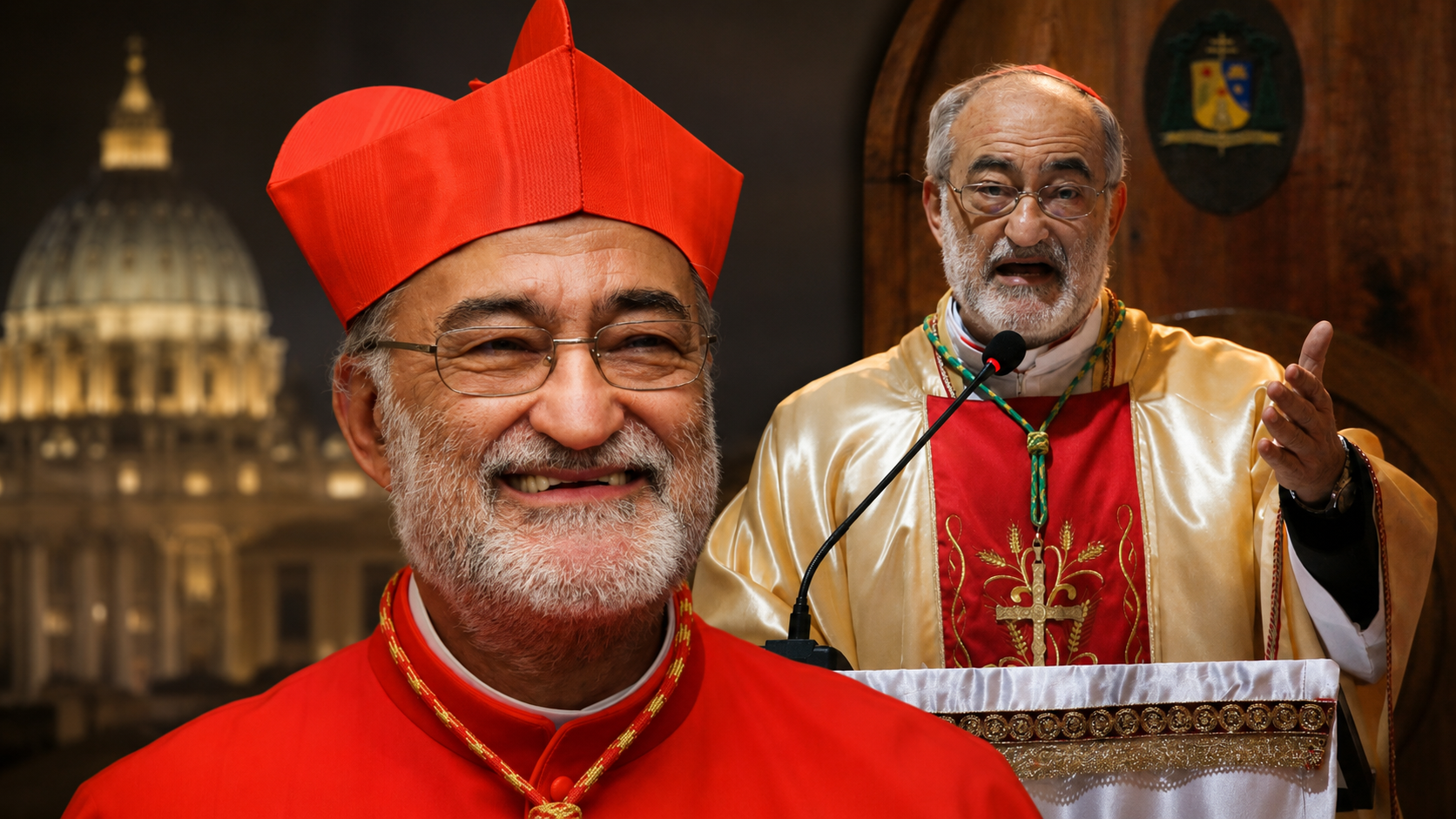
Vatican Canonical Investigation: Cardinal López Romero Steps Aside Amid Misconduct Probe
The Vatican canonical investigation into Cardinal Cristóbal López Romero has placed the Catholic Church’s internal accountability system under renewed international scrutiny after the senior cleric voluntarily stepped away from public ministry amid allegations of sexual misconduct.
The investigation follows allegations made by at least five women, prompting the Spanish-born Archbishop of Rabat, Morocco, to suspend his public pastoral duties while the Holy See carries out a preliminary canonical inquiry. Cardinal López Romero has strongly denied the allegations, insisting that he committed “neither assault nor violence nor sexual harassment” and has pledged to cooperate fully with Church authorities.
Beyond the immediate allegations, the case has become a significant test of how the Catholic Church applies its internal legal procedures to one of its most senior leaders. The Catholic Church probe is attracting worldwide attention because it highlights the Vatican’s commitment to investigating claims involving bishops and cardinals under modern canon law while respecting the presumption of innocence.
Readers interested in broader developments involving the Vatican and global Christianity can also explore What Pope Leo XIV’s Africa Tour Reveals – Global Religion News.
Why the Vatican Canonical Investigation Began
The Vatican canonical investigation was initiated after multiple allegations of sexual misconduct were brought against Cardinal Cristóbal López Romero. According to reports, at least five women accused the cardinal of inappropriate behaviour, including unwanted physical contact. One complainant reportedly submitted a written complaint to the Vatican embassy in Morocco detailing allegations of prolonged embraces and an attempted forced kiss.
Although the allegations have generated widespread international coverage, the Vatican has not announced any conclusions regarding the claims. Instead, Church authorities have opened what canon law describes as a preliminary investigation to determine whether the allegations have sufficient credibility to justify further action.
As part of that process, Cardinal López Romero announced that he would temporarily step away from public liturgical celebrations and pastoral responsibilities. Such measures are intended to protect the integrity of the investigation rather than serve as disciplinary sanctions.
According to Vatican News, the cardinal has denied all allegations and says he welcomes the investigation as an opportunity to establish the facts.
What the Allegations Against Cardinal López Romero Claim
The allegations involve claims made by several adult women concerning inappropriate physical conduct. While details differ between the individual accounts reported publicly, the accusations centre on alleged behaviour that would constitute misconduct if substantiated.
Cardinal López Romero has categorically rejected every allegation.
In public statements, he said he has committed neither assault, violence nor sexual harassment, maintaining that the accusations do not reflect his conduct during decades of pastoral ministry.
Because no findings have yet been reached, the Morocco archbishop case remains under investigation. Church officials have repeatedly stressed that the canonical process exists to examine evidence carefully before any judgment is made.
The Archdiocese has also emphasized that the presumption of innocence remains a fundamental principle while the inquiry continues.
How the Catholic Church Probe Will Proceed
Unlike criminal proceedings conducted by civil courts, the Catholic Church probe follows procedures established under canon law.
When allegations involve bishops or cardinals, the Vatican first conducts a preliminary fact-finding inquiry. Investigators collect testimonies, written complaints, documentary evidence and any other relevant material to determine whether the allegations possess what canon law describes as a “semblance of truth.”
If sufficient evidence exists, the case may be referred to the appropriate Vatican dicastery for a more comprehensive review. Depending on the outcome, possible decisions can range from complete exoneration to disciplinary measures permitted under Church law.
This procedure is governed largely by Vos estis lux mundi, the Vatican legislation introduced to strengthen accountability among senior clergy and improve the handling of abuse allegations throughout the global Catholic Church.
As reported by EWTN News, these reforms were designed to ensure that allegations involving bishops and cardinals receive consistent investigation regardless of their position within the Church.
The outcome of the current Vatican canonical investigation will therefore be closely watched by Catholics, legal experts and religious observers around the world as another important test of the Church’s safeguarding framework.
How Cardinal López Romero Responded
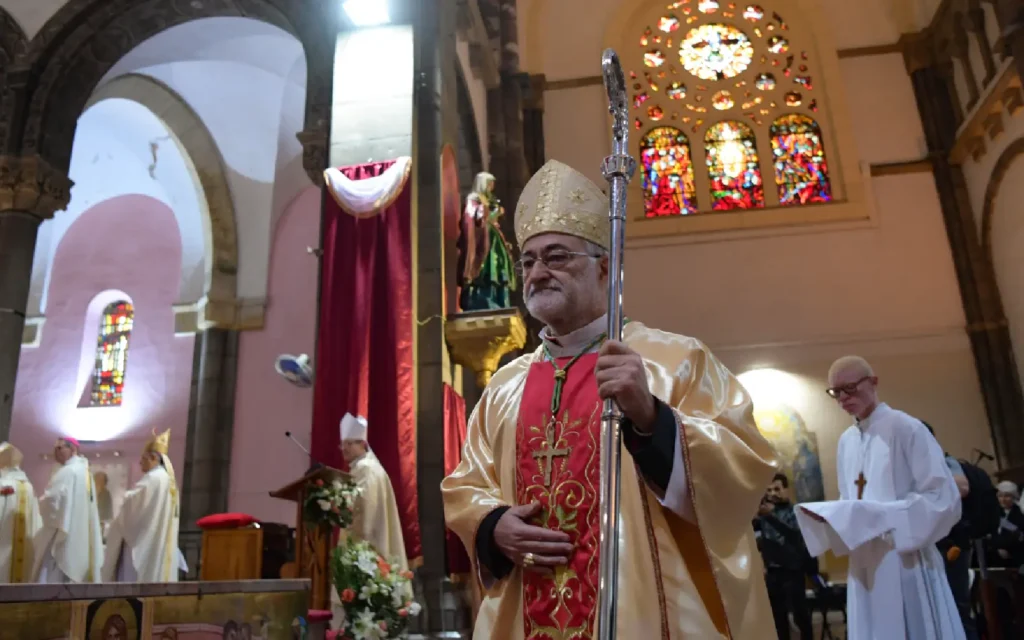
Cardinal Cristóbal López Romero has firmly rejected all allegations made against him, maintaining that he has committed “neither assault nor violence nor sexual harassment.” In statements published by Vatican News, the cardinal said he welcomed the Catholic Church probe and would cooperate fully with investigators throughout the Vatican canonical investigation.
His decision to step away from public ministry should not be interpreted as an admission of guilt. Rather, Church officials describe it as a precautionary measure designed to safeguard the integrity of the investigation while ensuring that witnesses, investigators and the wider Catholic community can have confidence in the process.
By voluntarily suspending his public duties, Cardinal López Romero has reduced any perception that his position could influence the inquiry. Throughout the investigation, Vatican officials have reiterated that every accused person is entitled to the presumption of innocence until the canonical process reaches its conclusion.
A Career That Made Cardinal López Romero a Global Church Leader
The international attention surrounding the Morocco archbishop case reflects Cardinal López Romero’s prominence within the global Catholic Church.
Born in Almería, Spain, in 1952, he joined the Salesians of Don Bosco and dedicated decades of missionary service to communities across Paraguay and Bolivia before rising through the Church hierarchy.
His background also sets him apart from many senior clerics. López Romero earned a degree in Information Sciences (Journalism) from the Autonomous University of Barcelona in 1982, a qualification that helped shape his communication style and his reputation as one of the Church’s most accessible public figures.
Pope Francis appointed him Archbishop of Rabat in December 2017 before elevating him to the College of Cardinals in October 2019. Despite leading a Catholic community of roughly 30,000 faithful in Morocco, his influence extended far beyond North Africa.
He became internationally recognised for promoting Christian-Muslim dialogue and played a leading role in organising Pope Francis’ landmark 2019 apostolic visit to Morocco. Those efforts earned him respect among religious leaders, diplomats and Vatican observers, many of whom regarded him as one of the Church’s most influential contemporary voices.
His prominence also led several Vatican analysts to describe him as papabile—a respected figure considered capable of one day becoming pope. That status has intensified international interest in the ongoing Vatican canonical investigation.
For readers interested in broader developments involving the Vatican and Africa, read our analysis: https://dsgheraldnews.com/what-pope-leo-xivs-africa-tour-reveals/
Why the Morocco Archbishop Case Matters Beyond One Individual
Although the allegations concern one senior church leader, the implications extend far beyond the Archdiocese of Rabat.
The Morocco archbishop case has once again placed global attention on how the Catholic Church investigates allegations involving bishops and cardinals. Following decades of abuse scandals, the Vatican introduced stronger accountability measures aimed at ensuring complaints are handled consistently, transparently and fairly regardless of rank.
The current Catholic Church probe therefore represents more than an investigation into one individual. It is also a test of the Vatican’s safeguarding reforms and its commitment to applying canon law equally to every member of the clergy.
Church authorities continue to stress that allegations must be investigated thoroughly while protecting the legal rights of the accused. Maintaining that balance remains one of the greatest institutional challenges facing the Vatican today.
According toEWTN News, the investigation is being conducted under the safeguarding framework established by Vos estis lux mundi, legislation introduced to strengthen accountability among bishops and other senior clergy.
African Perspective and Regional Significance
The Vatican canonical investigation also carries particular significance across Africa, where the Catholic Church continues to experience sustained growth and expanding social influence.
Although Catholics represent only a small minority in Morocco, the Church plays an important role in education, humanitarian assistance, migration support and interfaith dialogue. The outcome of this investigation is therefore likely to attract close attention from bishops’ conferences and Catholic communities across the continent.
Many African church leaders have increasingly emphasised safeguarding, transparency and institutional accountability. The current Catholic Church probe reinforces the importance of maintaining public trust while respecting due process for everyone involved.
Beyond the Church itself, the investigation highlights broader questions about leadership accountability within major international institutions—an issue increasingly shaping public debate worldwide.
What Happens Next in the Vatican Canonical Investigation
The preliminary inquiry now moves into its evidence-gathering phase, during which investigators will examine testimonies, documentary evidence and any other relevant information submitted during the process.
If investigators conclude that the allegations have sufficient basis under canon law, the case could be referred to the appropriate Vatican dicastery for further review. Any final decision would depend on the evidence presented and the conclusions reached through the Church’s judicial procedures.
Until that process is completed, Cardinal López Romero remains presumed innocent under both canon law and general legal principles.
Regardless of the eventual outcome, the Vatican canonical investigation is likely to become an important reference point in future discussions about safeguarding, transparency and accountability within the Catholic Church.
Recommended Coverage
Continue reading related DSG Herald News reports:
What Pope Leo XIV’s Africa Tour Reveals
An analysis of the Vatican’s engagement with African nations and its growing influence across the continent.
The Historical Significance of Jerusalem: Roots of the Middle East Conflict
Explore the religious and historical importance of one of the world’s most contested cities.
Somaliland Recognition Reshapes Horn of Africa Politics
Understand how diplomatic developments are changing regional geopolitics.
For official updates on the investigation, you can also consult Vatican News and the Holy See Press Office, while EWTN News provides additional background on the Vatican’s canonical procedures and Vos estis lux mundi reforms.
About the Author