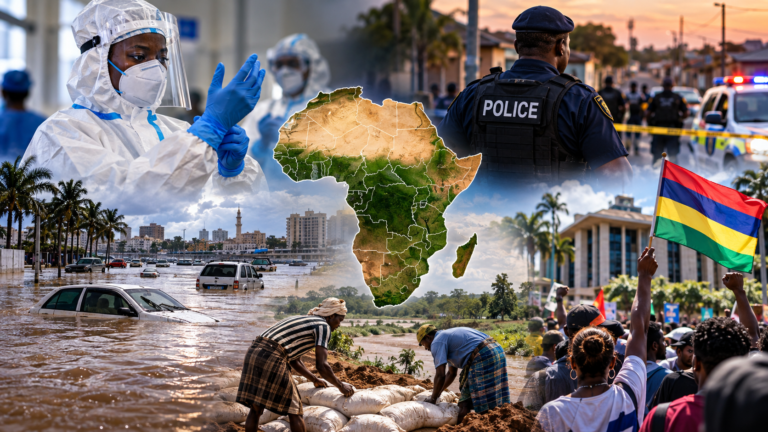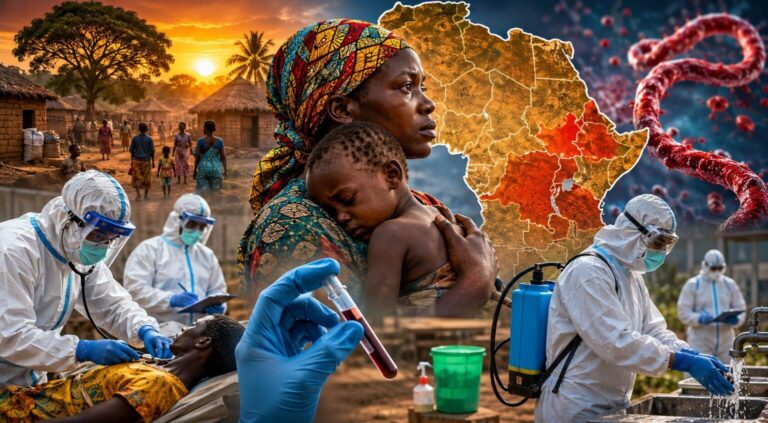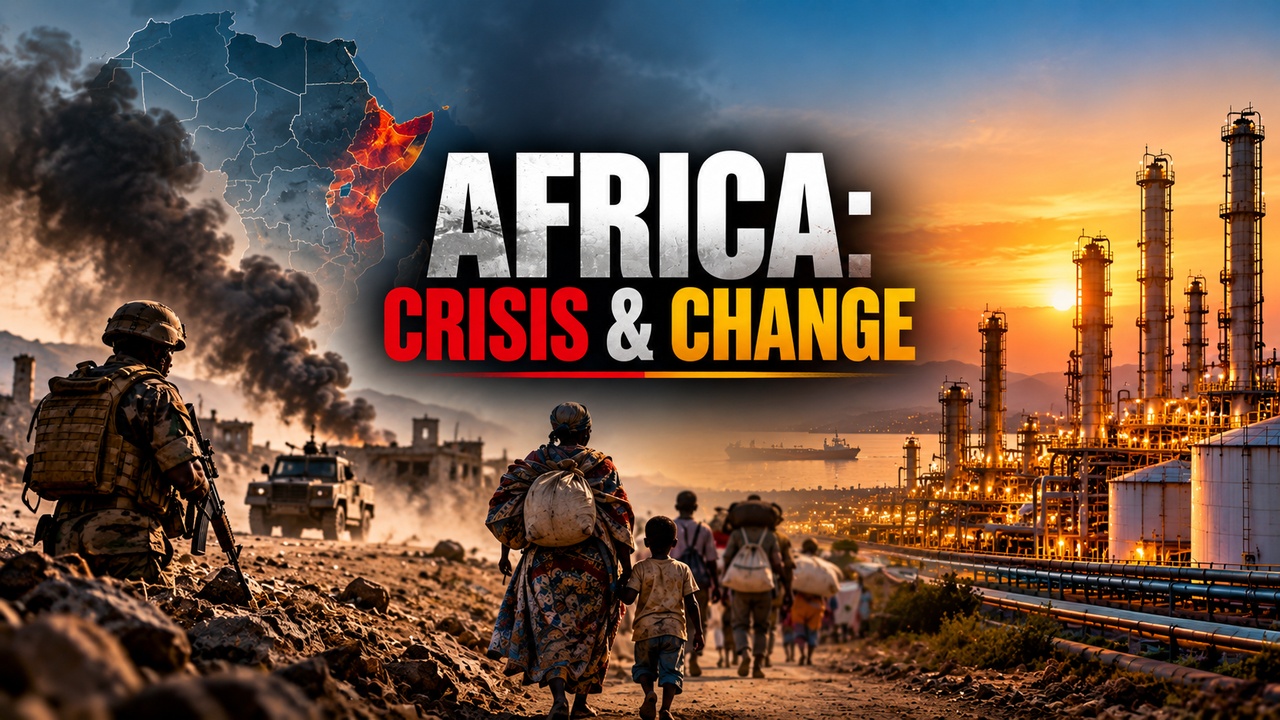
The week’s Africa news from September 28 to October 4, 2026, was marked by a striking combination of security crises, humanitarian pressure, political uncertainty and efforts to expand the continent’s economic and industrial capacity.
In the Horn of Africa, renewed fighting in Ethiopia’s Tigray region developed into a broader diplomatic crisis involving Eritrea and heightened tensions with Egypt. In Sudan, military developments in Kordofan were accompanied by a sharp increase in refugee arrivals into neighbouring Chad, demonstrating once again how the consequences of war extend beyond national borders.
At the same time, the Democratic Republic of Congo’s Ebola emergency highlighted another dimension of insecurity: the difficulty of protecting communities when health responses face questions of access, safety and public trust. Across the political landscape, Morocco moved toward a new government following parliamentary elections, while developments in Guinea-Bissau raised questions about military influence over an upcoming presidential election.
Yet the week’s Africa news was not defined only by crisis. Major energy and industrial developments pointed to a parallel effort to build productive capacity. Kenya moved forward with a planned $16 billion refinery in Lamu, Nigeria reported domestic gas supply above 2 billion cubic feet per day, and Zambia cut its benchmark interest rate as it entered discussions with the International Monetary Fund.
Together, these five narratives show a continent being tested simultaneously on security, humanitarian protection, institutional credibility and economic capacity.
1. Africa Security: Tigray Conflict Takes on a Wider Regional Dimension
Renewed fighting in Ethiopia’s Tigray region emerged as one of the most significant Africa security developments of the week, with military advances inside Ethiopia followed by a sharp deterioration in relations between Ethiopia and Eritrea.
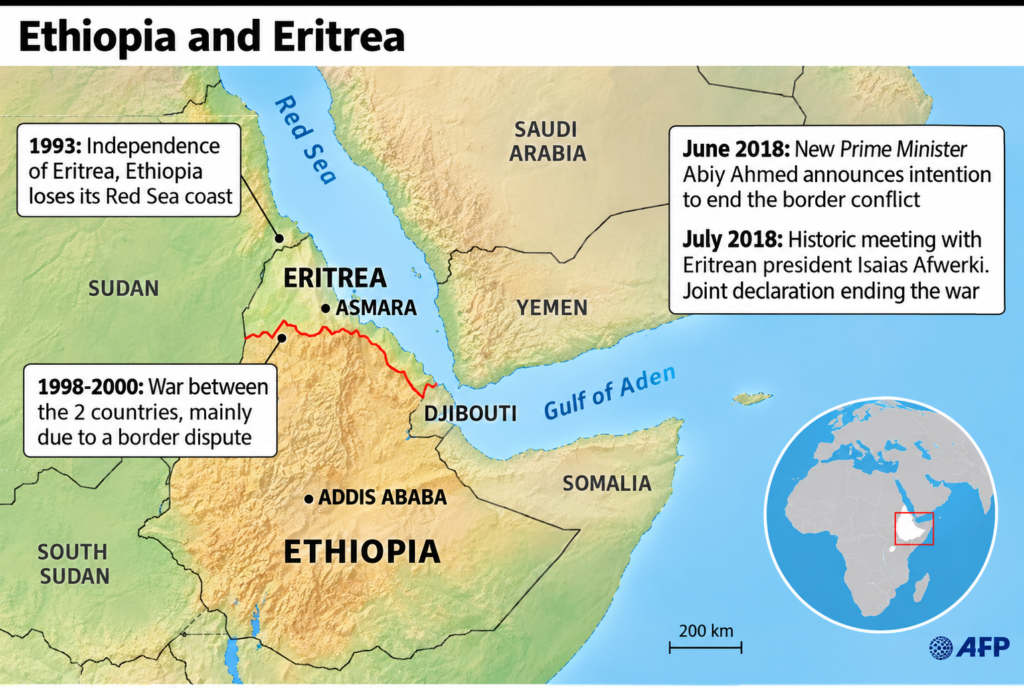
Ethiopian federal forces captured Alamata on September 28 and continued their advance northward. On October 3, Ethiopian forces retook Alula Aba Nega Airport in Mekelle, according to the supplied newsroom material.
But the battlefield developments represented only one part of the crisis.
More than 720 wounded people had reportedly reached hospitals in Tigray since September 22. At least 150,000 people were estimated to have been displaced in the wider fighting around Afar and Tigray.
The renewed violence represents a breakdown of the relative stability that followed the 2022 Pretoria peace agreement, which ended the previous Tigray war. The return of major fighting there fore carries significance beyond the immediate military positions being contested.
During the week, the crisis also moved into the diplomatic sphere.
Ethiopia expelled 10 Eritrean diplomats and closed its embassy in Eritrea, giving the diplomats 48 hours to leave. Eritrea subsequently severed diplomatic relations with Ethiopia.
Ethiopia also accused Eritrea, Sudan and Egypt of supporting rebel forces. Those accusations remain claims attributed to the Ethiopian government and were not independently established in the supplied material.
The dispute with Egypt added another layer to the regional picture. The African Union called on Ethiopia, Eritrea and Egypt to exercise restraint and resolve their differences through diplomacy. African Union statement on Ethiopia, Eritrea and Egypt
This is what changed in the week’s Africa news: a conflict that began as renewed fighting in Tigray acquired wider diplomatic implications.
The regional dimension matters because developments in the Horn of Africa rarely remain confined to a single political relationship. The current situation has placed Ethiopia-Eritrea relations under direct strain while also drawing Egypt into a diplomatic dispute and prompting an African Union response.
The humanitarian consequences are already significant. Wounded people are requiring medical treatment, while large numbers of civilians are displaced from affected areas.
The immediate questions are whether the fighting will remain concentrated in Tigray, whether humanitarian access can be maintained and whether diplomatic intervention can prevent the confrontation from escalating further.
The African Union’s diplomatic position, subsequent developments involving Eritrea and the situation around Mekelle will therefore remain important indicators of the direction of the crisis.
The Horn of Africa story also provides a natural bridge to Sudan, where conflict is producing an even broader humanitarian impact across national borders.
2. African Humanitarian Crisis: Sudan’s War Pushes More People Into Chad
Sudan’s war continued to reshape both the military landscape inside the country and the scale of the African humanitarian crisis unfolding around it.
During the week, the Sudanese Armed Forces said they had captured al-Mazroub in North Kordofan, describing the town as an important Rapid Support Forces stronghold and a link between North and West Kordofan.
The supplied material does not independently establish complete army control of al-Mazroub beyond that claim. That distinction is important because the military situation in Sudan remains contested and developments on the battlefield can change rapidly.
But the humanitarian figures provide another way of understanding the significance of the conflict.
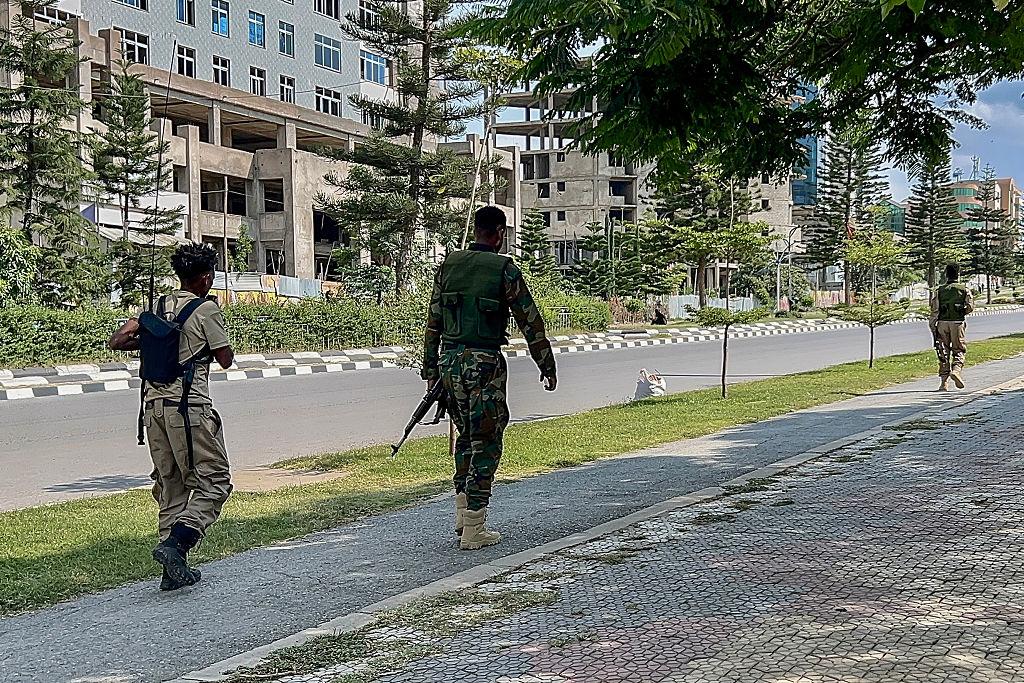
Refugee arrivals into Chad reportedly rose to more than 400 people a day through Adré and Tiné. That represented a twentyfold increase over the preceding week.
More than 55,000 refugee arrivals had been recorded into Chad during 2026 at the time of reporting. Since Sudan’s war began in April 2023, nearly one million people had crossed into Chad. The UN Refugee Agency’s Sudan emergency information provides additional humanitarian and displacement information. UNHCR Sudan emergency information
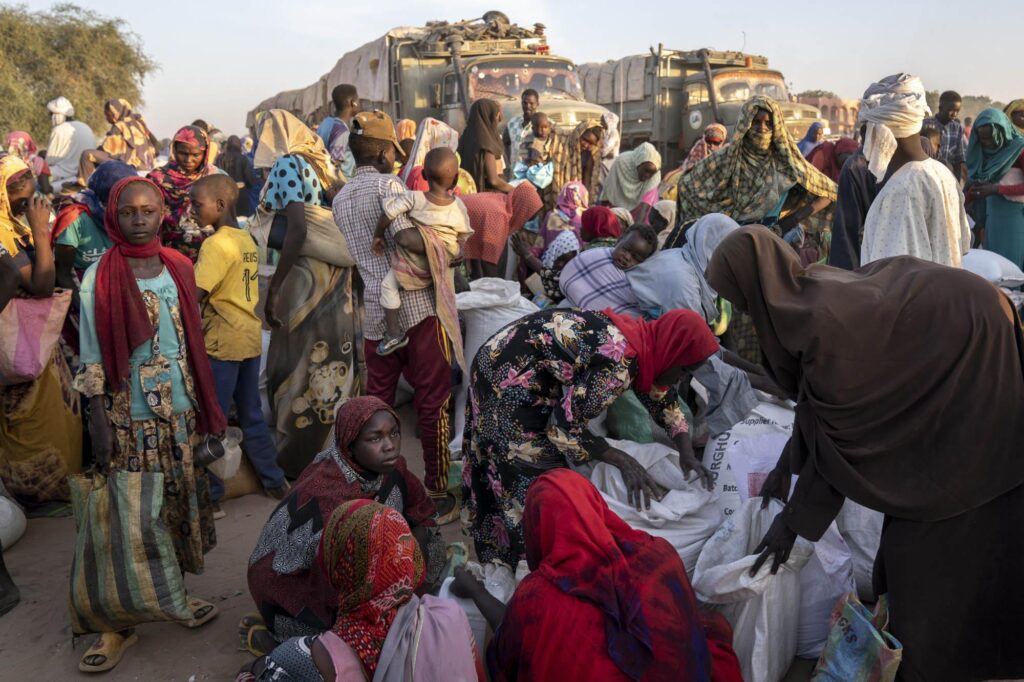
The scale of those movements demonstrates that Sudan’s conflict is not simply a domestic security crisis. It is also a regional displacement emergency.
Chad is absorbing people fleeing violence while humanitarian organisations face growing pressure to provide protection and assistance.
Humanitarian officials have also reported accounts of abduction and sexual violence along escape routes, adding another layer of vulnerability for civilians attempting to reach safety.
The significance of al-Mazroub therefore extends beyond the question of which side controls a particular town.
Kordofan has become an important theatre in Sudan’s war, and military movements there can affect supply routes and the balance between the Sudanese Armed Forces and the Rapid Support Forces. At the same time, every escalation creates the possibility of additional civilian displacement.
The refugee figures show the relationship clearly.
As fighting continues, people leave their homes and cross international borders. The humanitarian burden then shifts partly onto neighbouring countries such as Chad, which must accommodate new arrivals while humanitarian agencies attempt to maintain assistance.
This is one of the defining characteristics of the week’s Africa news: security developments and humanitarian consequences cannot be separated easily.
The immediate questions are whether the Rapid Support Forces will contest the reported loss of al-Mazroub, whether fighting intensifies around Kordofan and El Obeid, and whether Chad and humanitarian organisations can absorb increasing refugee numbers.
The situation also illustrates how the continent’s major conflicts increasingly have regional consequences. A battlefield development in Sudan can rapidly become a border-management, humanitarian and international-assistance issue in Chad.
And while Sudan demonstrates how war can force people across borders, the Ebola emergency in the Democratic Republic of Congo shows how insecurity can obstruct protection even when the threat comes from disease rather than armed conflict.
3. African Humanitarian Crisis: Ebola Tests Health, Security and Public Trust in DR Congo
The Ebola emergency in the Democratic Republic of Congo has become another major component of the week’s African humanitarian crisis, but this time the challenge extends beyond the medical response itself.
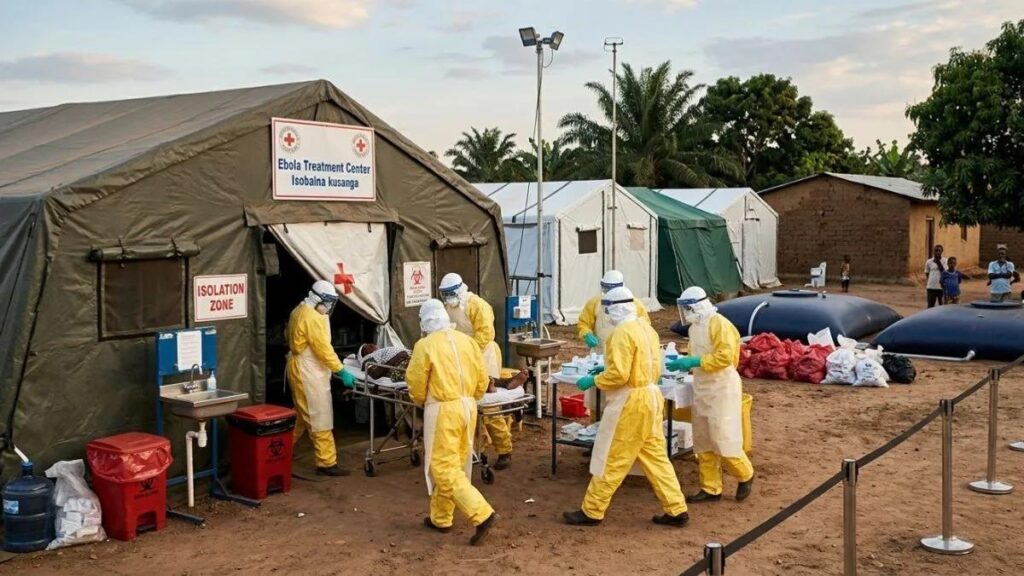
Government figures cited in the supplied material put the death toll at 4,018 by October 2, with approximately 8,300 confirmed cases across seven provinces.
Those numbers demonstrate the scale of the emergency. But they do not fully explain why the response has become so difficult.
In Butembo, Marie-Celestin Karondwa, a senior official of the ruling UDPS party, was beaten after appearing on radio to promote Ebola prevention measures. He later died from his injuries.
The circumstances and motive surrounding his death remain unresolved in the supplied material.
A separate fire at a treatment and displacement facility reportedly caused about 19,000 people to flee.
These developments reveal a central challenge in epidemic response: disease control depends not only on medicine and treatment centres, but also on access, security, public cooperation and trust.
Health workers must be able to reach affected communities. Public-health messages must be communicated effectively. Communities must have sufficient confidence in prevention and treatment measures to cooperate with health authorities.
When any of those elements breaks down, controlling an outbreak becomes more difficult.
That makes the Ebola situation an issue of public-health security as well as medical capacity.
The international response is also continuing. The World Health Organization’s Ebola information for the Democratic Republic of Congo provides ongoing updates on the outbreak and response. WHO — Ebola outbreak in the Democratic Republic of Congo
France has announced additional support for eradication efforts and had already provided 13.4 million euros between January and July 2026.
But international financial assistance is only one component of the response.
The more difficult questions concern what happens on the ground.
Can health workers maintain access to affected communities? Will resistance to public-health measures increase or decline? Will the outbreak spread into additional areas? And will available funding be sufficient to sustain the response?
Those questions place institutional capacity at the centre of the story.
An effective Ebola response requires more than identifying cases and providing treatment. It requires institutions capable of protecting health workers, maintaining communication, reaching vulnerable communities and sustaining public confidence during a crisis.
That is why the DRC outbreak belongs within the broader Africa news picture of the week.
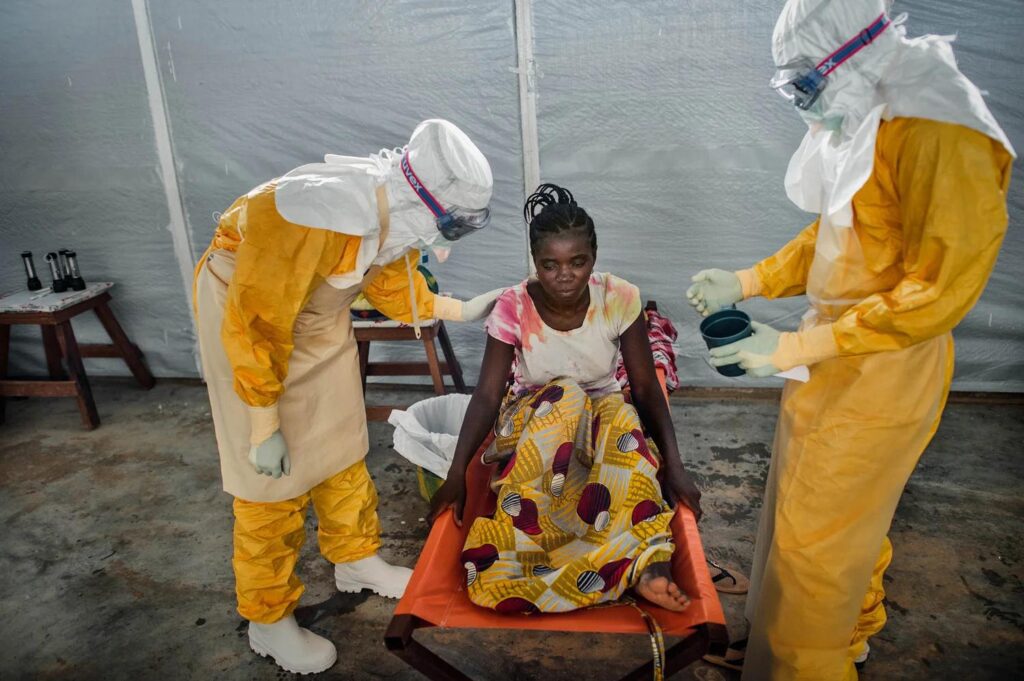
The continent is confronting different forms of insecurity at the same time. In Tigray and Sudan, the immediate threats are armed conflict and displacement. In the DRC, the threat is disease combined with the security and trust problems that can obstruct a public-health response.
The underlying issue is similar: the capacity of institutions to protect people when pressure is high.
That question becomes even more visible in Africa’s political landscape, where civilian institutions, elections and military authority are also being tested in very different ways.
4. Africa News and Political Transitions: Civilian Institutions Face Different Tests
Africa’s political developments during the week were marked by sharp contrasts rather than one single continental political crisis.
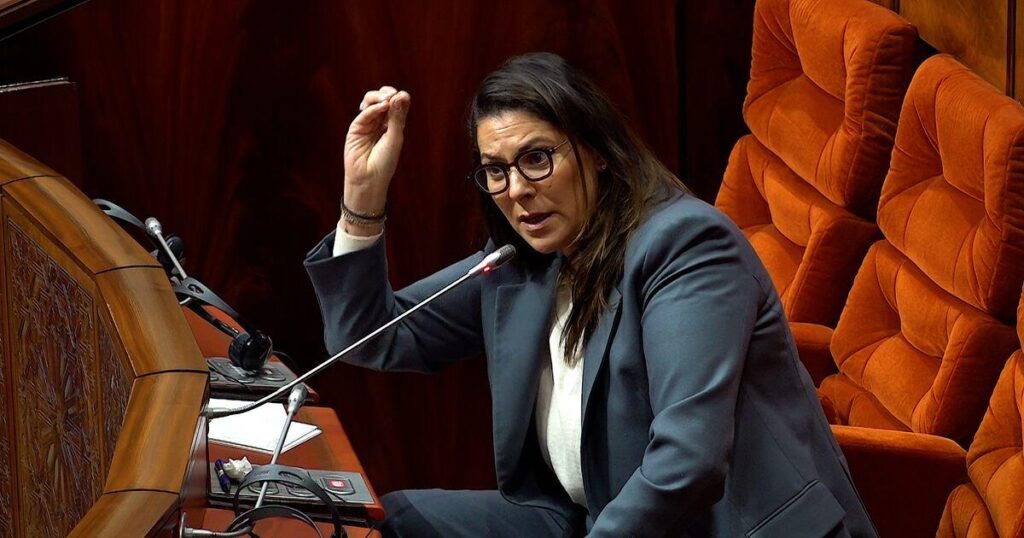
In Morocco, parliamentary elections were followed by the appointment of Fatima Ezzahra El Mansouri as the country’s first female prime minister. Morocco’s 2026 Legislative Elections
El Mansouri is 50 and previously served as urban planning minister and mayor of Marrakech. Her appointment came as Morocco moved toward government formation following the parliamentary elections.
In Guinea-Bissau, however, the political picture was markedly different.
Military authorities prevented former President Umaro Sissoco Embaló from returning to the country ahead of December’s presidential election.
Embaló served as president from 2020 to 2025. He has maintained that he intends to run and wants his candidacy considered through the appropriate legal process.
The contrast between the two developments is significant, although the situations are not identical and should not be presented as one coordinated continental crisis.
In Morocco, the political process moved toward government formation.
In Guinea-Bissau, military authority directly affected a former president’s ability to return to the country and potentially participate in an election.
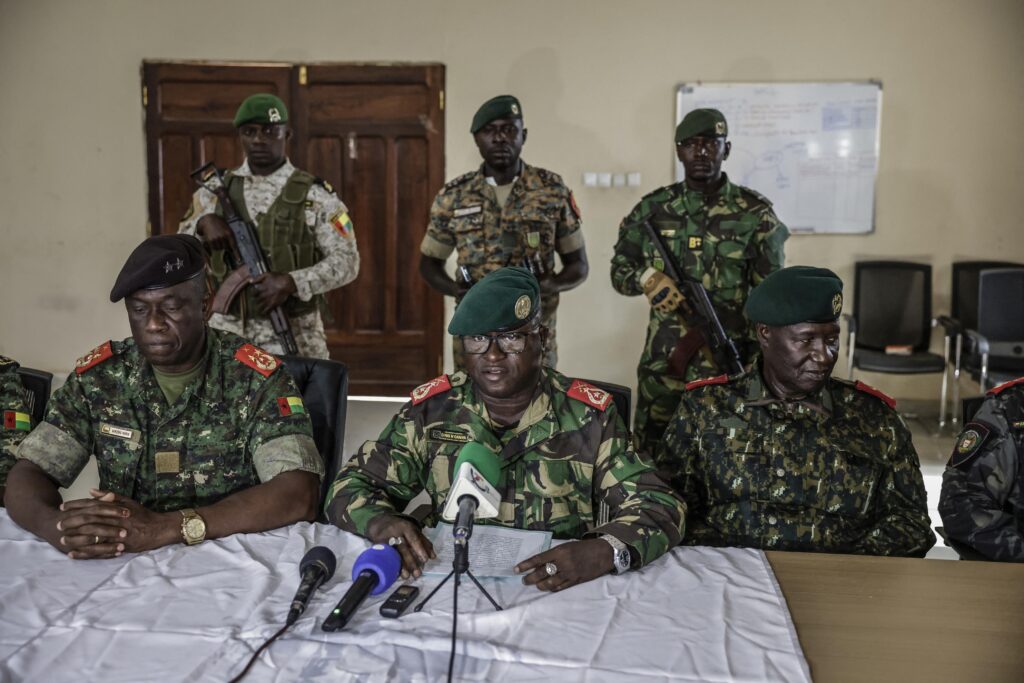
The different circumstances nevertheless place the strength of civilian institutions at the centre of the week’s Africa news.
The questions extend beyond individual politicians.
Can elections provide credible political participation? Can courts maintain public confidence? And how much influence should military authorities have over political processes?
Elsewhere on the continent, South Sudan’s December election timetable remains linked to implementation of its 2018 peace agreement.
In Tanzania, the High Court scheduled November 6 for the verdict in opposition politician Tundu Lissu’s treason case.
Tunisia also changed penalties for some first-time false-news offences, although rights groups continue to describe the broader legal framework as restrictive.
These developments differ substantially in their circumstances, institutions and political contexts. They should therefore not be collapsed into a single narrative of political instability.
What connects them is the broader question of institutional credibility.
Political transitions are ultimately measured not only by who holds office, but by whether established procedures can accommodate political competition, legal challenges and changes in leadership.
For Morocco, the immediate story is government formation following parliamentary elections.
For Guinea-Bissau, attention is turning toward the December presidential election and the circumstances under which political participation will take place.
For South Sudan, the election timetable remains tied to the implementation of an existing peace agreement.
For Tanzania, the November 6 court date provides a clear upcoming political and legal development.
And in Tunisia, changes to penalties for some false-news offences continue to sit within a wider debate over the country’s legal environment.
Taken together, these stories show why political institutions remain an important part of Africa security and stability. Security is not only about armed conflict. It also involves whether political systems can manage disagreement, competition and transition through credible institutions.
The week’s final narrative turns from political institutions to another measure of capacity: whether African governments and investors can convert large economic ambitions into functioning energy and industrial projects.
5. African Economy: Energy and Industrial Ambitions Move From Plans to Implementation
The week’s African economy story was shaped by major energy and industrial projects that illustrate the continent’s continuing effort to expand productive capacity.
One of the most significant developments came from Kenya, where Nigerian industrialist Aliko Dangote and President William Ruto broke ground on a planned $16 billion refinery in Lamu.
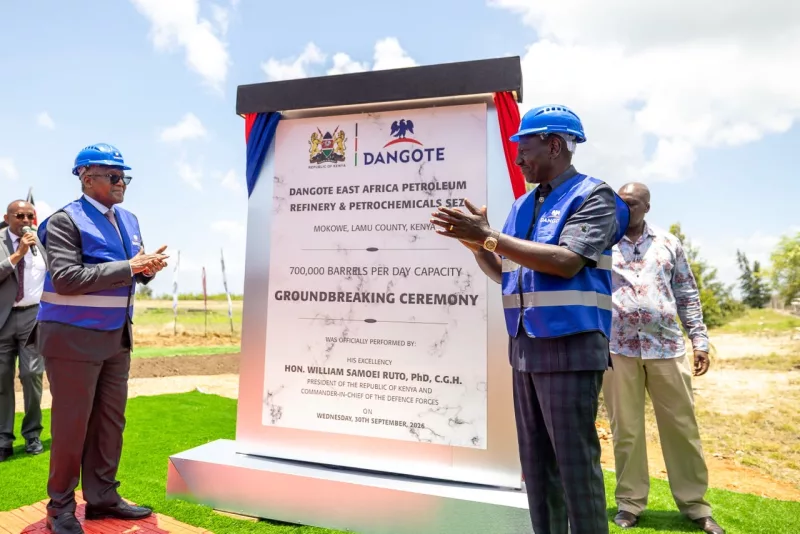
The proposed refinery would have a capacity of 700,000 barrels per day, with a target completion date of 2030.
Its scale makes it a major example of cross-border African investment and could make it an important part of East Africa’s energy system.
But the formal launch does not remove the practical challenges surrounding the project.
A Kenyan court ordered the preservation of the status quo in a land dispute, meaning legal, environmental and community issues remain relevant to the project’s future timetable.
The development also includes a planned 1,000-megawatt power facility. Engineers India received a $450 million engineering contract, while regional governments have offered a combined 30 percent stake.
These details demonstrate that the project is more than a refinery alone. It is part of a wider industrial and energy proposition.
But the central question is implementation.
Can construction progress through the legal and community issues? Can the project maintain its 2030 target? How will regional governments participate? And how will the different financing and institutional arrangements affect its development?
The answers will determine whether the project’s ambitions become operational reality.
Elsewhere, Nigeria reported domestic gas supply above 2 billion cubic feet per day.
That figure could have implications for power generation and industrial users, although the supplied material does not establish specific future outcomes.
The significance therefore lies in the broader effort to expand domestic energy availability.
Zambia provided another economic development during the week.
The country’s central bank cut its benchmark interest rate from 13.25 percent to 10.75 percent as an International Monetary Fund mission arrived for discussions on a possible new support programme. The International Monetary Fund’s Zambia country information provides background on the country’s economic programme and IMF engagement. IMF — Zambia
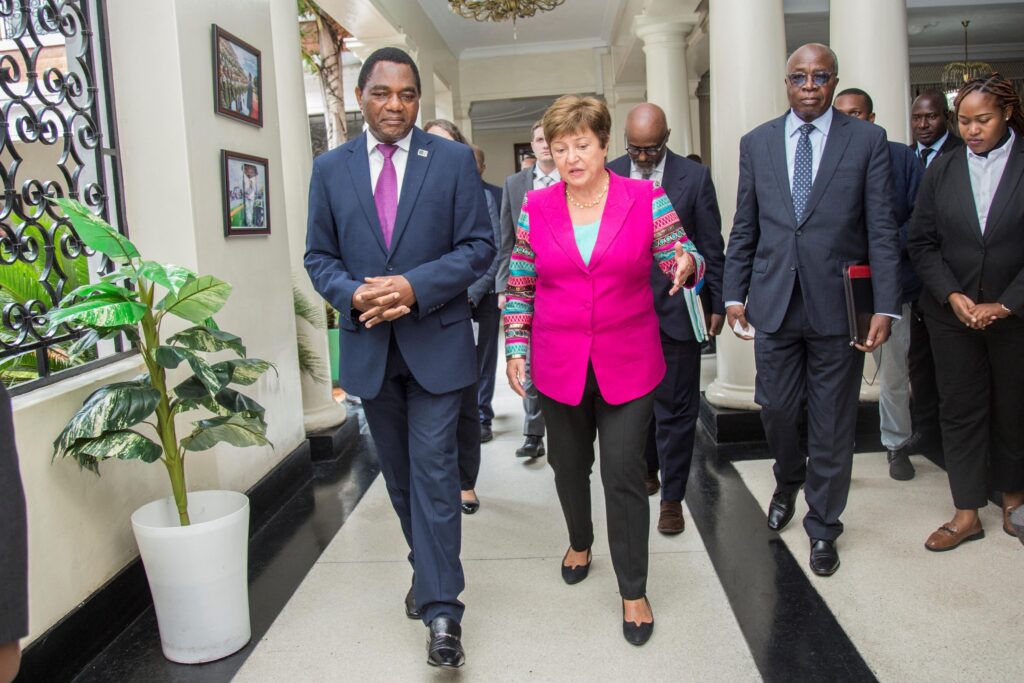
Annual inflation in Zambia was reported at 6.1 percent in September, compared with 6.2 percent in August.
The rate cut and the IMF discussions illustrate another dimension of the African economy: governments are balancing monetary policy, inflation, financing conditions and the need to sustain economic activity.
Taken together, the Kenyan, Nigerian and Zambian developments reveal a broader continental challenge.
Africa is trying to expand energy availability, attract investment and strengthen productive capacity.
But the path from ambition to results is rarely straightforward.
Major projects must navigate courts, land rights, environmental concerns, community interests, financing conditions and institutional processes. Governments must also manage monetary policy and external financial relationships while attempting to create conditions for investment and growth.
That means the most important question is not simply how large a project is when it is announced.
It is whether the institutions and investors involved can carry it through the complex process required to turn plans into operating infrastructure.
The Lamu refinery has moved from proposal to groundbreaking, but legal and other implementation questions remain.
Nigeria’s reported gas supply points to increased energy availability, but the source does not establish exactly what future economic outcomes will result.
Zambia’s interest-rate reduction signals a shift in monetary policy, while discussions with the IMF could shape the country’s future economic environment.
These developments show another side of the week’s Africa news. While conflicts, displacement and political uncertainty dominate many headlines, African governments and investors are simultaneously pursuing projects intended to strengthen the continent’s economic capacity.
The two realities exist alongside each other.
CONCLUSION
The week’s Africa news reveals a continent facing several pressures at the same time.
In the Horn of Africa, renewed fighting in Tigray has combined military developments with a widening diplomatic dispute, raising concerns about the broader regional implications. In Sudan, the war continues to reshape the humanitarian map, with refugee arrivals into Chad reportedly increasing sharply.
In the Democratic Republic of Congo, the Ebola emergency has demonstrated that public health can quickly become a question of security, access and public trust. Political developments across Morocco, Guinea-Bissau, South Sudan, Tanzania and Tunisia have meanwhile placed different aspects of civilian authority and institutional credibility under scrutiny.
At the same time, the economic picture tells a different but equally important story. Kenya’s planned $16 billion refinery, Nigeria’s reported domestic gas supply above 2 billion cubic feet per day and Zambia’s interest-rate reduction all point to efforts to strengthen economic and productive capacity.
These are not one single crisis and they do not represent one coordinated continental trend.
But together, they show the range of challenges facing Africa: security, human protection, institutional credibility and economic capacity.
The developments of the coming weeks will determine how governments, institutions, investors and communities respond to those pressures — and whether the continent’s ambitions can keep pace with the realities on the ground.
Horn of Africa Tensions: 5 Questions Behind the Crisis
Nigeria News: Reform, Energy, Security and Politics Define the Week
About the Author