INTRODUCTION
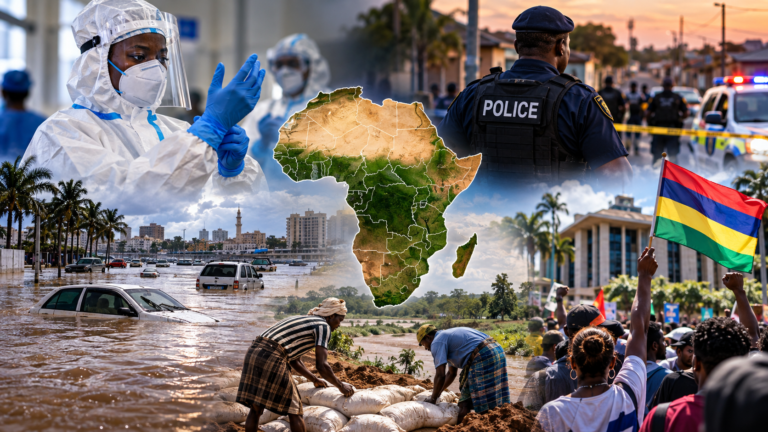
Africa news during the week of 4–10 October 2026 was shaped by developments that tested the ability of governments and public institutions to manage security challenges, protect communities and deliver sustainable economic outcomes. From reported military movements in Ethiopia and Mali to renewed anti-migrant violence in South Africa, the week’s events raised questions about the difference between an immediate government response and a lasting solution.
Public health also came into focus after reports of an Ebola case involving a traveller who passed through Uganda before reaching Nairobi, Kenya, where he died. The reported case prompted attention to contact tracing, quarantine measures and cross-border disease surveillance. Meanwhile, heavy rainfall caused flooding in several parts of Senegal, bringing concerns about casualties, damaged infrastructure, essential services and the recovery of affected communities.
The week’s economic developments presented another set of challenges. Zambia moved forward with a proposed International Monetary Fund financing programme, Senegal continued negotiations over its debt, and the United States International Development Finance Corporation highlighted its investment interests in African infrastructure and critical minerals.
These stories unfolded in different countries and involved distinct circumstances. The available information does not establish that they share a single cause. However, they offer a useful framework for examining the week’s major developments: whether territorial gains translate into security, whether policy responses protect people, whether health investigations establish the extent of a threat, whether emergency measures support recovery, and whether financial commitments deliver measurable benefits.
This Africa news roundup examines five major narratives from the week, preserving the distinction between reported developments, official allegations, preliminary figures and outcomes that remain unconfirmed.
1. Africa Security: Ethiopia, Mali and DR Congo Face Different Conflict Challenges
Military developments in Ethiopia and Mali placed territorial control and the prospects for lasting stability at the centre of Africa’s security concerns during the week of 4–10 October 2026. Separate reporting from the Democratic Republic of the Congo also drew attention to casualties associated with an earlier security incident in the country’s east.
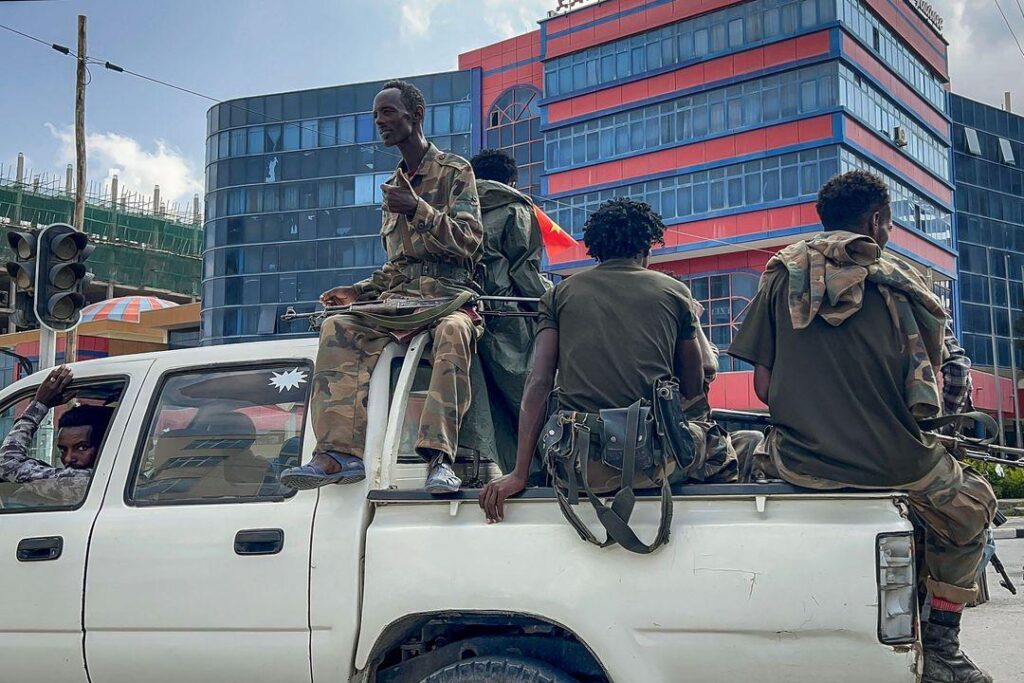
In Ethiopia, government forces reportedly regained Mekelle, the capital of the Tigray region, on 4 October. The development occurred amid renewed tensions between Ethiopia and neighbouring Eritrea, adding to concerns about the security environment in the Horn of Africa.
The Ethiopian government accused Eritrea of supporting armed groups and violating Ethiopian territory. It took those allegations to the United Nations Security Council, bringing the dispute into an international diplomatic forum.
The allegations must remain clearly attributed to Ethiopia. The material available for this roundup does not independently establish the claims against Eritrea. Their significance lies partly in the possibility that worsening relations between the two countries could increase instability in a region already facing difficult security conditions. For further context, read the Associated Press report on Ethiopia’s allegations and Eritrea’s response.
The reported return of government forces to Mekelle is also not, by itself, proof that the wider security situation has been resolved. Territorial control is one measure of military progress, but the durability of that control and the protection of civilians remain important questions.
A separate development took place in Mali, where government forces reportedly re-entered Kidal between 6 and 7 October. The movement followed an announcement by the Azawad Liberation Front that its forces were carrying out a controlled withdrawal.
Kidal is a strategically significant location, making the reported return of government troops an important development in Mali’s security situation.
However, the movement of troops into a location does not establish that an insurgency has been defeated or that the state has secured lasting control of the surrounding area.
The distinction matters because a territorial gain and a durable security settlement are different outcomes. The available information does not establish that government control in Kidal will necessarily remain secure or that the wider conflict has ended.
In the Democratic Republic of the Congo, Reuters published reporting on 9 October about casualties involving Vectus Global, a private security company, following an earlier ambush reportedly involving the M23 movement in eastern DR Congo.
The supplied report cited at least 20 casualties, including seven Congolese personnel.
The figures and circumstances require further independent verification. The timing also needs to be understood correctly: the reporting appeared during the week under review, but it concerned an earlier incident rather than a newly confirmed attack during the reporting period.
These three developments should not be treated as one coordinated conflict. They involve different countries, circumstances and security actors, and the available material does not establish a direct connection between them.
Nevertheless, they raise a shared question for the region: what follows an operation, a military advance or a return to a strategically important location?
The answer depends on more than the immediate movement of armed forces. Governments must be able to maintain control, protect civilians and establish conditions in which communities can live without continued insecurity. Diplomatic tensions must also be assessed through verified developments rather than allegations alone.
The next developments to watch include Ethiopia’s allegations and Eritrea’s response, the durability of government control in Kidal, and further verified information about the security operation and casualties reported in eastern DR Congo.
The week’s security developments therefore illustrate an important distinction: military or operational progress may change the immediate situation, but it does not automatically settle the underlying conflict.
2. South Africa Migration and Asylum: Violence Exposes Legal and Public-Safety Challenges
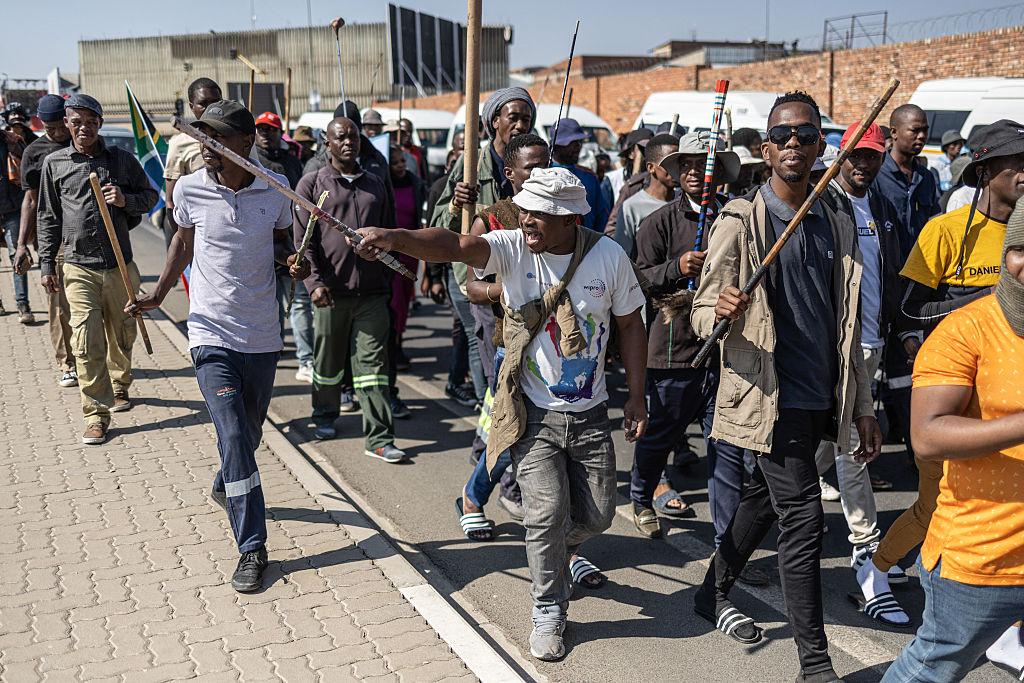
South Africa faced renewed tensions over migration and asylum procedures after reported anti-migrant protests escalated into violence on 8 and 9 October. The unrest reportedly affected parts of Johannesburg, including Soweto, and Durban, where foreign-owned businesses were looted and vehicles were set alight.
The developments brought together questions about asylum administration, legal procedures, public frustration and the responsibility of authorities to protect people and property.
According to the supplied reporting, the unrest was associated with opposition to asylum-processing arrangements and confusion surrounding the implementation of a Constitutional Court ruling on access to asylum application procedures. South Africa’s Department of Home Affairs subsequently withdrew a directive amid the unrest and operational difficulties at refugee reception offices.
The withdrawal represented a government response to the situation, but it did not automatically settle the legal and administrative questions surrounding asylum applications. Clarification remained necessary on what the directive had changed, which procedures continued to apply and how refugee reception offices would handle applications.
Reported damage figures also differed between accounts. The Reuters report cited 24 vehicles burned, while an earlier report gave a figure of at least 14. These numbers reflect different reporting stages and should not be combined into a single total. The final figure requires confirmation from the latest reliable account.
The full extent of the damage, along with the final numbers of arrests and injuries, was not established in the material available for this roundup.
The broader issue extends beyond the withdrawal of a directive. Governments must administer asylum procedures in accordance with applicable legal requirements while ensuring that public safety is maintained. Where protests become violent, authorities also face the responsibility of protecting businesses, residents and people who may be targeted because of their nationality or immigration status.
This does not mean that every protester shares the same motivation or that every concern about asylum administration is identical. The available material does not establish the views or actions of every participant. It does, however, report violence and damage associated with the unrest.
The distinction between individual responsibility and collective blame is important. The actions of particular individuals should not be used to assign responsibility to entire migrant communities. Nor should migrants and asylum seekers be held responsible for wider economic or social grievances without evidence.
For people affected by the violence, the consequences can include threats to personal safety, damage to businesses and uncertainty about the procedures governing their legal status. For business owners, looting and damaged vehicles can disrupt operations and create immediate financial losses. For public authorities, the unrest presents both a law-enforcement challenge and an administrative problem requiring clear communication.
The next steps identified in the supplied material include clarifying the effect of the withdrawn directive, establishing which asylum procedures remain in force and determining what measures are being taken to prevent further violence and protect affected communities.
South Africa’s experience during the week highlights how uncertainty over policy implementation can become more difficult to manage when public frustration and violence converge. It also reinforces the importance of distinguishing lawful administration from the protection of people against unlawful acts.
The episode forms part of a wider examination of public protection across the continent. In East Africa, attention shifted from legal and security concerns to the capacity of health authorities to investigate a potentially serious infectious disease and coordinate their response across borders.
3. Africa Public Health: Kenya’s Reported Ebola Case Tests Cross-Border Surveillance
Kenya’s reported confirmation of an Ebola case placed disease surveillance and regional public-health coordination under scrutiny during the week of 4–10 October 2026.
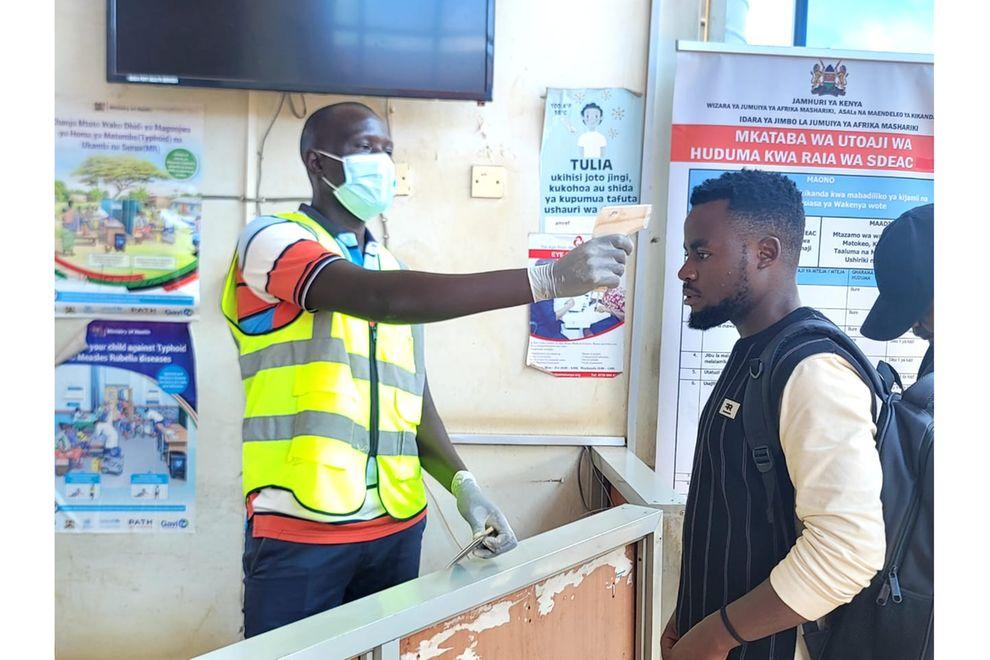
According to the supplied reports, the patient was a traveller from the Democratic Republic of the Congo who passed through Uganda before reaching Nairobi, Kenya, where he died. Kenyan authorities reportedly initiated contact tracing, quarantine measures and enhanced screening at airports and border crossings.
The World Health Organization’s report on the imported Bundibugyo virus disease case in Kenya outlines the case and the regional public-health response.
An Associated Press update cited in the supplied material said authorities were tracing 57 contacts, with 10 people quarantined at that stage of the investigation. Read the Associated Press explainer on Kenya’s first imported Ebola case and the official response.
These figures describe an early point in the response. They should not be treated as final totals, and the available information does not establish the final outcome of the investigation.
A key distinction in interpreting the reported case is the difference between identifying a contact and confirming an infection. People may be identified for monitoring because they could have been exposed to an infected person, but that status does not mean they have the disease.
Similarly, a reported imported case does not, by itself, establish sustained transmission within the country. The extent of any public-health risk must be assessed through testing, contact tracing and verified updates from the responsible authorities.
The central questions are whether investigators can identify people who may have been exposed, determine the circumstances of the case and establish whether further infections have occurred. The results of those investigations are essential to understanding the scale of the threat and the effectiveness of the response.
The cross-border dimension adds complexity. According to the supplied account, the traveller passed through the Democratic Republic of the Congo and Uganda before reaching Kenya. This places coordination among the three countries’ health authorities at the centre of the response.
Accurate information must move alongside the investigation. Authorities need to communicate verified developments clearly, explain the purpose of monitoring measures and distinguish suspected exposure from confirmed infection. Where appropriate, regional and international health institutions can support cooperation and technical coordination.
The immediate reported human consequence was the patient’s death. People identified as contacts may also experience uncertainty and disruption while they are monitored. However, the supplied material does not establish the final results of contact tracing, whether further cases were confirmed or the definitive outbreak status at the end of the week.
Those details must be checked against official health updates before the case can be assessed fully.
The reported figures of 57 contacts and 10 people quarantined should therefore be understood as time-specific information from an early stage of the investigation. They do not provide a final account of the response or its outcome.
The wider significance of the case lies in the importance of preparedness. Cross-border travel means that disease surveillance cannot be considered solely within national boundaries when a reported case involves movement through several countries. Timely investigation and cooperation are essential to determining whether a threat has spread and what measures may be required.
But preparedness must ultimately be judged by evidence. The initial announcement of a case, the launch of contact tracing and the introduction of screening measures are steps in a response, not proof that transmission has been contained.
For Kenya and its regional partners, the next important information includes the final contact-tracing results, any additional confirmed cases and an official assessment of the outbreak status.
The case brought the importance of public-health readiness into focus. In Senegal, meanwhile, the immediate challenge was different: heavy rainfall and flooding had raised concerns about deaths, damaged infrastructure and disruption to essential services.
4. Senegal Floods and Recovery: Emergency Response Unfolds Alongside Debt Negotiations
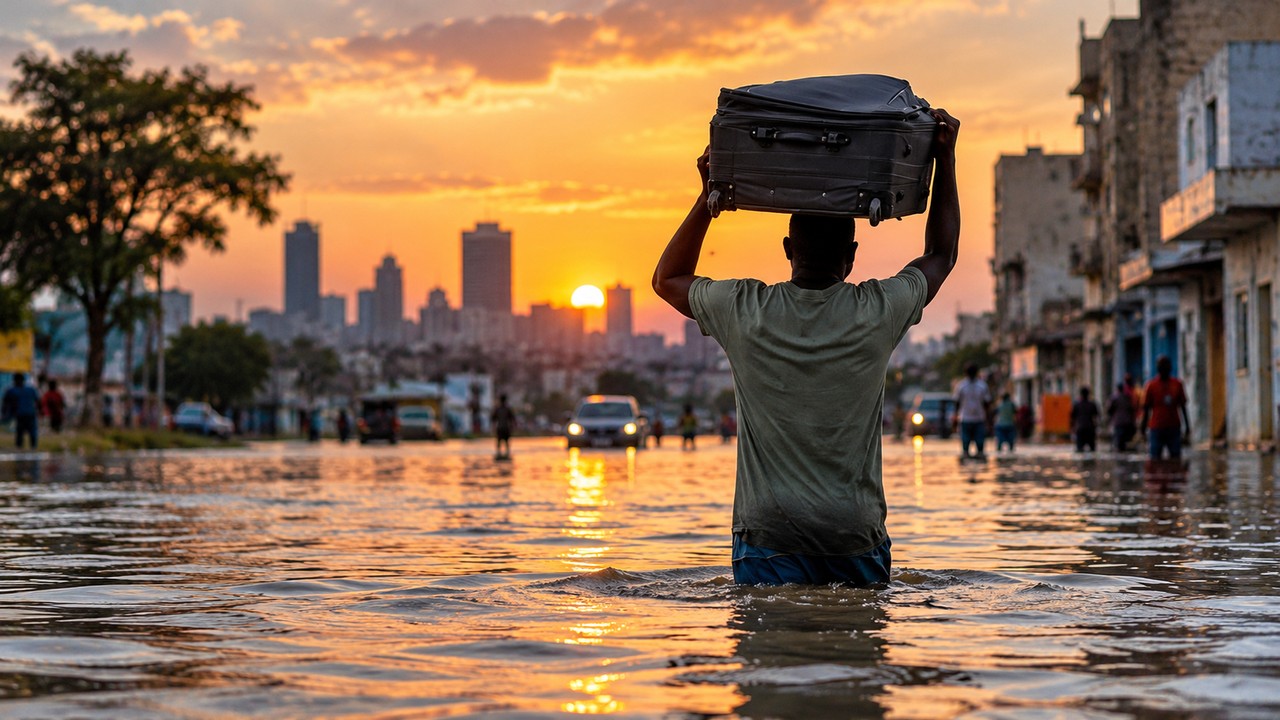
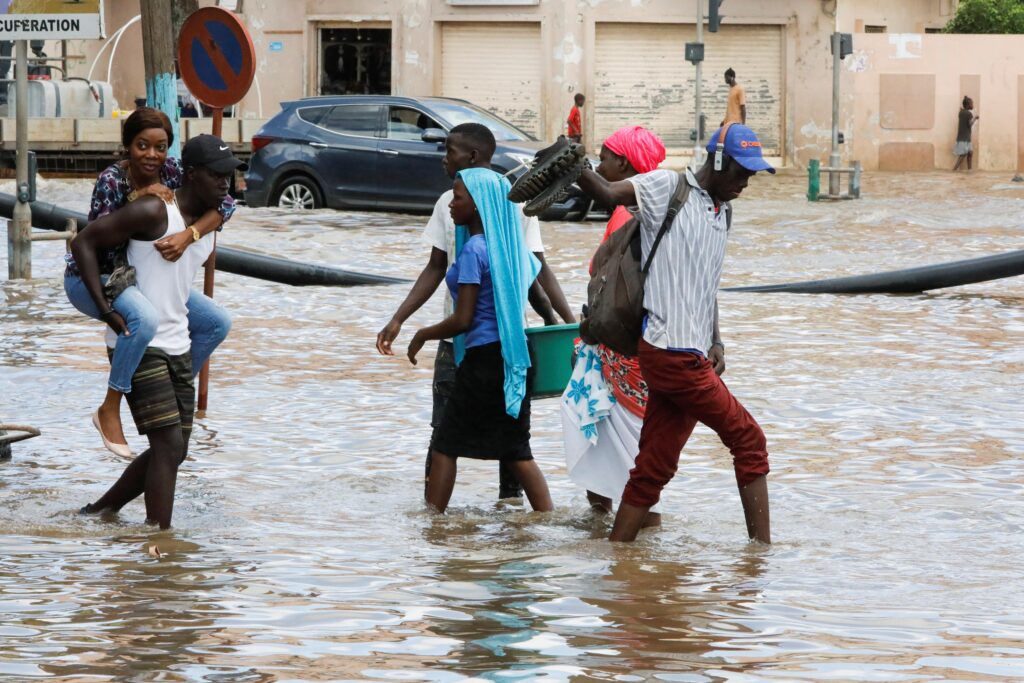
Heavy rainfall triggered flooding in several parts of Senegal during the first week of October, raising concerns about public safety, infrastructure and the disruption of essential services.
The reported affected areas included Dakar, Rufisque, Matam and Kaolack. The supplied reports cited rainfall totals of 142 millimetres in 24 hours in Rufisque and Ranerou, and 138 millimetres in Dakar’s Yoff district. These measurements were reported by Senegal’s meteorological agency, ANACIM, and cited in the Reuters report on flooding and reported deaths in Senegal.
Reports also described deaths and injuries, including the reported deaths of a mother and child in Dakar. Additional casualties were reported by Senegal’s Interior Ministry, but a final, consolidated death toll was not established in the supplied material.
The uncertainty around the final toll is significant. Preliminary casualty reports can change as authorities gather information from affected locations. A reliable assessment requires a consolidated figure supported by the responsible authorities rather than the addition of separate reports that may overlap.
The immediate concern was the safety of residents and the effect of flooding on homes, roads, businesses and public services. Flooded streets and damaged infrastructure can disrupt daily activity and restrict access to essential services. The supplied material does not establish the final scale of these impacts, making a verified damage assessment an important next step.
Authorities reportedly warned about the possibility of further rainfall. They also raised the possibility of postponing the school year if floodwaters did not recede. This was a measure under consideration at the time of the initial reporting.
Subsequent reporting confirmed that Senegal postponed the start of the school year nationwide until 12 October. Read the Africanews report on the school-year postponement following destructive flooding.
The school calendar was therefore one of several issues requiring clarification. The supplied material also identified the need to establish whether preparations for the Summer Youth Olympics, scheduled for 31 October, had been affected. It did not establish that the event had been disrupted.
The government’s response and the assistance reaching affected communities remained important questions. Establishing the verified death toll, identifying the most affected communities and assessing damage would help clarify the scale of the emergency and the needs of residents.
There was also a separate financial development unfolding in Senegal. The government had been negotiating with official creditors and bondholders, with a stated target of reaching an agreement in principle on debt treatment by December.
Read the Reuters report on Senegal’s debt-treatment negotiations and December target.
These two developments are important to Senegal’s public affairs, but they must not be conflated. The available material does not establish that the country’s debt difficulties caused the flooding, prevented a particular emergency response or determined the extent of the damage.
The flooding is an immediate emergency involving public safety and recovery. The debt negotiations concern the treatment of existing financial obligations. The relationship between the two cannot be assumed without evidence.
This distinction matters because explanations for a disaster must be grounded in verified information. Financial pressures may be relevant to broader discussions about public resources, but the supplied material does not demonstrate how Senegal’s debt negotiations affected the specific response to the October flooding.
The next developments to watch include a verified casualty total, an assessment of damage, information about emergency assistance and clarification of whether the school calendar or Summer Youth Olympics preparations were affected.
The broader question is how authorities protect lives during an emergency and establish what is needed for recovery. That challenge involves immediate action, accurate information and a clear account of what remains unresolved.
Senegal’s flooding also provides a useful context for the week’s final economic narrative. Across the continent, governments and development institutions were pursuing different approaches to financing, debt management and investment. Those arrangements have their own objectives and conditions, and their significance depends on what is ultimately approved and implemented.
5. African Economy: Zambia’s Proposed IMF Programme, Senegal’s Debt Talks and DFC Investment Plans
Three financial developments during the week of 4–10 October 2026 highlighted different approaches to managing economic pressure and securing funding for development: a proposed International Monetary Fund programme for Zambia, continuing debt negotiations in Senegal and investment plans involving the United States International Development Finance Corporation.
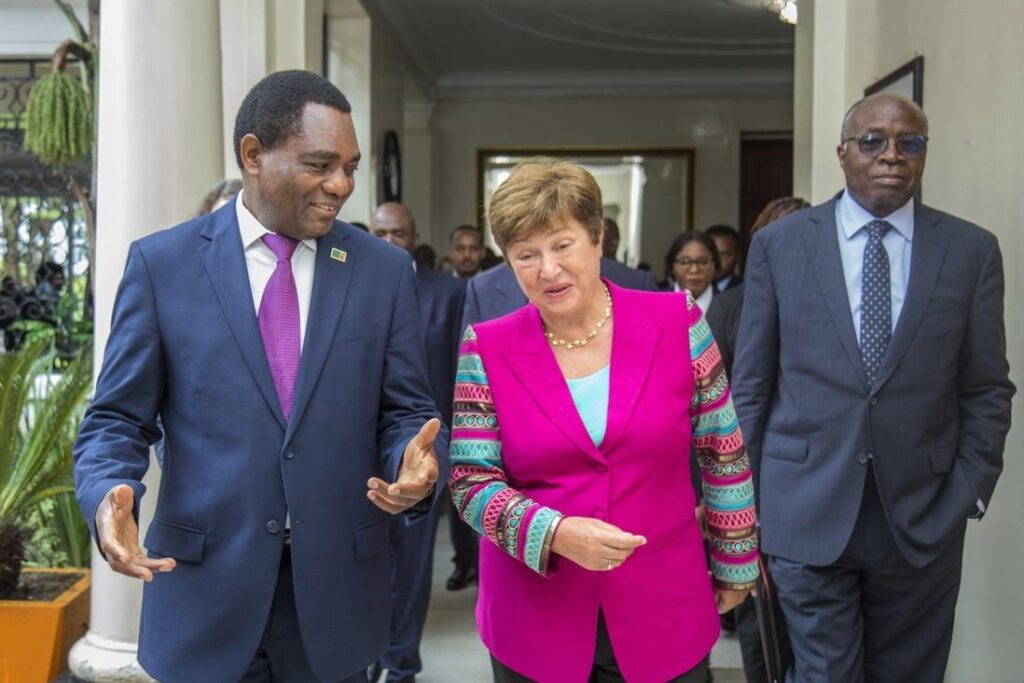
In Zambia, the IMF announced a staff-level agreement on a proposed three-year financing programme worth $1.5 billion. The agreement followed an IMF mission to Lusaka that ran from 29 September to 9 October.
Read the Reuters report on Zambia’s proposed $1.5 billion IMF programme.
The proposed Extended Credit Facility represents progress in Zambia’s engagement with the Fund following the country’s 2020 sovereign debt default. However, the status of the agreement is important. A staff-level agreement is not the same as final approval by the IMF Executive Board, and it does not mean that the entire proposed amount has already been disbursed.
The supplied material also cites an IMF growth forecast of 5.6 per cent for Zambia in 2026. The Reuters report provides context for the forecast, but the figure should still be checked against the original IMF publication before it is used as a definitive forecast.
For Zambia, the next significant milestone identified in the supplied reporting is formal consideration of the proposed programme by the IMF Executive Board. Until approval and disbursement are established, the proposed financing should not be described as money already delivered to the country.
Senegal’s financial position presents a different challenge. Rather than pursuing a proposed new IMF programme in the development described here, the government was continuing negotiations over the treatment of existing debt.
The supplied reporting estimates that approximately $13 billion in debt had been misreported. It also identifies outstanding total return swaps valued at around one trillion CFA francs, equivalent to approximately $1.72 billion, alongside about $5.2 billion in outstanding bonds.
These figures require confirmation against the original reporting and official financial documents. They should not be presented as fully verified totals until that checking is complete.
Senegal’s stated objective is to reach an agreement in principle with official creditors and bondholders by December. That remains a negotiating target rather than a completed restructuring. The Reuters report on Senegal’s debt negotiations outlines the target and the financial issues facing the government.
The distinction between a target and an agreement is important because negotiations do not automatically settle the terms of a country’s obligations. Progress must be assessed through the actual terms reached and the subsequent implementation of any agreement.
The third development concerns the United States International Development Finance Corporation, known as the DFC. The institution signalled an intention to increase its equity investments in Africa, including projects involving critical minerals and digital infrastructure.
The supplied material places the DFC’s Africa portfolio above $14 billion, with more than $3 billion focused on critical minerals. It also identifies a reported $155 million equity commitment to WIOCC, a digital infrastructure company.
Read the Reuters report on the DFC’s plans to expand equity investment in Africa.
These figures describe different kinds of financial activity and must be interpreted carefully. A portfolio figure is not necessarily the same as new money committed during the week. An equity commitment should also be distinguished from an investment that has been completed or disbursed.
The available information does not establish that every investment referenced has been newly approved, completed or paid out during the reporting period. Individual investment announcements and their status require confirmation.
Taken together, the three developments illustrate distinct financial mechanisms.
Zambia is pursuing a proposed credit programme. Senegal is negotiating the treatment of existing debt. The DFC is seeking to invest in commercial projects and strategic infrastructure. These measures have different purposes and should not be treated as interchangeable indicators of new financing entering African economies.
Their ultimate significance depends on the terms and outcomes. A financing agreement must be considered in light of its approval and implementation. A debt restructuring must be assessed by the terms negotiated and the obligations affected. An investment plan must be judged by which projects proceed and what they deliver.
The supplied material does not establish the specific effects these developments will have on household incomes, employment or public services. Those outcomes cannot be inferred from headline financial figures alone.
The next milestones include formal IMF consideration of Zambia’s proposed programme, further progress in Senegal’s creditor negotiations and confirmed announcements concerning individual DFC investments.
For the African economy, the central question is not simply how much financing is proposed or announced. It is whether agreements are implemented on sustainable terms and whether investments produce measurable results.
CONCLUSION
The Africa news roundup for 4–10 October 2026 reveals five distinct sets of challenges facing governments, institutions and communities across the continent.
In Ethiopia and Mali, reported territorial changes raised questions about the durability of security gains. In the Democratic Republic of the Congo, reporting about casualties associated with an earlier incident highlighted the need for verified information about security operations. South Africa’s migration-related unrest showed how legal uncertainty and public frustration can converge with violence, while Kenya’s reported Ebola case placed the focus on investigation, surveillance and cross-border cooperation.
Senegal faced a more immediate environmental emergency as flooding raised concerns about casualties, infrastructure and recovery. Separately, developments involving Zambia’s proposed IMF programme, Senegal’s debt negotiations and the DFC’s investment plans illustrated different approaches to financing and economic management.
These events should not be presented as consequences of one common cause. Their circumstances differ, and several important details remain subject to verification. Yet they share a practical test: the difference between an announcement or immediate response and a demonstrated outcome.
Territorial gains must be assessed by lasting security. Policy changes must be followed by clear procedures and public protection. Health investigations require verified results. Emergency responses need credible information about damage and recovery. Financing arrangements must be judged by their approval, implementation and measurable benefits.
For Africa, the developments to watch are therefore not only the decisions made during the week, but also the evidence that emerges afterward. That evidence will show which problems remain unresolved, which commitments are implemented and whether the responses described translate into durable results.
Recommended Articles from DSG Herald News
For more context, analysis and background on the major issues shaping Nigeria, Africa and the world, explore these related reports from DSG Herald News:
- Africa News Weekend Roundup: September 28 – October 4, 2026 — Explore the major developments shaping Africa’s political, economic, security and social landscape.
- Nigeria News Roundup: Reforms, Security and Energy — Read more about the policies, security challenges and energy-sector developments influencing Nigeria’s future.
- Global News Roundup: War, Energy, AI and the Economy — Understand the international events and emerging trends reshaping global politics, technology, energy and economic affairs.
- Nigerians Hate Tinubu? What the Data Really Shows — Examine the debate surrounding President Bola Ahmed Tinubu’s administration and what available evidence reveals about public opinion.
Stay informed with DSG Herald News for in-depth reporting, credible analysis and perspectives on the stories that matter across Nigeria, Africa and the world.
About the Author